


Beyond teaching alone, French is a global language spoken across Europe, Africa, the Americas, and parts of Asia, opening doors to diverse career paths in education, culture, diplomacy, and international work. This article focuses on one such pathway: becoming a French private tutor in Singapore.
Whether you are exploring this option part-time or as a long-term profession, it will help you understand what the role involves and whether it aligns with your career goals. Take a look at these popular French career pathways, and then read on to determine how to decide on the right career in French language.
| Career Role | Typical Work Settings (Singapore & Global) | Key Skills and Requirements |
|---|---|---|
| French Language Teacher / Tutor | International schools, language institutes, private tuition, online platforms | Strong French proficiency, clear communication, lesson planning, cultural awareness, adaptability. Teaching qualifications are preferred; online tutoring may allow teaching French without a formal degree at beginner or conversational levels. |
| Translator / Interpreter | Law firms, multinational companies, media agencies, conferences, government-linked organisations | Advanced written and spoken French, accuracy, attention to detail, subject-matter knowledge, cultural sensitivity. Certifications are beneficial for legal or technical work. |
| International Business Professional | Multinational corporations, regional offices, trade and export companies | Professional-level French, business communication skills, negotiation ability, intercultural competence, and understanding of global markets. |
| Tourism and Hospitality Professional | Hotels, airlines, travel agencies, luxury retail, tourism services | Conversational to fluent French, strong customer service skills, interpersonal communication, adaptability, and cultural awareness. |
| Diplomatic or International Organisation Staff | Embassies, consulates, cultural missions, international organisations | High-level French proficiency, formal communication and writing skills, analytical ability, professionalism, and knowledge of international relations or public administration. |


Why Pursue a Career in the French Language and French Teaching Positions in Singapore
French is far more than a classroom subject; it is a global language that opens doors across education, culture, diplomacy, and flexible teaching careers. Whether you are exploring a traditional French teaching position, looking to teach French in Singapore, or considering how to teach French online, a French career offers long-term professional value and personal fulfilment.
Singapore has a multibillion-dollar tutoring industry, reflecting the country’s strong commitment to education. While this emphasis has created many opportunities, it has also shaped how teaching careers are commonly viewed.
French, however, is not a compulsory subject in Singapore. Most learners study it out of personal interest, academic ambition, or global aspirations. As a result, those qualified in French often think first of becoming school teachers in Singapore or pursuing teaching roles overseas. What is less commonly considered is private French tutoring despite its growing demand and flexibility.
To explore the types of roles available and where qualified educators are most in demand, read this guide on French teaching opportunities.
Global Reach and International Recognition of French
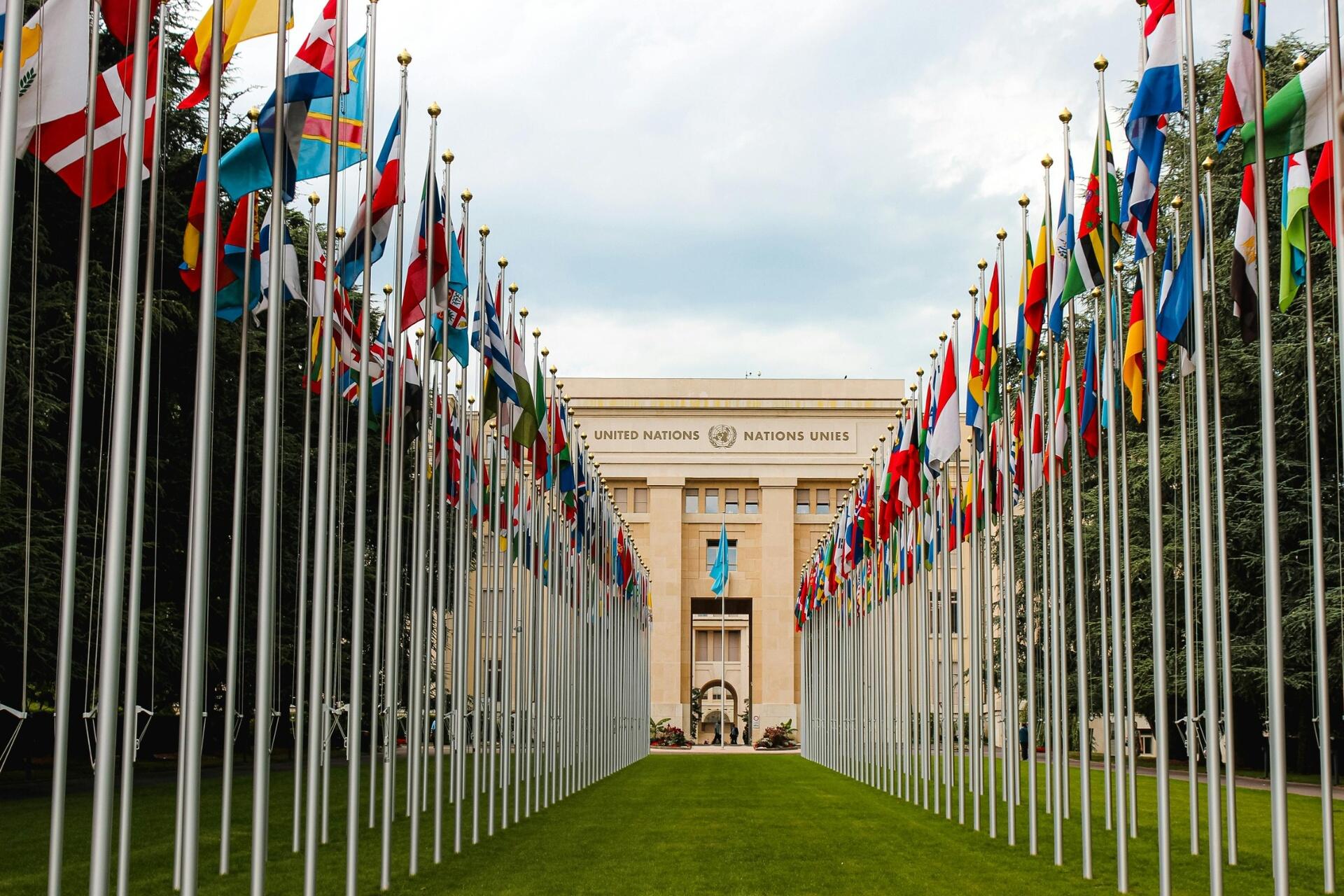
French is an official language in more than 25 countries and is widely used across Europe, Africa, North America, and parts of Asia. It also holds official status in major international organisations, including the United Nations, UNESCO, and the European Union. This global reach makes French proficiency a strong professional asset and allows educators to access teaching opportunities both locally and internationally.
High Demand for French Teaching Positions Worldwide
French remains one of the most learned foreign languages in the world. While many qualified professionals initially aim for school or university roles, the demand extends far beyond traditional classrooms. Today, educators can pursue part-time, full-time, or freelance French teaching positions in Singapore and overseas, depending on their career goals and availability.
Freelance Teaching and Career Flexibility
Becoming a freelance French teacher offers flexibility that traditional roles often cannot. Many educators begin freelancing alongside a full-time job, using it to supplement income and build experience. Over time, some transition fully into freelance work as their student base grows. This flexibility allows you to manage your schedule, choose your teaching format, and tailor lessons to individual learner needs.
French is one of the world’s most influential languages, spoken by over 300 million people globally and used as an official working language in major international organisations, driving sustained demand for French language professionals across education, diplomacy, business, and cultural sectors.
Cultural Enrichment and Personal Fulfilment
French is deeply connected to art, literature, history, and global culture. Teaching the language allows educators to share more than grammar and vocabulary it offers learners insight into French-speaking cultures and ways of life. For many tutors, this cultural exchange is one of the most rewarding aspects of building a French career.
Professional Growth Beyond the Classroom
Freelance French teaching encourages skill development beyond instruction. Tutors learn time management, communication, financial planning, and self-promotion, all essential for long-term career sustainability. These skills not only strengthen your teaching practice but also enhance your overall professional profile. For a deeper understanding of the skills, methodologies, and pathways involved, explore this guide on how to teach French as a second language.

Career Opportunities for French Language Professionals
A strong command of French can lead to diverse career paths across education, business, tourism, and international relations. While teaching remains a popular choice, French language professionals today have far more options than traditional classroom roles, especially with the rise of digital learning and global mobility.
Teaching and Education – French Teaching Positions and Teaching French in Singapore
Teaching is one of the most established and rewarding French career paths. French language professionals can work as school teachers, university lecturers, or private tutors, depending on their qualifications and experience. In Singapore, French teaching positions are available in international schools, language institutes, and through private tuition, where learners often study French for academic advancement, travel, or personal interest.
Beyond face-to-face roles, many educators now explore how to teach French online, allowing them to reach learners across borders while maintaining flexible schedules. This blend of in-person and online teaching makes education one of the most adaptable French career options.
Translation and Interpretation Careers for French Language Experts
French language professionals with strong written and spoken accuracy can pursue careers in translation and interpretation. These roles are востребованы across sectors such as legal services, media, healthcare, education, and international business. Translators typically focus on written content, while interpreters facilitate real-time communication, making both roles critical in multilingual environments.
This career path is especially suitable for professionals who enjoy precision, cultural nuance, and working behind the scenes to bridge language gaps.
International Business and Trade Roles Requiring French Proficiency
Many multinational companies operate across French-speaking markets in Europe, Africa, and Canada. French proficiency is a valuable asset in roles related to sales, client relations, marketing, supply chain management, and regional operations. Professionals who combine language skills with business knowledge often find opportunities in cross-border trade and international corporate environments.
In these roles, French supports negotiation, relationship-building, and effective communication with global partners.

| Image credit: Pixabay on Pexels


Tourism and Hospitality Careers Using French Language Skills
Tourism and hospitality offer dynamic career opportunities for French speakers, particularly in international destinations. Positions such as tour guides, hotel staff, airline representatives, and travel consultants benefit greatly from multilingual abilities. French-speaking professionals are often preferred when serving international travellers or working with global hospitality brands.
This path suits individuals who enjoy people-facing roles, cultural exchange, and fast-paced work environments.
Diplomatic Services and International Organisations
French remains a key working language in diplomacy and international cooperation. Careers in embassies, consulates, and international organisations often require proficiency in French alongside strong analytical and communication skills. These roles may involve policy support, international coordination, cultural liaison, or administrative functions.
For those interested in global affairs and long-term international careers, this pathway highlights the strategic value of French language expertise. To understand how French language skills support global mobility, financial planning, and adapting to different educational and cultural environments, explore this guide on French coaching overseas.
Qualifications and Skills Required for French Language Careers
Whether you are pursuing a role in education, translation, international business, tourism, or freelance tutoring, a successful French career is built on a combination of formal qualifications, language proficiency, and transferable professional skills. While teaching is one common pathway, these requirements apply broadly across many French-language professions.
Language Proficiency Certifications
Recognised language certifications play a crucial role in validating your French proficiency across professional settings. Certifications such as TCF (Test de Connaissance du Français), TEF (Test d’Évaluation de Français), and DALF (Diplôme Approfondi de Langue Française) are widely accepted indicators of language competence.
These qualifications are valuable not only for teaching roles, but also for careers in translation, diplomacy, international organisations, and multinational companies. They demonstrate your ability to communicate accurately, understand complex language structures, and operate professionally in French-speaking environments.
Educational Background
An academic background in French strengthens credibility and career prospects across sectors. Degrees in French language, literature, linguistics, education, or related humanities fields are commonly preferred for structured roles such as teaching, lecturing, translation, or cultural work.
That said, formal education does not limit career flexibility. Many freelance tutors and language professionals continue building their qualifications over time while gaining practical experience. In freelance and private tutoring contexts, strong subject knowledge combined with proven teaching ability can be just as impactful as formal degrees.

Additional Skills for Long-Term Career Success
Beyond qualifications, professional success in French-language careers depends heavily on practical and interpersonal skills.
- Cultural awareness and adaptability: Understanding Francophone cultures enhances effectiveness in teaching, tourism, diplomacy, and international business roles.
- Communication and interpersonal skills: Clear communication is essential whether you are teaching students, interpreting conversations, negotiating with clients, or assisting international travellers.
- Time management and self-discipline: These skills are particularly important for freelance professionals, who manage their own schedules, workloads, and career growth.
- Passion and continuous skill development: Staying motivated, keeping lessons or services engaging, and refining your expertise over time contribute significantly to long-term success.
For freelance tutors in particular, being attentive to learners, maintaining engaging sessions, and managing time effectively can help build a strong and sustainable student base. Many professionals choose platforms such as Superprof to support this journey, as it allows tutors to set their own schedules, work independently, and connect with learners seeking French as a second language.
French Proficiency Certifications and Requirements
| Certification | Issuing Body | Assessed Language Levels | Primary Purpose | Common Use Cases |
|---|---|---|---|---|
| DELF (Diplôme d’Études en Langue Française) | France Éducation international | A1–B2 (CEFR) | Certifies foundational to upper-intermediate French proficiency | Entry-level teaching roles, academic admission, language validation for work or study |
| DALF (Diplôme Approfondi de Langue Française) | France Éducation international | C1–C2 (CEFR) | Certifies advanced and near-native French proficiency | University teaching, translation, diplomacy, senior professional roles |
| TCF (Test de Connaissance du Français) | France Éducation international | A1–C2 (CEFR) | Standardised language proficiency assessment | Employment screening, academic placement, immigration and mobility purposes |
| TEF (Test d’Évaluation de Français) | Chambre de Commerce et d’Industrie de Paris | A1–C2 (CEFR) | Measures practical and professional French usage | Immigration, international employment, corporate language verification |
| FLE Teaching Certification (DAEFLE or equivalent) | Accredited French institutions | Teaching-focused (varies by programme) | Validates ability to teach French as a foreign language | Language institutes, private tutoring, freelance and online teaching |
How to Start Your Career in the French Language
Starting a career in the French language does not follow a single fixed path. Whether your goal is teaching, translation, international business, tourism, or freelance work, the early stages are about building credibility, gaining exposure, and positioning yourself for opportunities that match your strengths.
Education and Training
A strong foundation in French begins with structured learning. Enrolling in recognised language courses helps you develop accuracy, confidence, and professional-level communication. Many aspiring professionals also pursue degrees in the French language, literature, linguistics, education, or related fields to strengthen their academic and career prospects.
For those aiming to work in specialised fields such as teaching, translation, or international relations, combining formal education with recognised proficiency certifications can significantly improve employability.
Gaining Experience
Practical experience is essential when entering French-language professions. Volunteering, internships, and part-time roles allow you to apply your language skills in real-world contexts while building confidence and professional references.
This experience may include assisting language classes, supporting cultural organisations, helping with bilingual documentation, or taking on part-time tutoring roles. Freelance and online opportunities also provide valuable exposure, especially for professionals who want to test different career directions early on.
Networking and Professional Visibility
Networking plays a key role in building a sustainable French career. Joining professional associations, language communities, and cultural organisations allows you to connect with experienced professionals and stay informed about industry trends.
Attending language workshops, seminars, and cultural events can also help you refine your skills and discover opportunities that are not always advertised publicly. Strong professional relationships often lead to collaborations, referrals, and long-term career growth.
Job Search Strategies and Career Platforms
A focused job search strategy helps you identify roles that align with your skills and career goals. Job portals, language schools, international organisations, and multinational companies regularly advertise roles requiring French proficiency.
For freelance and private tutoring roles, online platforms such as Superprof allow professionals to connect directly with learners, set flexible schedules, and build independent careers. Using a combination of formal job listings and flexible platforms increases your chances of finding opportunities that suit both short-term and long-term goals.
Teaching French Online: A Growing Opportunity
Teaching French online has become one of the fastest-growing pathways within French language careers. Advances in digital learning, global connectivity, and flexible work models have made it easier than ever for French speakers to teach learners across borders. For many professionals, online teaching offers a practical way to build experience, supplement income, or even establish a full-time career.
Platforms and Opportunities for Online French Teaching
A wide range of online platforms now connect French tutors with learners worldwide. Established language organisations such as Berlitz focus on structured programmes and corporate training, while platforms like Preply allow tutors to work independently with students of varying levels and goals.
Other niche platforms, including French Faster, cater to learners seeking targeted or accelerated language instruction. These platforms offer opportunities to teach conversational French, exam preparation, or professional French, depending on your expertise and interests.
Requirements and Benefits of Teaching French Online
Teaching French online typically requires a stable internet connection, a computer or tablet, a webcam, and basic familiarity with video conferencing tools. Many platforms also expect tutors to prepare digital learning materials and adapt lessons for remote delivery.
The benefits, however, are significant. Online teaching offers flexibility in scheduling, the ability to work from anywhere, and access to a global student base. Earning potential varies based on experience, platform structure, and lesson format, but many tutors value the balance between income, independence, and professional growth.
Teaching French Online Without a Degree
One of the most appealing aspects of online French teaching is its accessibility. Teaching French online without a degree is possible on many platforms, particularly for conversational, beginner, or informal learning roles. What matters most is fluency, clear communication, and the ability to engage learners effectively. To explore how teaching French abroad, including online opportunities, can broaden your career internationally, check out this guide on teaching French in another country.
Many tutors begin teaching without formal qualifications and later choose to pursue certifications or training as their careers develop. This flexible entry point makes online teaching an attractive option for native speakers, bilingual professionals, and those transitioning into French-related careers.
Challenges and How to Overcome Them
Like any specialised career path, working in the French language comes with its own set of challenges. The good news is that most of these obstacles can be addressed with the right strategies, mindset, and long-term planning.
Maintaining and Advancing Language Proficiency
One of the most common challenges for French language professionals is maintaining a high level of proficiency over time. Language skills can plateau or decline without regular use, especially in non-immersive environments.
How to overcome it: Commit to continuous learning and regular practice. This may include reading French media, listening to podcasts, watching films, or engaging in professional conversations in French. Advanced learners can benefit from specialised vocabulary training related to their field, such as business, legal, or academic French, to stay professionally relevant.
Navigating Cultural Differences
Understanding French culture goes beyond language mechanics. Cultural nuances influence communication styles, professional expectations, and social interactions, particularly in roles involving international collaboration or client-facing work.
How to overcome it: Immerse yourself in French culture through literature, film, current affairs, and cultural events. Engaging with native speakers and multicultural environments helps build cultural sensitivity, which is especially valuable in teaching, tourism, diplomacy, and international business roles.
Standing Out in a Competitive Job Market
As French remains a popular and widely studied language, competition for roles can be strong, particularly in teaching, translation, and international organisations. Candidates with similar qualifications may apply for the same opportunities.
How to overcome it: Focus on building a strong, targeted resume that highlights both language proficiency and transferable skills. Gaining diverse experience through internships, freelance work, online roles, or cross-functional projects can help differentiate your profile. Combining French skills with another area of expertise—such as education, business, or technology- also strengthens long-term employability.
💼 Which of the following career paths would you most like to pursue using your French language skills?
Success Stories
Many well-known professionals have built influential careers by leveraging their French language skills across education, diplomacy, literature, and global culture. Their journeys show that French is not limited to one profession, but acts as a gateway to international influence and long-term professional relevance.
French as a Tool for Global Influence
The importance of French in international communication is well-documented through leaders, writers, and educators who have used the language to shape global dialogue.
“To learn a language is to have one more window from which to look at the world.”
— Chinese proverb, frequently cited in language education and UNESCO publications
French in Culture, Education, and International Thought
French writers and intellectuals have long highlighted the power of language in shaping ideas, diplomacy, and education worldwide.
“The French language is clarity itself.”
— Victor Hugo
Victor Hugo’s influence extended far beyond literature. His works helped establish French as a global cultural language, studied and taught internationally to this day. His legacy reflects how mastery of French can support careers in education, publishing, cultural institutions, and global thought leadership.
Modern Educational and Cultural Impact
French language institutions continue to shape careers worldwide by supporting educators, translators, and cultural professionals.
“Language is not only a means of communication, but it is also a vehicle of culture and identity.”
— UNESCO, language and education policy statements
This perspective reflects the experiences of many modern French language professionals working in international organisations, education systems, and cultural missions, where French remains a key working language.
Conclusion
A career in the French language offers far more than a single professional destination. From education and translation to international business, diplomacy, tourism, and cultural engagement, French proficiency enables long-term career flexibility and global relevance.
The experiences of real educators, writers, and international institutions demonstrate that success in a French career is built through continuous learning, cultural understanding, and adaptability. For individuals willing to invest in their language skills and professional development, French remains a powerful asset that opens doors across borders, industries, and cultures. To better understand the lasting global value of the language, explore these reasons to learn French.
References
- British Council. (2017). Languages for the future: Which languages the UK needs most and why [PDF]. British Council. Retrieved from https://www.britishcouncil.org/sites/default/files/languages_for_the_future_2017.pdf
- France Éducation international. (n.d.). Our diplomas and language tests (DELF, DALF, TCF). Retrieved from https://www.france-education-international.fr/en/hub/diplomes-tests?langue=en
- International Organisation of La Francophonie. (n.d.). Organisation internationale de la Francophonie (OIF). Retrieved from https://www.francophonie.org/francophonie-brief-1763
- UNESCO. (n.d.). International Francophonie Day. Retrieved from https://www.unesco.org/en/days/francophonie
Summarise with AI:
Did you like this article? Leave a rating!

 Loading...

