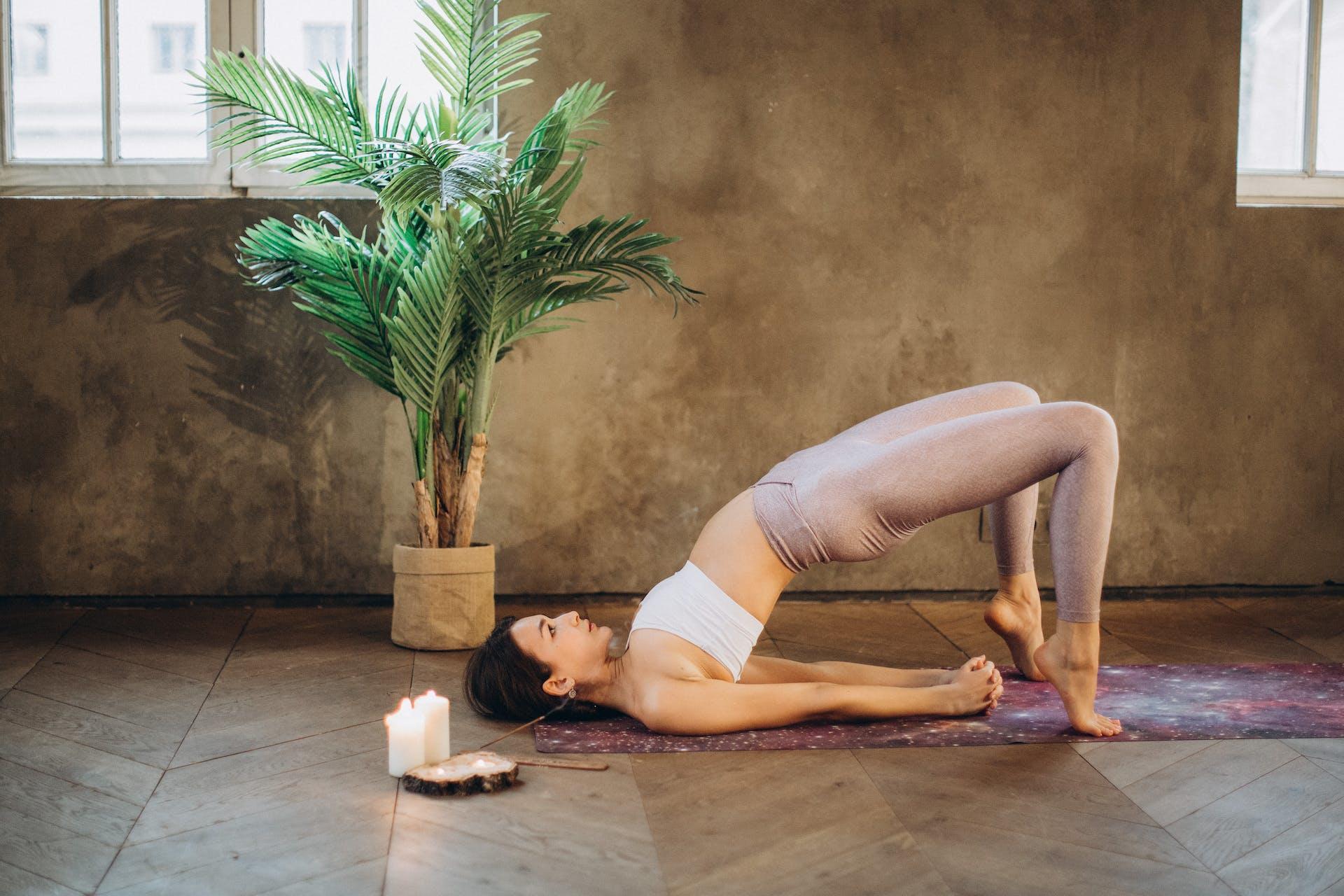

Vedic Yoga was the first instance of formal rules of a yogic practice. It was converted from aural teachings to text when the Rig Veda was written, sometime around 1500 to 1000 BCE in the Indian subcontinent.
From here, all other styles of yoga have evolved – and there are many!
While Vedic Yoga is still a style that you can learn about and practice, it’s not very common anymore. Instead, the different aspects of Vedic Yoga have each been examined and emphasized, creating the different styles of yoga that allow practitioners to explore the specific aspects of yoga that they want or need in their lives.
The evolution of yoga was also heavily influenced in 200 CE when Sage Patanjali wrote about the Eight Limbs of Yoga in the Yoga Sutras (this is known as the Ashtanga Yoga System).
So, what are the differences and similarities between the most common types of yoga practised in the world today and how can you choose the style that’s right for you? Let’s dive in!






The Top 20 Most Common Styles of Yoga
While there are many, many other yoga styles beyond what we will discuss today, many of them are very niche, meaning it’s difficult to find instructors or classes to teach them, as well as reliable information online.
It’s also important to note that only certain types of yoga, like Iyengar and Ashtanga, have a strict set of rules. This means that other class types can vary widely depending on the studio and instructor, so it’s important to explore different yoga providers in your yoga journey and find a teacher who resonates with you!
Here are the top 20 styles of yoga, as well as some honourable mentions, that you can explore!
1. Hatha
Hatha Yoga is the most popular type of yoga in the world by far at this point. It’s actually an umbrella term that encompasses any style of yoga that uses movement and postures (asana) with breathing (pranayama). This means that Vinyasa, Iyengar, Yin, Hot, Kundalini, etc are all Hatha styles of yoga.
In a Hatha class (of any sub-style), you will be led through a series of asanas and prompted to practice breathing techniques, even if the technique is just to be aware of your breath. In the name Hatha, “Ha” means “Sun” and “Tha” means “Moon”, which refers to movement (sun energy) and breath (moon energy). When you practice Hatha, you’re uniting these two aspects to work in harmony and create a yogic experience which truly yolks the body and mind (which is the definition of “yoga”!).
2. Ashtanga
Ashtanga Yoga was developed by Sage Patanjali, who expanded on the ideas of Vedic Yoga and created an Eightfold Path for yogis to pursue. Two of these paths are asana and pranayama, which are the elements that makeup Hatha Yoga, as we just learned.
In the 1930s and 1940s, K. Pattabhi Jois popularized this style of yoga. While Ashtanga Yoga today is likely to focus entirely, or almost entirely, on these two aspects, remember that a holistic Ashtanga practice encompasses six other paths that influence a yogi’s entire life, not just the time they spend on the mat!
Ashtanga yoga is also considered a type of Vinyasa Yoga, which means that the poses flow into one another with transitions as opposed to performing them in a disjointed manner. Early Ashtanga classes were mostly Mysore style, meaning that each student had memorized the sequence and would practice at their own pace, even in a room full of other yogis doing the same sequence.
Pattabhi Jois popularized the often-used style of today, which is group classes led in unison by an instructor. Ashtanga classes generally follow the same format: 5 repetitions of Surya Namaskar A, B or C, a standing portion, another series of movements from a set of 6 choices, and lastly, a standard closing segment.
In traditional Ashtanga classes, there is typically one “right” way to practice the asana and pranayama because it’s a discipline method, making it a difficult choice for yogis who prefer to be more free-spirited. But, you can find many new-age classes that take into account different people’s mobility and ability more.
3. Iyengar
B.K.S. Iyengar was a famed yogi who developed a new style of yoga that differed from the standard style at the time, Ashtanga. He developed a more prescriptive style of yoga from what he learned in Ashtanga and reframed the asana as well as the pace of the classes to help people with specific concerns. Iyengar himself was a very sickly child who was not expected to live a long, full life due to multiple health problems.
However, after he began learning and practising Ashtanga from his teacher(s) Krishnamacharya and K. Pattabhi Jois, he found that he felt healthier and was able to function better, and he ultimately passed away in 2014 at the age of 95.
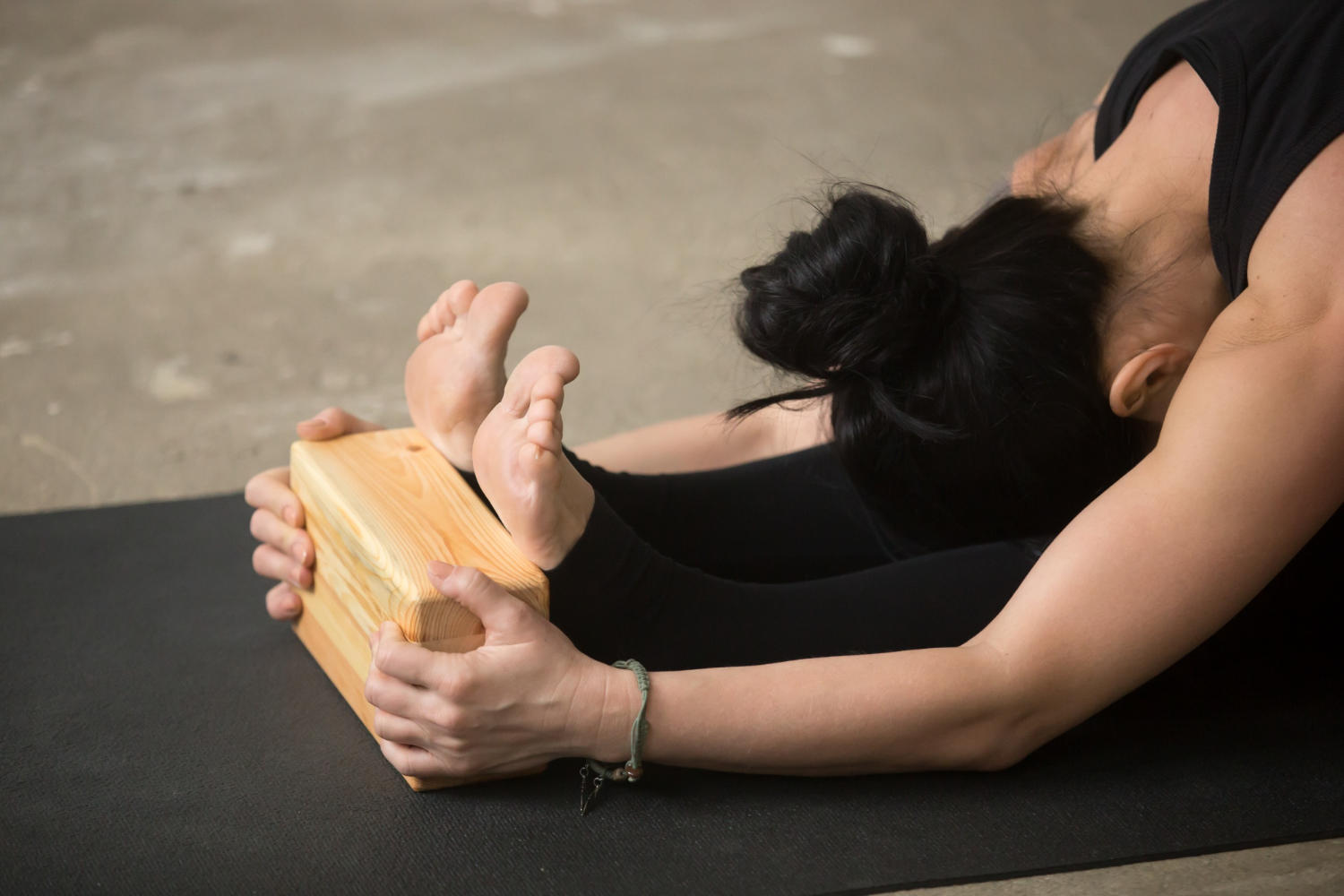
Iyengar yoga focuses mostly on the alignment of the body and using props to help people reach the proper alignment, regardless of their body proportions, flexibility, and mobility. Iyengar himself was proportioned much differently than most people, with very long limbs and a very short torso. Due to his recognition of bodily differences, Iyengar yoga popularized the use of props like blocks, straps, bolsters, and chairs.
Iyengar Yoga tends to not contain Vinyasa (flowing) movements and instead is a series of postures held for a longer time, allowing the yogi to sink into the shape and experiment with subtle changes.
4. Vinyasa
Vinyasa Yoga is characterized by sequences of movements that flow into one another. There are little to no disjointed movements in a typical Vinyasa class. A good example of a Vinyasa sequence is Surya Namaskar, where all the poses follow a logical progression into the next step. It’s also vital that movements are performed in tandem with the breath; using the inhales and exhales as tools to increase the effectiveness of the asana.
For example, when you’re practising cat-cow it only makes sense to drop the belly and open the chest while inhaling, and contract the lungs and arch the back while exhaling. Vinyasa follows the same idea throughout the entire practice.
Vinyasa classes vary in difficulty and are a great way for new yogis to learn more about the fundamentals of asana and pranayama as well as the benefits of yoga!
5. Hot (Bikram)
This style was exclusively known as Bikram Yoga, after Bikram Choudhury who developed the style in 1974. However, Choudhury was at the centre of many abuse allegations in 2014 and was even found guilty of many allegations. Therefore, many instructors and studios choose to call the classes Hot Yoga instead of Bikram.
Bikram Yoga is also a strict set of 26 postures, similar to Ashtanga, and to teach Bikram-branded classes, instructors need specific training and licensure.
Hot yoga can be similar to Bikram but without the branding. Most Hot Yoga classes are Vinyasa classes that take place in an artificially heated room, between 35-37℃, with a humidity of 40% or higher. Some Hot Yoga classes can have a different format, like Yin, Power, or Hatha.
The point is to allow the muscles, tendons, and other connective tissues in the body to be more pliable since heat allows these body structures to stretch much farther than they can when they are cool. The combination of heat, humidity, and physical exertion also makes the yogi sweat profusely, which is meant to promote detoxification and weight loss. It’s important to bring water with you to class and drink it often!
Warm Yoga
A milder version of hot yoga is warm yoga, which follows the same principles as Hot Yoga, except that the room is 26-30℃ which is helpful for people who have poor reactions to intense heat.
6. Yin
This relaxing style of yoga is meant to encourage stretching in the deeper tissues of the body. Similar to how Iyengar Yoga is slower than Ashtanga to allow the yogi to settle into the pose, Yin is even slower. Most Yin poses consist of a supported posture (using pillows, blocks, straps, and more) that allows the yogi to sink into a very deep stretch over 45 seconds to 2 minutes.
Typically, the poses are inactive, allowing the yogi to completely relax while using their body weight to stretch further. Yin Yoga classes typically consist of 10-15 poses with lots of breathing and bodily focus, consciously willing different muscles, tendons, and fascia to relax and stretch.
7. Yinyasa
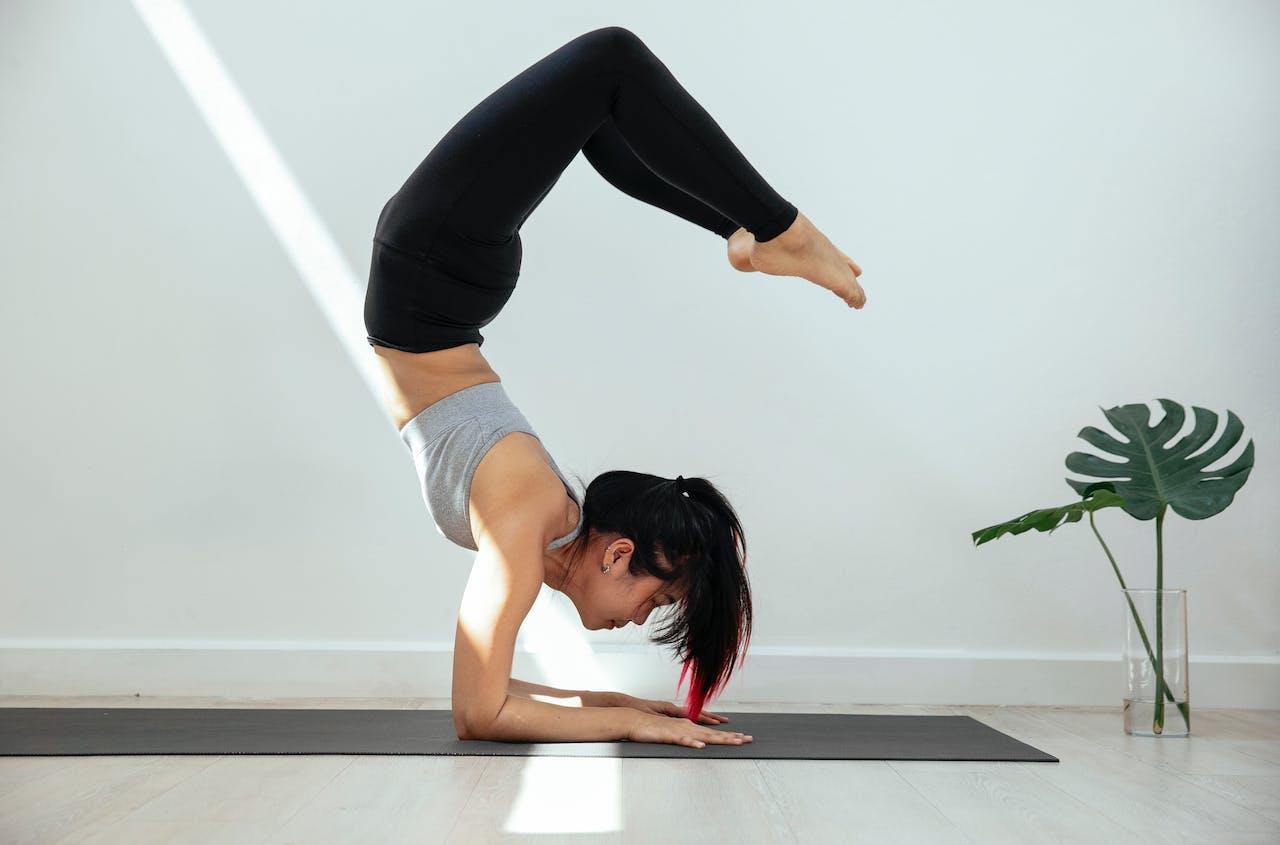
A combination of Yin and Vinyasa styles, Yinyasa Yoga classes are typically a mixture of active sequences to “wake the body up” followed by the classical Yin poses for deep stretching. It’s a fantastic mix of active and passive movements for increased flexibility and mobility, combining strength practice with surrender.
8. Restorative
Restorative Yoga is similar to Yin in that the poses are slow and supported, but the intention of the practice is different. In Yin, you’re mostly focusing on stretching the physical body. In Restorative Yoga, the focus is on soothing the mind and the body. More emphasis is placed on breathing to help clear the mind, instead of breathing to help the body stretch into a new position.
Restorative Yoga is perfect for winding down after a stressful day, recovering from an illness, or self-soothing during difficult emotional states because it aims to settle the mind and body for optimal relaxation.
9. Power
Similar to Ashtanga, Power Yoga is focused on strength and endurance. Unlike Ashtanga, the yoga poses are more strength-focused with fewer flexibility asanas mixed in. People who practice Power Yoga are usually focused on getting stronger, leaner, and more toned. It can also help with balance a lot since many strengthening postures rely on balance.
Most Power Classes are in a Vinyasa style with poses flowing in a sequence.
10. Kundalini
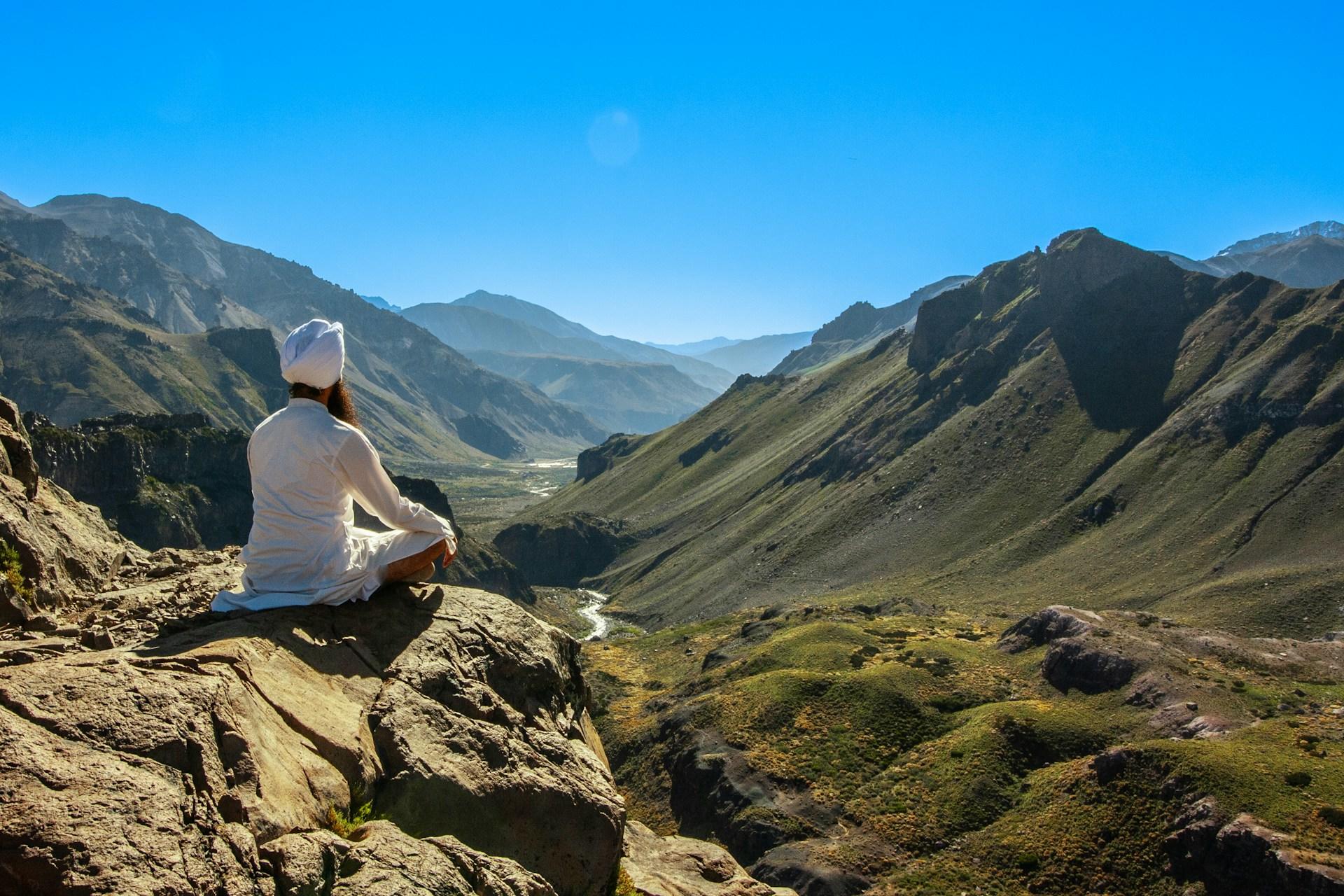
Kundalini Yoga is unique from the previous types of yoga because it focuses on asana and pranayama while also incorporating mantra (chanting), meditation, and singing throughout the practice. Kundalini was popularized by Yogi Bhajan in the 1970s, making it a relatively new style of yoga in the West. Before that, it was even promoted by psychiatrist and psychoanalyst Carl Jung.
“Kundal” means “coiled energy” in Sanskrit, and the practice revolves around the idea that our energy sits at the base of our spine. The goal of the Kriyas (specific sequences of asanas combined with pranayama or meditation) in Kundalini is to help shed old energy like too-small snakeskin and allow the Kundalini energy to flow throughout the body freely.
Kundalini is about self-study, self-awareness, and connecting with spiritual energy. It focuses on the subtle energies of the body, like chakras and nadis. It uses many different breathing techniques, some of which may not be possible for people with certain medical conditions.
11. Prenatal
Prenatal Yoga can be practised by expecting parents throughout their entire pregnancy. Qualified Prenatal Yoga instructors know how to help expecting mothers move safely and practice asanas and pranayama that help prepare the body and mind for the remainder of pregnancy and birth. It can help ensure better birth outcomes including reducing the risk of preterm birth, the likeness of Cesarean section, and reducing the infant and mother mortality rate.
Practising prenatal yoga can help improve birth outcomes for both mom and baby.
12. Postnatal (Postpartum)
After baby is born, many mothers like to join Postnatal Yoga classes to help them transition their body back to normal. Whether you experienced a natural birth or a C-section, postnatal yoga can help heal the body faster and prevent many postpartum woes like back pain, abdominal muscle looseness and separation (diastasis recti), pelvic floor problems, milk production, postpartum depression symptoms, and overall health and wellness.
13. Parent & Baby
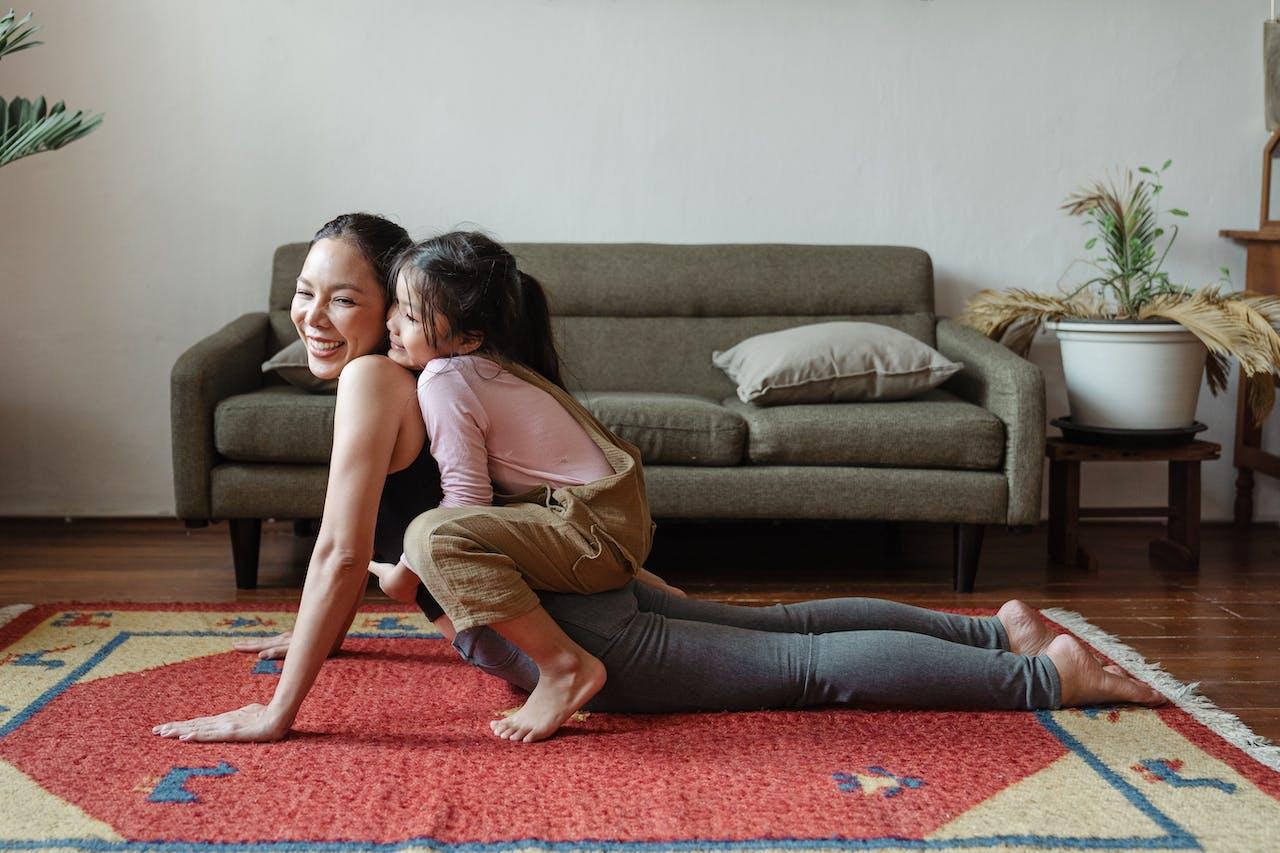
Mommy & Me classes are a popular sight at many yoga studios, but most Parent & Baby Yoga classes are welcoming to dads, too! This gentle style of yoga helps strengthen the bond between babies and their parent(s) through fun and easy poses and movements.
14. Partner
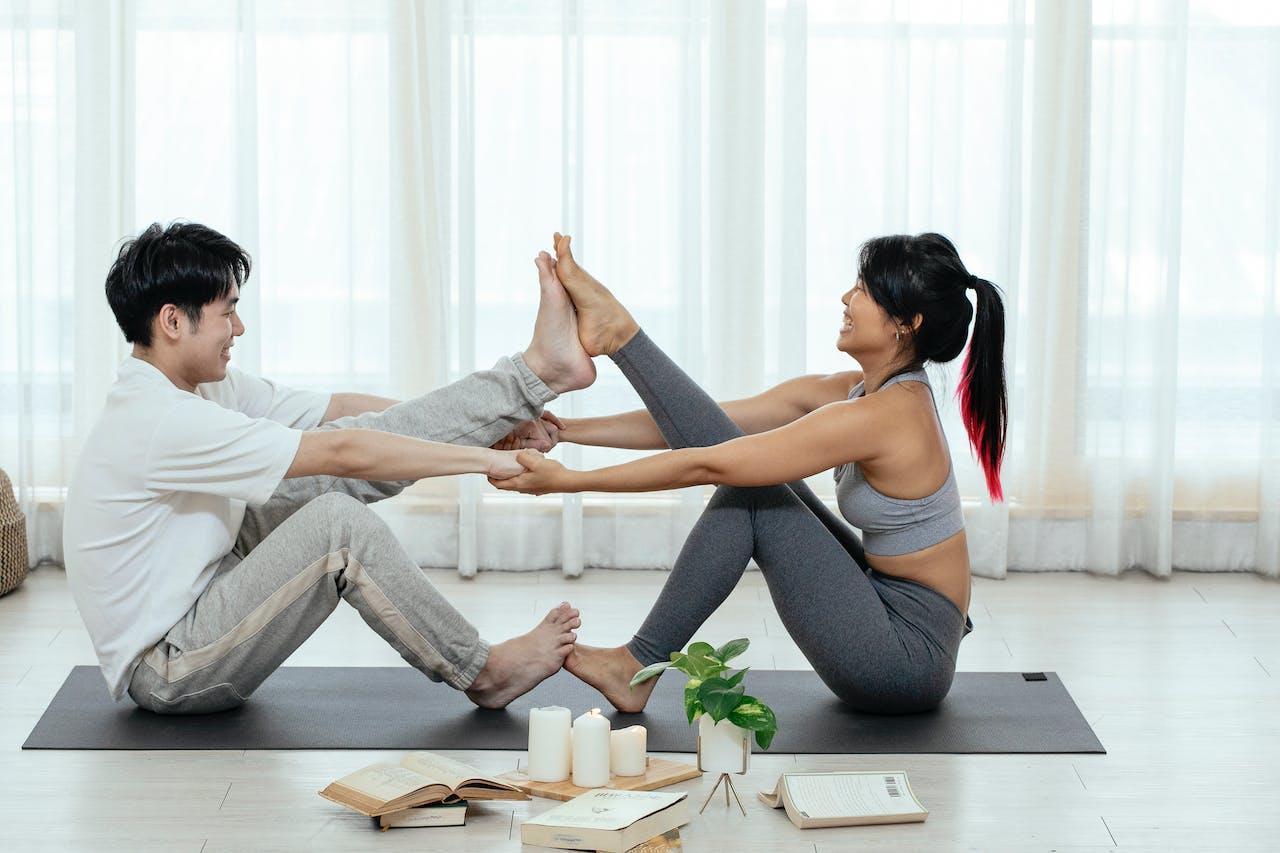
Partner Yoga classes can range from easy to intermediate, depending on the experience of the partners and their synergy when practising yoga together. Partner yoga classes are usually not in Vinyasa style, since the teacher needs to explain how to safely get in and out of each pose to the yogis in attendance. It’s a great way to feel closer to your yoga partner, so many people attend as couples or friends.
15. AcroYoga
If you’re naturally very flexible, this is the perfect class for you! AcroYoga combines acrobatics and gymnastics with yoga. When you see someone on Instagram with their chin on the floor and their head between their ankles, this is likely the style of yoga they are practising.
Many AcroYoga poses require you to work with a partner as you enter and exit the poses safely, so for more intensive partner yoga, you can join this type of class!
16. Aerial
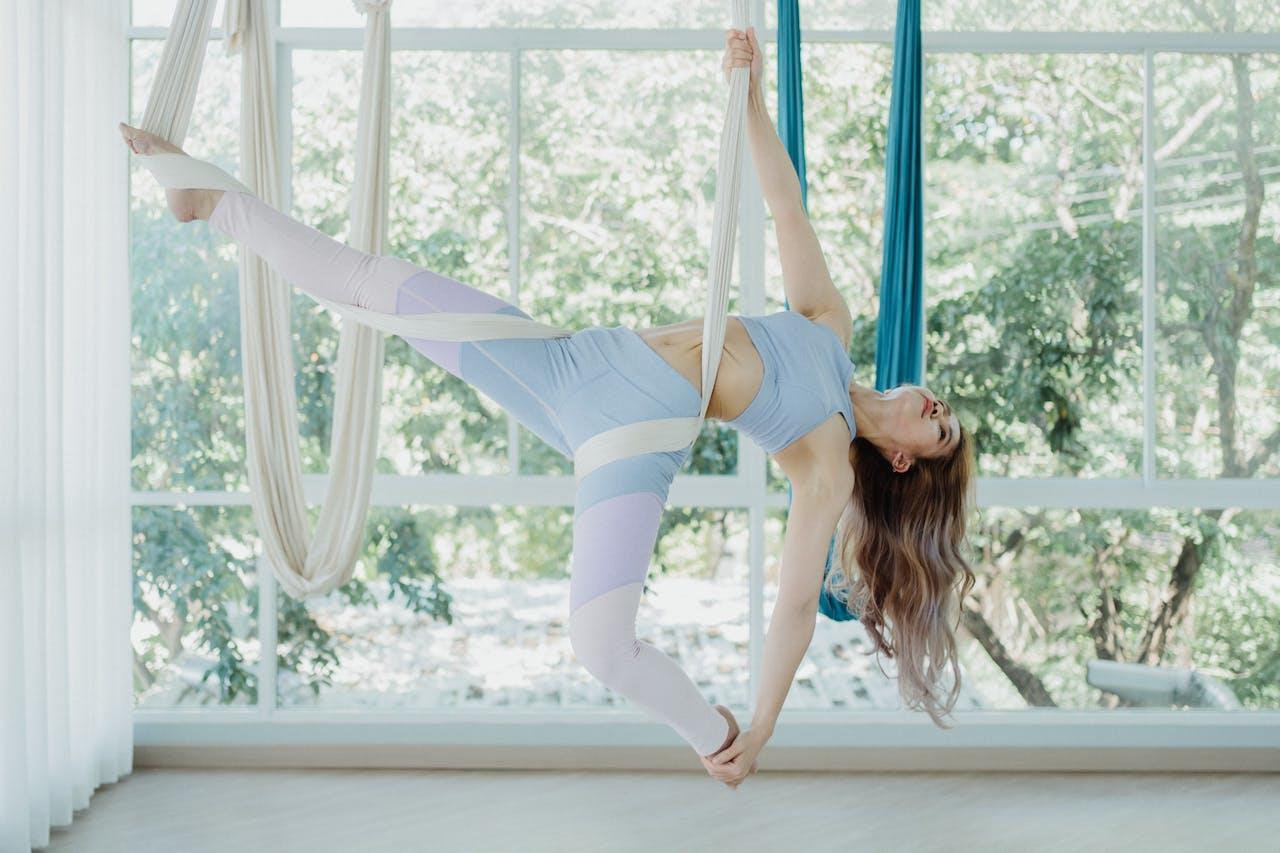
Aerial Yoga consists of using aerial silks; long strands of fabric hanging from hooks on the ceiling. The silks make a hammock shape at the bottom, and by twisting the silk around and securing it in different ways on the body, you can suspend yourself in the air while performing asanas! It allows for relaxing inversions since you can be completely upside down without having to exert any energy.
The pace of this class is slow since the instructor needs to carefully direct each yogi safely when securing their knots and binds. The class typically ends with the yogis laying peacefully in their hammocks, which most people describe as feeling like being in a cosy womb, away from the rest of the world.
17. Yogilates / Pilates Yoga
Yogilates is a combination of Yoga and Pilates which was created in 1977 by Jonathan Urla. In Yogilates, you’ll find many yoga exercises that are meant to be like a traditional workout class with a Hatha Yoga twist. Yogilates classes primarily focus on the core-strengthening aspects of Pilates with the flexibility and mindfulness aspects of Yoga.
To be a Yogilates-branded class, the instructor must go through Yolgiates training and testing. Pilates Yoga classes are unbranded Yogilated classes.
18. Sivananda
Sivananda Yoga was founded in 1959 by Vishnudevananda, a famous yoga guru who helped spread yoga’s popularity with the West. He named this style of yoga after his own guru, Sivananda Saraswati.
Sivananda Yoga is a holistic yoga system consisting of combining the Four Paths of Yoga (Karma, Kriya/Raja, Bhakti, Jnana/Gnana) and the Five Points as defined by Vishnudevananda. The entire premise is to be closely aligned with the core principles of Hatha Yoga while spreading messages of peace and being of service to others.
Sivananda Yoga classes typically start with chanting mantra and pranayama, followed by a warm-up sequence like Surya Namaskar, then the 12 asanas in the Sivananda style, and ending with savasana and closing chants.
19. Jivamukti
Jivamukti Yoga was founded in 1984 by Sharon Ganon and David Life and has seen a surge in interest in recent years. Like many other styles of yoga, it is holistic, meaning that practitioners live the principles in their daily lives. There are five main tenets in Jivamukti Yoga which promote many of the same ideals as the Yamas and Niyamas in the school of Ashtanga Yoga, including personal health, devotion, and non-violence.
A typical Jivamukti class consists of vigorous Vinyasa and meditation. Many celebrities say they practice this style of yoga.
20. Anusara
Anusara Yoga is also seeing a surge in interest. This heart-centred practice was developed in 1997 by John Friend, who combined Iyengar Hatha yoga styles with Hindu spirituality to introduce the Hindu influence of yoga to Westerners.
It’s similar to Iyengar Yoga but also includes more emphasis on the spirituality of Yoga.
It’s important to note that John Friend resigned from teaching Anusara Yoga and gave the rights to The Anusara School of Hatha Yoga (ASHY) in 2017, following abuse allegations.
Other Notable Types of Yoga
While still not an exhaustive list, here are some of the other popular types of yoga.
SUP (Stand-Up Paddleboard)
Performed on a paddleboard in gentle or still waters.
Kripalu
A welcoming atmosphere that uses a combination of Eastern philosophy and Western science meant to help increase health.
Sudarshan Kriya
A pranayama-focused practice meant to enhance mental clarity and wellbeing.
Viniyoga
Therapeutic and prescriptive asana, pranayama, meditation, and more to help individuals with specific concerns.
Tantra
Contrary to popular belief, Tantra is not all about sex. Tantra Yoga is the study of the Universe (macrocosm) through the body (microcosm) by focusing on subtle energies and spirituality.
Buti
A combination of plyometrics, tribal-style dance, and yoga is meant to increase strength and provide a workout.
Laughing
Laughing Yoga is very niche. Essentially, the instructor provides a safe space for everyone to pretend to laugh until they start laughing for real!
| Style | Features | Levels | What It's Good For |
|---|---|---|---|
| Hatha | All styles that use movement and breathing together | All | Strength, balance, relaxation, meditation, flexibility, mobility, general wellness |
| Iyengar | Asana with props used in a prescriptive way to help specific concerns | All | Flexibility, balance, pain management, strength, mobility, meditation |
| Ashtanga | Strict set of asana sequences combined with pranayama | Intermediate to Advanced | Strength, stamina, breath control, balance, meditation, discipline, flexibility |
| Vinyasa | Flowing asana at various levels for a less rigid practice | All | Flexibility, balance, mobility, strength, stamina, meditation, general wellness |
| Yin | Deep postures held for minutes at a time, meant to engage deeper-level body structures | All | Flexibility, mobility, pain management, meditation, discipline |
| Yinyasa | A mixture of Vinyasa and Yin | All | Active strength and flexibility, passive flexibility and mobility, meditation, discipline |
| Restorative | Relaxing poses for mind and body soothing | Beginner | Flexibility, relaxation, meditation |
| Power | A spinoff of Ashtanga, focuses on poses and sequences that challenge physical and even mental strength | Intermediate to Advanced | Strength, balance, discipline, flexibility, mobility, breath control, weight loss |
| Hot (Bikram) | Ashtanga/vinyasa style sequences in a hot room, meant to allow deeper stretching in the muscles and ligaments | Intermediate to Advanced | Strength, discipline, balance, flexibility, mobility, breath control, weight loss |
| Kundalini | Sequences (called Kriyas) that use asana, medication, and vigorous pranayama | All | Breath control, spirituality, self-awareness, strength, flexibility |
| Prenatal | Gentle poses specifically for pregnancy | Beginner | Relaxation, preparation for birth, connection with unborn baby |
| Post-natal | Gentle poses for strengthening a postpartum body | Beginner | Strength, relaxation, mood enhancement |
| Parent & Baby | Fun, easy, slow, gentle movements for babies and parents to connect and bond | Beginner | Family fun, bonding with baby and partner |
| Partner | Asanas that allow two people to participate and increase connection and trust | Beginner to Intermediate | Relationship strengthening, relaxation, fun |
| AcroYoga | Partner asanas that allow for extreme flexibiltiy | Intermediate to Advanced | Flexibility, mobility, balance, body control |
| Aerial | Using aerial silks to perform asana while suspended in the air | All | Change of perspective, easy inverisons and spinal stretching, relaxation, fun, strength |
| Yogilates | A comination of Pilates and Yoga | All | Strength, balance, flexibility |
| Sivananda | A spiritual type of Vinyasa Yoga | All | Strength, flexibility, balance, spirituality, relaxation |
| Jivamukti | A spiritual type of Vinyasa Yoga | Intermediate to Advanced | Strength, flexibility, balance, spirituality, relaxation |
| Anusara | A spiritual type of Hatha Yoga | All | Strength, flexibility, balance, spirituality, relaxation |
| SUP | Simple Vinyasa and Iyengar style performed on a Stand-Up Paddleboard, challenging balance | Intermediate to Advanced | Strength, balance, body control, fun, relaxation |
| Kripalu | Hatha Yoga styles that emphasize non-judgment and acceptance | All | Strength, flexibility, balance, spirituality, relaxation |
| Sudarshan Kriya | Pranayama-focused class | All | Meditation, breath control, mental health, spirituality |
| Viniyoga | Adaptive yoga style for indivduals' specific needs | All | Meditation, mental health, spirituality, strength, flexibility, pain management, wellness |
| Tantra | Focus on the subtle energies and spirituality to understand the nature of the Universe | All | Meditation, breath control, mental health, spirituality, strength, flexibility |
| Buti | An intense dance, plyometric, yoga fusion workout | Intermediate to Advanced | Strength, endurance, spirituality, weight loss |
| Laughter | A safe space for laughing and releasing stress | All | Fun, meditation, mental health, wellness |
How to Find a Yoga Instructor for the Style You Want to Practice
Yoga classes are easy to find in this modern age; you can easily search for studios and instructors near you who teach the style(s) of yoga class(es) that you want to take!
Some studios and teachers even offer online classes, making it easy to attend from wherever you are! Virtual yoga classes are extremely convenient when you want to learn from a specific instructor or learn a specific style of yoga that isn’t available at your local yoga studios.
Search online on Superprof for any style of yoga and any type of teacher, and you are bound to find a perfect match!
Start your yoga journey today with thousands of qualified yoga instructors at your fingertips.
Summarise with AI:
Did you like this article? Leave a rating!

 Loading...