
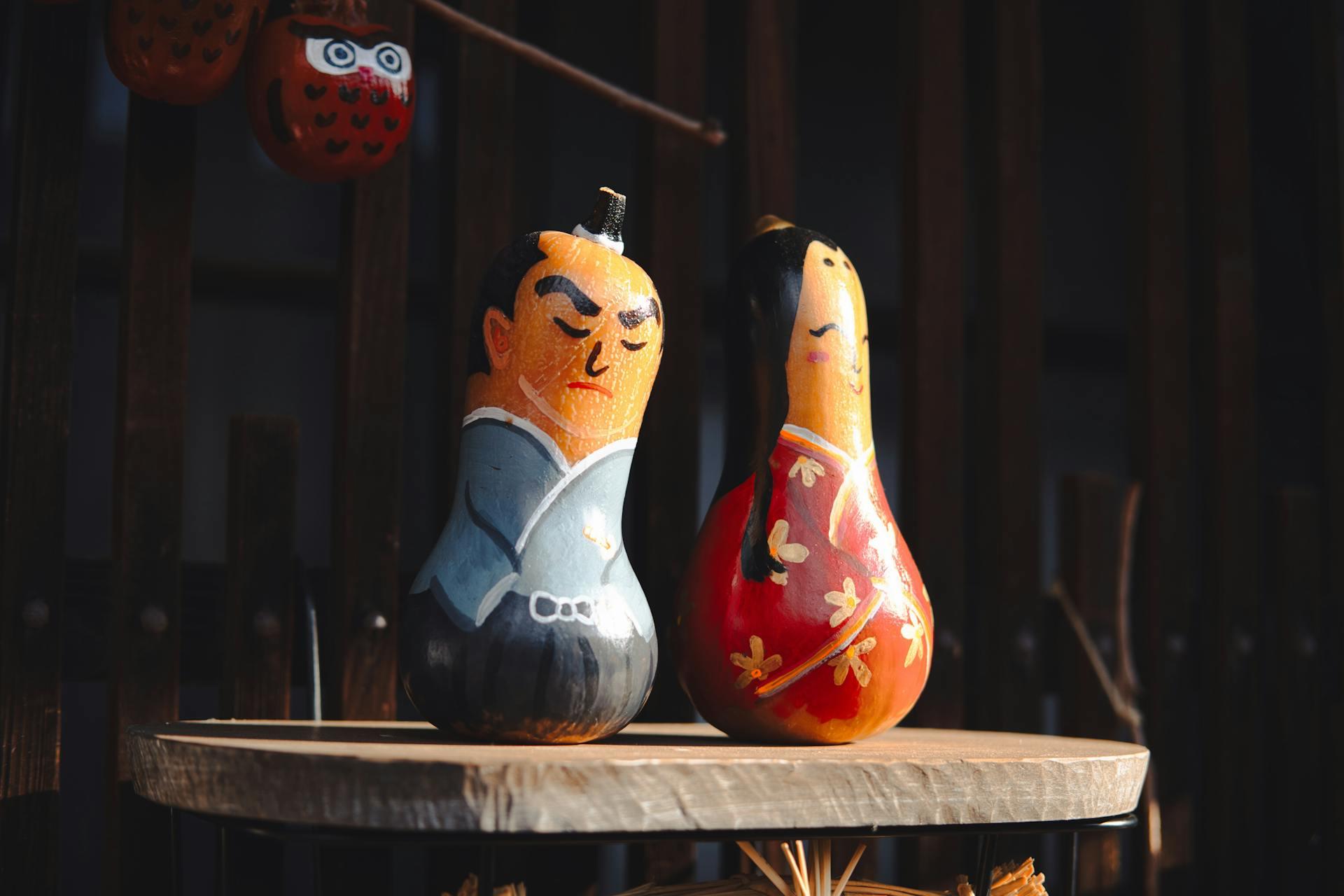

Japan has firmly established itself as a global cultural powerhouse in the 21st century, commanding influence over worldwide trends with its iconic exports such as anime, manga, fashion, and cutting-edge technology. The allure of Japanese culture lies in its seamless fusion of traditional elements with modern twists, blending ancient customs with cutting-edge innovations and entertaining media. The 'Cool Japan' movement is gaining momentum globally, with people from all walks of life embracing Japanese food, entertainment, and lifestyle.
Understanding the Japanese language can make a big difference in getting into Japanese cultural exports. It helps uncover the subtleties and original meanings behind things. When you learn Japanese, you can connect better with media, literature, and art, making the whole experience more genuine. Plus, it boosts relationships on both personal and professional levels, enriching interactions across cultures. This article looks at the various Japanese cultural exports and emphasises why knowing the language is key to fully enjoying what they offer.





Japanese Manga & Anime
Japan has definitely made its mark on global pop culture, especially with manga and anime. Characters like Doraemon, Naruto, and Sailor Moon are well-known and can be compared to Mickey Mouse or Goofy in terms of popularity. You can find them on all kinds of stuff, from backpacks to pencil cases and water bottles, all over the world.
What is Manga?
Manga refers to comic books and graphic novels that originated in Japan. Unlike American comics, manga is mostly printed in black and white, with colour versions saved for special releases.
Manga is read from right to left, which may take some getting used to for readers familiar with English publications. In Japan, manga is frequently published in magazines on a weekly or monthly basis. Most manga series are long-running and should be read in order. These are some suggestions of Mangas you can explore:
Vagabond
Vagabond is an engaging historical fiction manga by Takehiko Inoue that takes you on an adventure through the life of the legendary 17th-century swordsman, Miyamoto Musashi. It's known for its realistic artwork, deep themes, and exciting sword fights. People love it for its ability to capture Japanese history and culture.
Dragon Ball
Before it became the huge anime we know today, Dragon Ball started out as a manga series that ran from 1984 to 1995. It follows Goku, a boy with a monkey tail, and his friend Bulma as they go on a wild adventure to find the dragon balls. Collecting all seven of these orbs lets you call forth a dragon that can grant wishes. Naturally, everyone wants dragon balls, which leads to all kinds of funny situations with a bunch of cleverly named foes.
What is Anime?
Anime is a unique form of storytelling through animation that has captivated fans worldwide. These shows stand out from Western cartoons with their distinct characters, thrilling plots, and unparalleled art style.
The word 'anime' usually brings to mind popular shows like Dragon Ball Z and Sailor Moon, which took off in the West during the 90s. When a manga gets popular, it often becomes an anime, just like Dragon Ball and Sailor Moon did. On the flip side, sometimes an original anime that’s a hit gets made into a manga. But just to clarify, anime and manga aren’t the same thing. Here are some suggestions of famous anime you could watch:
Samurai Champloo
Directed by Shinichiro Watanabe, Samurai Champloo is a visually astounding samurai series that follows the characters Mugen, Jin, and Fuu. The story takes you through Edo-period Japan as they search for the "samurai who smells like sunflowers," which is Fuu's quest.
Jin fights more traditionally in this series, while Mugen is all about that wild, unpredictable style. Even though they often don’t see eye to eye, they’ve promised Fuu to hold off on that until they find the samurai and wrap up their mission. They may argue a lot, but they’ve always got each other’s backs. This is an original anime series and not an adaptation of the manga.
Attack On Titan
Attack on Titan follows Eren Yeager, a young guy hell-bent on taking down all the creepy, flesh-eating Titans. He’s put in some serious training to make that happen. As the story unfolds, we uncover more twists and turns about where the Titans come from. At its core, Attack on Titan digs into the messy realities of war and throws in some strong anti-fascist vibes.
Translations and fan communities play a massive role in circulating anime and manga. But sometimes, cultural details and clever wordplay can get lost in translation. For instance, Japanese jokes that rely on puns or language tricks often don’t hit the same way in other languages. That’s why learning Japanese can enhance the experience, letting fans dive into the content just like it was intended and getting a better grasp of the stories.
Japanese Technological Innovations and Video Games
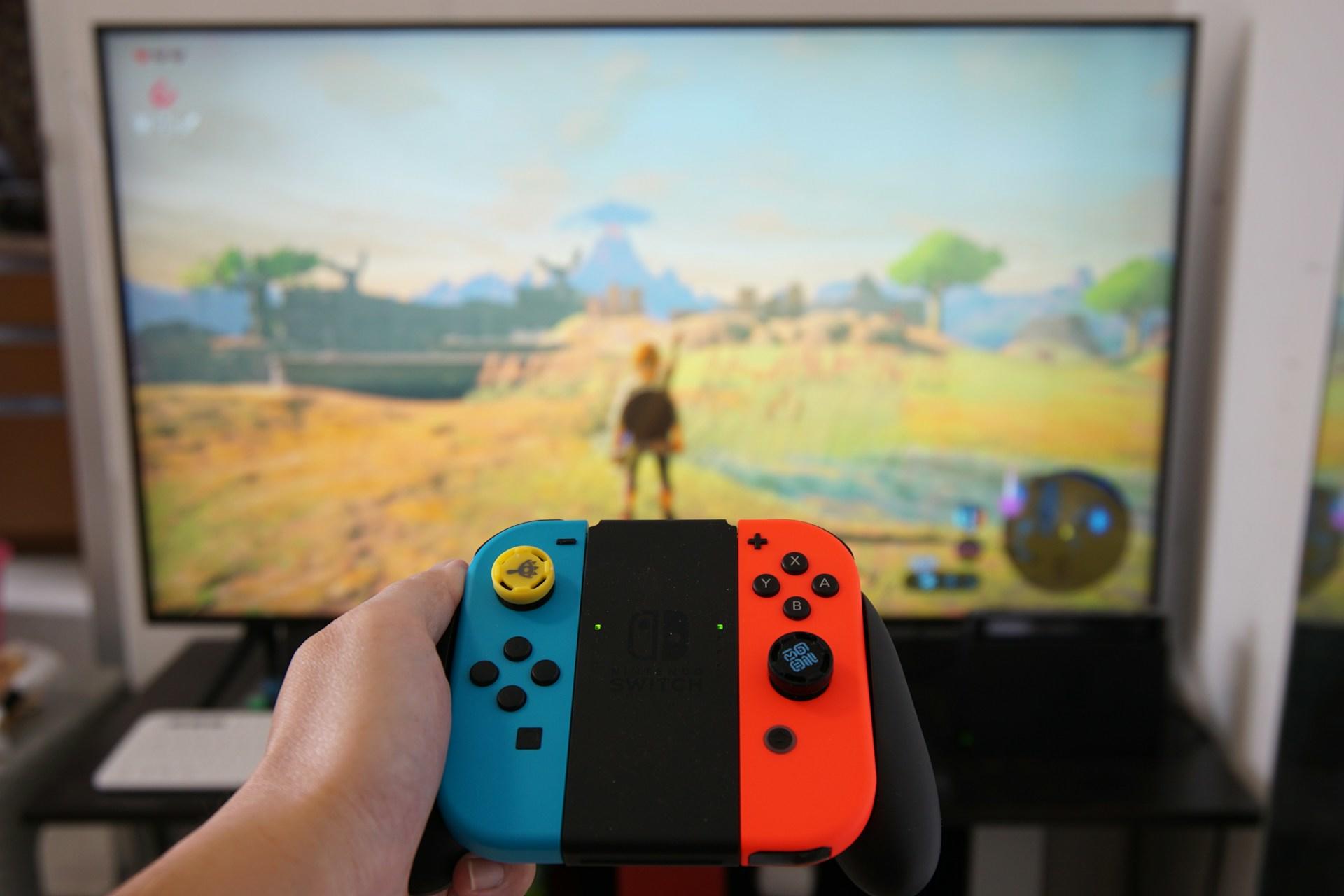
The Japanese gaming industry is highly diverse and vibrant, known for blending creativity, technology, and cultural influences. Japan has shaped global gaming trends from the early days of simple arcade games to the complex stories in today’s role-playing games (RPGs). With the global popularity of Japanese games, a dedicated fanbase emerged, sparking a renewed appreciation for video games as a medium for art and storytelling. This international expansion goes beyond simply exporting games; it has fostered cross-cultural partnerships and innovation within the industry, enhancing the gaming experiences available to players worldwide.
The influence of Japanese games on the global market is evident through their extensive success and critical recognition. Franchises such as Pokémon, The Legend of Zelda, and Final Fantasy have crossed cultural barriers and become well-known brands.
In addition to gaming, Japan is at the forefront of robotics, consumer electronics, and anime-related merchandise. Acquiring proficiency in Japanese deepens one’s connection to these exports, particularly in gaming, where the original Japanese versions can vary significantly from their translations. Furthermore, numerous tech enthusiasts and gamers participate in conventions in Japan and knowing the language facilitates more meaningful interactions with local developers, vendors, and fellow fans.
Japanese Music & Drama
Japanese music and drama have made a mark worldwide, including Singapore. J-pop and J-drama, in particular, have become extremely popular with younger audiences, and their influence is growing by the day.
J-pop, or Japanese pop music, is all about catchy tunes, colourful visuals, and energetic shows. Artists like Arashi, Hikaru Utada, and YOASOBI have won over fans all around the world.
In Singapore, J-pop concerts and fan meet-ups attract big crowds, with places like the Singapore Indoor Stadium often hosting famous J-pop artists. Plus, soundtracks from hit Japanese anime like Demon Slayer and Attack on Titan have made the music even more popular among fans.
Japanese dramas, or J-dramas, have found a fanbase in Singapore. People love their concise, emotional stories, with hits like Hana Yori Dango (Boys Over Flowers) and Zettai Kareshi (Absolute Boyfriend) being super popular. With platforms like Netflix and Viu offering many J-drama options, it's easier than ever for Singaporeans to watch them. Local events like the Japanese Film Festival showcase classic and new J-dramas, helping everyone appreciate the culture even more.
Learning Japanese has become vital for fans of J-pop and J-drama! Many people in Singapore are diving into the language to enjoy their favourite lyrics and dialogues without needing translations. This journey helps them connect more deeply with the culture and opens up exciting job opportunities in areas like Japanese media and tourism. Looking for resources to brush up on your Japanese? Head over to Essential Tools for Mastering Japanese to know more.
Japanese Traditional Arts and Festivals
Japan's traditional arts, such as tea ceremonies, origami, and calligraphy, showcase the country’s rich history and philosophy. These art forms, which focus on mindfulness and beauty, have attracted the attention of many around the world, including Singapore.
Japanese Tea Ceremonies
It is known as chanoyu or sado, and it is all about harmony, respect, purity, and tranquillity. People enjoy matcha tea while participating in a ritual that encourages mindfulness. In Singapore, places like the Japanese Association hold regular tea ceremonies, allowing locals to experience the calmness of this beautiful tradition.
Origami
It is a traditional Japanese paper craft that involves folding paper to form different shapes, including plants, animals, and everyday objects. It represents simplicity and creativity while also fostering patience and precision. People worldwide are into origami now, and it’s used for all sorts of things, from education to rehabilitation.

Calligraphy
Shodo, or Japanese calligraphy, uses ink and a brush to create beautiful characters. It's not just a way to write; many people also see it as a form of meditation. In Singapore, there are plenty of Japanese language schools and cultural events where you can learn more about this extraordinary art form.
These traditional practices highlight the importance of understanding Japanese culture through its language. Learning Japanese helps you appreciate these arts more and reveals the deeper meanings behind gestures, phrases, and ideas in them. As interest in Japanese arts grows, engaging with native materials and practitioners becomes even more important.
Thinking about learning Japanese but not sure where to kick things off? Check out the awesome private Japanese tutors on Superprof Singapore! They offer three main ways to learn: face-to-face sessions, online classes, and group lessons, so you can find something that works for your style and budget. It doesn't matter if you are looking for Japanese classes and certifications or simply want to learn conversational Japanese. Superprof tutors are ready to help you meet your goals.
When picking a tutor, remember that a lot of them on Superprof offer a free first lesson. It's a great chance to test out a few different tutors and see who you click with. Check out their teaching style, ask about their rates, and talk about what you want to achieve in your learning.
Summarise with AI:
Did you like this article? Leave a rating!

 Loading...