
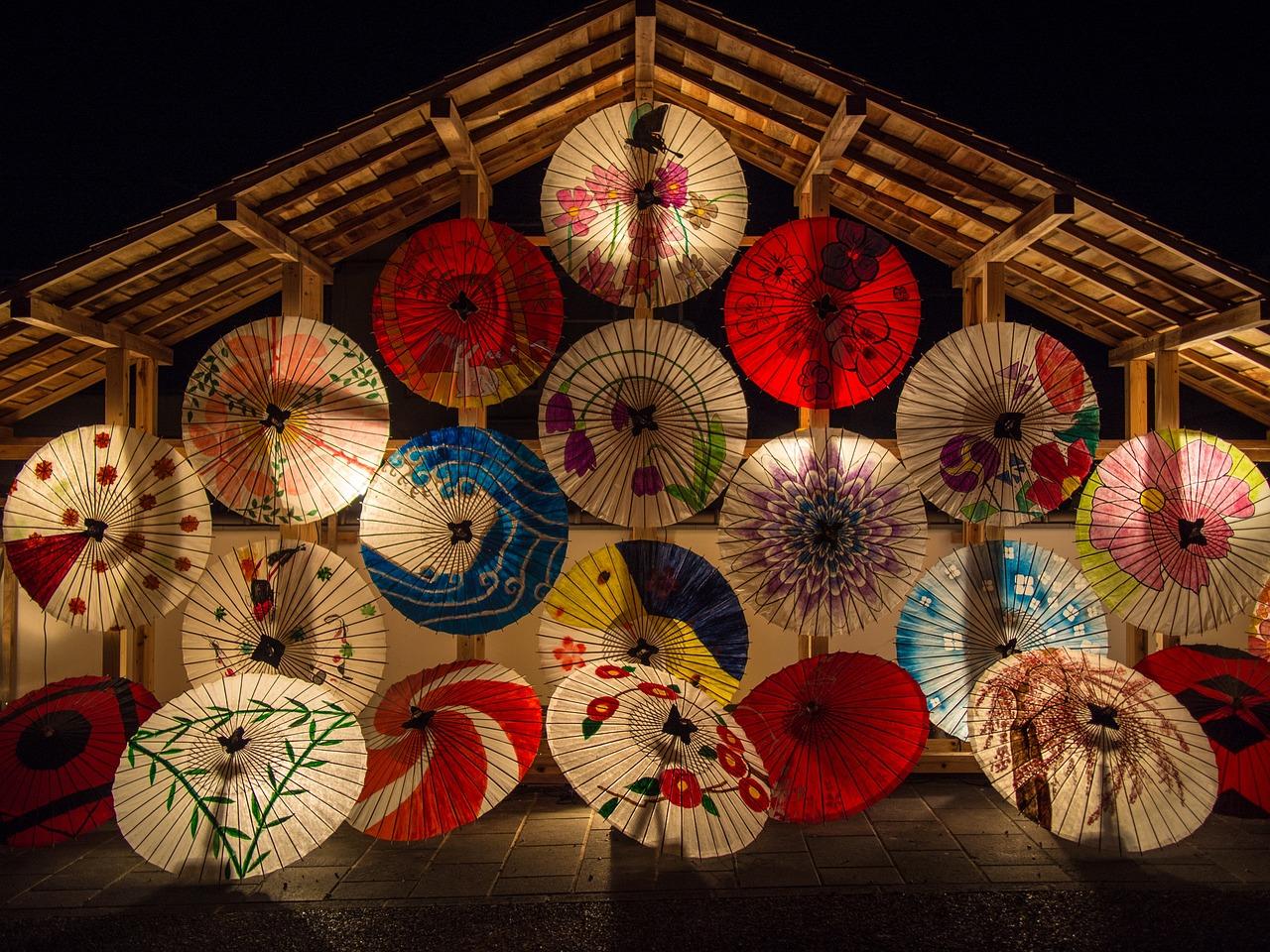

There are over 125 million Japanese language speakers around the world. It is primarily spoken in Japan but has gained immense popularity around the world due to its influential cultural exports such as anime, manga, J-pop, and, most importantly, its economic prowess.
The Japanese language is a treasure trove of unique features. Its intricate writing systems, the beauty of its grammar that reflects deep-rooted cultural values, and its overall beauty are among the many reasons people are drawn to it. These unique aspects are sure to intrigue and fascinate Japanese language learners.
In recent times, Japanese has become one of the most popular languages to learn, especially in Singapore, due to the strong cultural and economic ties between the two countries.





Why Learn Japanese in Singapore?
There are many reasons to learn Japanese. Singapore's embrace of diverse cultures and languages makes it an ideal place to immerse oneself in the beauty of the Japanese language. Whether driven by professional aspirations or deep personal interests, the journey of learning Japanese in Singapore is filled with endless possibilities for growth and cultural enrichment.
Opportunities for Business and Economic Growth
Japan is the third-biggest economy globally, and it enjoys a robust economic and trade partnership with Singapore. Many Japanese companies, such as Mitsubishi, Hitachi, and Toyota, have branches in Singapore, creating a demand for proficient Japanese speakers. Mastering the Japanese language can give you a significant advantage in business negotiations, partnerships, and career growth, whether in finance, technology, or trade.
Cultural Affinity
Singaporeans have always been attracted to Japanese culture, from entertainment like manga and J-pop to cuisine and fashion. Learning Japanese opens the door to understanding the beautiful traditions, values, and customs of Japan, along with its unique way of life. If you want to travel to Japan, learning the language will help you communicate with the locals, navigate within Japan more efficiently, and better understand the cultural nuances.
Delve into Unique Media and Literature
The Japanese language has a rich history in literature, art, and philosophy. Learning this language allows you to enjoy the original works of famous writers like Haruki Murakami, Yukio Mishima, and Kobo Abe. Not only that, Japanese movies, anime, and manga are popular worldwide. Understanding the language can enhance your enjoyment of these forms of media, as translations might not capture all the original nuances, humour, or cultural references.
Japanese Language Proficiency Test (JLPT)
The Japanese Language Proficiency Test (JLPT) is a test that's used to assess and certify the Japanese language skills of people who don't speak Japanese as their first language. It all began back in 1984, thanks to the Japan Foundation and Japan Educational Exchanges and Services. The JLPT is crucial for anyone who wants to show off their Japanese language skills for school, work, or just because they love the language. Every year, over a million people from all over the world take the test, so it's one of the biggest language tests out there!
The JLPT features five levels, starting with N5, which is the easiest, and going up to N1, the toughest one. N5 covers basic grammar and vocabulary, while N1 focuses on advanced reading and listening skills. N1 and N2 include practical language use in real-life situations, while N4 and N5 are more typical of beginner Japanese classes. N3 represents a moderate level of difficulty in learning Japanese.
N5
To pass the JLPT N5, you'll want to get familiar with about 800 vocabulary words and be comfortable reading hiragana and katakana. You should also be familiar with at least 80 basic kanji characters. Just a heads up, N5 doesn't mean you're fluent in Japanese, but it shows that you can understand basic conversations in Japanese.
N4
To pass the N4 level, you should know at least 300 kanji characters and 1,500 vocabulary terms. Getting a good score on the test shows your progress in learning Japanese.

N3
The JLPT N3 level is considered upper-intermediate. Passing this level means you've got a good grasp of basic Japanese grammar and vocabulary. You should be familiar with around 650 kanji characters and 3,750 vocabulary words at this level.
N2
The N2 level is like the bridge between upper-intermediate and advanced Japanese proficiency in the JLPT. When you pass this level, it shows that you understand the basics of Japanese and can handle more complex topics. If you're thinking about working in Japan, having the N2 certification will look great on your resume.
N1
Achieving a passing score on the N1 level is a big deal for those learning Japanese. Many Japanese language programs offer courses to help students pass the JLPT N1 exam. Passing this exam can give you an edge if you want to start a business in Japan or become a citizen there.
In Singapore, if you're learning Japanese, your JLPT scores can help you get a job with Japanese companies or gain admission to educational institutions in Japan. If you are looking for extra resources to learn Japanese, click here!
Japanese Language Schools in Singapore
Ikoma Language School
Ikoma Language School provides JLPT preparation courses ranging from N1 to N5, along with classes for complete beginners and more advanced learners who must complete a placement test to enrol. Founded in Chinatown in 1996, the school relocated to Orchard Plaza and Shaw House. Their goal is to make language learning accessible and enjoyable for all, and they also offer courses in English and Mandarin.
They're officially recognised by the Ministry of Education and focus on making each lesson fun for everyone. They offer Japanese classes for kids between 7 and 13 years old, as well as classes for adults.
Bunka Language School
Bunka Language School, established in 1985, teaches Japanese from beginner to advanced levels. The school is well-respected because all the instructors are native Japanese speakers registered with the Ministry of Education. They keep class sizes small, with a maximum of 12 students per class, and use their own textbooks for lessons.
At Bunka, students can join role-playing activities that mimic real-life situations, allowing them to improve their Japanese speaking, listening, writing, and reading skills in different settings.
At Bunka Language School, if you're not sure which class to join, you can take a free placement test. The beginner and intermediate classes require a written test, while the advanced, pre-advanced, and business Japanese classes need an oral assessment.
Japanese Cultural Society
The Japanese Cultural Society (JCS) is a well-known place for learning Japanese in Singapore. If you want to enrol in their courses, you'll need to pass an entrance exam, but the Elementary course is an exception. They offer a range of classes for everyone, from beginners to advanced learners, plus prep courses for the JLPT. On top of that, JCS frequently organises cultural events and activities, which help students dive into the experience. They're recognised for their structured curriculum and talented native Japanese teachers who teach both the language and culture.
Japanese Language Courses at the National University of Singapore
The National University of Singapore (NUS) offers a variety of programs for undergrads and postgrads who want to become proficient in Japanese. These courses, run by the Department of Japanese Studies, help students improve their language skills while also exploring Japanese culture, history, and society.
NUS offers Bachelor's, Master's, and Doctoral degrees in Japanese Studies, taught by experts with degrees from top universities around the world. Every year, over 2,000 undergrads take these courses, covering topics such as Japanese linguistics, business, sociology, anthropology, history, literature, religion, politics, and international relations. The faculty members have plenty of experience in Japan and are actively involved in research and publishing.
NUS also offers Japanese language courses aimed at busy working adults who want to learn the language. These eight-level courses are designed to help you build confidence and enable you to speak, understand, and read basic Japanese.

Private Tutor
If you prefer flexibility in learning Japanese, a great way to start your journey is to find a private tutor in Singapore. This allows you to learn Japanese language skills and culture from the comfort of your own home. One of the best ways to learn Japanese online is by hiring a private tutor.
Superprof is a solid platform that connects students with qualified Japanese teachers to make learning more enjoyable. Joining Superprof as a student is a straightforward process that only involves a simple sign-up. Once registered, you can browse and discover the Japanese tutor that best matches your needs and preferences. You can also find tutors to help you in any area of your interest, like playing a musical instrument like piano or violin or academic subjects like science or mathematics.
For example, if you are searching for a private Japanese tutor who specialises in Japanese Language Proficiency Tests, or require assistance with your Japanese university course, you can quickly locate them with just a few clicks on Superprof!
You can set your maximum budget right from the start to avoid any mix-ups while looking for a tutor. After that, the system will help you find a selection of Japanese tutors that match what you’re looking for, like where you want to learn, their qualifications, rates per hour, and what they specialise in. What are you waiting for, head over to the Superprof Singapore page and find the right tutor for you.
Summarise with AI:
Did you like this article? Leave a rating!

 Loading...