
Did you know what the famous Chinese New Year food is? The Chinese New Year, also known as Lunar New Year in non-Chinese countries and Spring Festival in China, is celebrated with a wide variety of CNY foods, each carrying deep symbolic meaning. These dishes are believed to bring good fortune, prosperity and happiness in the coming year.
During CNY, families gather to enjoy meals rich in both taste and meaning, reflecting unity, abundance, and longevity. Fish represents abundance, dumplings signify plenty, and longevity noodles symbolise a long life. Many families also add their own personal twists to these traditional recipes or have their own special dishes, keeping the celebrations both unique and meaningful.
Whether you’re joining a family gathering, attending an open house, or simply curious about the festival, understanding the symbolism behind these foods makes the celebration even richer. Read on for the most popular festive specialities, their meaning, local regional variations, and simple recipes you can try at home!
What do people eat during the Chinese New Year
- CNY menu items are carefully chosen for their symbolism, bringing abundance and family unity.
- In China, northern regions favour dumplings and longevity noodles, while southern regions highlight fish, rice, and braised dishes.
- Singaporeans enjoy favourites, such as Yee Sang, Lap Mei Fan, Poon Choi, and bubur cha cha, preserving heritage practices with a local twist.
- Singaporean celebrations focus on presentation, rituals, and visual abundance, alongside festive events such as River Hongbao and the Chingay Parade.
- From reunion dinners on the Eve to festive meals on the first day, sharing symbolic foods helps welcome success for the period ahead.


Symbolic Chinese New Year Dishes and What They Mean
Let’s explore the CNY menu items, highlighting the symbolism behind each item. These are foods enjoyed during the festive season, each believed to bring positive outcomes and abundance in the months ahead.
Fish – Symbolising Prosperity
Fish (Yu) is a staple during the CNY because it represents surplus and abundance. Serving the whole Yu is a must because it signifies completeness. It can also be enjoyed steamed with soy, ginger, and scallions.
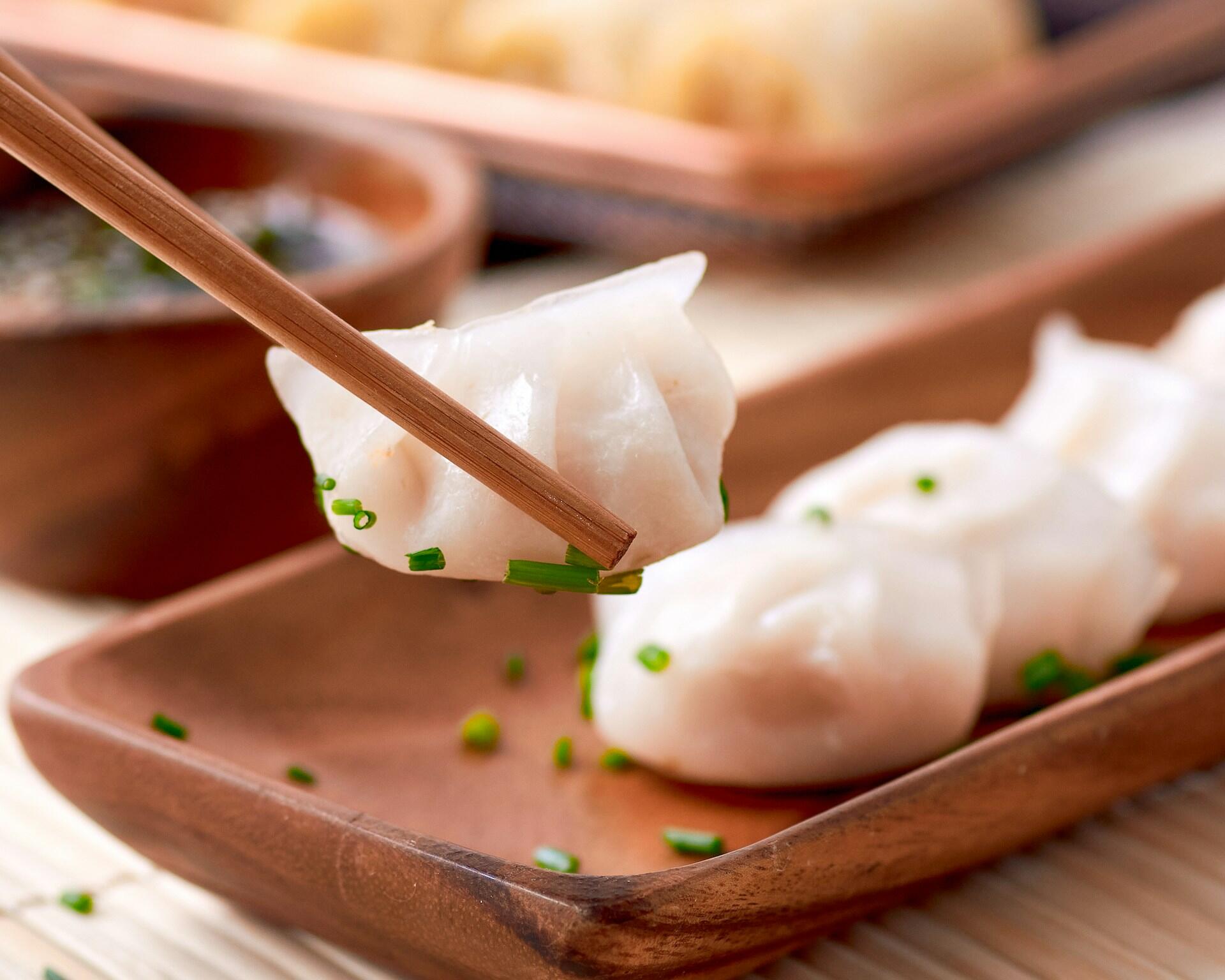
Dumplings – Representing Plenty
Dumplings (Jiaozi) are shaped to resemble ancient gold ingots, symbolising abundance and financial luck. They are usually filled with pork, chicken, prawn or vegetables and can be boiled, steamed, or pan-fried. They are believed to bring success in the months ahead.
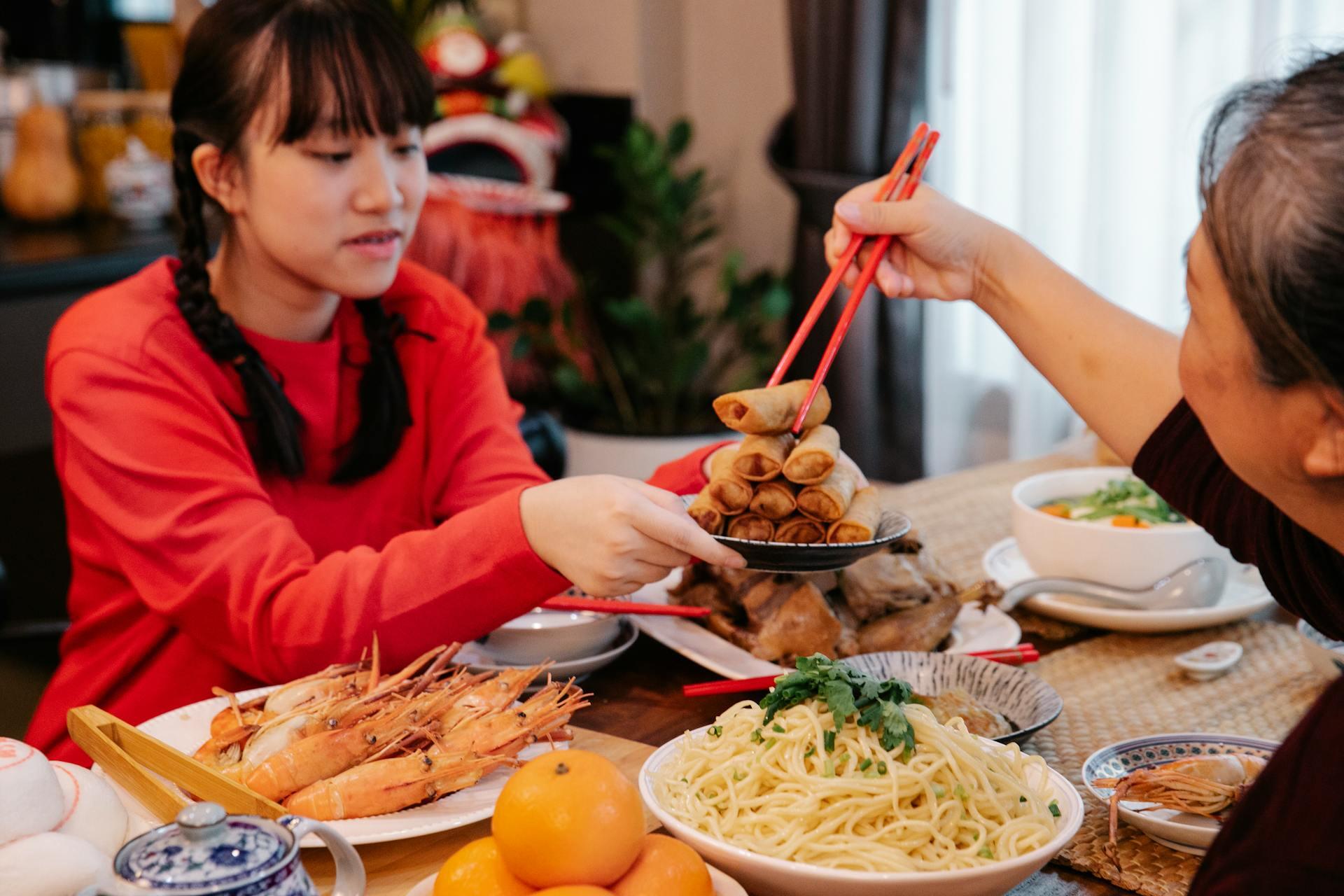
Spring Rolls – Signifying Plenty
Spring rolls (Chun Juan) are crispy rolls resembling gold bars and are consumed to attract abundance and riches. They are deep-fried or freshly made with fillings that often include vegetables, pork, prawns, bamboo shoots, carrot, and cabbage for a local touch. Eating this during the celebrations is thought to encourage financial stability in the months ahead.
Nian Gao (Kuih Bakul) – Denoting Progress
Nian Gao (Sticky Rice Cake) literally means “year cake” and sounds like ‘higher year’, symbolising career advancement and personal growth. It’s often prepared with flavours, such as pandan, coconut and lotus paste. It’s most commonly prepared by steaming. However, some also enjoy it pan-fried with egg, deep-fried as fritters and steamed with grated coconut. Eating Nian Gao is believed to help families achieve success and rise in the coming year.
Longevity Noodles – Wishing for a Long Life
Longevity noodles (Changshou Miàn) are uncut, long miàn that symbolise a long and prosperous life. They can be served in a broth or as a stir-fry using either mee sua (flour vermicelli) or Yi Mein (Cantonese egg miàn). These miàn are usually prepared uncut to symbolise a long life. Cutting them is avoided as it is believed to shorten life. Eating them at the reunion dinner is a wish for health and longevity for all loved ones.
Tangyuan – Symbolising Family Unity
Tangyuan (Sweet Rice Balls) are glutinous rice balls served in syrup and consumed for family togetherness and completeness. These are popular during Lantern Festival and CNY celebrations as well. The other versions often include peanut, black sesame, coconut, pandan, and red bean fillings. Families enjoy them together, symbolising reunion and unity. You can also get the ready-made ones and prepare them as instructed.
Yee Sang – Overflowing Abundance
Yee Sang (Prosperity Toss Salad) is a vibrant southeast asian Chinese dish made with shredded vegetables, raw Yu, sauces, and crackers. It must be done properly: Toss the contents of the salad high while shouting auspicious phrases or words (huat ah), as it symbolises overflowing abundance. The higher the toss, the better the luck and fortune!
Lap Mei Fan – Reunion & Richness
Lap Mei Fan (Preserved Meat Rice) is flavoured with meat and often served as part of the reunion meal. It’s consumed during reunion dinner, representing family bonding, abundance, and togetherness.
Pen cai (or poon choi) – Layered Wealth
Poon Choi is a rich, layered dish containing meat, seafood, and vegetables. Its size and richness in ingredients symbolise abundance and family unity. It’s called layered wealth because its preparation method involves stacking a diverse range of high-value and symbolic ingredients, such as white radish, pork, chicken, pig tendons, dried mushrooms, abalone, Yu, and prawns within a single pot!
Bubur Cha Cha – Harmony & Togetherness
This is a CNY dessert especially popular in Malaysia and Singapore, particularly within the Peranakan communities. Also known as the Straits Chinese, or Babas and Nyonyas in Melaka, Penang and Singapore, they often prepare this dessert with sweet potatoes, yams, black-eyed beans, chewy tapioca jelly, coconut milk and sago pearls. Its vibrant colours also represent joy, plenty, and abundance in the festive season.
好吃吗? - Hǎo chī ma? (Is it tasty?)
Traditional table talk in Mandarin
Chinese New Year Food Traditions Across Countries
Food for Chinese New Year
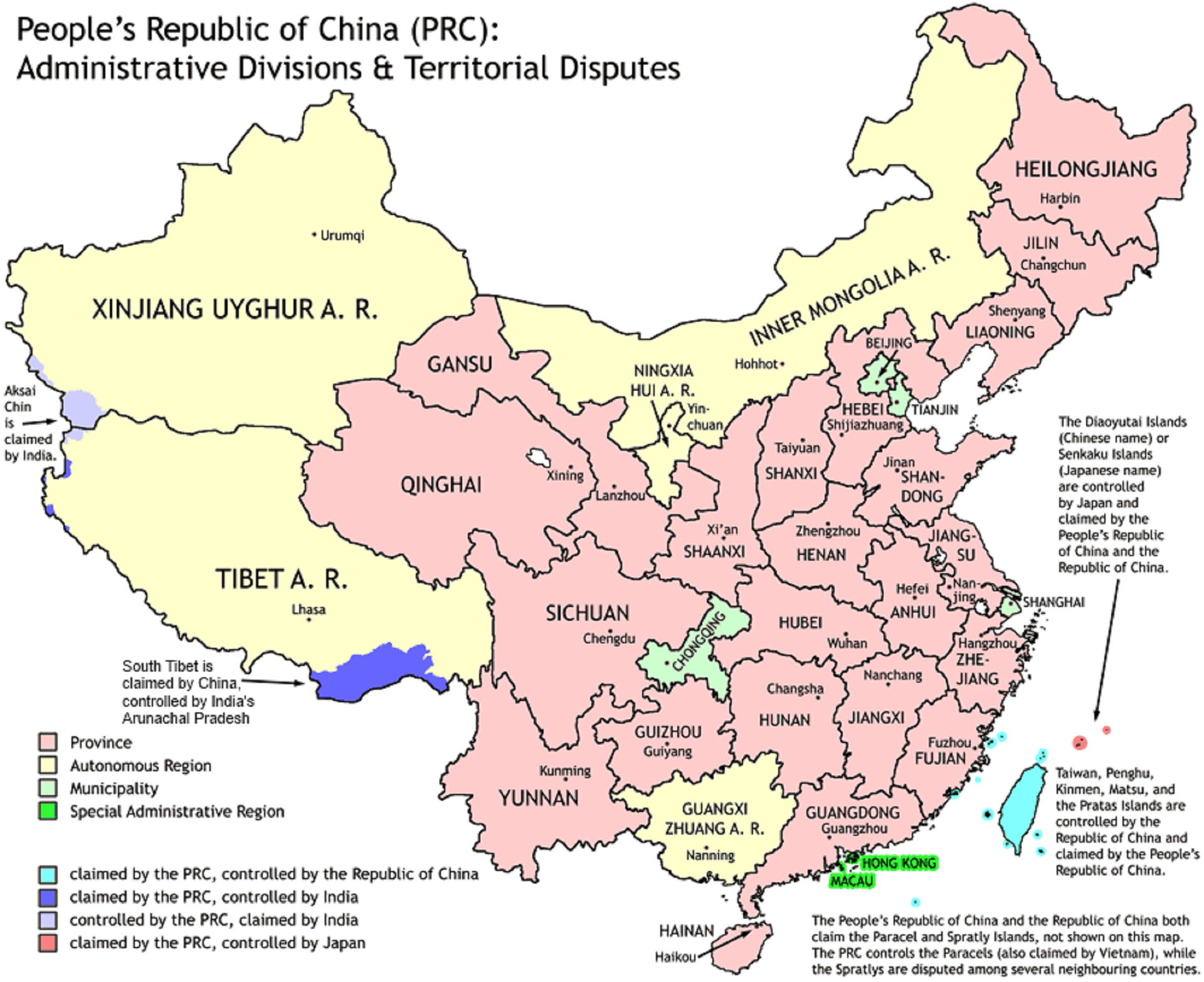
China is a vast land with many climates, growing regions, and appetites. It's home to 56 ethnic minorities, who all live among the Han majority. Each of these people has their own culture and traditions, including specialities for celebrations.
Zooming out, we find that all this cultural and culinary diversity helped form China's Eight Great (cooking) Traditions (八大菜系- Bā dà cài xì). They are:
- 粤菜 - yuè cài (Guangdong province) focused on original flavours
- 川菜 - chuān cài (Sichuan province): spicy, bold, and nutty
- 徽菜- huīzhōu cài (Anhui province): heavy on vegetables and wild herbs
- 鲁菜 - lǔ cài (Shandong province): wide variety of ingredients and cooking methods
- 闽菜 - mǐn cài (Fujian province): earthy, heavy on seafood, often soup dishes
- 苏菜 - sū cài (Jiangsu province): meat-heavy, savoury flavours
- 湘菜 - xiāng cài (Hunan province): fresh, spicy, colourful
- 浙菜 - zhè cài (Zhejiang province); mellow flavour, gentle fragrance, not greasy/oily
Not everyone in the region enjoys the same festive offerings, and within these eight culinary traditions, there is a wide variety of specialities that reflect different origins and regional styles.
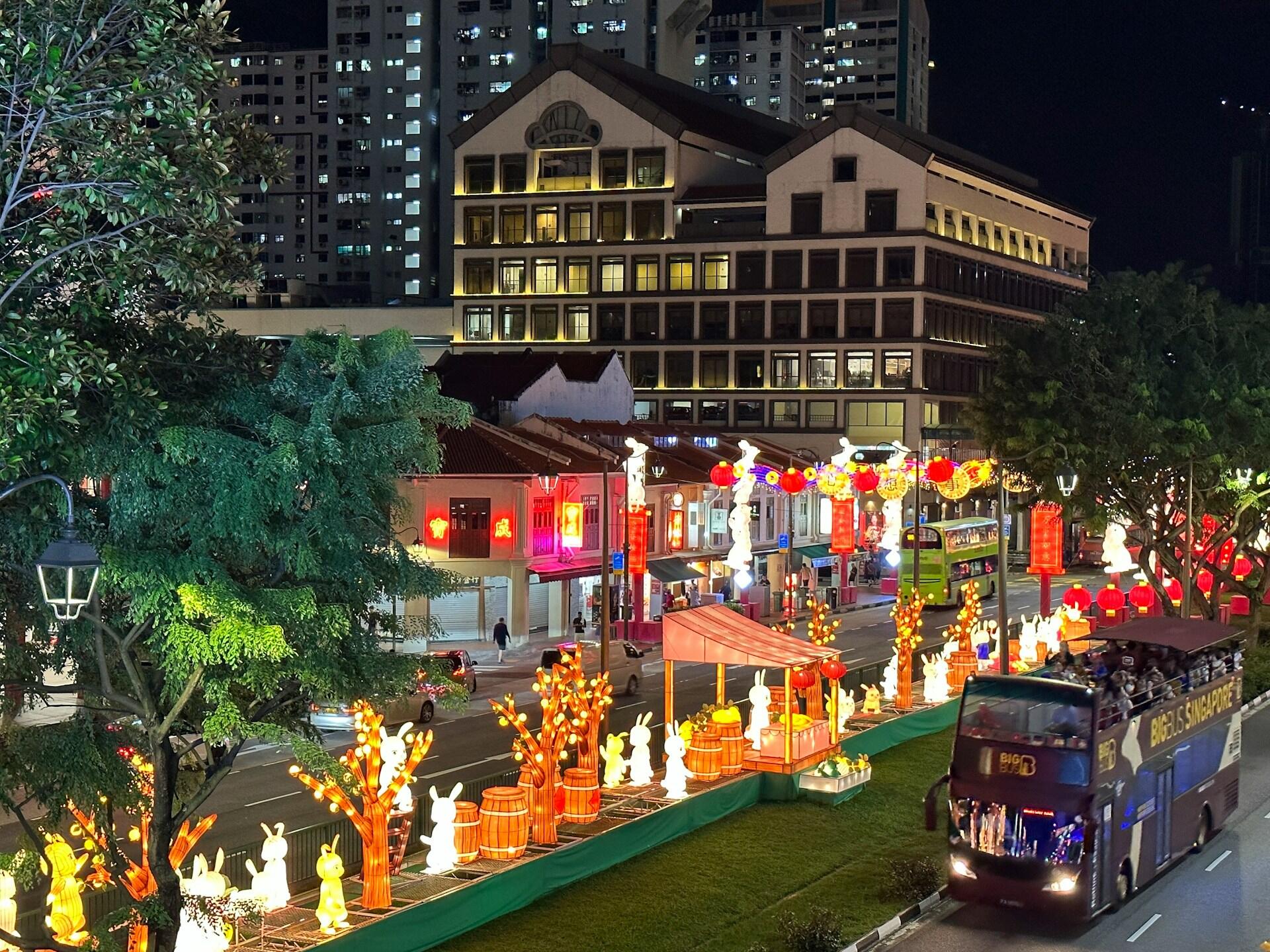
Singapore
With around 3.11 million ethnic Chinese residents in Singapore1, these culinary and cultural traditions are an important part of the city-state’s multi-ethnic society. That said, Singapore’s CNY celebrations tend to go beyond the home, where the season is marked by city-wide street light-ups, River Hongbao, the Chingay Parade, as well as stage shows and festive food fairs. All of this comes together to create a festive buzz, based on the belief that starting the year joyfully brings luck and positivity in the months to come.
Obviously, food plays a central role during this period. Many dishes enjoyed during the CNY are adaptations of mainland Chinese recipes. They are shaped by Singapore’s multicultural influences while preserving symbolic meanings of prosperity, luck, and family harmony.
Yee Sang (raw fish salad) is one of the most iconic Chinese New Year dishes in Singapore and Malaysia, commonly enjoyed during family meals and corporate gatherings. The act of lo hei (prosperity toss), in which ingredients are tossed high while saying auspicious phrases, symbolises prosperity, abundance, and good fortune for the year ahead.
Traditional festive treats such as bak kwa (barbecued meat), pineapple tarts, mandarin oranges, pomelo, love letters (kuih kapit), and kuih bangkit are also widely exchanged as gifts or served when visiting relatives and friends. Many Singaporeans also celebrate Chinese New Year by dining out, with restaurants offering reunion dinners, set menus, and modern interpretations of classic festive dishes.
All of this comes together to create a festive buzz rooted in the belief that starting the year joyfully, through shared meals, lively gatherings, and family bonding, brings luck and positivity in the months to come.
Malaysia
With approximately 7.9%2 of Malaysia's population being of Chinese descent, festive specialities blend traditional symbolism with local flavours and multicultural influences. Similar to Singapore, the items eaten during the festival are adaptations from China, but using ingredients familiar to the Malaysian kitchen, while keeping meanings tied to plenty, luck, and household harmony.
Signature Malaysian menu looks similar to Singapore's. If you’ve celebrated CNY in both Malaysia and Singapore, you’ll probably notice that many of the festive specialities look familiar. That’s because Malaysian and Singaporean Chinese share similar heritage and historical roots.
Popular festive foods such as Yee Sang, bak kwa, pineapple tarts, and nian gao are widely enjoyed in both countries and are considered staples of CNY celebrations.
At the core, CNY menu items focus on plenty, luck, longevity, household harmony and abundance. The symbolism is often derived from the items’ appearance, name (homophones in Chinese), or preparation method.
Chinese New Year Food Ideas: Recipes to Try at Home
Let’s go through some recipes that you can attempt at home. Even if you’re not celebrating CNY, you can still experiment with them, which may become your absolute favourites!
1. Dumplings
Well-made jiaozis typically feature decorative folds along their edges, but you don't have to get fancy. Simply folding them over and making sure they stay sealed is enough for your first try.
Making dumplings (包饺子 - bāo jiǎo zi) is a family affair.
Everyone gets in on the fun!
Before you start 'building' your jiaozis, put a large pot of water on the stove to simmer. Once you have wrapped all the filling, turn the heat up a bit, and drop six-eight pieces into the water.
Let them boil until they rise to the surface. Allow them to cook another two minutes; scoop them out with a strainer. Serve them with a soy sauce-vinegar dipping mix.
Eating jiaozi is a CNY tradition across China. In fact, one should eat them every day - steamed, boiled, or fried. The more you eat, the more abundance you attract!
In Singapore, households often adapt fillings and cooking styles to local flavours while keeping the symbolic meaning of abundance and plenty:
- Alongside the usual filling, some families incorporate ingredients like shrimp, mushrooms, crab meat, or fish paste, reflecting the city’s access to fresh seafood and diverse culinary influences.
- For those who love a little heat, a touch of sambal, bird’s eye chilli or dried shrimp paste can be added to the filling for some spicy notes.
- Some people cook by mixing a little glutinous rice flour with the wheat dough for chewier skin, inspired by local kuih texture.
- While jiaozi are traditionally served with soy sauce, black vinegar, or chilli oil, some Singaporeans may add local-style chilli condiments for extra heat, depending on personal preference.
These variations can differ from country to country. In Malaysia, Vietnam, or even Thailand, these jiaozis can be prepared and served in slightly different ways.
Regardless of the regional tweaks, the essence of the dish remains the same – jiaozis continue to symbolise plenty while allowing each culture to put its unique spin on the tradition.
2. Steamed Fish
You'll find as many ways to cook it in China as there are provinces, ethnicities, and cuisines. Steaming is, far and away, the most popular cooking method. However, what's more important is heeding the rules to maximise this holiday food's blessings.
- It must be cooked and served whole: head, tail, fins, and all (minus entrails!)
- The Yu's head must point to the eldest, or most venerated person, at the table
- That person must be the first to take a morsel of the Yu
- After the feasting, there must be some left over to be consumed the next day.
In some regions, the head and tail must be saved for the next day's meal. That's a sign that the next year will begin and end with plenty.
Flipping the Yu to access the other side's meat means flipping your luck and prosperity away.
That being the case, how to access the rest of the meat? With a bit of practice, you can train your chopsticks to navigate around the bones.
For a local twist, many families often give the classic steamed Yu a local-flavoured boost without losing its symbolic meaning.
In Singapore, classic flavouring usually includes light soy sauce, ginger, sliced red chilli, fresh coriander/cilantro, and a drizzle of hot oil over aromatic toppings just before serving. Some families also garnish with spring onions or fried shallots for added colour, texture and flavour.
While families may introduce their own subtle twists to suit personal tastes, the essential symbolic meaning of plenty and prosperity remains at the heart of the dish.
3. Spring Rolls
As the filling cools, mix the cornstarch and water to form a paste that will seal the rolls. Unpack the wrappers, carefully peel one off and lay it smooth side down. Heap one generous spoonful of cooled filling in the middle of the wrapper, and spread it out.
Wrap the filling, tucking the ends as you wrap. Use the cornstarch/water mix to seal the roll.
Once you've rolled them all, coat your frying pan with oil and heat it. Once hot, place 4-5 pieces in the pan, turning them when the exposed side is golden brown. Serve hot or cold, with Thai sweet chilli sauce for dipping.
In Chinese, these treats are called 春卷 chūn juǎn. Spring roll is a literal translation.
These treats became popular in Southeast China: Shanghai, Shenzhen, Hong Kong, and other coastal areas. "A ton of gold!" (黄金万两 - huáng jīn wàn liǎng) is the proper CNY wishes to speak when eating these delicious treats.
In Singapore, spring rolls commonly appear during CNY as part of the festive snacks. Crispy fried spring rolls are especially popular during the reunion dinner or for guests, valued both for their symbolic meaning and their golden appearance.
Typical fillings include cooked jicama (Sengkuang), carrots, tofu, peanuts, dried shrimp or prawns, and lettuce, served with sweet sauce and chilli. It can be served, fried, baked or even fresh.
Some households customise their spring rolls with additions such as prawns, crab meat, or mushrooms, while keeping flavours relatively light and balanced. Whether fried or fresh, these rolls reflect Singapore’s multicultural food culture while retaining their traditional symbolism of wealth, abundance, and good fortune for the year ahead.
4. Lion's Head Meatballs
Once completely seared, braise them with chopped Napa cabbage and mushrooms, if desired. Cooking time should last until the vegetables are soft; about 20-30 minutes. You may serve your Lion's Head meatballs in their broth, or separately, on a plate, with baby bok choy as a garnish.
This tempting dish has its roots in Shanghai's kitchens. Elsewhere in China, they are typically served plain.
However, Shanghai cuisine is slightly sweet, so drizzling a sticky-sweet sauce on them before serving hews to the original recipe. Sweet or plain, Chinese New Year dinner wouldn't be the same without them!
Across China, a whole chicken - head, feet, and all, adorns every Lunar New Year celebration table. Regional cooking and seasoning variations exist, but boiling the bird is the standard cooking method.
A whole chicken on the table, from the comb to the claws, represents wholeness. Furthermore, the Chinese word for chicken, 鸡 - jī, is a homophone for luck and prosperity (吉 - jí), but for the tone. So, this boiled bird delivers double blessings!
Once completely seared, braise them with chopped Napa cabbage and mushrooms, if desired. Cooking duration should last until the vegetables are soft, about 20-30 minutes. You may serve your Lion's Head meatballs in their broth, or separately, on a plate, with baby bok choy as a garnish.
In Singapore, Lion’s Head meatballs are prepared pretty much the same way. Occasionally, they may add a slightly sweeter soy-based sauce to suit the local taste.
In Chinese culture, meat is a symbol of wealth and vitality.
5. Chinese Broccoli
The Chinese diet features lots of greens. Although meats take pride of place, green vegetables provide a nice contrast. Chinese 'broccoli' (芥蓝 - jiè lán) is particularly well-suited to the task.
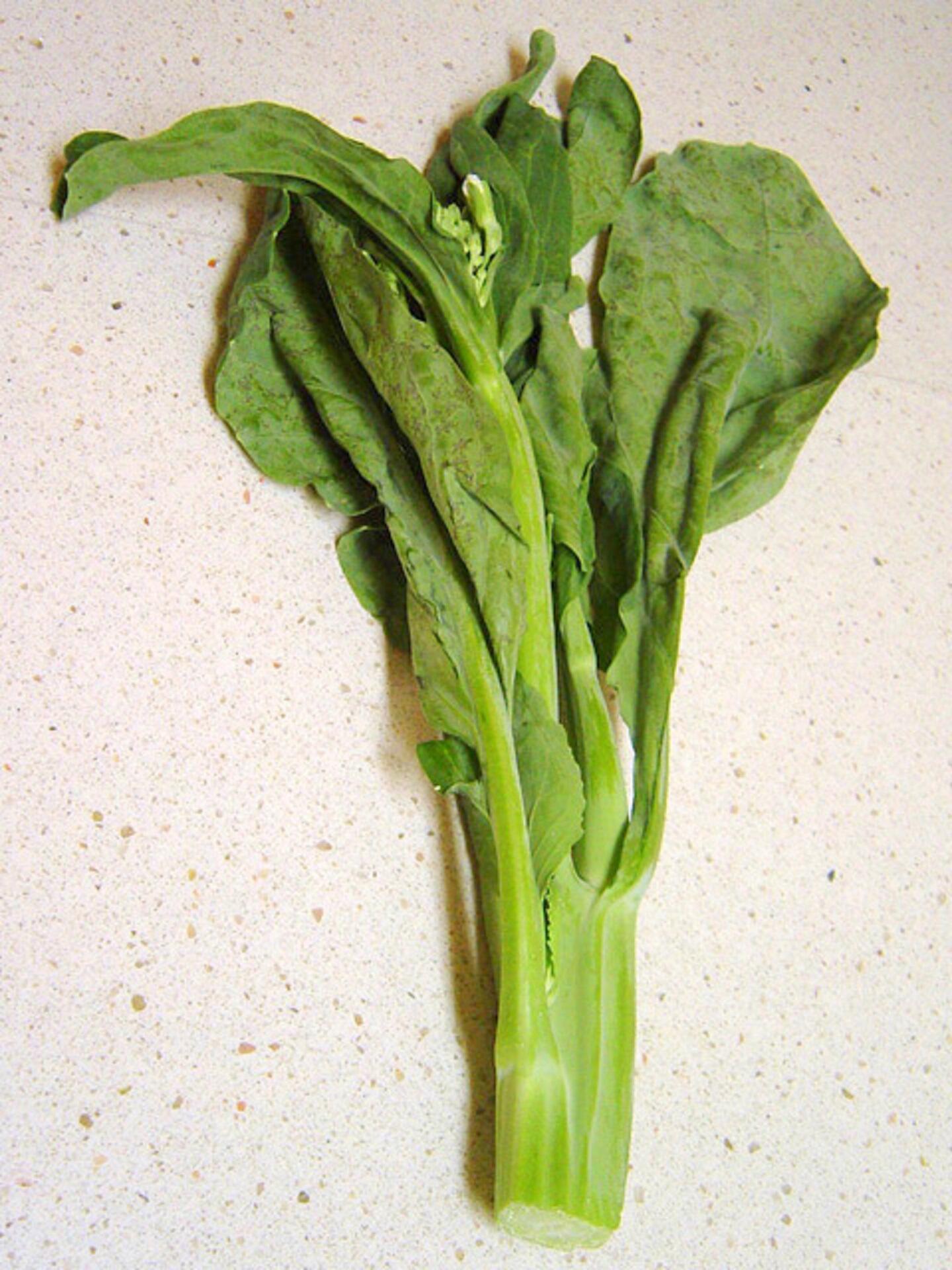
Its broad leaves and thick stems deliver just the savoury crunch this meal demands. Even better: you have two ways to prepare it:
Boiling
- Wash the leaves
- Place them in boiling water
- Add salt, and a tablespoon of oil (to preserve colour)
- Boil for 2-3 minutes, until the stems are slightly soft
- Remove, and drizzle with oyster sauce
Stir-frying
- After washing, cut the leaves diagonally
- Heat pan/wok with 1cm oil
- Sauté sliced garlic and ginger
- Add chopped leaves, stir-fry till leaves are wilted
- Scoop them out, drizzle with oyster sauce
The variety of items that tables bear during CNY is one reason this holiday is so special. Though meats dominate, fruits and veg have their place, too. These classic festive specialities complement your CNY celebration!
In Singapore, families typically prepare Gai Lan the same way – blanched with oyster sauce or quickly stir-fried with garlic. It gives a tender-crisp, healthy side for the reunion dinner.
While meats and symbolic dishes often take centre stage at CNY, vegetables like this also play a role in balancing the feast table during the festival.
6. Braised Pork (Tau Ye Bak)
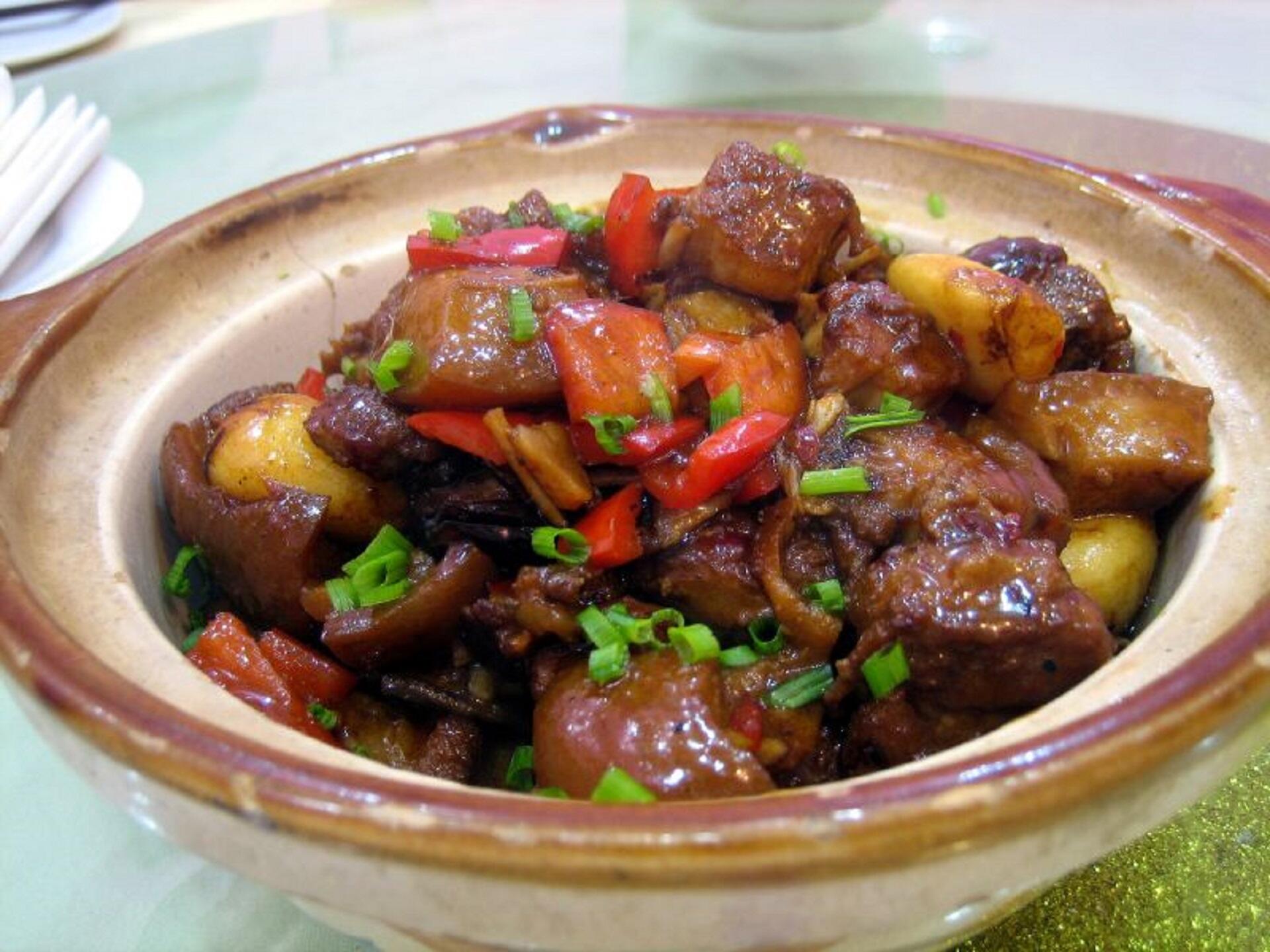
We know this delicious dish as Shanghai braised pork (红烧肉 - hóng shāo ròu), among other names. It too originated in Shanghai kitchens; it is this writer's hands-down favourite.
To prepare it, you need a slab of pork belly with a generous ratio of fat. You also need ginger, garlic, star anise, caster sugar, soy sauce, and a touch of Shaoxing rice wine.
First, dry your meat slab, and then cut it into largeish cubes and brown them in oil. Take them out of your pan/wok, and add sliced ginger, some water, and the rest of the ingredients. Bring them to a boil, then turn the flame to simmer. Add the meat, and cover the mixture.
Watch this instructional video as it stews until the liquid is nearly gone, and the meat is tender. Scoop the meat out, and drizzle the remaining liquid over it.
This item is available to eat year-round, like the rest. However, during CNY, this becomes a symbol of plenty and abundant blessings.
To Western cultures, it's a little-known fact that foods take on special meaning in China during the holidays. Still, it's a poetic way to ring in the New Year, don't you think?
In Singapore, many families prepare Tau Ye Bak, slow-cooked with light and dark soy sauce, garlic, and white pepper. Hard-boiled eggs and fried tofu are often added to soak up the rich gravy, making it a comforting reunion dinner dish. But as mentioned earlier, the preparations for each dish can be unique from one family to another!
And just like that, we’ve reached the end of our guide! As promised, you got everything you need to know about the festive specialities and their symbolisms. Not only that, but you can also enjoy making some to experience the festive spirits even if you’re not celebrating!
If you’re celebrating, amaze your guests by serving them these classics and sharing their meanings!
Do you have a unique dish that’s special to your household? Share it in the comments!
References
- Statista. (2025, November 29). Resident population in Singapore 2025, by ethnic group. https://www.statista.com/statistics/622748/singapore-resident-population-by-ethnic-group/?srsltid=AfmBOoqoxRCUDBP0iBzv2FxWNdGvoq9J_eumDamzfMD_6TH5so2bZ5ZC
- Department of Statistics, M. (2025). DEMOGRAPHIC STATISTICS MALAYSIA, THIRD QUARTER 2025.
Summarise with AI:
Enjoyed this article? Leave a rating!

 Loading...