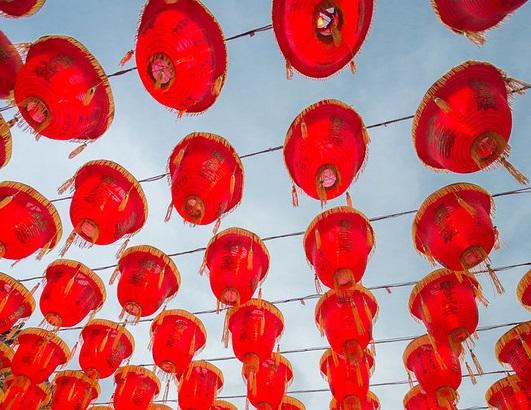

For anyone interested in learning about Chinese culture, including Chinese folk religion and traditional Chinese beliefs, it is important to know about its traditions, myths and beliefs, such as those connected to Chinese mythology, the Jade Emperor, gods and goddesses, and festivals like the New Year. These ancient myths and legends, rooted in Chinese folk traditions and history along the Yellow River, reveal how ancient man viewed the universe and tell us a lot about their key beliefs and religious systems, from the time of the Xia dynasty and Shang dynasty to legendary rulers like the Yellow Emperor.
Key Takeaways
- Chinese mythology is a central part of Chinese culture.
- Shang dynasty oracle bones, Daoist writings and the Classic of Mountains and Seas provide some of the earliest records of Chinese gods and spirits.
- Chinese mythology is a blend of Buddhism, Taoism, and folk religion.
- Mythological creatures like the Four Guardians, the Eight Immortals, and Sun Wukong are important figures in Chinese mythology.
- Several Chinese festivals, including the Lunar New Year, Qi Xi Festival, Dragon Boat Festival, and Mid-Autumn Festival, are directly rooted in mythological stories.


Origins and Evolution of Chinese Mythology
Chinese mythology is closely linked to Chinese folk traditions and is deeply influenced by Buddhism and Taoism.
It also introduces us to legends like Nuwa, Yu the Great, Monkey King, Pangu, heroic figures such as Erlang Shen, and countless mythical creatures like dragons, phoenixes, the Jade Rabbit, the White Tiger, and symbols later reflected in the Chinese zodiac.
Now that we know why Chinese mythology is so significant, let's take a look at particular aspects of it and how it originated.
Creation Myths and the Birth of the Universe
To understand Chinese culture is to know how Chinese people commune daily with their gods. That's why learning about Chinese mythology is so important, especially about Chinese religion, folk religion, and Chinese folk traditions that remain visible today, even during Chinese New Year celebrations.
Unlike creation stories that are built around an omniscient, omnipotent, remote and disconnected figure who performed miracles, the ancient Chinese creation stories are built on characteristics of the human experience like loneliness and anger, and being overcome by natural phenomena like floods and fires.
Its gods are relatable but, more importantly, they are accessible and equitable--right from the Jade Emperor to the Chinese goddesses revered by the people.
In the beginning there was as yet no moral or social order. Then came Fuxi and looked upward and contemplated the images in the heavens, and looked downward and contemplated the occurrences on earth. He laid down the laws of humanity.
Ban Gu, ancient Chinese historian
The story goes that before Creation, Heaven and Earth were intertwined into a single cosmic mass that resembled a giant egg. Inside the egg, Pangu slept for about 18,000 years. On awaking and finding himself in a deep and dark place, Pangu broke open the egg and came out. The lighter element (yang) rose upwards to become the sky, while the heavier element (yin) sank to form the earth.
To prevent the Heavens and Earth from ever fusing again, he pushed the heavens with his hand and trod on the land, growing taller each day. But this was a strenuous job. Pangu continued doing this for another 18,000 years until he was certain the divide was permanent. Then, with a thunderous crash, Pangu fell and died.
However, even in death, his body continued to fashion the universe. For instance, his:
- final breath turned into winds and clouds
- voice into thunder
- left eye the sun and right eye the moon
- flesh into fertile farmlands
- bones turned into precious gems
- hair and beard became stars of the Milky Way
- limbs transformed into mountains
- blood into flowing rivers
- sweat into rainwater
It is said that long, long ago, the universe was a shapeless void. From that chaos emerged Pangu, a colossal being who gestated inside the egg for 18000 years before breaking free. Upon awakening, he separated Yin and Yang, forcing the heavens to rise and the earth to fall. When he died, his breath became the wind, his blood the rivers, and his eyes the sun and moon.
There are temples dedicated to Pangu, the most famous being the Pangu King Temple 盤古皇廟 (Pángǔ huáng miào) in Huadu District, Guangdong Province.
Prominent Deities and Their Domains
Major Gods and Goddesses
Jade Emperor
The Jade Emperor is a Taoist god who is considered the ruler of heaven and earth. He is also the official deity of the human emperors and traditionally depicted in full emperor regalia in flowing robes, a beaded crown, and seated upon a throne.
Like an emperor, he commands all gods lower to him, handing out rewards and punishments and keeping those lower than him in check. But mere mortals can also contact him. He is also endearingly called the “Heavenly Grandfather”, and those in urgent need of help can directly contact him if their petition to the lower gods has gone unanswered.
The Jade Emperor is depicted on joss paper, also known as hell money and offered to ancestors for their use in the afterlife.
These notes come in huge denominations like millions and billions to signify immense spiritual wealth.
According to tradition, he didn’t become a god overnight. He was born as a human and spent countless lifetimes cultivating the Dao. Celebrated as a just and benevolent ruler, he devoted his youth to serving the poor and needy.
Nuwa and Fuxi
Many versions credit Nuwa, the mother-goddess and Fuxi as the creators of the human race. It is believed that upon feeling lonely, Nuwa shaped human figures from yellow earth, creating for herself a family of dolls. These clay dolls became her first children. Unable to make everyone by hand, she raked the yellow earth with a string, creating more people—those people she moulded became nobles, while the rest became commoners.
There is an interesting story behind the birth of Nuwa and Fuxi. According to legend, Nuwa and Fuxi were born to goddess Huaxu, who, one day, when walking, accidentally stepped on the thunder god’s footprint and became pregnant.
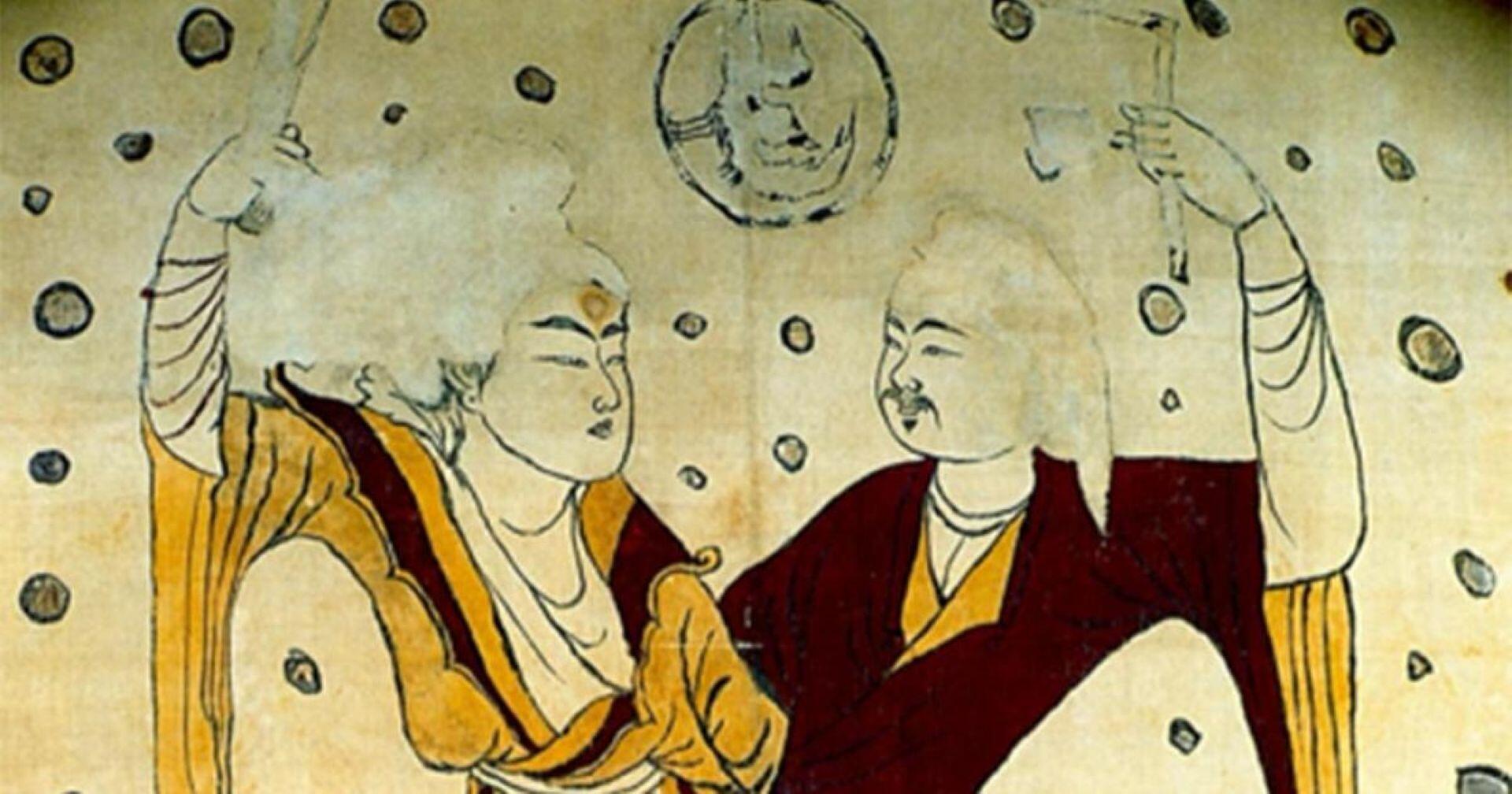
Nuwa is credited with repairing the Pillars of Heaven after the pillars collapsed, causing all manner of disaster and tragedy to unfold. Nuwa first patched up heaven and then cut the legs off of a giant turtle to hold up the sky. She also killed the black dragon that was tormenting the people of Ji and built dams to halt the floods.
Similar to Nuwa, Fuxi is often portrayed as having a human’s head and a snake’s body. He’s also depicted as a wise sage dressed in animal skins and flowing long yellow robes.
Fu Xi is believed to have lived for an extraordinary 197 years, and legend says he is buried in Huaiyang, Henan Province. Visitors can still visit his tomb today to pay their respects to the first ancestor of humankind.
Fuxi is credited with several innovations benefiting humanity, like:
- Creation of the bagua or eight trigrams
- Inventing the writing system
- Domestication of animals
- Fishing and trapping
The Pantheon of Chinese Deities
Guanyin
The Chinese goddess Guanyin is depicted as a female in Chinese mythology. She is one of the most revered Chinese deities and is believed to be a representation and adaptation of Bodhisattva Avalokiteśvara, a male form.
Guanyin is represented in a white flowing robe, holding a water jar in the right hand containing water, wisdom, and compassion, while in the left hand she is seen holding a willow branch to sprinkle the divine water on devotees.
Chant Om Mani Padme Hum or simply chant, or "Namo Guan Shi Yin Pusa."
People pray to her when in trouble and for inner peace and harmonious relationships.
Sun Wukong
Sun Wukong (孫悟空) or the Monkey God makes his first appearance in the Chinese classic Journey to the West. In Chinese mythology, he is a trickster god who rebelled against Heaven but later achieved redemption and became a saint.
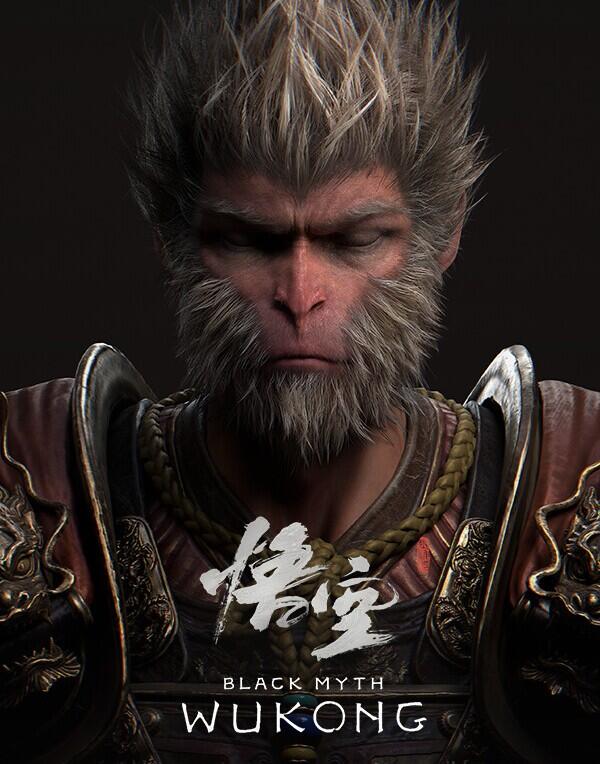
Legend has it that he was born from a magical rock situated atop the Mountain of Flowers and Fruit (Huaguo shan, 花果山), an island in the Buddhist disc world system. The stone sat there for countless ages, after which it hatched a stone egg from which emerged the stone monkey.
Eight Immortals
The Eight Immortals are a group of legendary figures who achieved immortality and are renowned for their wisdom and magical powers. The majority of the Eight Immortals emerged during the Tang Dynasty and existed individually.
It was during the Song Dynasty that they were referred to together as BaXian.
One of the most famous stories associated with the Eight Immortals is their crossing of the Bohai Sea. The story goes like this: the Immortals travel to the palace of Xi Wangmu to attend a banquet. On their journey, each one of them encounters an obstacle.
To overcome it, each one of them uses a magical power and showcases their individual prowess. This gave rise to the saying:
Ba xian guo hai, ge xian shen tong (八仙過海, 各顯神通) — "The Eight Immortals cross the sea, each revealing their divine powers.
Chinese Saying
Do you want to know more about Chinese gods? Read the detailed overview of Chinese gods to broaden your understanding of these mythical deities and creatures.
Legendary Creatures and Their Symbolism
The Four Guardians
The Four Guardians, also known as the Four Symbols, are mythical creatures representing the four directions. According to the I Ching, an ancient Chinese text, the origins of the Four Guardians can be traced to the beginning of the world, emerging from the ring of yin and yang.
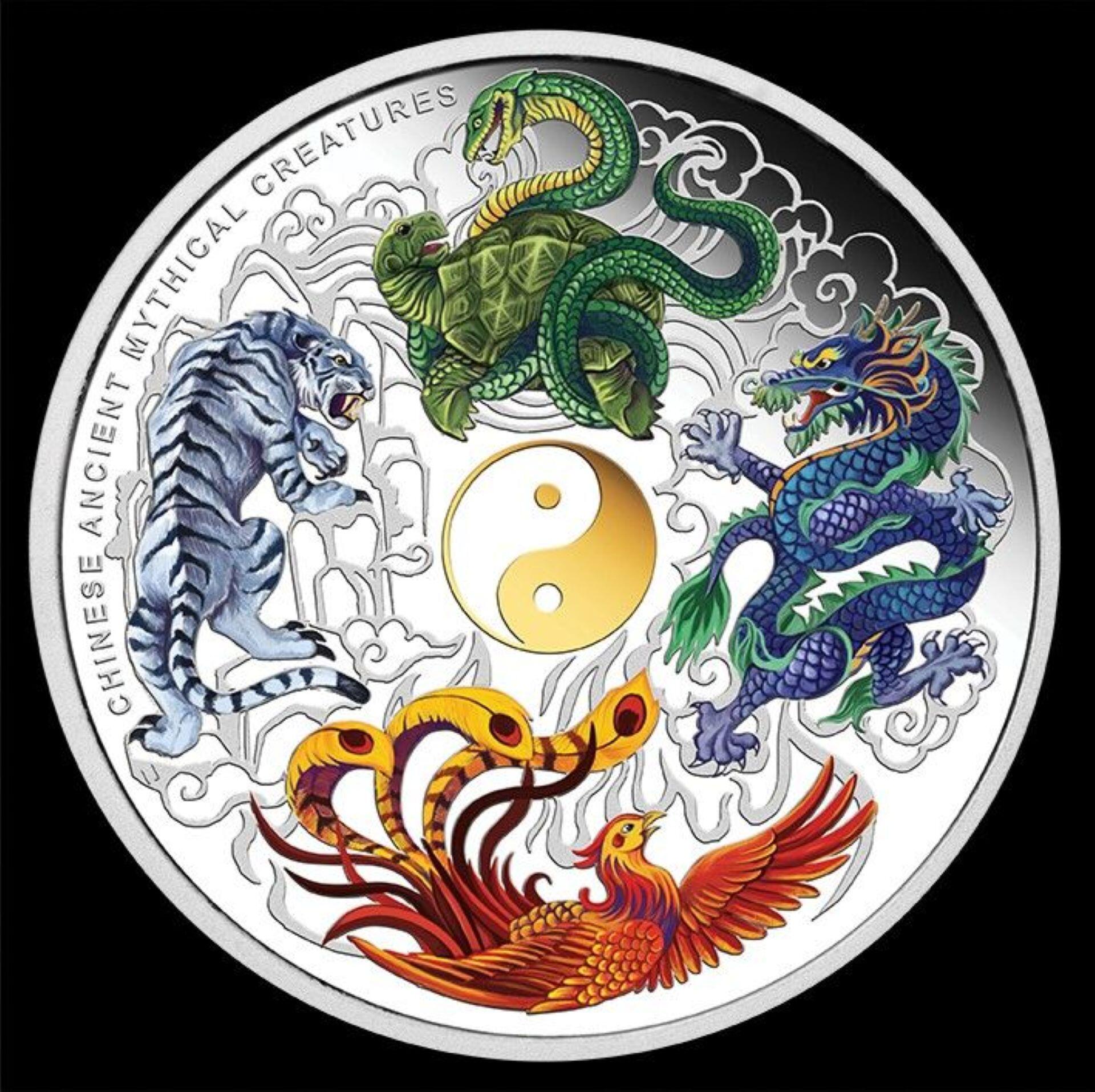
The Four Symbols are:
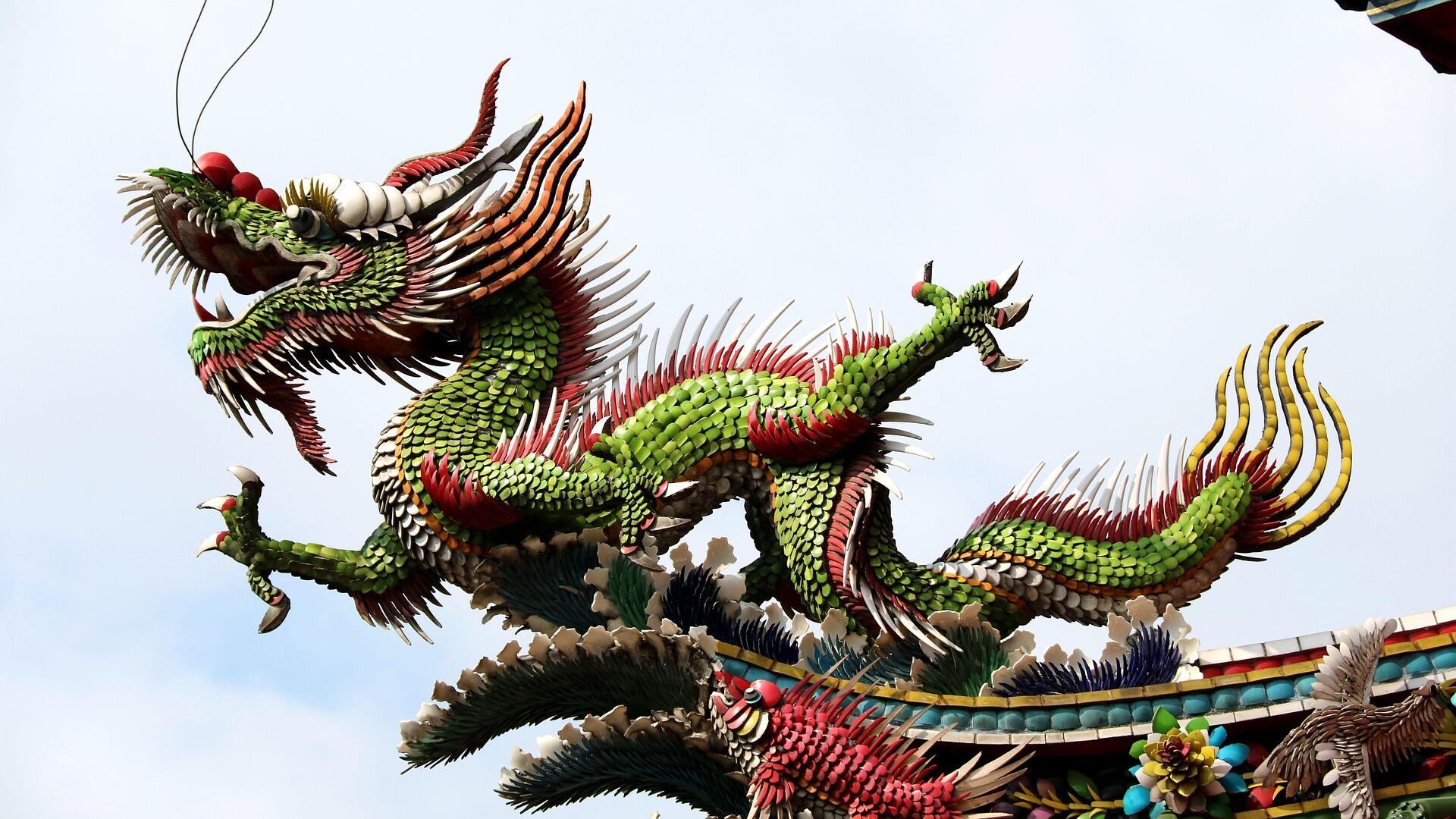
- Azure Dragon – Represents the East. Dragons were regarded as sacred creatures in ancient China and recognised as symbols of imperial authority.
- White Tiger – Represents the West. It stands for autumn and is a symbol of the arm
- Vermilion Bird – Represents the South. It refers to the phoenix, and like it, can be reborn from fire.
- Black Tortoise – Represents the North. It symbolises longevity and is depicted as a tortoise with a snake coiled around its neck.
In 1987, archaeologists uncovered a late Neolithic burial chamber at Xishuipo, Henan. The tomb contained a human burial flanked by clam-shell images of a dragon to the east and a tiger to the west. The site dates to roughly 4,500–5,000 years ago, reinforcing the truth behind the legends.
The Qilin and Other Mythical Beasts
The Qilin - The Qilin is a mythical creature with a deer-like body, a single horn, an ox’s tail, and a multicoloured back. It is said to dwell in the heavens and appears to humans during times of prosperity and wisdom. It symbolises good fortune, and its appearance is believed to mark the birth or death of a great ruler or sage.
The Phoenix (凤凰, Fènghuáng) - The phoenix is another powerful mythical beast in Chinese mythology and is the yin counterpart to the dragon’s yang, overall symbolising balance and harmony. Its appearance is seen as an omen of great fortune, and its sightings are believed to herald the birth of a virtuous ruler or the arrival of great sages.
Who is Your Favourite Chinese Deity?
Influential Myths and Legends
The Legend of Hou Yi and Chang'e
Once there lived a skilled archer called Hou Yi who was renowned for his unmatched power and bravery. He led a peaceful and happy life with his beautiful wife, Chang’e, until the day when ten suns appeared in the sky at the same time. Blazing with relentless heat, these suns caused rivers to dry up, crops to wither, and resulted in untold suffering among the people. The cries of the people reached the Heavens, pleading for a saviour to restore balance and bring relief.
Moved by their pleas, the Jade Emperor called upon Hou Yi and asked him to deal with the errant suns. Hou Yi scales the divine Kunlun Mountain and releases an arrow. It slices through the air and extinguishes one of the suns. He kept going—arrow after arrow, sun after sun, and didn’t stop until nine suns had fallen. Now only one sun remained in the sky—rivers started flowing, the land became fertile, and people rejoiced.
Pleased with Hou Yi, the Queen Mother of the West gifted him with an immortality pill. However, unwilling to leave his wife, Hou Yi hid the pill and continued leading a mortal life. Now, here variations in the myth emerge. Some say Chang’e ate the pill herself, longing for immortality, while others say she ate it to prevent an evil man, Feng Meng, from devouring it.
Nevertheless, once Chang’e ate the pill, she became lightless, flew upward, ascended to the moon, and became the Moon Goddess. Alone on Earth, Hou Yi missed his wife so much that he made an offering to the moon and tried to find Chang’e's shape there.
To remember her, Chinese people worship the moon by eating fruit and moon-shaped desserts called mooncakes. This festival is known as the Mid-Autumn Festival.
The Journey to the West
The Journey to the West is a sixteenth-century 100-chapter novel, based on the epic pilgrimage of the monk Xuanzang (c. 596–664) to India in his quest to retrieve Buddhist scriptures. In the novel, Xuanzang is accompanied by four nonhuman disciples: Monkey (Sun Wukong), Dragon Horse, Pigsy (Zhu Bajie), and Sandy (Sha Wujing). Each one of the four disciples has been expelled by Heaven for their misbehaviour.
Monkey King and Xuanzang are the central characters in the novel, with the first thirteen chapters devoted to establishing their origins. The real action begins in chapter 14, when Xuanzang releases Monkey from a mountain and from that moment on, they embark on this interesting journey.
The Monkey King carries a magical rod called Ruyi Jingu Bang, weighing 17,550 pounds (7,960 kg), that can be shrunk to the size of a needle and kept in his ear, and, when required, it can be expanded to gigantic proportions.
The novel is so popular that it has been reproduced across countless media, including children’s books, puppet shows, comics, TV series, and movies, with each adaptation retelling the story differently.
Mythology's Influence on Festivals and Traditions
The Lunar New Year
Nian was a beast in ancient Chinese mythology who always appeared during Spring Festival to eat the villagers, especially the children. One year, the villagers decided they would hide in the hills on New Year's Eve. Just as they were leaving town, an old man appeared and told them he would best Nian. When they returned to their village the next day, they were surprised to find the old man alive and their village intact.
The ancient one had known that Nian was afraid of loud noises and hated the colours red and yellow. Thus, he draped the town in yellow and red and set off firecrackers. To this day, that is how the Chinese New Year is celebrated.
Note: Some traditions associate the Lunar New Year with the ascension of Emperor Yao to the throne, one of China's most important emperors.
Dragon Boat Festival
Celebrated on the 5th day of the 5th lunar month, the Dragon Boat Festival or the Duan Wu Festival, is an important festival for the Chinese with a history of over 2000 years. The festival is associated with the court official Qu Yuan, who was unhappy with the Chu king allying with the Qin state, a fierce and powerful rival.
Weighed down by the accusation of treason that followed him into exile, he wrote a lot of poetry. His mournful verses did nothing to ease his anguish when, 28 years after the alliance, the Qin army invaded the Chu capital.
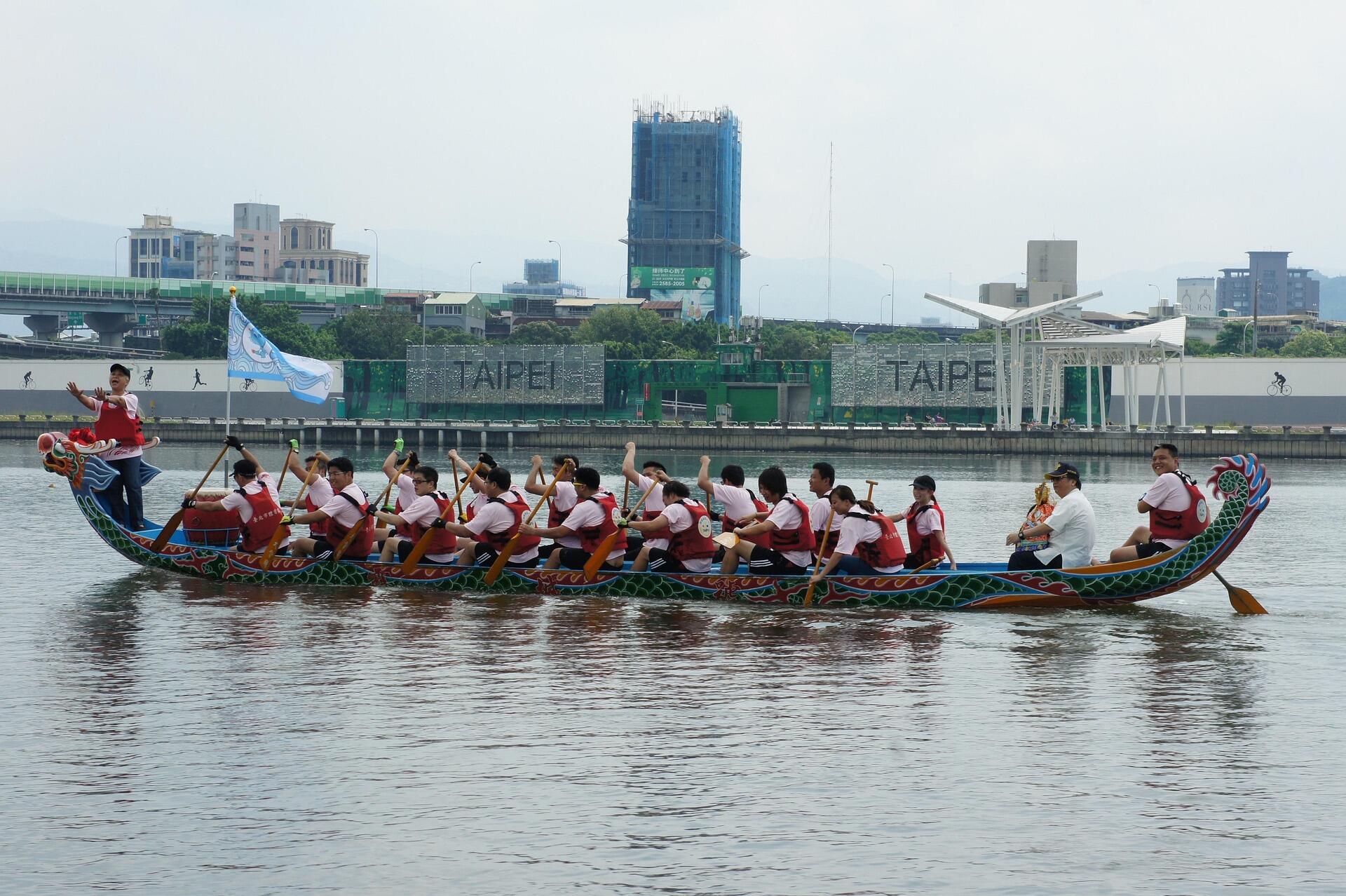
Stricken with grief, he jumped into the river. His admirers raced out to the middle of the river in their longboats, trying to rescue him. As they were not able to locate his body, they threw rice into the water to keep the fish from eating their hero, a story preserved in Chinese mythology and Chinese religion. To this day, the Chinese hold dragon boat races in his honour as part of the lunar calendar traditions.
Modern traditions include:
- Dragon boat races respect Chinese gods and goddesses
- Eating zongzi (glutinous rice dumplings wrapped in bamboo leaves) is an important custom of Chinese folk religion
- Carrying handmade spice bags. It is believed that it wards off bad spirits and brings fortune to those who wear it
Qi Xi Festival
Often known as the Chinese Valentine’s Day, the Qi Xi festival narrates the story of star-crossed lovers Niu Lang (the Cowherd) and Zhi Nu (the Weaver Girl), a famous legend in Chinese mythology. Since their love was forbidden, they were condemned to live apart, one on either side of the Silver River. A flock of magpies felt sorry for them. For one night each year, they form a bridge across the river so that the lovers may meet.
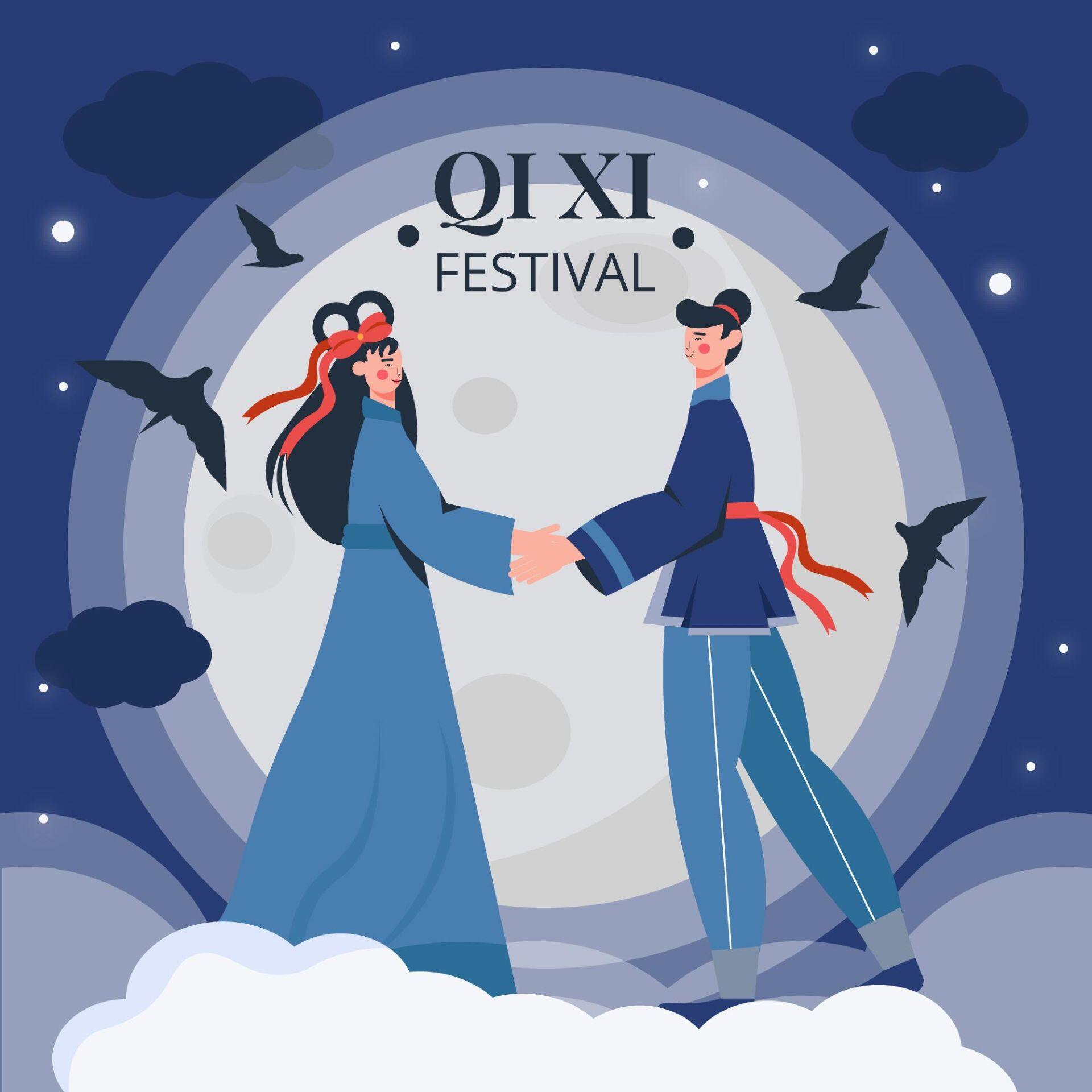
Newlywed couples traditionally pray to the celestial lovers to thank them for uniting them. These rituals promise a happy marriage.
Note: Niu Liang is said to represent Altair while Zhi Nu is actually Vega. The river the magpies span represents the stars in the Milky Way, reflecting astronomical notions associated with the era of the Yellow Emperor (Huangdi).
The Enduring Legacy of Chinese Mythology
Chinese mythology is not just restricted to the past. Instead, they play an important part in modern culture, with ancient myths being revitalised and reinterpreted to suit modern sensibilities. The mythical creatures of yore often make appearances in games, animation, films, and fashion in a new form, appealing to audiences both old and new.
Impact on Modern Architecture
Ornate carvings depicting Chinese mythology are a key part of Chinese temples and buildings. For instance:
- Dragon pillars are found in government buildings and represent power
- Stone lions (Shi) are usually placed at the entrances of banks, hotels, and restaurants for protection
- Roof ridge guardians like Chiwen and Procession of Beasts (Zou Shou) protect buildings from dangers
- Turtle-borne steles (Bixi) are large stone sculptures and serve as commemorative tablets at temples and other significant historical locations
Impact on Popular Culture
Chinese mythology is experiencing a powerful revival with traditional symbols like the White Snake, dragons, nine-tailed foxes, or jiangshi being reinterpreted in dramas and films.
Films like Ne Zha 2 and Black Myth: Wukong have turned ancient heroes into contemporary cultural icons and show how retold myths can capture worldwide attention.
Similarly, video games like Genshin Impact, Black Myth: Wukong, and Gujian are introducing international audiences to mythical characters like qilin, yinglong, and taotie. Yanluo Wang is another popular figure in video games and is often portrayed as a judge of the dead.
Fashion brands have incorporated the dragon, phoenix, and lingzhi mushrooms into clothing lines.
Influence on Art and Literature
Similarly, Chinese myths have had a deep influence on Chinese literature too. Cult classics like Fengshen Yanyi and Journey to the West are masterpieces where gods, demons, and magical creatures explore spiritual trials and cultural values.
Several films, plays, and television shows have been made on Chinese mythical characters. For instance, the Chinese drama series “Moon Fairy” is based on the story of Hou Yi and Chang’e. The Shen Yun Performing Arts group even has a routine dedicated to Hou Yi.
Summarise with AI:
Enjoyed this article? Leave a rating!

 Loading...