


French has been around for centuries and has evolved and changed based on France and its traditions. The French language, unsurprisingly, is known as the language of love. This is characterised by the beautiful-sounding words spoken in French.
The popularity of the French language has quadrupled in recent years. French mentors are increasingly in demand globally, including in Singapore, a multicultural and multilingual nation with many different nationalities, making it one of the places where the demand for French is at an all-time high. The following article will explain the process for becoming a French teacher, as well as the required expertise and training.
Key Takeaways
- To establish yourself as a credible coach of French, you must possess solid academic qualifications, recognised certifications(such as DELF, DALF, and DAEFLE), and teaching experience.
- Effective instruction of French uses a mix of Communicative Language Teaching (CLT), Task-Based Language Teaching (TBLT), technology, and immersion in the tradition.
- Your methods of educating should adapt to the different groups of learners you encounter (playful studying for children, relevance and use of technology for teens, and practical application for adults).
- You can aid learners to succeed with confidence by addressing some of the common barriers to understanding, such as pronunciation, listening comprehension, and motivation.
- Networking with other professionals, participating in ongoing professional development opportunities, and exploring new resources will assist you remain successful and flexible as a teacher of French.


🎓 Essential Qualifications For French Language Teachers
Academically sound foundations create mastery of subject matter & credibility as a teacher in the classroom. Examples of key academic qualifications are:
Academic Credentials: Degrees and Related Certifications for French Language educators'
Academic credentials serve to establish the professional's mastery of their subject area, along with their understanding of the process of teaching.
A Bachelor’s qualification in French Language or French Literature equips language educators with comprehensive knowledge of French linguistic structure, along with an understanding of phonetic articulation, lexical usage, and literary awareness connected to French texts and traditions.
This type of degree will aid in preparing a coach to acquire talent associated with classroom management and classroom instruction, as well as having knowledge of child psychology and suitable ways to instruct young children.
The goal of completing an MA in the area of French is to provide a person wishing to further their understanding of the structure of the French language, and to provide further knowledge about educating French to pupils finishing high school or beginning their college life.
Obtaining either a Diploma or an Advanced Diploma in French can be beneficial to individuals entering the profession of teaching French as an additional language, and who have completed studies outside of a French-related area. Additionally, holding certificates issued by organisations such as Alliance Francaise will add to the credibility of educators of French than would be held by an individual who does not hold such credentials.
DELF (Diplôme d’Études de Langue Française)
DALF (Diplôme Approfondi de Langue Française)
TCF – (Test de Connaissance du Français)
These certifications serve numerous purposes, including:
- Internationally recognised credential of French linguistic proficiency;
- Increased opportunities for employment by companies that require teachers to possess French linguistic proficiency;
- A formalised method of proof of French language proficiency.
Many French teaching opportunities prioritise candidates with formal qualifications in French or linguistics
French teachers in Singapore and international settings typically hold a degree in French and recognised certifications such as DELF or DALF aligned with CEFR standards.
Professional Certification: Importance of Teaching Certifications
Professional certifications provide individuals with the ability to teach French as a foreign language. For Example, DAEFLE (Diplôme d’Aptitude à l’Enseignement du Français Française Langue Étrangere): The DAEFLE is an internationally recognised qualification awarded jointly to individuals who have passed through the DAEFLE program by the Alliance Française and the French National Centre for Distance studying.
Reasons for the Importance of Professional Teaching Certificates:
- Multicultural Classroom Preparedness: Courses aid learner study how to effectively manage and provide resources for the successful mentoring of children from various backgrounds.
- Greater Opportunity for Employment: Professional certifications are typically required for individuals who wish to educate in international schools and/or training centres.
- Practical Experience: Professional certification programs may provide the opportunity to complete practicum teaching (supervised) and/or to gain real-world classroom expertise.
- Professional Credibility: Possessing a professional certification demonstrates to potential employers that a mentor of high standards.
Continued Professional Development
Engaging in Continued Professional Development allows educators the opportunity to continue to develop abilities and techniques that enhance their effectiveness and creativity in the classroom.
Types of Continued Professional Development:
Workshops/Seminars
Workshops and/or seminars are typically provided by educational institutions or organisations, such as the Institut Francais, and focus on Communicative Language Teaching (CLT), Task-Based Language Teaching (TBLT) and Assessment Design (AD).
Online Certificated Courses
Some web-based Continued Professional Development courses are available, such as phonetics, pedagogy specific to FLE, and curriculum development, which allow educators to continue their studies while they are working.
Conferences/Networking
Professional development conferences provide opportunities for networking with other French professionals and for sharing "best practices" and ideas for the classroom.
Research and Reading Literature
Research and reading academic literature are necessary for mentors to stay current with research in linguistics and how that research may apply to the classroom.
Training on the Use of Technology
Mentors will be equipped with the abilities necessary to utilise a variety of different forms of technology, such as electronic whiteboards and various types of mobile applications, in either a hybrid environment or for distance education.
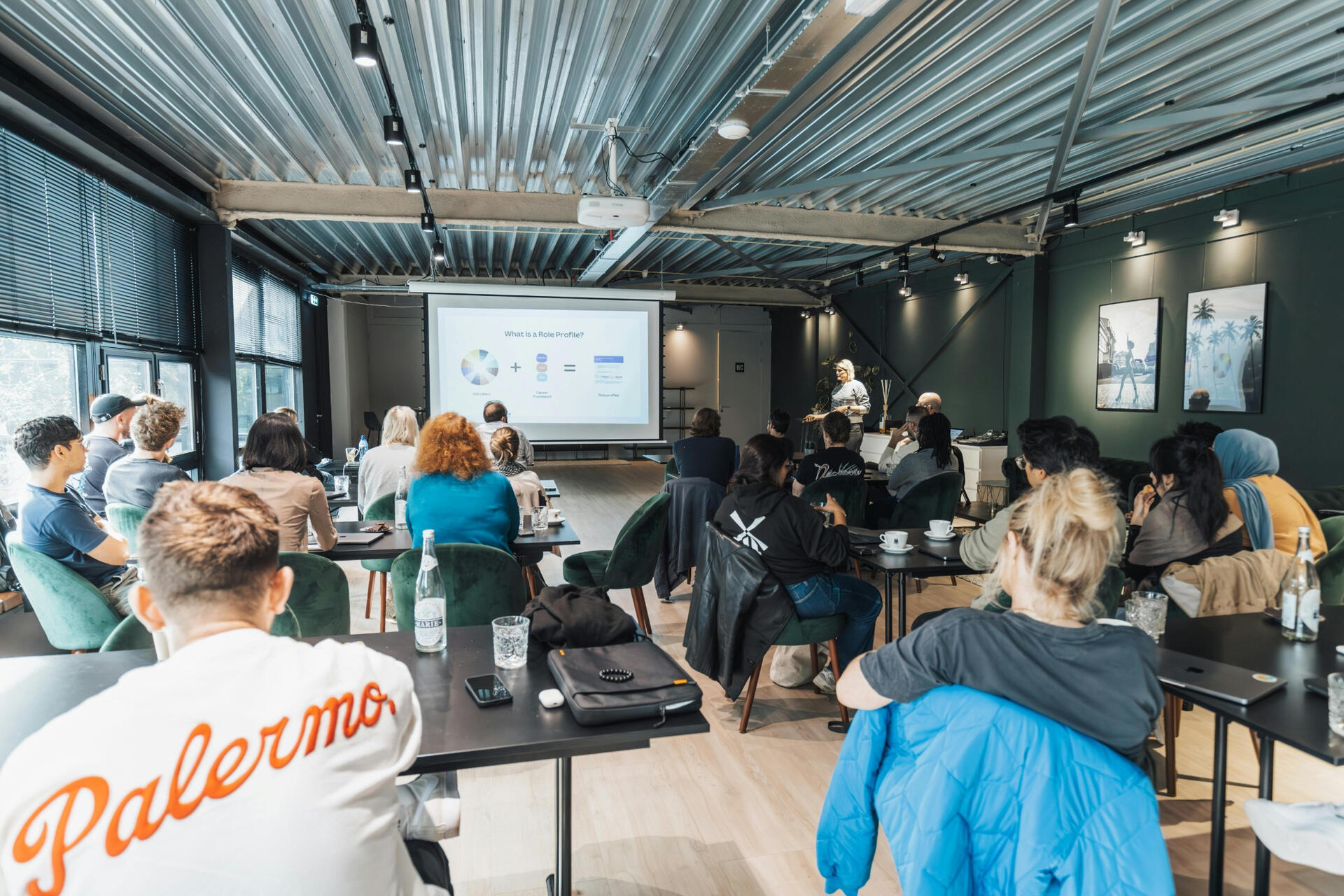
👩🏫 Effective Teaching Methods For French As A Foreign Language
Opportunities to teach French in another country allow instructors to combine language with social exchange and professional growth. This gives rise to amazing teaching methods that are engaging and exciting for students! Take a look at a summary of some recommended teaching methods on how to teach French to beginners:
| Teaching Method | Core Focus | How the Method Is Applied | Learning Outcome |
|---|---|---|---|
| Communicative Language Teaching (CLT) | Emphasis on interaction and real-life communication scenarios | Learners practise French through role-plays, interviews, group discussions, and information-gap activities that simulate everyday situations such as ordering food, asking for directions, or introducing themselves professionally | Improved fluency, confidence in speaking, better listening skills, and the ability to use French naturally in real-life contexts |
| Task-Based Language Teaching (TBLT) | Using meaningful tasks to promote language use | Lessons are structured around practical goals such as planning a trip, creating a presentation, or solving a problem together, with French used as the tool to complete the task | Stronger retention of vocabulary and grammar, improved collaboration skills, and a clear sense of purpose when using the language |
| Technology-Enhanced Language Instruction | Utilising digital tools and online resources to enhance learning | Teachers integrate language apps, online quizzes, interactive whiteboards, videos, podcasts, virtual flashcards, and collaborative online documents | Increased learner engagement, exposure to authentic accents, personalised learning pace, and improved listening and writing skills |
| Cultural Immersion Techniques | Integrating cultural elements to provide context and engagement | Learners explore French traditions, food, music, films, festivals, and social norms through activities such as analysing songs, watching film clips, discussing customs, and simulating café visits or social events | Deeper cultural understanding, better comprehension of tone and politeness, stronger emotional connection to the language, and more meaningful learning experiences |
Communicative Language Teaching (CLT)
Central to CLT is community-based or meaningful communication. Traditional learners of French typically focus on mastering the grammatical rules of French, but here, learners participate in using the French language in various authentic scenarios they will most likely face in everyday life.
The CLT approach fosters an atmosphere of increased confidence, fluency, and listening ability while also making the process of acquiring a language more stimulating and socially enjoyable. Explore more French tutoring opportunities, which will aid the instructor in sharing linguistic talents.
Task-Based Language Teaching (TBLT)
TBLT promotes language use through lessons centred on meaningful tasks, rather than isolated language structures. For example, when learners do a task like planning their trip to Paris or working together to solve a problem, they know that the purpose of using French is to complete the task.
While completing these types of tasks, the attendees will also practice vocabulary, grammar, and pronunciation in context, and they will be allowed to make mistakes during these tasks.
Incorporating Technology In Language Instructions
Digital technologies can be a powerful way to make learning French more engaging and interactive. By using digital devices like mobile apps (like language learning apps), virtual quizzes, interactive whiteboards, and video-based platforms, learners are also exposed to authentic spoken and written French.
In addition to providing learners with opportunities to use video, podcasts, and virtual flashcards as a way of being exposed to authentic, unscripted French, virtual discussion and document sharing platforms can aid in facilitating the collaborative nature of writing.
By using technology, learners can have more choice in how they acquire and when they engage with studying materials. In addition, pupils can work at their own pace and receive timely feedback on their performance.
Cultural Immersion Techniques
Cultural Immersion techniques will aid pupils to understand the French language as it is actually used in real life. Overall, these culturally immersive activities provide learners with meaningful and enjoyable opportunities to gain expertise in the French language outside of the classroom.
The table below represents how tutors can include a variety of cultural activities when teaching French :
| Cultural Context | Activity | How to Use it to Get Fans of French Better | Language Skills Expanded |
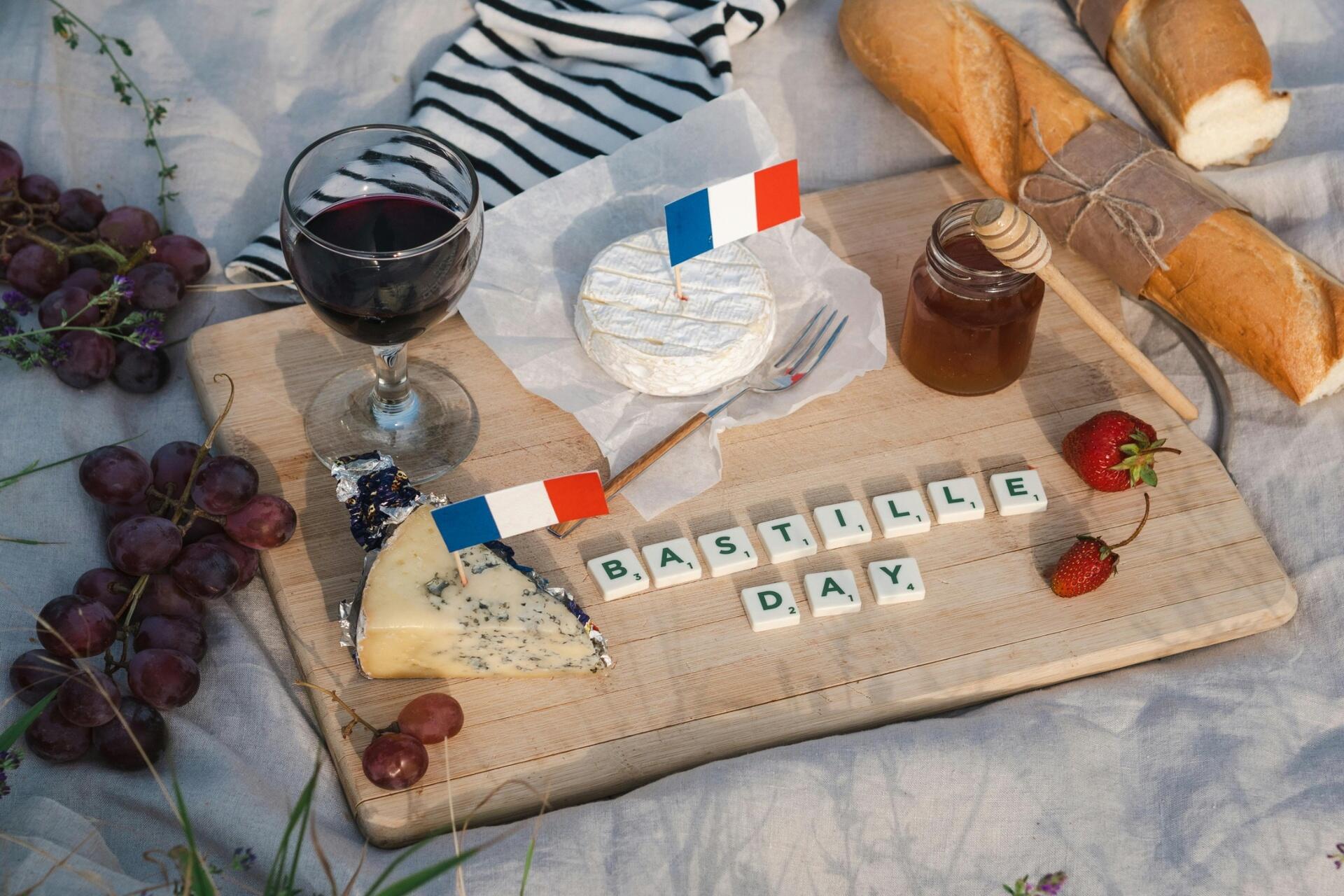
| Holidays in France that are Traditional | Bastille Day (14 July) Royal Weddings and Christmas to Kings Day 12th night. Create a small (3-5 minute) presentation or role-play having an 'on the phone' conversation* on the holiday of your choosing. | introduces context and new vocabulary that is seasonal and some specific phrases and vocabulary that would typically be used when celebrating that holiday. | vocabulary building - take the time to learn and use specific vocabulary related to the holiday, develop your speaking talents and improve your cultural knowledge |
| French Food | Simulate how to place an order at a café or restaurant, read a French menu, role-play a waiter-waitress/customer interaction | cultivates vocabulary that is food related, the ability to make polite requests, and gives the learner real-life language structures that can be used when speaking with cafés or restaurants. | speaking, listening and pragmatics [politeness] |
| French Music | Analyze song lyrics, do a 'listen and fill in', discuss theme and feel of song | listens to music and learns to listen for sounds and syllables and sounds together to develop their listening abilities. learn and improve one's pronunciation and rhythm through music, and develop understanding of informal expressions (through music). | listening, pronunciation, vocabulary and tone |
| Festivals In France | Research and evaluate the Cannes Film Festival; or research/evaluate other local/regional festivals, have a discussion or mini-project after each/some group(s) presents the information learned from this activity and how it relates to their awareness. | builds cultural context and provides topic-related vocabulary; provides descriptive attribute vocabulary related to the event. | reading, speaking, and developing vocabulary |
💡 Strategies for Teaching French to Different Age Groups
Teaching French to Children
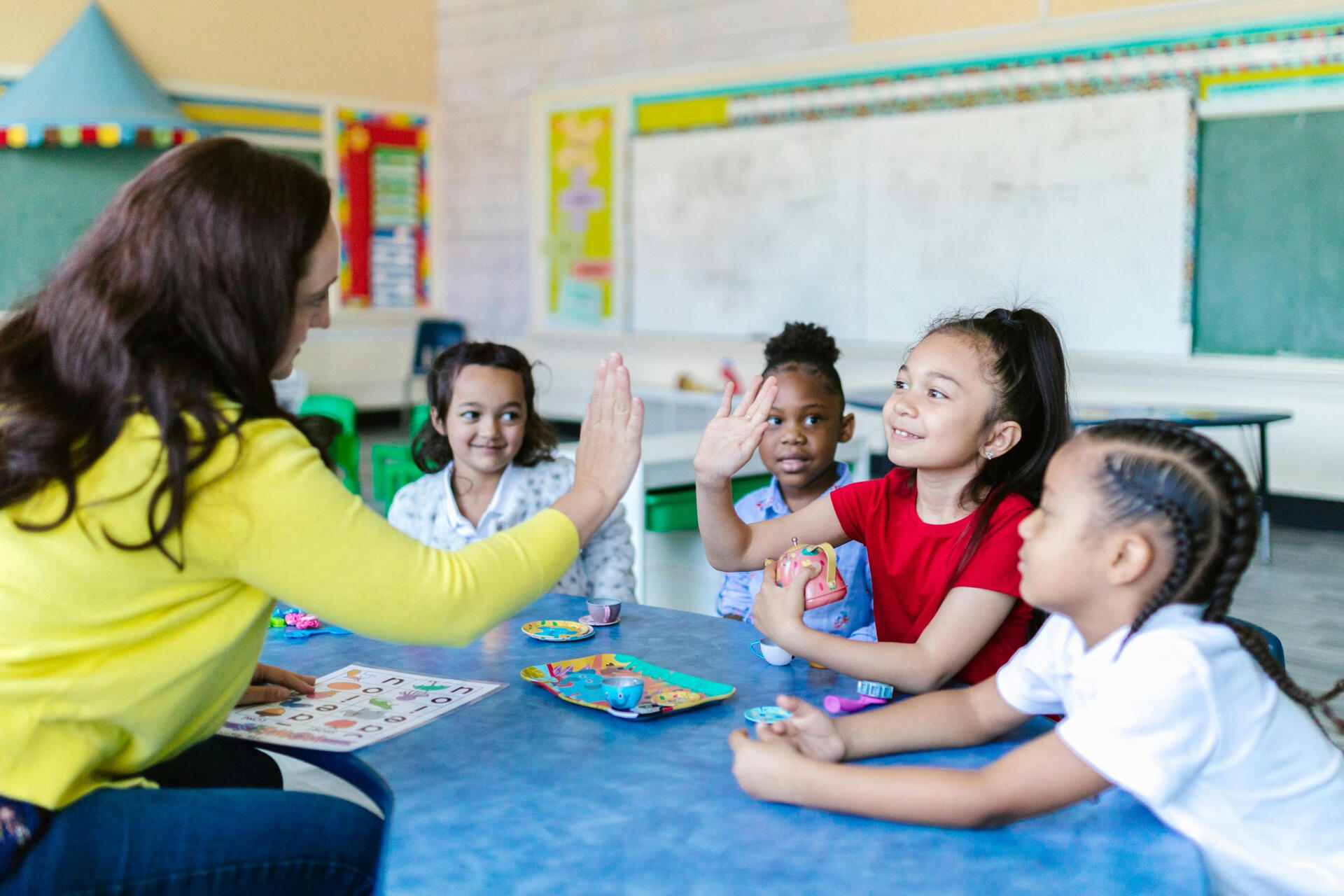
When a child associates their learning with play instead of work, they acquire the best. When they practice activities such as music, games involving movement, storytelling, or visual cues, they naturally create connections between sounds, words, and meanings in an authentic way.
Through regular exposure to songs, nursery rhymes, role-play, flashcards, puppets and short dialogues, children can practise French without stress or pressure. In this age group (3-5 years), the emphasis is on enjoyment, confidence and the development of listening and speaking talents rather than on achieving accuracy.
Teaching French To Teenagers
When exploring the French language, teenagers prefer lessons connected to topic areas that genuinely interest them, such as social media, travel, and fashion. Engaging adolescent participants through structured discussions and project-driven tasks helps strengthen their spoken communication ability and critical thinking in French.
At this phase of language development, teenagers are able to make use of digital tools including apps, videos, web-based assessments, and collaborative digital projects to support language practice in formats they already recognise and enjoy.
Teaching French to Adults
Typically, adult learners have specific reasons for wanting to master French - to improve job opportunities, to travel, to move, or for personal reasons. When developing a tutoring strategy for adults, it is important to use methods that focus on the language they will use in their everyday lives.
Understanding the main reasons to learn French helps learners stay motivated and committed throughout their language-acquiring journey. Connecting the understanding of French to real-life examples will keep adults motivated, lead to quicker progress, and will build confidence in the use of French on their part.
Comparative Strategies For Teaching Different Age Groups
| Age Group | Teaching Focus | Effective Strategies | Learning Outcome |
|---|---|---|---|
| Children | Building interest and early language exposure | Interactive games, songs, storytelling, visuals, repetition, movement-based activities | Natural pronunciation development, basic vocabulary acquisition, positive emotional connection with French |
| Teenagers | Maintaining engagement and relevance | Interest-based topics such as music, films, travel, and social media, group discussions, project-based tasks, use of apps and videos | Improved fluency, confidence in expression, balanced development of speaking, listening, reading, and writing |
| Adults | Practical and goal-oriented language use | Real-life scenarios, workplace vocabulary, structured grammar explanations, role-plays, discussions | Functional communication skills, faster application of language, confidence in professional and social contexts |
💪 Overcoming Common Challenges In Teaching French
The process of learning how to speak French can be challenging. Among the most common problems French-speaking pupil face are: pronunciation; listening comprehension; and motivation for continued learning (or lack thereof).
Addressing Pronunciation Difficulty
Understanding how to speak French can be difficult because of the sounds, silent letter rules, rhythm (how fast or slow you're talking), and intonation (the rise and fall of your voice). One can learn French phonetics gradually by :
- Having them listen to a sound before producing it
- Repeating sounds over and over (like doing minimal pairs)
- Having a good model to view/ imitate are good way for learners to identify and practice some of the most difficult sounds in French, such as nasal vowels or the French “r”.
Listening and repeating exercises, phonetic drills (similar to what you do when working on tongue twisters), and guided pronunciation practice (using audio or video materials) allow attendees to hear and practice authentic French pronunciation frequently.
Enhancing Listening Comprehension
Instructional mentors can support the development of listening proficiency by using stage-appropriate audio resources that align with a participant’s current fluency stage, gradually increasing linguistic complexity over time.
In addition to structured audio input, exposing language participants to diverse listening sources such as conversational recordings, music, podcasts, and video content aids them become familiar with multiple accents and regional variations of the French language.
Motivating Students: Methods to keep learners engaged and motivated throughout the course.
To sustain motivation while developing proficiency in a language (in this case, French), instructional facilitators must offer participants a clear pathway toward achieving their objectives and show how their newly developed competencies can be applied in everyday contexts. Providing ongoing progress-based feedback helps keep them motivated and aligned with their academic preparation.
Incorporating a range of engagement-based tasks, designing interactive exercises, and including culturally relevant resources (such as music, films, and role-play scenarios) helps ensure that language sessions remain positive, dynamic, and enjoyable.
🗣️ The Importance of Culture when Teaching Language
While teaching French, educators must be aware that it is context-dependent; language has a strong connection to its history, and the social environment in which it is spoken. By enhancing their understanding of various traditions, attendees will not only have an understanding of how the French language is translated into English.
For educators and learners interested in global exposure, overseas French coaching offers valuable opportunities to enable authentic language use while engaging with diverse educational settings
Understanding Francophone Cultures
French-speaking communities exist across the globe, each with distinct cultural identities that influence interpersonal communication styles. By developing an understanding of Francophone cultural diversity, language participants can recognise variations in pronunciation, commonly used expressions, social customs, and the appropriate ways to communicate with individuals from different cultural backgrounds.
Through exposure to traditional elements from regions such as France, Canada, Africa, the Caribbean, and other French-speaking regions, language participants gain insight into historical, geographical, and societal contexts, all of which have a direct influence on language use and communication patterns.
Integrating Cultural Content into Lessons
Using heritage-based resources is an effective way to enhance the relevance and enjoyment of the process of language acquisition. Incorporating cultural elements into French lessons makes language development more engaging and meaningful for participants.
Cultural integration can be achieved through guided discussions (for example, comparing how hockey is discussed in French versus English), simulated interactions, digital media tools such as video and radio, or project-driven tasks that illustrate real-world communication contexts and encourage active participation.
When participants are able to form connections between language use and cultural traditions, they gain a stronger comprehension of the target language and develop an enhanced ability to communicate effectively.
"If you talk to a man in a language he understands, that goes to his head. If you talk to him in his own language, that goes to his heart.”
- Nelson Mandela
📚 Resources And Tools For Teaching French
Having access to the proper resources and tools aids the tutor in providing quality instruction for their pupil when they are studying French. It also helps with their planning and assessments, as well as aids them in remaining confident and organised during the instructional process.
Recommended Textbooks And Materials: An Overview of Resources That Effectively Teach French
Utilising a variety of teaching materials (textbooks, workbooks, cassettes, and/or culturally relevant audio or audiovisual material) will cater to learners’ diverse learning styles, as well as provide them with a variety of different approaches to acquiring a second language; thereby promoting learner interest in the process.
Supplementary teaching materials such as flashcards, worksheets, authentic texts (newspaper articles, book excerpts) and/or multimedia materials may enhance learners’ understanding within the classroom.

Online Platforms And Communities: Internet-Based Communities and Tools
Internet-based communities/forums or networks of fellow educators are exceptional resources for French teachers, regardless of the expertise level. These forums and networks provide a framework for sharing and getting ideas/resources for lessons and strategies.
Many educators also choose to become a freelance French tutor to combine professional independence with a rewarding mentoring career. By joining these virtual communities, you can continually be motivated, connected, and informed on newer tools/methods.
Professional Organisations And Conferences: Participating in Professional Associations and Conferences.
Professional associations and conferences offer French language educators access to up-to-date developments in language acquisition through active involvement in these professional networks.
By gaining insights from fellow practitioners currently engaged in linguistic instruction, French instructional specialists are able to exchange teaching approaches and draw inspiration from peers who have successfully adopted innovative technologies and pedagogical techniques.
Through ongoing participation in the professional teaching community, French language mentors can remain current in refining their instructional competencies and maintain confidence in their ability to deliver high-quality guidance to their language learners.
Conclusion
Use appropriate methods of instruction, knowledge of culture, and developmentally appropriate techniques and materials to promote advanced levels of proficiency in French. In addition, encouraging learner sharing of confidence in speaking, improving their listening skills, and continuing to foster motivation is equally important.
In order to keep current with the continuing research in language acquisition, French tutors should continue their professional development. This will help to continually refine their methods of instruction, incorporate new tools into their classrooms, and provide targeted support so that they will be successful in ongoing professional development and achieve long-term success both in the classroom and professionally.
References
- Council of Europe. (2020). Common European Framework of Reference for Languages: Learning, teaching, assessment Companion volume. Council of Europe Publishing. https://www.coe.int
- France Éducation International. (2023). Diplôme d’aptitude à l’enseignement du français langue étrangère (DAEFLE). https://www.france-education-international.fr
- International Baccalaureate Organisation. (2023). Language acquisition guide. https://www.ibo.org
Summarise with AI:
Did you like this article? Leave a rating!

 Loading...

