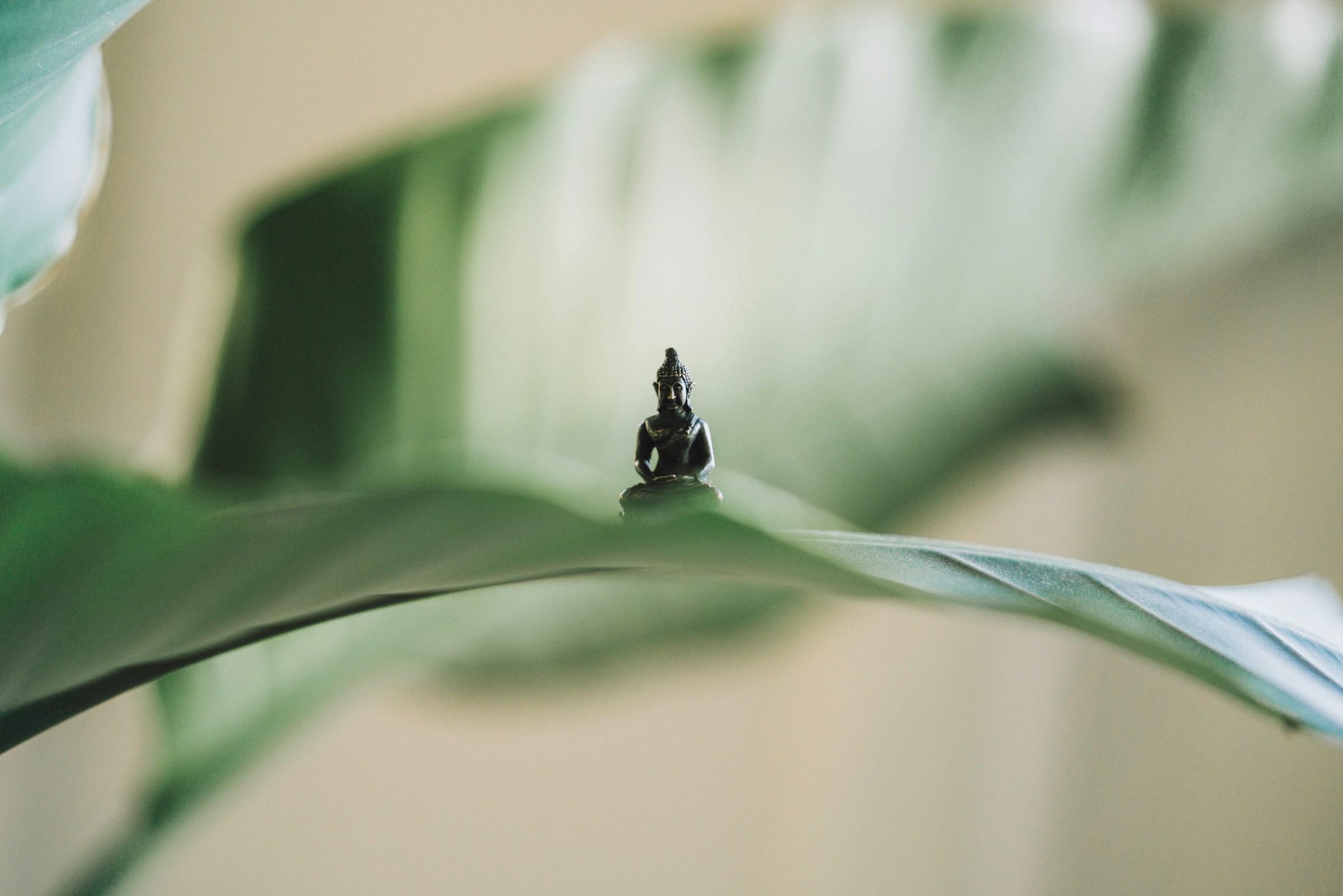

Yoga has been practised for centuries and has undergone significant changes over time. Its origins can be traced back thousands of years to ancient India, where it was initially developed as a spiritual discipline to harmonize the mind, body, and spirit.
The main objective was to facilitate meditation and self-discovery through physical postures, breathing exercises, and meditation. In a lifestyle full of manual labour and physical hardships, yoga was at first a practice meant for stillness, mindfulness, and meditation; an exercise for the spirit in a tired body.
As yoga evolved, different forms and styles emerged, focusing on physical fitness, mental discipline, or spiritual enlightenment. Despite these changes, the core purpose of yoga remains centred on achieving inner balance, self-awareness, and a connection with a higher power. Nowadays, yoga is often associated with physical postures that involve a series of easy and challenging movements.
Yoga is practised by millions of people all over the world. It is the practice that connects one’s body and mind, leading to decreased stress and an increased sense of peace. Many people who practice yoga often define it as the science of connecting your body with your spirit.
Yoga is the journey of the self, through the self, to the self.
The Bhagavad Gita






What Is Yoga?
The Hindi term ‘Yoga’ originates from the Sanskrit root word ‘Yuj’, which means ‘to connect’ or ‘to unite’.
Yoga has a traditional meaning and a modern meaning. Since the practice is thousands of years old, its purpose in society and for individuals has changed over time. It’s good to know the original intent and methodology of Yoga, even if you don’t use these ancient concepts in your own yoga practice.
Yoga in Ancient Times
According to Yogic scriptures, the purpose of Yoga is to encourage the merging of individual consciousness with Universal Consciousness, creating a harmonious relationship between the mind and body, as well as between humans and nature, humans and other humans, and humans and the universe.
Therefore, the goal of Yoga is self-realization/liberation, overcoming all forms of suffering to attain 'the state of liberation' (Moksha) or ‘freedom’ (Kaivalya).
The word Moksha comes from the Sanskrit word "Moksha” spelt as “मोक्ष.” The root word is "muc," which means "to let loose," "to free," or "to release." Moksha is a concept in Hinduism, Buddhism, and Jainism, representing liberation, freedom, or release from the cycle of birth, death, and rebirth (this cycle is called samsara).
The first iteration of yoga we know about is called Vedic Yoga, which was likely developed in tandem with the Rig Veda, the oldest known text in the world. The Vedas are a collection of thousands of years of knowledge that was exclusively passed down in spoken tradition until around 1500 to 1000 BCE when Krishna Dvaipayana Veda Vyasa began compiling all the knowledge into these tomes. The three main Vedas are:
- Rig Veda
- Yajur Veda
- Sama Veda
The fourth Veda, the Atharva Veda, is an outlier, containing a different type of information than the other three.
Vedic Yoga, as described in the Rig Veda, is threefold, composed of three main types of yoga and their respective features.
| Yoga Type | Veda | Consciousness Relation | Action Relation | Universe Relation | Energy Relation | Diety |
|---|---|---|---|---|---|---|
| Mantra Yoga | Rig | Waking State | Speech | Earth | Agni (Fire) | Brahma the Creator |
| Prana Yoga | Yajur | Dream | Prana | Atmosphere | Indra (Lightning) | Shiva the Transformer |
| Dhyana Yoga | Sama | Deep Sleep | Mind | Heaven | Surya (Sun) | Vishnu the Preserver |
Yoga at this time consisted of chanting mantras, deep meditation, breath practice (Pranayama), self-reflection and self-study, and Atmic mantra (which is similar to the modern practice of positive Affirmations).
Notice how there aren’t any physical asana (poses) mentioned! While some asanas may have been used in Vedic Yoga, they would have been an included component of the target technique, for example, Padmasana may have been part of mantra practice.
Practising all three yogas would eventually lead a yogi to Samadhi Yoga - the fourth type of yoga only achievable by disciplined and experienced masters. Additionally, a yogi could then practice Purna Yoga (“Complete Yoga”).
All of these practices were meant to help the yogi evolve spiritually.
Yoga in Modern Times
The next iteration of yoga is known as the eightfold path, from which Ashtanga Yoga and Raja Yoga formed.
The 8 Pillars of Yoga, as outlined by Patanjali in the Yoga Sutras in around 200 CE are:
- Yamas
- Ahimsa
- Satya
- Asteya
- Brahmacharya
- Aparigraha
- Niyamas
- Saucha
- Santosha
- Tapas
- Svadhyaya
- Isvara Pranidhana
- Asana
- Pranayama
- Pratyahara
- Dharana
- Dhyana
- Samadhi
This eightfold path of yoga is the jumping-off point for the other styles of yoga that have followed (and there are many!).
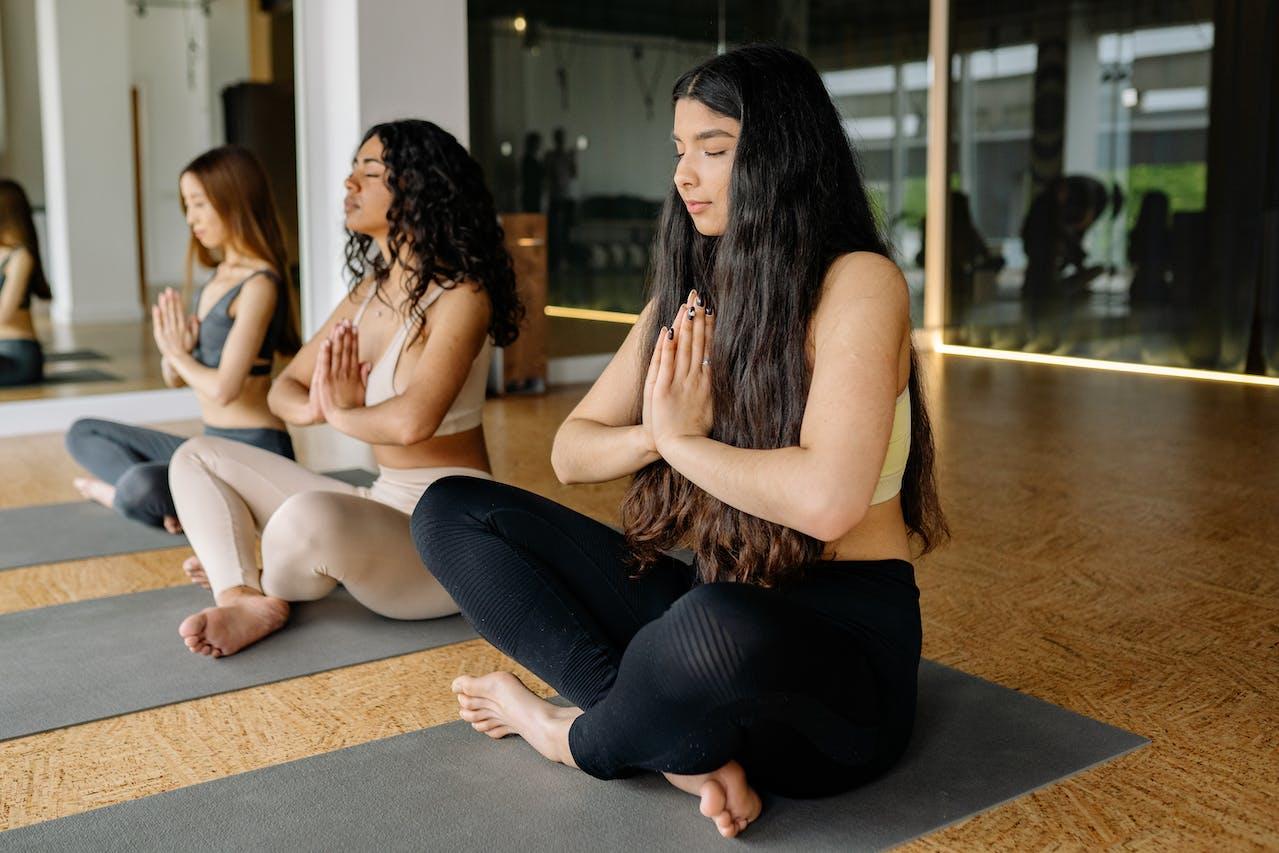
By far the most popular incarnation of yoga in the modern world is any style that relies heavily on asana, and sometimes on pranayama as well. There are a few reasons why this type of yoga became more popular than the meditative style outlined in the Vedas.
- As people’s lives became less about physical labour, they needed more exercise and physical movement to stay healthy and mentally connected to their bodies
- Trying to meditate with a body full of unspent physical energy is difficult; asana helps burn pent-up energy to prepare the body and mind for meditation and intentional stillness
- Many people in the modern age practice yoga mostly for the physical fitness benefits
- Physical movements help people in the modern age feel like the practice is tangibly doing something, the same way toothpaste feels more effective when it has a minty flavour
Most modern yogis who don’t know much about the history of yoga likely think that yoga is a physical discipline meant to get the body in shape and it also helps you feel more peaceful as a side-effect. While not entirely historically accurate, this is as good a reason as any for people to practice yoga!
While it’s beneficial for the yogi and honouring the idolatry of yoga by learning about its history and practising in the spirit of the original yogis, there is no harm when people practice yoga for fun or fitness. The more yogis in the world, the better!
A modern yogi is someone who practices yoga on any level.
Modern Goal of Yoga
Some modern scientists believe that everything in the universe is a manifestation of the same quantum foundation, meaning everything has a quantum connection; a connection that defies common logic and explanation.
For more hardcore yoga practitioners, a yogi is someone who experiences this interconnectedness of existence.
The primary objectives of practising Yoga are to live with freedom in all aspects of life, to achieve physical and emotional well-being, and to feel harmonious within the universe.
A Brief History of Yoga - Timeline
Widely regarded as an ‘enduring cultural legacy’ of the Indus Saraswati Valley civilization dating back to 2700 B.C., Yoga has demonstrated its ability to contribute to both the material and spiritual advancement of humanity. Fundamental humane values are at the core of Yoga practice.
A more linear history of yoga is helpful for understanding its evolution and how modern yoga institutions came to be.
2500 - 1500 BCE: The first iterations of yoga can be found in carvings from this time period located in the Indus Valley. The carvings show figures who appear to be seated in meditative postures. No decipherable writings exist from this time to learn more about the carvings.
1500 - 1000 BCE: Yoga is first written down by Krishna Dvaipayana Veda Vyasa in the Rig Veda.
700 BCE: The Upanishads are written and explain more about yoga.
500 BCE: The Bhagavad Gita is written and contains more information about yoga, such as samsara and how Bhakti yoga can help yogis achieve Moksha.
200 CE: Sage Patanjali organizes the theory and practice of yoga into the Eight Limbs of Yoga in a set of scriptures called the Yoga Sutras.
600 CE: The Tantras are written which led to the development of Tantra Yoga.
800 CE: Adi Shankaracharya (also known as Sankara) develops Advaita Vedanta, a tradition of yoga that emphasizes non-duality (Advaita) and knowledge (Jnana).
900 CE - 1800s CE: Various styles of yoga are developed, improved upon, and taught across India. Yoga is typically part of Hindu, Buddhist, and Jain traditions.
1883 CE: Swami Vivekananda travels to the United States and is a pivotal voice in expanding yogic practices to the West.
1950s: BKS Iyengar develops his signature style of yoga. Iyengar and other Hatha Yoga styles become more popular in the West.
1970s: Pattabhi Jois develops Ashtanga Vinyasa Yoga which picks up popularity in the West. More asana-heavy styles are developed per the Western audience’s tastes.
Present Day: Yoga is a worldwide phenomenon. While some people practice it like a fad, others find a deep connection with the practice and spend their lives learning more and living in line with the virtues of yoga.
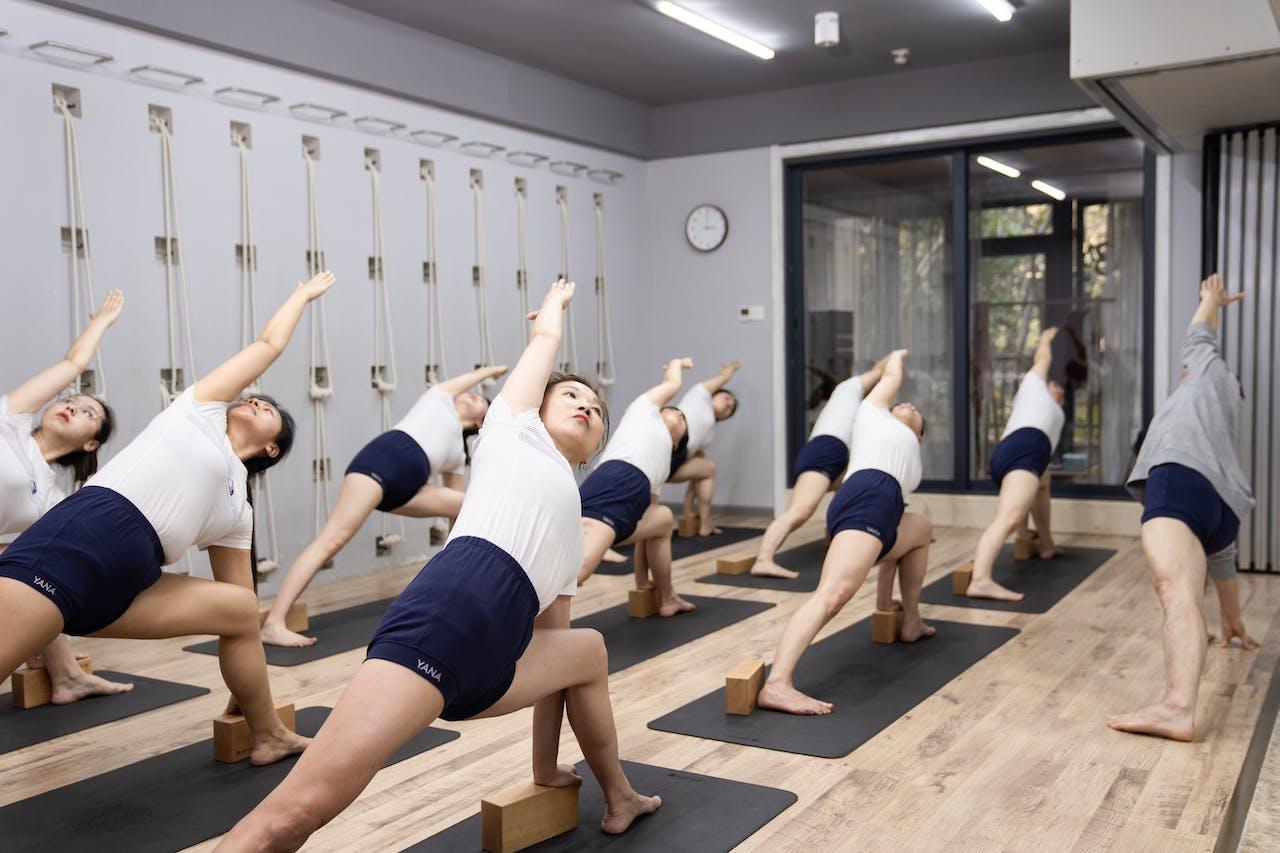
The Benefits of Yoga for Everyone - Basic Asana Exercises for Health
Yoga was popular thousands of years ago and continues to be practised by millions of people all over the world to this day. Obviously, it must have a lot to offer!
Yoga For Strength, Balance & Flexibility
Certain types of yoga, like ashtanga and power yoga, focus on physical exertion, which can enhance muscle tone. However, even gentler forms of yoga, such as Iyengar or Hatha, can still contribute to improved strength and endurance.
Various yoga poses, including downward dog, upward dog, and the plank pose, can help build upper-body strength. Holding standing poses for an extended period can strengthen the hamstrings, quadriceps, and abdominal muscles.
Here are some Yoga poses to do at home to improve your strength, balance and flexibility:
Warrior Pose (Virabhadrasana)
Named after Virabhadra, an incarnation of Lord Shiva, this asana represents strength, ferocity, and deftness.
The series of Warrior I, II, and III help you develop your strength, balance, and body awareness.
Supta Padangusthasana (reclined big toe pose)
This pose is named in an instructional manner: supta (reclined) pada (foot) angustha (big toe) asana (pose).
You can develop more flexibility when you perform the supta version of this pose. For more strength and balance, perform the standing version.
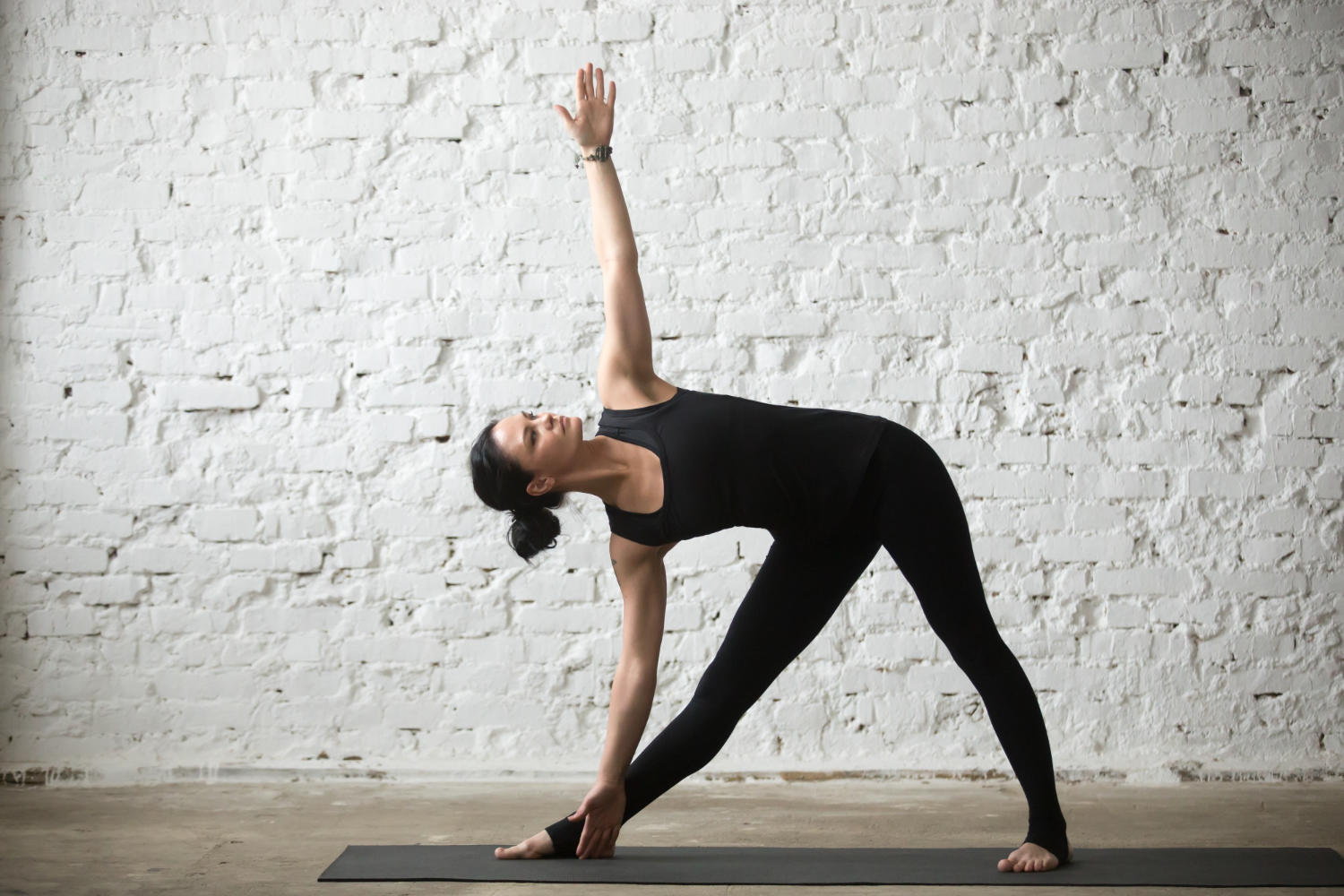
Trikonasana (triangle pose)
Another pose with an instructional name: tri (three) kona (corner) (trikona = triangle).
Performing this pose while resting the lower hand on the leg or on a prop helps develop flexibility. Lifting the hand to hover in the air develops strength. Both help you learn to balance.
Yoga For A Healthy Heart
Engaging in regular yoga sessions can potentially decrease stress levels and overall inflammation in the body, which can lead to improved heart health.
Moving the body regularly also helps decrease the chances of blood clots. The increased breathing rate required in yoga strengthens the cardiovascular and respiratory systems.
Yoga can also help address various factors associated with heart disease, such as high blood pressure and obesity.
Practice the following Yoga exercises for a healthy heart:
Vasisthasana (Side Plank Pose)
The name of this pose is a little open to interpretation. “Vasistha” means “wealthy,” so this pose is thought to bring you a wealth of physical and spiritual health.
Holding the body up with the arms is a good way to strengthen the muscles as well as the heart.
Vrksasana (Tree Pose)
“Vrksha” or “Vriksha” means “tree.” In this balancing posture, especially with the arms overhead, the heart can be worked with little physical exertion, strengthening its function.
Surya Namaskar (Sun Salutation)
This is actually a series of poses. There are three versions of Surya Namaskar: A, B, and C.
Surya refers to the sun god (and the sun itself), and “namaskar” is a respectful greeting in Sanskrit, similar to “namaste” but more revered. A good English translation is “Salutations.”
While this series of poses (which includes Pranamasana (respectful pose), Hasta Uttanasana (intense stretch with arms raised pose), Adho Mukha Svanasana (downward-facing dog pose), and Chaturanga Dandasana (plank pose) ) can be intense, especially for beginners, learning modified versions to suit your experience level is beneficial.
With time you can practice more advanced versions of the series of poses which helps develop strength, endurance, flexibility, and heart and lung health.
Viparita Karani (Legs-Up-The-Wall)
This relaxing practice consists of simply allowing your legs to rest up against a wall while you lay on the floor on your back. Doing this reduces stress on the veins in the legs as well as on the heart, allowing both a respite from working hard.
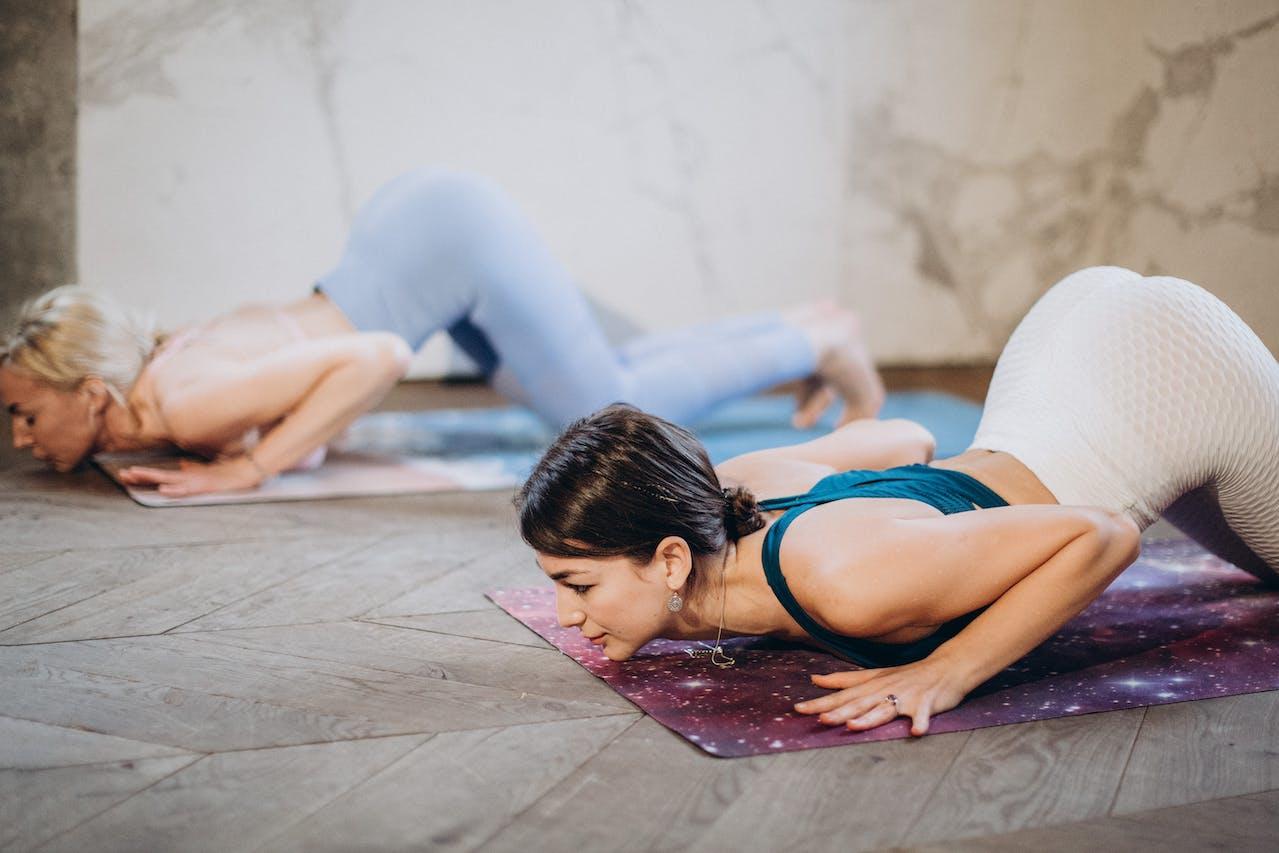
Yoga For A Good Night’s Sleep
The National Institutes of Health states that scientific research indicates yoga can help with managing stress, improving mental health, promoting mindfulness, encouraging healthy eating habits, aiding in weight loss, and enhancing the quality of sleep.
Long-term practice of activities like yoga can lead to improvements in balance, flexibility, blood circulation, range of motion, and strength. This consistent practice can also reduce the risk of injuries and sprains during other physical activities.
Here are some easy yoga poses for good sleep.
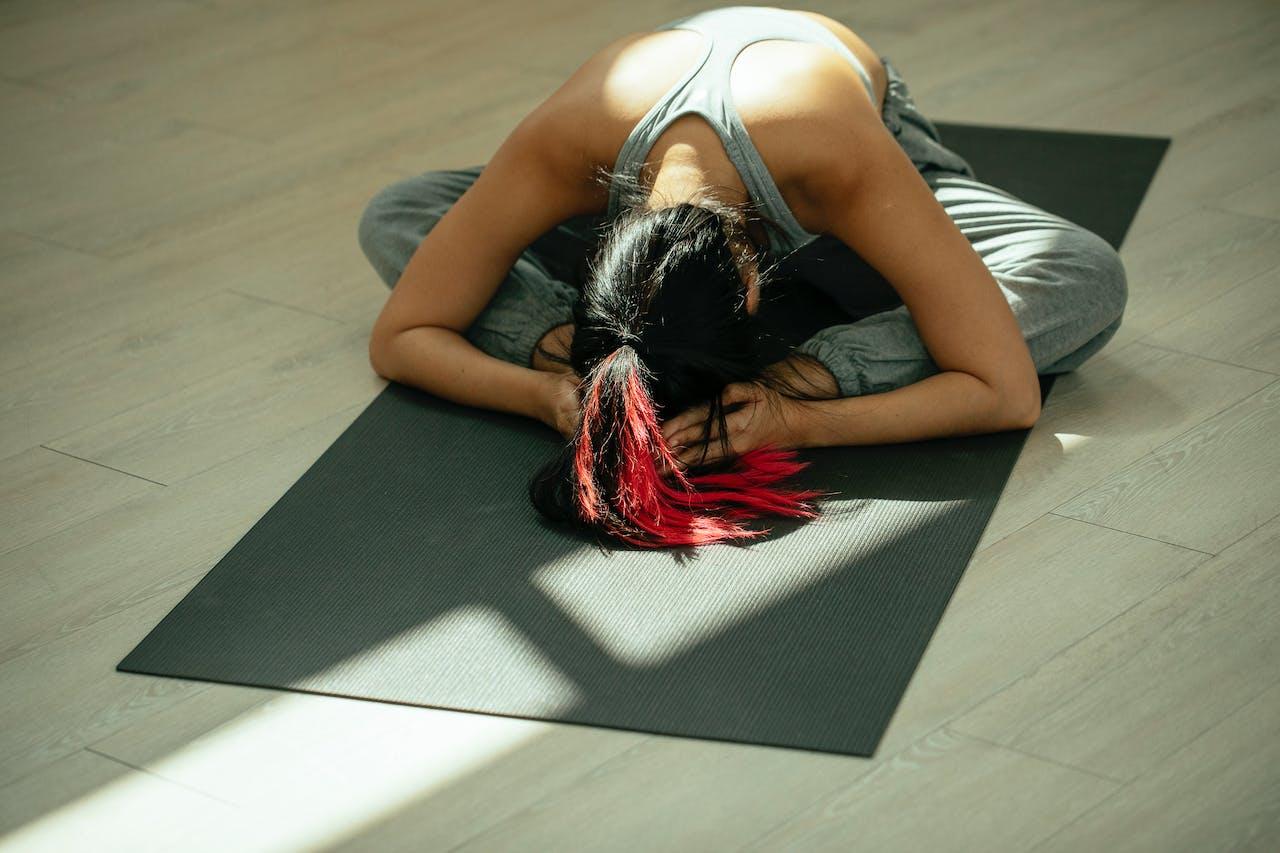
Balasana (Child's Pose)
This easy and relaxing pose really helps you feel good. It’s a gentle stretch for the spine and lower back. It can help you feel relaxed and safe while shutting out distractions from the world around you.
Parsva Balasana (Thread the Needle Pose)
The name literally means “revolved child’s pose.” This satisfying upper-back stretch helps relax the tension that usually gets help in the shoulders and spine throughout the day, especially if you spend a lot of time at the computer or driving.
Sukhasana or Padmasana (Seated Meditation Poses - Easy Pose or Lotus Pose)
A simple seated posture that you can hold for a few minutes while breathing, meditating, or simply being quiet for a while is a good way to relax and wind down for bed.
Yoga For Mental Health
Yoga, a type of mind-body exercise, has gained popularity as a widely used treatment for maintaining overall health and addressing various health issues. It should be viewed as a supplementary or alternative approach to medical treatment for managing stress, anxiety, depression, and other mood disorders.
Research has shown that yoga can enhance a sense of well-being, promote relaxation, boost self-confidence and body image, increase productivity, improve interpersonal relationships, enhance focus, reduce irritability, and foster a positive perspective on life.
Here are some great yoga poses for mental health.
Baddha Konasana (Bound-Angle Pose)
Sometimes called “butterfly pose” or “cobbler’s pose” the Sanskrit name of this pose refers to the holding of the feet together (bound) while the legs make a shape (angle).
It stretches the inner thighs and lower back, allowing the spine to sit up straight and tall. You can take big deep breaths while releasing stored tension in the hips!
Paschimottanasana (Seated Forward Bend)
The name of this pose translates to paschima = back of the body (the “west” side), uttana = intense, so an intense stretch for the back side of the body, the line from the back of the head down to the heels.
It helps stretch tight legs, hamstrings, and back muscles. If you let your head hang, it can feel great for the back of the neck as well.
Marjaryasana-Bitilasana (Cat-Cow Pose)
The often-loved pose of many yoga classes, this classic pairing creates a moving pose. Arching the spine up like a scared cat and then dropping the belly down like a dairy cow flexes the spine, rotates the shoulders, and loosens up the lower back and hips.
Your Guide To Find Yoga Classes In Singapore
Since yoga is an ultra-popular activity these days, it’s really easy to find yoga classes near you wherever you are!
Some local yoga studios you might check out are:
- Nithya Priyan School of Yoga
- Yoga+ - Tanjong Pagar
- Yoga Mala
- Hale Yoga Studio
- Align Studio
Practice Yoga With Superprof
Looking for personalized yoga classes with a professional yoga instructor? Superprof is a platform that connects students with private tutors, including yoga teachers and instructors.
On Superprof, you can find a yoga teacher who specializes in the type of yoga, asana, meditation, and/or pranayama that you want to learn! You can even learn how to live a yogi lifestyle following the Eightfold Path!
Find face-to-face or online classes with amazing yoga teachers on Superprof!
Summarise with AI:
Did you like this article? Leave a rating!

 Loading...