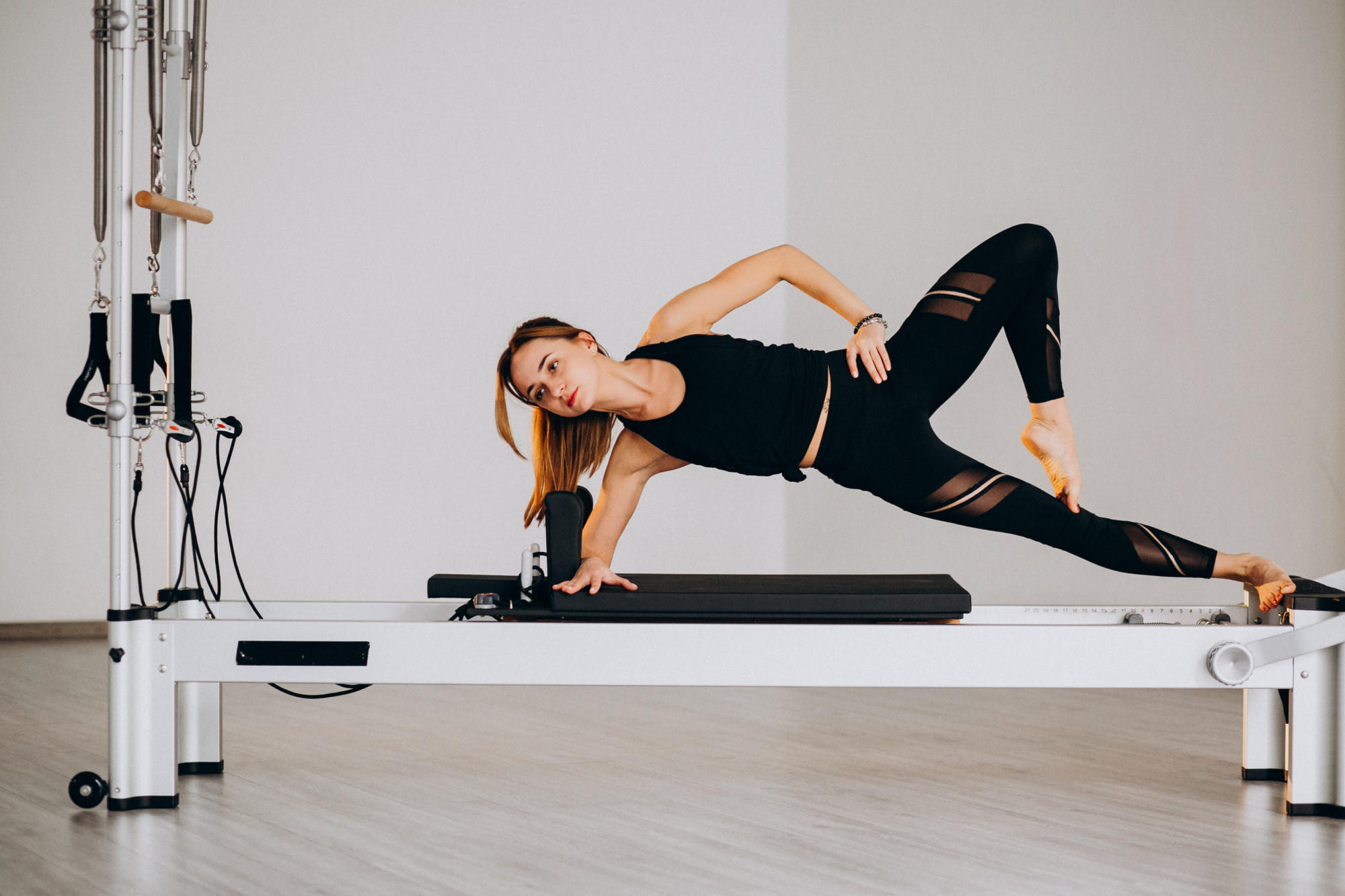

In the quest for a healthier and happier life, more and more people are discovering the magic of Pilates – a workout that goes beyond just sweating it out at the gym. Pilates isn't your run-of-the-mill exercise routine; it's a dynamic and mindful practice that tunes into both your body and mind.
Dating back to the early 1900s, Pilates has transformed into a versatile system of movement, celebrated for its power to boost core strength, flexibility, and overall body awareness.
Here, we’ll explore why Pilates is more than just a workout; it's a lifestyle. We’ll discover how it shapes not only your physical fitness but also your mental resilience – making it the go-to choice for those seeking a holistic and lasting approach to staying fit.


What Is Pilates?
During the 1920s, Joseph Pilates, a physical trainer, observed the negative effects of modern lifestyles on balance, posture, and overall physical well-being. He had experience using physical fitness as a way to improve overall health, since he had been born a very sickly child but found that he gained full strength after dedicating years to practising martial arts and gymnastics rigorously.
With this knowledge and experience in mind, Pilates developed a fitness regimen that included breathwork, stretching, and strengthening using early models of Pilates machines. He was able to perfect his method (called Contrology at the time) while held in an internment camp in England during WWI.
After the war was over, he immigrated to the United States, where he and his wife Clara began teaching the Pilates method to injured ballerinas and gained a cult following. Over time, Pilates was recognised as an effective method to quickly gain flexibility, mobility, and strength leading to improved overall well-being. Since then, Pilates has been modified to accommodate individuals in the general population.
How Pilates Works
Pilates can be both an aerobic and non-aerobic exercise, requiring focused concentration as the body moves through precise ranges of motion. It emphasizes finding a central point to control the body during movement, usually the core. Each exercise involves specific positioning, rhythm, and breathing patterns.
In Pilates, muscles are not typically pushed to exhaustion, so there is less emphasis on sweating or straining and more on intense concentration. The workout comprises various exercise sequences performed with low repetitions, usually five to ten times, over 45 to 90 minutes. Floor-based exercises on a mat and specialized resistance equipment are commonly utilized.
This intense concentration and control improves mental health while the movements help to reverse stiffness and muscle problems resulting from typical daily habits.
On average, a person can burn around 200 to 300 calories during a 50-minute Pilates class. This calorie burn is comparable to other moderate-intensity exercises such as brisk walking, cycling, or swimming. However, it's important to note that the calorie burn can vary significantly based on the specific exercises performed, and the effort put into the workout.
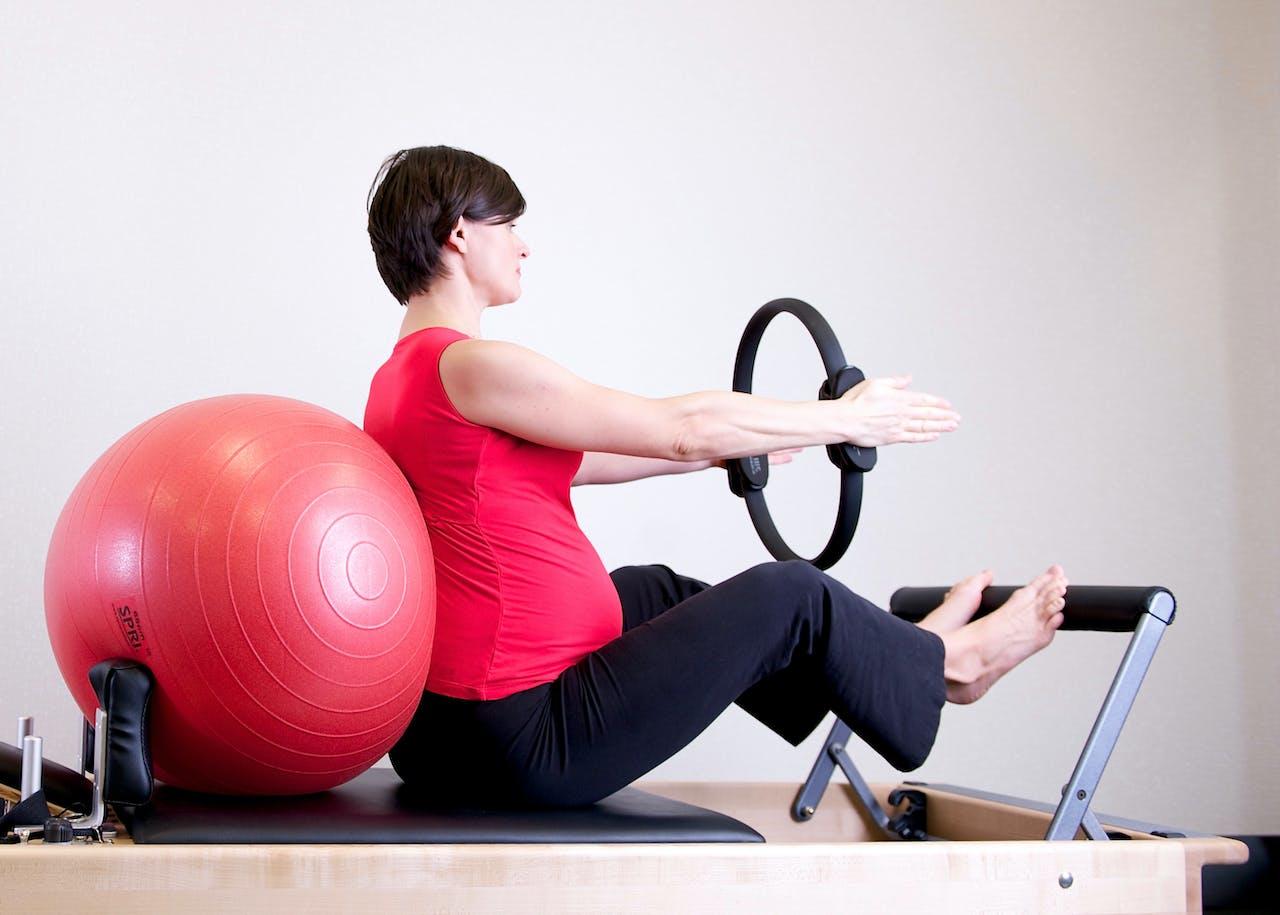
Pilates can be practised on a yoga or fitness mat or using specialized equipment, such as the Pilates reformer, Cadillac, and chair. Mat Pilates is a great option for those who are new to Pilates or have limited access to equipment. Equipment-based Pilates can provide a more challenging and varied workout, but it is important to learn how to use the equipment safely and effectively.
Benefits Of Pilates
Pilates is suitable for individuals of all levels, from total exercise beginners to workout warriors. You have the option to do exercises using just your body weight or with the assistance of different types of equipment.
A standard Pilates session consists of a variety of exercises and stretches. Each exercise is done with a focus on proper breathing methods and control of the abdominal muscles.
Pilates workouts focus on training the core muscles through slow, controlled movements. These exercises specifically target the deep muscles in the abdomen, back, and sciatic areas, which are crucial for maintaining good posture and performing advanced exercises or athletic activities.
This type of training aims to strengthen and tone the core muscles, while also improving muscle coordination and balance through maintaining and balancing Pilates positions.
For optimal results, it is recommended to do Pilates at least two or three times a week. Improvement in posture may be observed after completing 10 to 20 sessions.
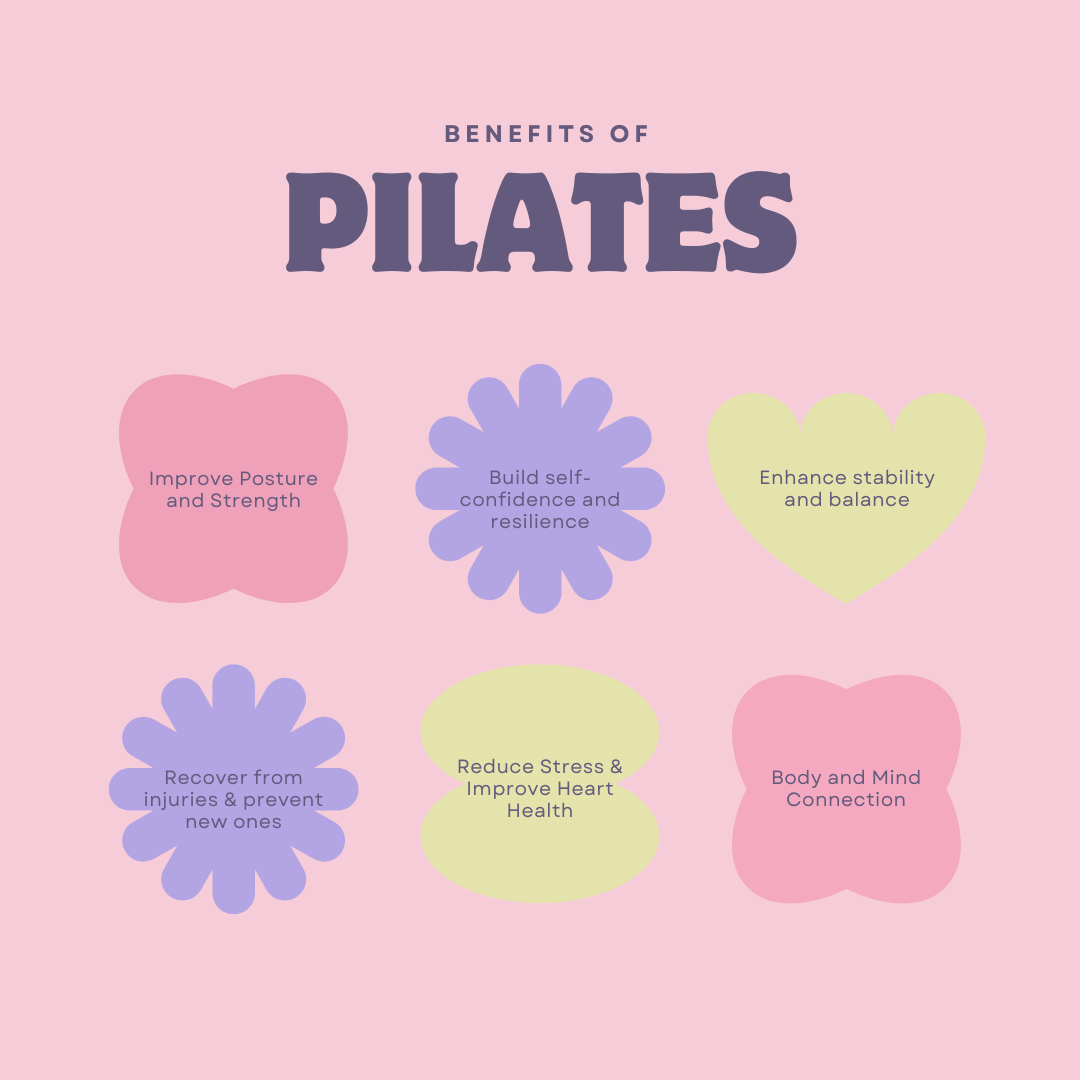
Here are some of the well-known benefits of Pilates:
Enhanced Flexibility & Mobility
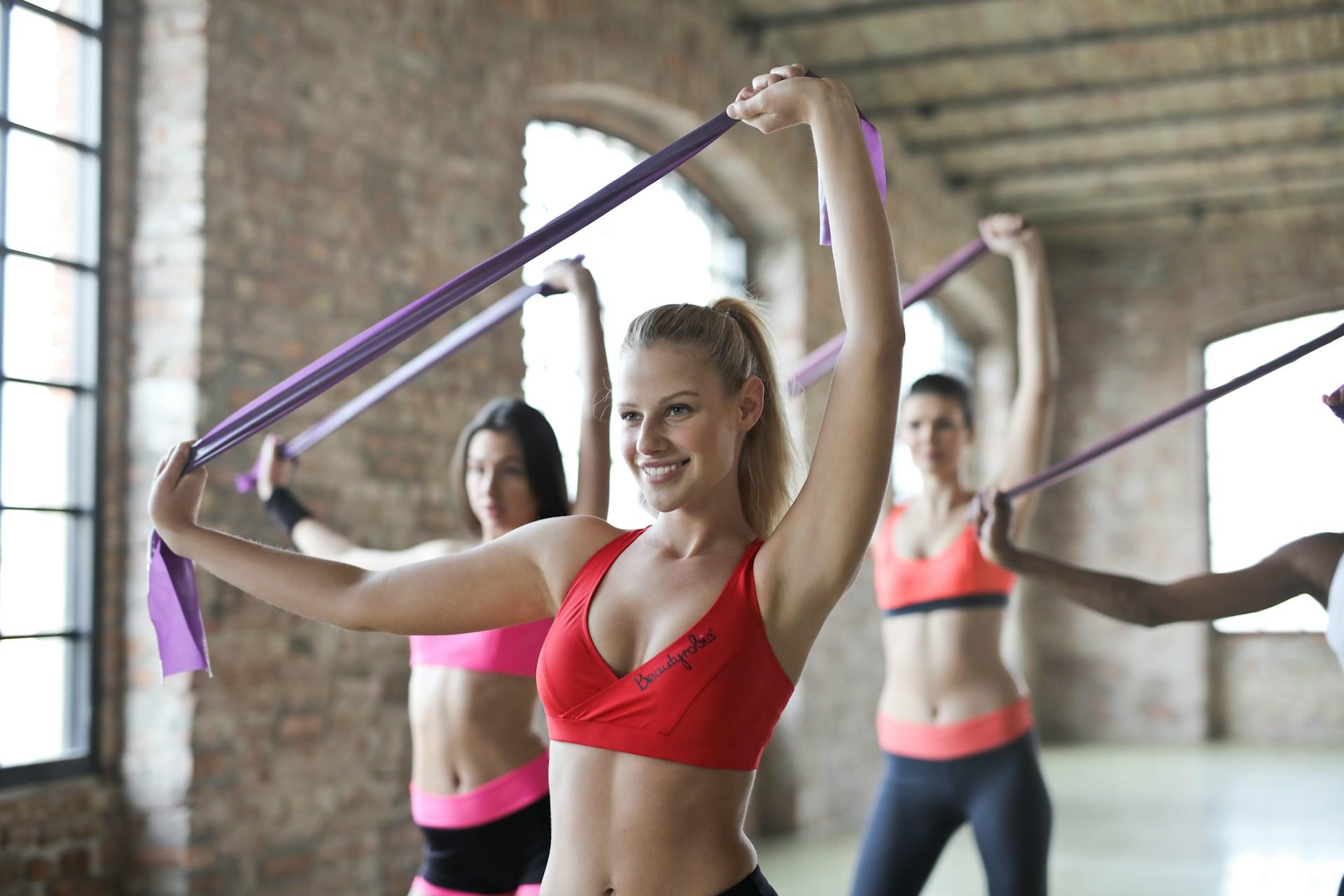
Having trouble reaching your toes? Pilates enhances muscle flexibility and joint mobility by incorporating dynamic stretching exercises that effectively lengthen your muscles. As your flexibility increases, you may notice improved reach and higher jumps in other physical activities. Enhanced flexibility also leads to a greater joint range of motion, and well-stretched muscles can more readily achieve a full range of motion.
Improved Posture
Pilates works to activate the muscles in the core, including the abdomen, back, and trunk, which can assist in aligning the spine and promoting proper posture. By emphasizing correct body positioning and enhancing flexibility, Pilates aids in stabilizing the back and overall posture, making it an effective method for improving posture.
Improved Muscle Control
If most of your exercise routine consists of high-impact activities such as HIIT, cardio, and strength training, you may want to contemplate integrating Pilates as a recovery day workout. The low-impact, high-effect nature of Pilates makes it a perfect complementary exercise for any other type of workout routine. Where other types of exercises might focus on speed or strength, Pilates helps develop control and precision.
Injury Rehabilitation and Prevention
Engaging in Pilates along with other types of exercise can enhance your ability to withstand injuries, and can be incorporated into the early stages of injury rehabilitation. For instance, dancers utilizing Pilates for beginners is a great way to diversify their training regimen to target, engage, and fortify muscles, thereby lowering the risk of injury due to any muscular weak spots.
A firm core also helps you develop your balance, leading to better overall alignment and stability in your daily life. This helps reduce further injury or stiffness from poor posture during your daily life as well as helps you avoid accidents like tripping, falling, or bumping into things, which can cause more injuries.
Stress Management and Relaxation
It is widely recognised that physical activity positively impacts our mental well-being, and Pilates is no different. Concentrating on your breath has been proven to lower stress, elevate endorphins (the feel-good hormones), and ultimately enhance lung and heart function. As a result, your body can deliver more oxygen to your brain, leading to increased alertness and readiness and decreased fatigue and melancholy.
Many people also find exercise like Pilates to be therapeutic because it is like a kind of meditation. Taking time to focus on your mental and physical health, away from things like work and social media, helps people to feel more relaxed long after the session is over.
Improved Respiratory & Cardiac Health
Pilates enhances lung capacity by engaging deep muscles in the body. A large portion of Pilates is also about focusing on the breath, causing you to take deeper, more regular breaths.
While Pilates is commonly used to prevent back pain and improve overall physical health, its positive impact on respiratory capacity, endurance, lung volume, and oxygen flow rates is often overlooked. Studies have shown that Pilates stimulates the muscles in the heart and lungs, contributing to improved pulmonary function.
Who Can Do Pilates?
Pilates is a form of exercise that focuses on strengthening and lengthening the body's muscles, improving flexibility, and promoting overall well-being. It is a low-impact exercise, making it suitable for individuals of all ages and fitness levels. Pilates is particularly beneficial for those looking to improve their posture, reduce back pain, and increase core strength. It can also be helpful for individuals recovering from injuries or surgeries, as it helps to strengthen and rehabilitate the affected areas.
While Pilates is generally safe for most people, some individuals may need to avoid or modify certain exercises. These include individuals with certain medical conditions, such as osteoporosis, severe arthritis, or uncontrolled high blood pressure. Pregnant women should also consult with their doctor before starting a Pilates routine.
If you are new to Pilates, it is recommended to start with a beginner class or work with a qualified Pilates instructor to ensure proper form and technique. As you progress, you can gradually increase the intensity and duration of your workouts.
General Precautions for Pilates
Pilates is a form of exercise that is gentle on the body, making it unlikely for you to get injured while doing it, especially if you have a qualified and certified trainer. Overall, there are not many negative effects of doing Pilates. However, there are a few things you should consider.
Pilates may not be very effective for weight loss for some people because it is low-impact. If weight loss is your main goal, you can combine Pilates with other high-intensity exercises.
While a Pilates mat is easily accessible, a Pilates reformer can be expensive and difficult to store. Classes or programs that use a reformer may also be more costly.
If you are completely new to exercise or fitness, you may experience symptoms like muscle soreness, lower back pain, and fatigue when starting Pilates. However, with proper pacing and guidance from an instructor, these issues will soon diminish.
Pilates is considered safe for individuals of all ages and fitness levels, but it is important to take proper precautions. Before starting Pilates, consult a doctor if you meet any of the following criteria:
- Having obesity
- Having underlying medical conditions such as heart disease, COPD, osteoarthritis, etc.
- Recently having undergone surgery
- Recovering from a musculoskeletal injury
- Being pregnant
- Being over 45 years old
Regardless of your health status, it is essential to begin Pilates under the guidance of a trained and certified instructor. While certain aspects of Pilates can be self-taught by seeing videos or reading, only a qualified instructor can demonstrate proper form for more advanced techniques.
Using proper form is essential to ensure that you don’t accidentally cause pain or injury and so that you get the full benefits from the Pilates exercise.
Overall, Pilates is a great workout method for people of all ages and abilities to reduce pain and improve overall health. Enjoy the many benefits of Pilates when you find a personal Pilates instructor to get you started!
Summarise with AI:
Did you like this article? Leave a rating!

 Loading...