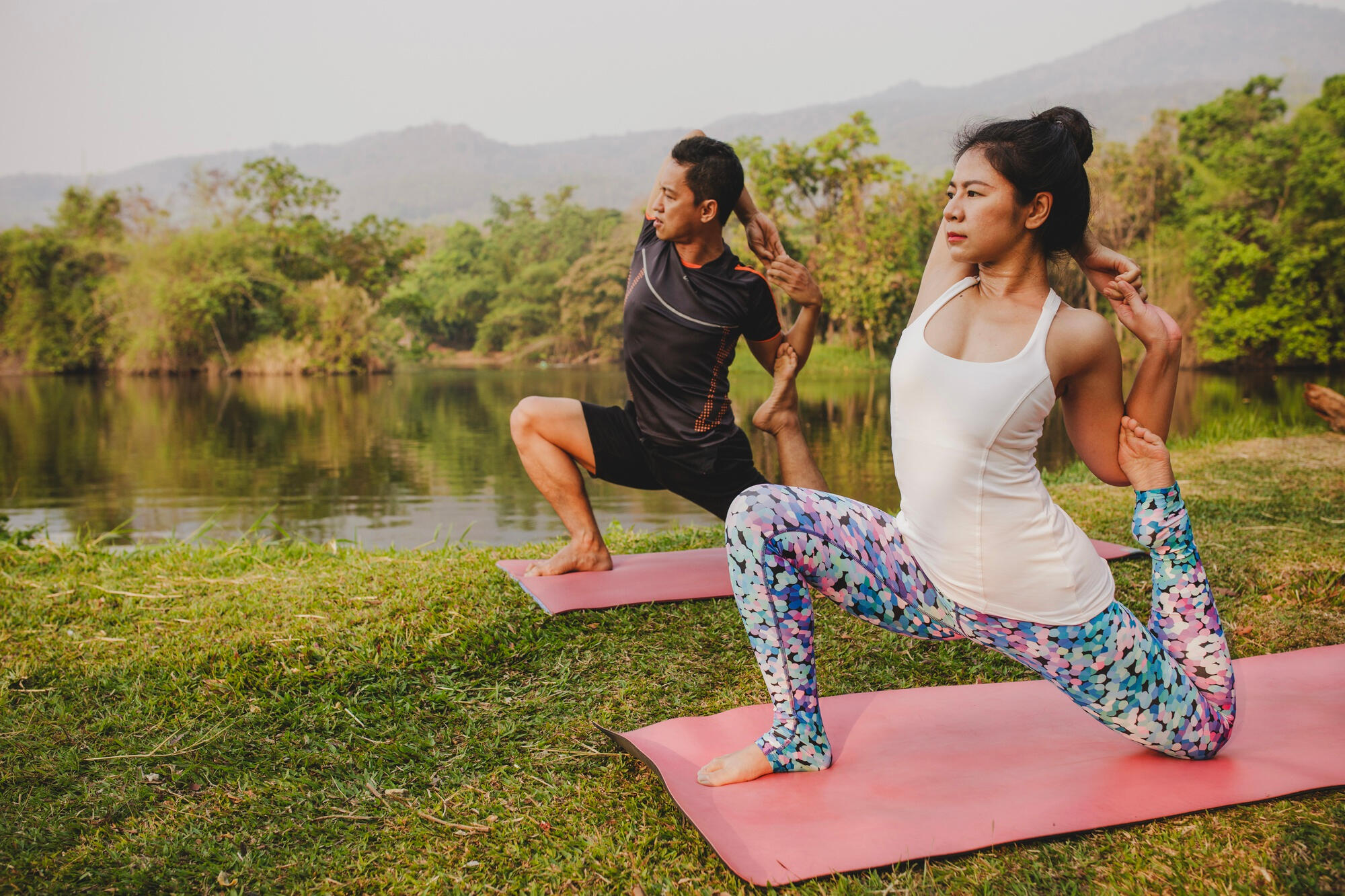

Most people, especially those new to exercise, often see Pilates and yoga as similar practises. Both are low-impact, class-based movement practices that use mats and focus on controlled movement and breathing. Each improves core strength and contributes to overall well-being. However, both have different origins, priorities and class experiences.
In Singapore, learners can explore options ranging from reformer and mat Pilates to Hatha, Yin, hot, Vinyasa and prenatal yoga—offered across community centres, gyms, and boutique studios. In essence, neither discipline is inherently superior; the right choice depends on your personal goals, fitness level, budget, and any physical considerations or injuries.
Pilates and yoga are both low-impact workouts, but they focus on different things. While Pilates generally focuses more on core strength, muscular control, and precise repetitions, yoga combines physical postures with flexibility, breathing, and mindfulness. Choose Pilates if you want structured strength and stability work; choose yoga if you want greater mobility, relaxation or a mind-body practice. Many people in Singapore benefit from doing both.
Pilates is generally more strength- and stability-focused; yoga is generally more flexibility-, balance- and mindfulness-focused. Your best choice depends on the class style and your goals.


Pilates vs Yoga at a Glance
Comparison Table: Yoga vs Pilates
Yoga and Pilates are both mind-body practices that have gained immense popularity in recent years. While they share some similarities, such as promoting flexibility, strength, and balance, they also have distinct differences.
Here is how Yoga and Pilates stack up with each other. These are the important aspects you might want to consider if you’re looking for a new exercise routine or want to try out new exercises at home.
| Factor | Pilates | Yoga |
|---|---|---|
| Main focus | Core strength, alignment, control, stability | Mobility, flexibility, balance, breath and mindfulness |
| Typical pace | Controlled repetitions and precise technique | Varies widely: slow Yin to flowing Vinyasa |
| Breathing | Coordinated with core engagement and movement | Often used to guide movement and support relaxation |
| Equipment | Mat, reformer, resistance ring, ball, bands | Usually a yoga mat, blocks, strap, bolster |
| Mindfulness element | Present through concentration and body awareness | Often central, especially in traditional and slower styles |
| Best suited to | Posture, core conditioning, controlled strength | Flexibility, stress relief, mobility and balance |
| Beginner accessibility | Accessible with proper instruction; form matters | Accessible, but choose an appropriate class style |
| Typical Singapore class options | Mat, reformer, clinical/rehab-oriented | Hatha, Vinyasa, Yin, hot yoga, prenatal |
| Note | Broad tendencies rather than rigid rules; a gentle mat Pilates class and a high-intensity reformer class may feel very different | Broad tendencies rather than rigid rules; Hatha and Vinyasa can also feel very different |
Similarities between Yoga and Pilates
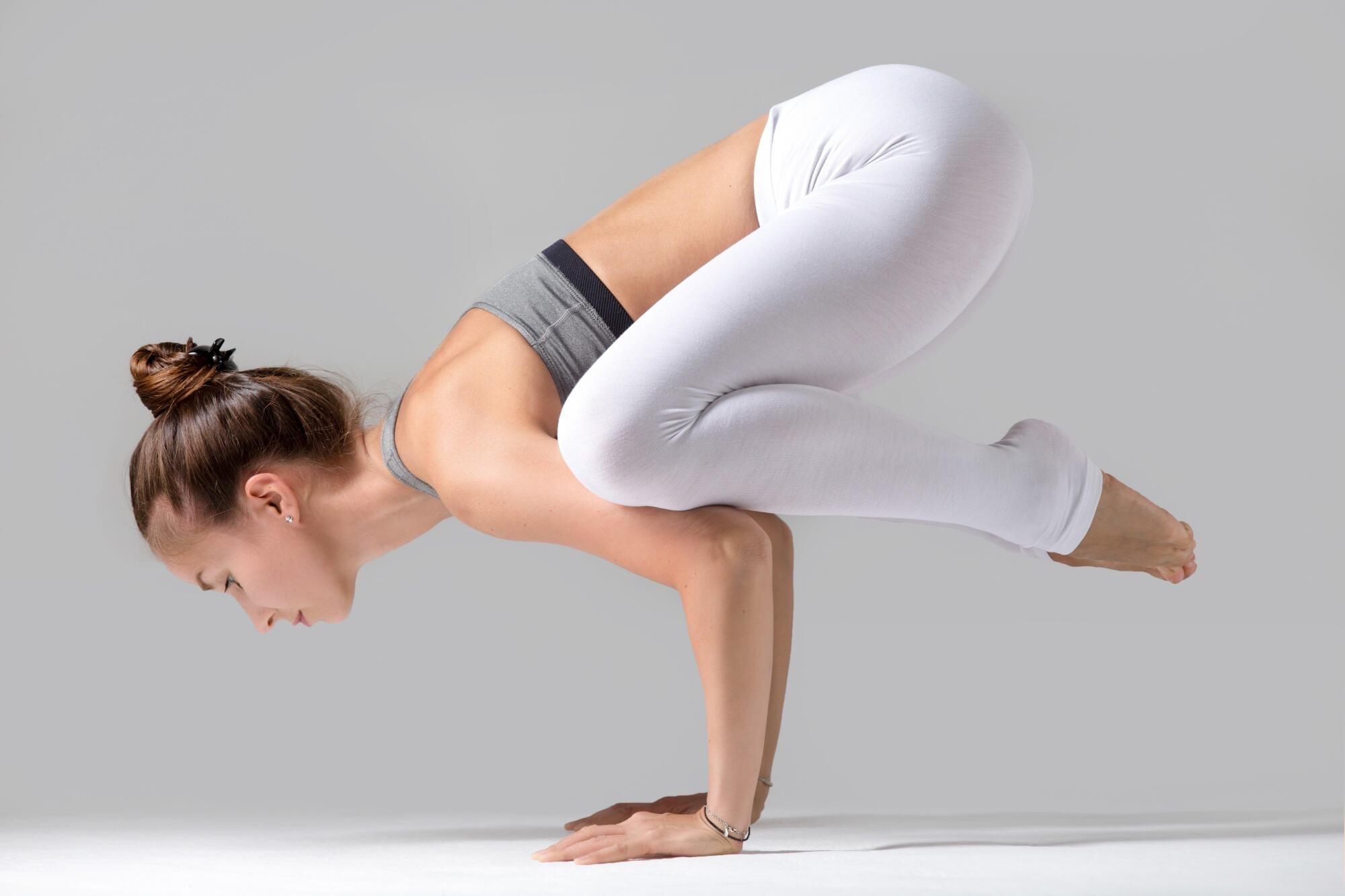
Despite the differences between Yoga and Pilates, both have certain similarities. In fact, when Joseph Pilates was developing his exercise method, he studied yoga and drew inspiration from yoga asanas (postures). You’ll notice that many Pilates exercises look a lot like yoga asanas.
- Both are low-impact exercises and are ideal choices for people looking to begin their fitness journey.
- Both tone and strengthen the body without putting unnecessary stress on your muscles and joints.
- Each emphasises body awareness and focus on breath. Controlled breath in turn reduces muscle tightness and helps with fluid movements.
- Both support balance, mobility and muscular endurance through controlled bodyweight movements. This also complements running, cycling, strength training and desk-based lifestyles.
Under the guidance of a qualified instructor, both forms of exercise can be taught to people of all age groups and of any fitness level.
For an office worker in Singapore who spends long hours seated at their desk, practising either yoga or Pilates introduces planned movement, improves posture awareness and reduces stiffness from prolonged sitting.
What’s your main reason for comparing Pilates and yoga?
The Difference Between Yoga and Pilates: Method, Movement and Equipment
🧘Pilates: controlled strength, stability and alignment
Pilates was developed by Joseph Pilates, a physical trainer, in the early 20th century as a system of controlled, intentional movement when he observed the negative effects of modern lifestyles on balance, posture, and overall physical well-being.
Rather than focusing solely on isolated muscle groups, Pilates views the "core" as an integrated network. It emphasises finding a central point to control the body during movement, usually the core. Each exercise involves specific positioning, rhythm, and breathing patterns.
In Pilates, muscles are not typically pushed to exhaustion, so there is less emphasis on sweating or straining and more on intense concentration. The workout comprises various exercise sequences performed with low repetitions, usually five to ten times, over 45 to 90 minutes.
Key Mat Exercises
- Bridges: The Bridges exercise targets the gluteus maximus and hamstrings and strengthens spinal mobility.
- Leg Circles: Leg circles improve hip joint mobility while building deep core strength.
- Toe Taps: Toe taps isolate the lower abdominals while requiring a stable, neutral spine throughout the movement.
- Side-Lying Leg Work: Performed lying on one side, side-lying leg work isolates the gluteus medius and brings about pelvic alignment.
- Plank Variations: It is a core strengthening exercise that engages the abdomen, shoulders, back and glutes.
🧘♂️Yoga: Postures, Breath and Mind-Body Practice
Yoga that originated in ancient India over 3,000 years ago is a holistic practise combining physical postures (asanas) with breathing (pranayama), meditation, lifestyle choices, and spirituality.
Asanas are typically performed once for a certain amount of time, or are performed multiple times as part of a Vinyasa sequence. The goal is to achieve harmony between the mind, body, and spirit.
Yoga Styles
Although Hatha means “force”, Hatha yoga is a slower-paced yoga style that emphasises holding static poses and focusing on breathing. It is ideal for beginners and those who want a gentle introduction to yoga.
Hot yoga is practised in a room heated between 85°F and 105°F. The high heat increases heart rate and sweating, which many believe helps with toxin release.
Vinyasa yoga is characterised by breath-synchronised movements and its physically demanding style. It is fast-paced and best for practitioners seeking dynamic workouts.
Yin yoga is a slow form of yoga where floor positions are held for several minutes. This type of yoga targets the deep connective tissues and helps with long-term joint mobility.
Restorative yoga is a therapeutic type of yoga that uses several types of props like books and blankets to support the body and promote deep relaxation.
Heat and humidity can place extra stress on the cardiovascular system. Therefore, those with cardiovascular conditions, pregnancy-related concerns, dizziness, or other underlying medical conditions should consult a doctor before trying hot yoga or other strenuous exercises.
Pilates mat vs yoga mat: is there a difference?
Yoga mats and Pilates mats might look similar on the outside, but they are designed for very different practices. Understanding the difference between Pilates mat vs yoga mat will help you pick the right mat for your needs.
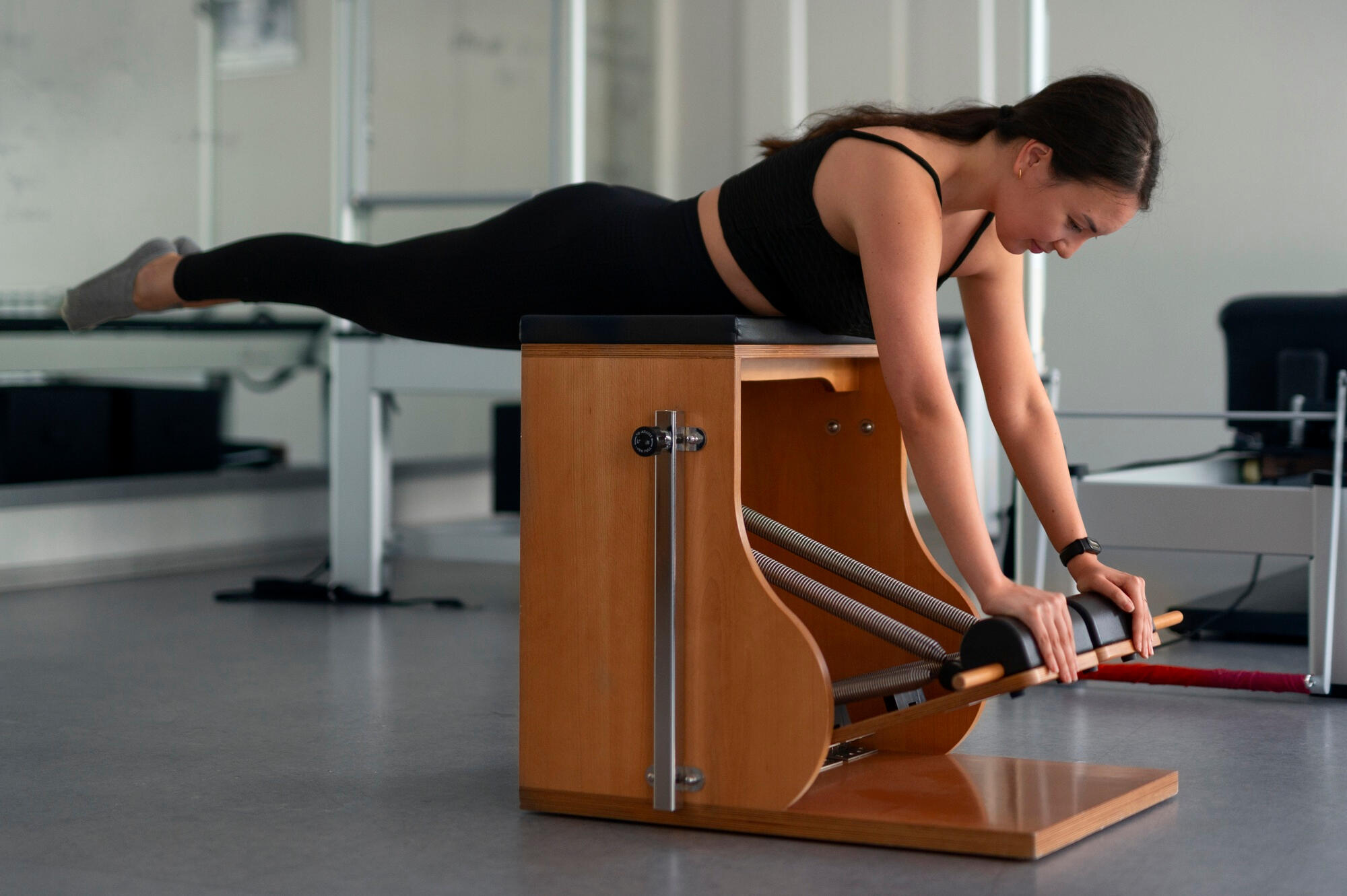
The biggest difference between yoga and Pilates mats comes down to thickness and surface texture. Yoga mats are usually thinner and grippier and help with standing yoga poses.
In contrast, when considering yoga vs Pilates, it is seen that Pilates mats are often thicker, as more movements are performed lying down. The extra padding protects the joints and back from rubbing against hard floors.1
Despite these differences between yoga and Pilates, a high-quality yoga mat can still work well for Pilates. Ultimately, the decision to choose between a Pilates mat vs yoga mat depends on your personal need for grip, cushioning, and specific pose requirements.
For Singapore’s humid climate, choosing a mat that absorbs moisture is essential. Choose a wipeable, non-slip mat so sweat does not soak into the material, and carry a small towel for sweatier sessions to maintain a dry grip.
When choosing a Pilates mat vs a yoga mat, keep this buying checklist in mind.
Consider thickness
A thinner mat, around 3–4 mm, is ideal for practising yoga and provides better stability for yoga poses, while a thicker 6–10 mm mat gives extra cushioning for Pilates exercises that involve spending time on the floor.
Check the grip
Textured surfaces will provide more traction even when you get sweaty during a workout.
Pay attention to the material
Materials like natural rubber provide better grip, whereas foam mats are lighter and easier to maintain in humid Singapore.
Portability for commuting
Portability should be a priority, especially when you commute by bus or MRT to your Pilates/Yoga studio. A lightweight mat with a strap will make commuting easier.
Cleaning requirements
Closed-cell mats are easier to clean, while rubber mats require thorough cleaning.
Does the studio provide rental
Check if the studio you are going to provides mat rental services. Knowing the policies beforehand will help you decide whether it is feasible to buy a mat or not.
Benefits of Pilates vs Yoga for Different Goals
💪For core strength, posture and controlled movement
Pilates is often the stronger choice for people looking to build core strength, posture and controlled movement. Pilates places greater focus on trunk stability, glutes, hip control and muscular endurance that is required for building core strength and controlled movement.
It can also complement practitioners looking to support their gym training, running or sedentary work. Reformer Pilates will add external resistance, although do note it is not a replacement for progressive strength training.
🧘♀️For flexibility, mobility, balance and stress management
Yoga may be a better fit for people whose requirements are flexibility, mobility, balance and stress management. While slower yoga styles like Yin and restorative yoga can provide a calming way to destress after work, dynamic yoga styles like Vinyasa improve movement confidence.
Flexibility need not always be the goal, though. Singaporeans who are naturally flexible should pay attention to controlled strength and joint stability.
🏃♂️Pilates vs Yoga for weight loss
Neither Pilates nor yoga can specifically reduce “belly fat”, as loosing belly fat requires a sustained effort, amply supported by a lifestyle comprising daily movement, resistance training and regular cardiovascular activity.
This does not mean Pilates and yoga cannot support weight-management routines. More active exercise formats like reformer Pilates circuits or Vinyasa yoga improve fitness consistency and burn more calories than gentler Yoga or Pilates sessions.
So, instead of chasing “fat-burning” claims, choose an activity that you enjoy. For example, if you stay in Singapore, you can pair two weekly Pilates or yoga sessions with brisk walks around your HDB neighbourhood, climb stairs and have healthy Kopitiam meals suited to your energy needs.
❤️🩹For recovery and managing aches
People with minor aches may benefit from gentle yoga or Pilates to manage stiffness and maintain comfortable movement. However, if you are suffering from persistent, sharp, or worsening pain, it is better that you get it assessed by a doctor or physiotherapist.
Beginners with previous injuries, back problems, or other joint conditions should choose classes suited to their needs and inform the instructor about any relevant concerns they might have.2
Choose Pilates if you want:
- Better core strength and improved body control
- A focused workout built around controlled movements
- Greater awareness of stability, posture, and alignment
- The flexibility to exercise on a mat or a reformer
- Training that complements strength training, running, or other sports
Yoga may suit you if you want
- Greater flexibility, range of motion, and balance
- Movement combined with mindful relaxation exercises
- Classes ranging from slow and gentle to challenging
- The opportunity to explore a variety of class styles and formats
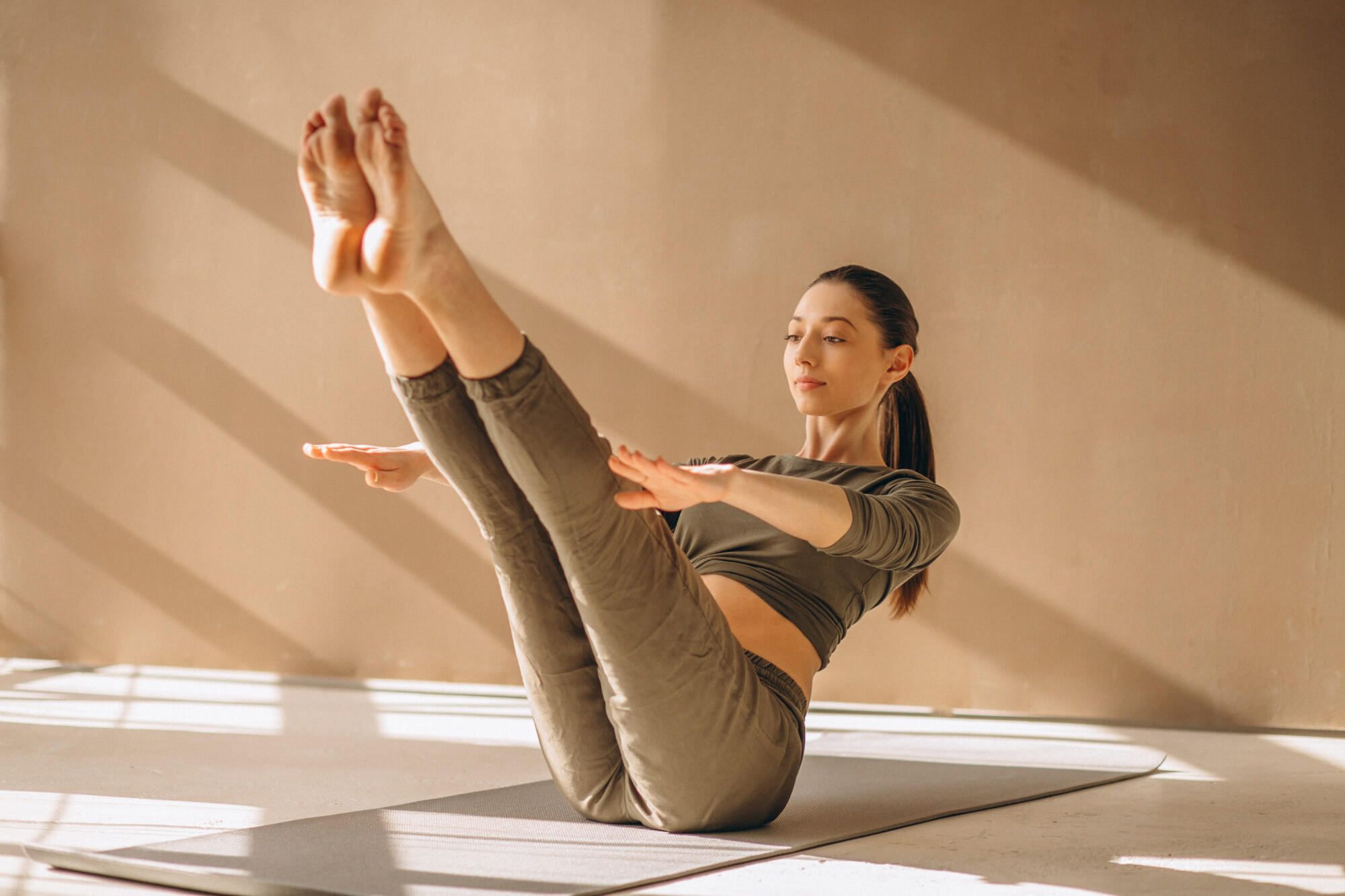
Yoga or Pilates: Which Should Beginners Choose?
Pilates vs yoga for beginners: how to start safely
For beginners in Singapore, choosing the right class yoga or Pilates can make all the difference.
➡️For Pilates: Singapore beginners can look for “beginner mat,” “foundation reformer,” or introductory packages that include guidance on technique and form.
➡️For yoga: Beginner-friendly Hatha yoga or gentle flow Vinyasa yoga are suitable places to start. Remember that yoga classes in Singapore can vary in intensity, so choose a class based on your level.
➡️Tell your instructor: Arrive early and inform your Singapore instructor about any injuries or movement limitations you might have.
➡️Dress for Singapore’s climate: Choose lightweight, breathable, flexible clothing that is ideal in Singapore’s humid weather.
➡️Choose a convenient location: Singapore offers yoga vs Pilates options across different gyms, studios, and community centres. Consider Pilates vs yoga according to the class size, instructor qualifications, cost, and how easily you can reach the class.
Can you do Pilates and yoga together?
Both yoga and Pilates offer numerous health benefits and complement each other to create a balanced fitness routine. While both practices have their unique focuses and benefits, they also share similarities in improving flexibility, strength, posture, and mindfulness. Many people who practise yoga find that they also enjoy Pilates, and vice versa.
Pilates typically emphasises core strength, muscle toning, and flexibility through controlled movements, often using specialised equipment or mat-based exercises. It targets specific muscle groups, particularly those in the abdomen, lower back, hips, and glutes, aiming to improve overall body alignment and functional movement patterns.
Yoga, on the other hand, incorporates physical postures (asanas), breathwork (pranayama), and meditation to promote physical, mental, and spiritual well-being. It offers a variety of styles, ranging from gentle and meditative to more dynamic and challenging practices.
Combining Pilates and yoga can provide a comprehensive workout that addresses various aspects of fitness, including strength, flexibility, balance, and mindfulness. Additionally, alternating between Pilates and yoga sessions can prevent boredom, provide variety, and prevent overuse injuries by engaging different muscle groups and movement patterns.
So, whether you choose to begin Pilates or yoga classes, you simply won’t be disappointed! Both styles of exercise will help you boost your physical health and provide mental and emotional benefits as well. Here is an example weekly routine that you can follow to have a balance of both.
| Day | Activity | Main Focus |
|---|---|---|
| Monday | Beginner Reformer Pilates | Core strength & stability |
| Tuesday | Short Yoga session | Mobility & flexibility |
| Wednesday | Brisk walk or strength session | Cardio & overall strength |
| Thursday | Short Yoga session | Balance & relaxation |
| Friday | Rest / gentle movement | Recovery |
| Saturday | Hatha or Yin Yoga | Flexibility & relaxation |
| Sunday | Gentle walk or recovery | Active recovery |
| Daily | Short movement breaks | Reduce prolonged sitting |
Looking to start with yoga and/or Pilates classes and need an instructor? You can find a qualified teacher for any exercise style that suits your needs here on Superprof!
References
- Song, J. H., Choi, J. H., Beak, H. J., & Park, H. Y. (2026). Effects of 8-week Pilates or yoga intervention on body composition, flexibility, balance, autonomic nervous system function, and mental health in adults with stress. Physical Activity and Nutrition, 30(2), 43. https://doi.org/10.20463/pan.2026.0019
- Fernández-Rodríguez R, Álvarez-Bueno C, Ferri-Morales A, Torres-Costoso A, Pozuelo-Carrascosa DP, Martínez-Vizcaíno V. Pilates improves physical performance and decreases risk of falls in older adults: a systematic review and meta-analysis. Physiotherapy. 2021 Sep;112:163-177. doi: 10.1016/j.physio.2021.05.008. Epub 2021 Jun 7. PMID: 34332493.
Summarise with AI:
Did you like this article? Leave a rating!

 Loading...