

South Korea’s cultural richness and modern lifestyle continue to capture the world’s attention—including here in Singapore, where the Korean Wave has found a strong and enthusiastic following. From Joseon-era traditions to cutting-edge trends in Seoul, Korea blends history and innovation in a way that resonates with many Singaporeans. Whether it's trying out popular Korean food like kimchi at Tanjong Pagar eateries or dancing to the latest K-pop hits in Orchard Road studios, elements of Korean culture have become part of daily life for many.
The Korean language is not just a means of communication—it’s a cultural symbol used across business, education, and entertainment. As Singapore embraces multilingualism and international connections, the growing interest in learning Korean reflects a broader fascination with Korea’s unique heritage. From village traditions to modern city life, Koreans have maintained a strong sense of identity, rooted in both cultural values and artistic expression.
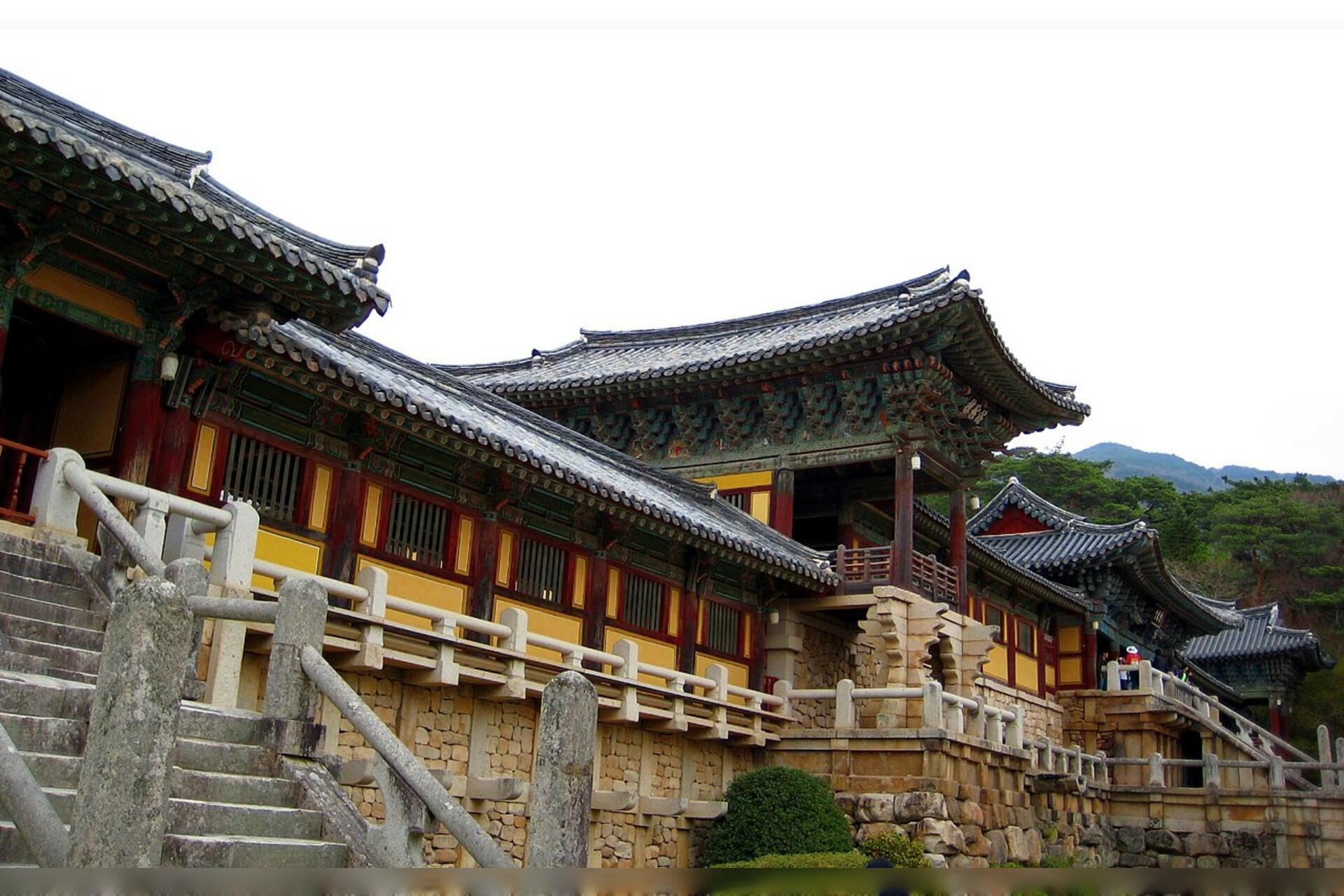
This UNESCO World Heritage Site reflects Korea’s rich Buddhist heritage.
In this article, we’ll explore the full spectrum of South Korean culture—including its food, daily routines, public arts, popular TV series, and the biggest names in K-pop and Korean cinema. We’ll also look at the deep historical ties and common cultural themes that connect Korea’s past with its present. Whether you’re a longtime fan or new to the Korean wave, this deep dive into Korea’s best-known customs, arts, and people offers something special for everyone—including Singaporeans who feel a growing connection to Korea’s story, both then and today.


The Korean Language: Voice of South Korea’s Cultural Identity
The Korean language is not only a means of expression but a lively embodiment of Korea’s history, culture, and sense of self. Nourished profoundly in Joseon dynasty culture, Korean was developed as a means of unifying Koreans at a time when literacy belonged exclusively to members of the elite class. Korean’s Hangul alphabet is described as one of humankind’s most logical and scientifically sophisticated scripts, thereby empowering Koreans from all walks of life with access to education and wider society.
The Korean language is today ubiquitous in every sphere of South Korean society, from government and education to business, media, as well as in the global entertainment industry. Its adoption has gone far beyond the confines of Korea, especially in nations such as Singapore, with a growing popularity of learning Korean due to K-pop, Korean dramas, as well as art. Korean language programmes are increasingly provided by local Singaporean institutions, a sign of deepening cultural exchanges between both countries.
Korean language expresses respect, hierarchy, and harmony—principles that still guide people's actions to date, both formally and informally. Honorifics and speech levels are widespread elements, often based on age, social status, as well as time of day. Speaking Korean is not only linguistic but also an embodiment of cultural etiquette. Even phrases of seasons of cold, cuisine rituals, as well as everyday salutations, have hints of history and importance that go back for years.
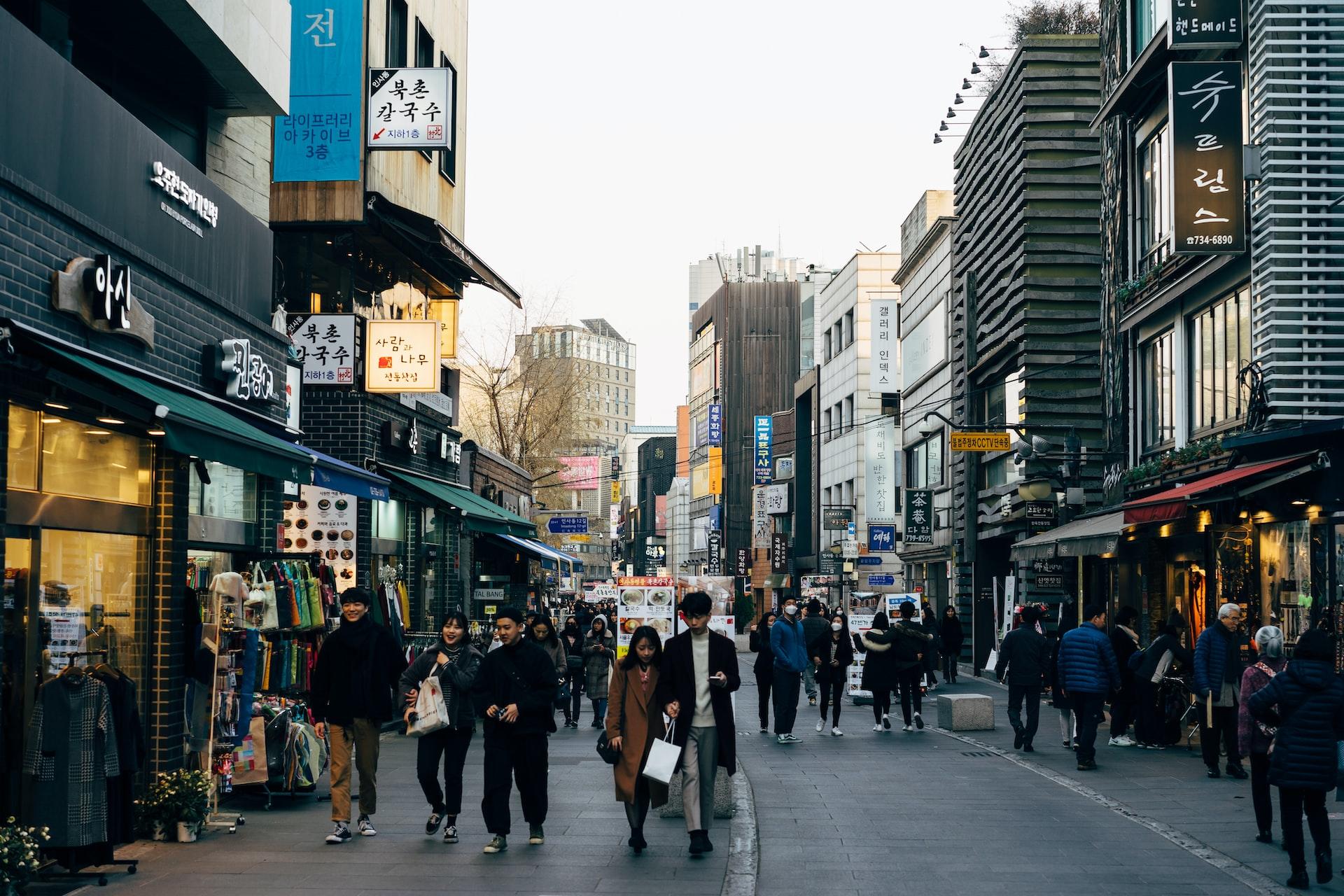
As the Korean Wave (Hallyu) keeps spreading all over the world, the language is a gateway to enjoy its art, dance, sites, as well as the pop culture of Korea. It is a core element of what makes its cultural heritage so lively as well as popular all over the globe. Spoken in a café in Seoul or Korean class in Singapore, it is still one of the best techniques for enjoying the art of the Korean lifestyle, connecting people over national frontiers as well as through culture.
A Glimpse into South Korean Village Life
While Seoul is the new Korea’s throbbing heart, its soul frequently lies in its countryside, where traditions, rituals, and way of life have been passed down since Joseon days. While time passes more slowly in its rural towns, its culture is more grounded. In general, they still gather to make kimchi during the winter months, honour seasonal traditions, and enjoy traditional festival dances commemorating their heritage. Such rural spaces are often circled with historical sites, hanok houses, and landscaped fields symbolising Korea’s long-standing art of—and love for—nature. It's here in spatial settings that respect, family, and simplicity as chief values are lived most demonstrably.
For Singaporeans, where city life is fast-paced and nature sites are well-manicured, there is an innate appreciation for equilibrium in South Korean rural life. Local news publications have gone so far as to suggest that there’s an emerging fascination among Singapore tourists for temple stays and rural tours over bustling tourism sites. Public culture conservation is deeply rooted in both countries, so South Korean rural sites become not only peaceful escapes, but cultural understanding of a history-breathing world. It’s a feeling of cultural richness that resonates deeply, even from afar of thousands of miles.
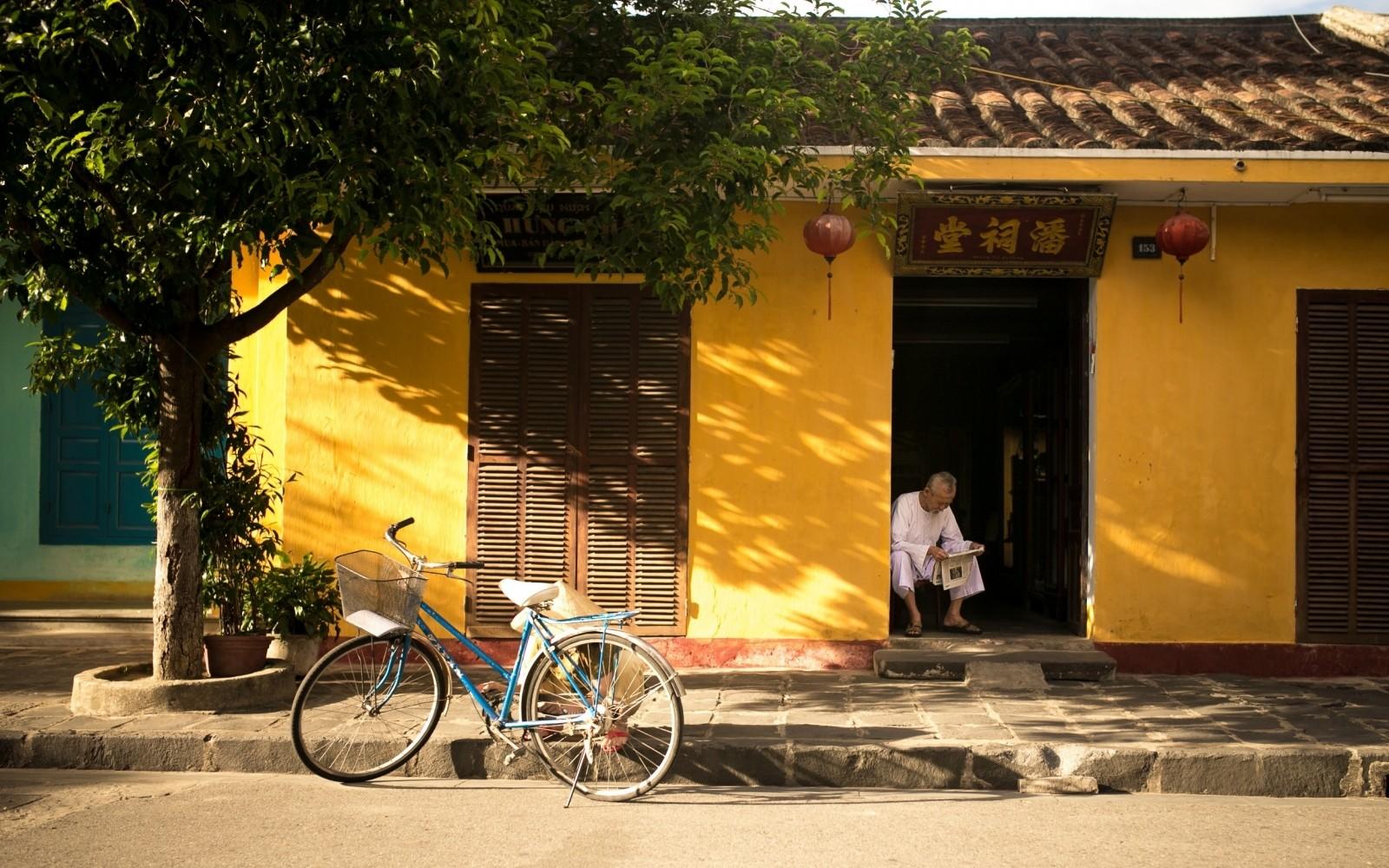
What South Korean Daily Life Looks Like
Daily life in modern-day Korea is a bountiful blend of traditionalism and modernity that still retains world fascination, not least among Singaporeans. In central Seoul, the day begins with a mission, commuting using clean mass transit, grabbing a fast breakfast of rice or toast, and entering diverse workplace settings that vary from business to technology to performing arts. And yet, amidst all of this vitality of city life, there’s a strong sense of cultural continuity.
From winter kimchi-making to weekend excursions to UNESCO cultural sites with a history going back to the Joseon regime, a vast number of its traditions are still intensely practised. Public parks, street dance performances, and rotating art exhibits are similarly ubiquitous, keeping cultural life vibrant.
News reports from Singapore often highlight the exceptional fondness that a vast number of its citizens have for Korean culture, especially its syncretism of new with old. Whether it’s still serene reverence of an ancient palace in North Seoul or K-pop’s energetic beats of song-and-dance performed amidst the city’s event spaces, day-to-day life in South Korea tends to be grounded in respect, in movement rhythms, as well as in quiet contemplation.

It’s a lifestyle that feels both simultaneously accessible as well as an inspiration, particularly for Singaporeans who value a rich cultural heritage as well as an explicit sense of history amidst an increasingly modern world. From the main traditions practised today to the special customs observed in the cold months and the social practices that are usually reflected in everyday public life, South Korea offers a model of cultural balance that continues to fascinate.
The Thrill of South Korean Night Life
South Korean nightlife is a lively, as well as fascinating, business that includes both the contemporary vibrancy of a nation as well as its history. From late-night street food alleys serving sizzling tteokbokki and kimchi pancakes to neon-lit karaoke rooms and underground clubs, the use of space after dark transforms cities like Seoul into cultural playgrounds. While the electric buzz of the night feels distinctly modern, it’s fascinating how much of this after-hours culture reflects values shaped since the Joseon era, where communal gathering and storytelling played a main role in village life.
Even in the cold winter months, you can see residents bundled up, pouring out of cosy cafes and leaping from bar to bar, proving social interaction is a ubiquitous aspect of Korean life in the contemporary day. What makes it especially distinct is that nightlife isn’t only for youth—multi-age family groups tend to head out in the evenings, from shopping districts to night markets. While very disparate from North Korea’s prohibition, South Korea’s after-dark scene evidences a country that respects tradition as much as progress, with a willingness to privilege connecting with, as well as celebrating, its culture.
Korean Life and the Korean Ageing System
North Korea has its own calendar, but South Korea has developed its own complex ways of tallying how many years someone’s been alive. Note that “ways” wasn’t a typo. It’s meant to be plural because Koreans have several different systems when it comes to age, each rooted in deep cultural values and tied to both modern life and historical tradition.
Traditional Korean culture, influenced by Joseon-era beliefs, dictates that everyone is one year old at birth. That’s to account for the time spent in the womb—an idea common to several ancient societies, but most actively preserved in Korea. From there, the ageing system splits. Some Koreans gain a year on their birthday, but the main and most used method until recently was gaining a year every day on January 1. This system, still familiar today, is often a special part of family conversations during celebrations or gatherings.
While Lunar New Year is a heritage holiday with deep cultural roots, it’s not the primary marker for age in public or business settings. In Seoul and other urban centres, most people follow the international system. However, many still use the traditional model informally. For example, it’s common for elders to ask your Korean age first—not the international one—when gauging relationships or respect. (If you want to know more about how age is calculated, from international to traditional and legal standards, see our article on Korean Age.)
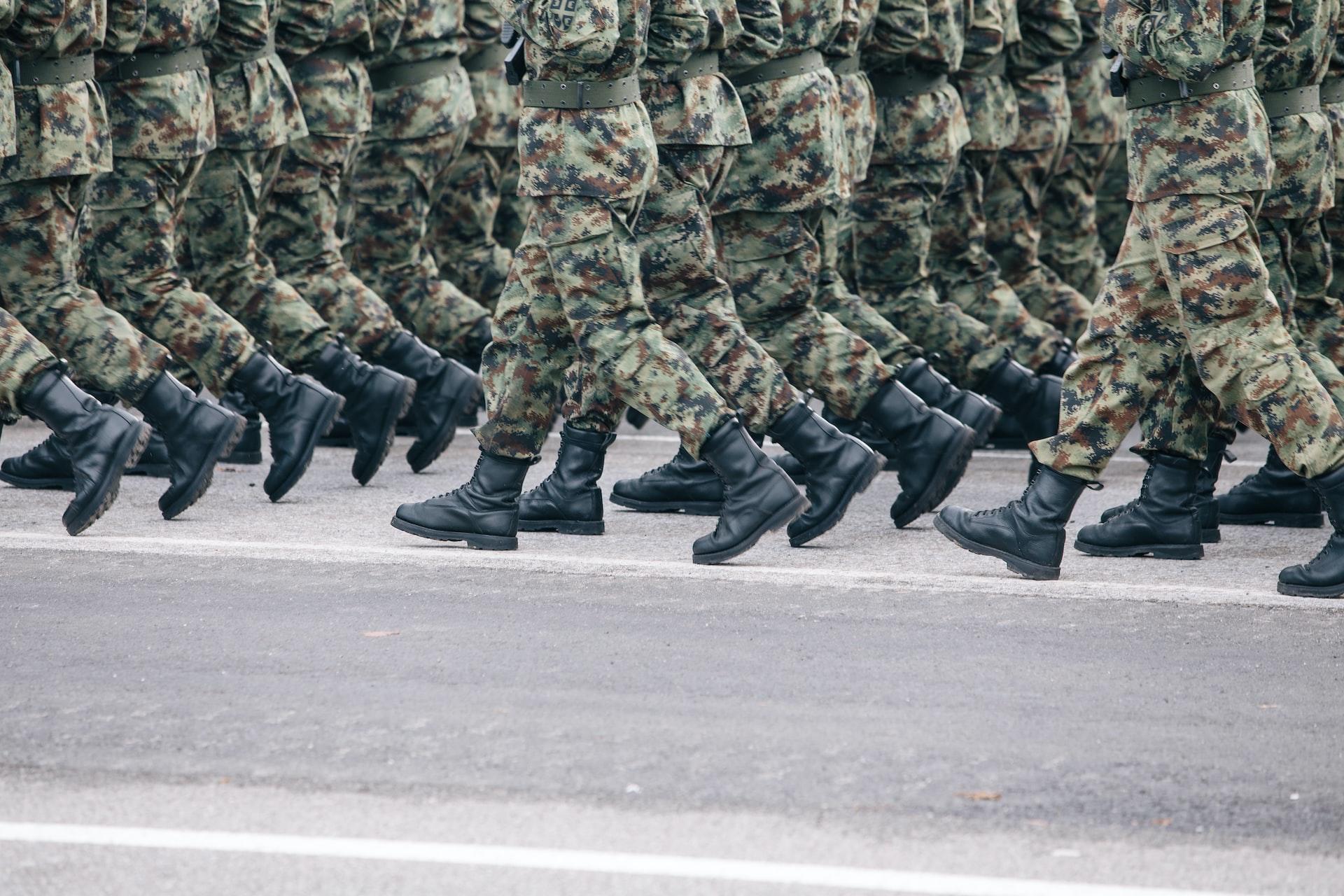
This overlap of systems can confuse—not just socially, but also in practical areas like starting school, military service, or even arts and pop culture contracts. These rules usually depend on different standards, and they don’t always match. In cold bureaucratic terms, it can affect everything from ID documents to legal rights.
The best way to understand this complex structure is to view it as part of Korea’s ongoing evolution: a country that balances new trends with known traditions, reflecting a living heritage that honours its history, while adapting to the wave of global norms. In a world where age is increasingly seen as fluid, South Korea reminds us that age can still hold power—socially, professionally, and culturally—even today.
South Korean Food Culture
I have a mate who plans their global travel based on a destination’s food culture. If it sounds like they won’t like the food, they look elsewhere for their next adventure. It seems a backwards way of deciding destinations, doesn’t it? Particularly if you, like so many travellers, consider a country’s food a destination unto itself.
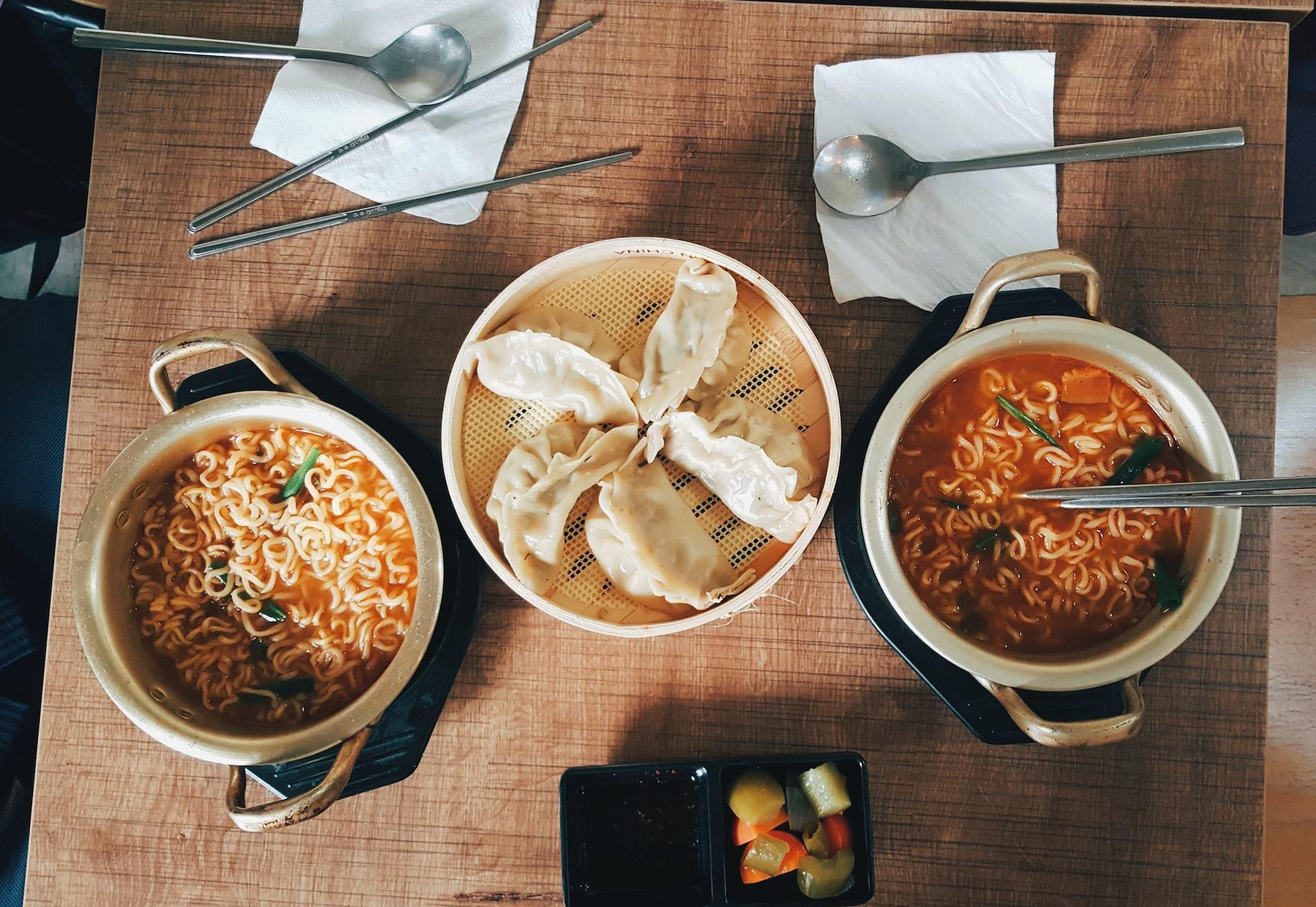
If you are, indeed, that kind of traveller, you’ll be well served (pun intended) in South Korea. From Seoul to Jeju Island, you have many special delights to savour. Food in Korea is more than a meal—it’s a connection to heritage, history, and the rhythms of everyday life.
Do you like to eat fish? You might look forward to sampling grilled hairtail or trying as many varieties of fish stew as you can. Is your diet mainly vegetarian? Oh, does Korean cuisine have dishes for you! Dishes are often plant-forward, with seasonal vegetables used as main ingredients in soups, stews, or side dishes. One common favourite is kimchi, available in spicy and even non-spicy forms, to suit both locals and curious visitors. It's often made during the cold season, in a cultural tradition that dates back to the Joseon dynasty.
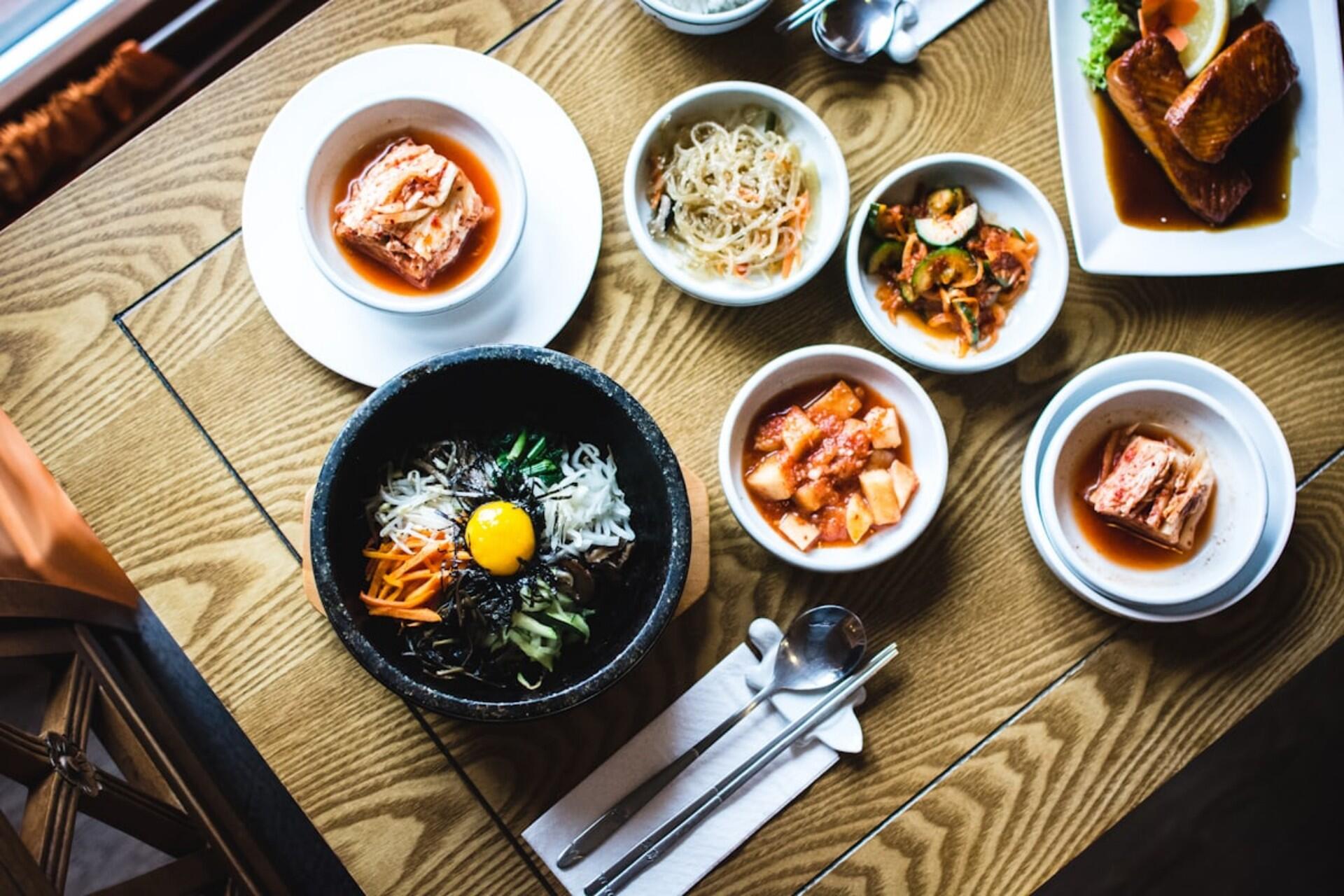
Over the past 10 years, Koreans have also welcomed new tastes. Meat, once consumed in modest portions, is now usually served more generously. It’s not uncommon for a business dinner or family celebration to feature steak or seafood like lobster. Pojangmacha—those humble yet iconic food stalls—serve popular street dishes and anju, the snacks used while drinking. Whether it’s fried chicken or jokbal, anju represents a unique part of Korean public life.
And yes, spicy food is often the default. The average Korean person enjoys bold, fermented flavours with heat, though milder versions are available too. Whether you’re seated in a sleek restaurant in Seoul, exploring rural market sites, or eating with locals in a tented stall, food in Korea is both deeply cultural and incredibly dynamic.
If you're curious to learn more about the ingredients, recipes, and famous dishes that shape Korean cuisine—from North to South, traditional to modern—don’t miss our full guide on the Cuisine of South Korea.
A Look at Life in South Korea Through Korean Films
I was introduced to the Korean Wave through My Sassy Girl. It’s a drama masquerading as comedy that’s meant to be a romance. This film, now more than 20 years old, still ranks among the most popular titles of all time. And its female lead, Jun Ji-hyun, became known as one of the three most beautiful women in Korea.
The film, often hailed as a turning point by critics, is credited with sparking the global Hallyu Pop movement—the international passion for all things Korean. It represents the cultural shift that put Korean arts and entertainment in the spotlight around the world, influencing everything from fashion to language.
My Sassy Girl is a great representation of how Korean cinema blends genres like smoothies—infusing humour, heartbreak, suspense, and surprise, often all within the same scene. This kind of genre-bending is common in Korean films, where directors don’t shy away from mixing tones or exploring different storytelling formats.
Would you ever think a film about sex trafficking could be funny? How about a Sci-fi film rooted in cold, dystopian futures that warns of environmental collapse? Or a thriller that blends historical fact from the Joseon dynasty with modern political tension in North and South Korea?
Korean screenwriters and filmmakers usually dive deep into public issues and social anxieties. They skillfully examine themes like class disparity, school pressure, business culture, and mental health—all while keeping the story engaging. Their work gives viewers insider knowledge of daily life in Seoul, the heritage of Korean culture, and the language used in formal and informal contexts—including honorifics and casual slang.
From the ways Koreans eat and drink—such as sharing anju during after-hours—to the way they interact across generations, Korean Films provide a cinematic lens into modern and traditional Korean society. Whether it's a noir thriller, a lighthearted rom-com, or a gritty period piece, these stories are not only entertaining but also used to reflect cultural values and societal shifts.
If you want to explore the best, most influential, and widely known examples of Korean cinema—including action, comedy, and drama—be sure to check out our comprehensive guide to Korean Films, where you’ll find everything from cult classics to the new releases captivating the world today.
Korean Culture: Music and Idols
Hallyu or not, some people don't like to read subtitles. They prefer to focus on the action, not the words, so, unless a film is dubbed, they might give Korean films and dramas a pass. But music is universal.
It doesn't matter in what language the lyrics are sung as long as the beat is strong and the harmonies heavenly. Or the rap is tight. And then, once you add the visual dimension...
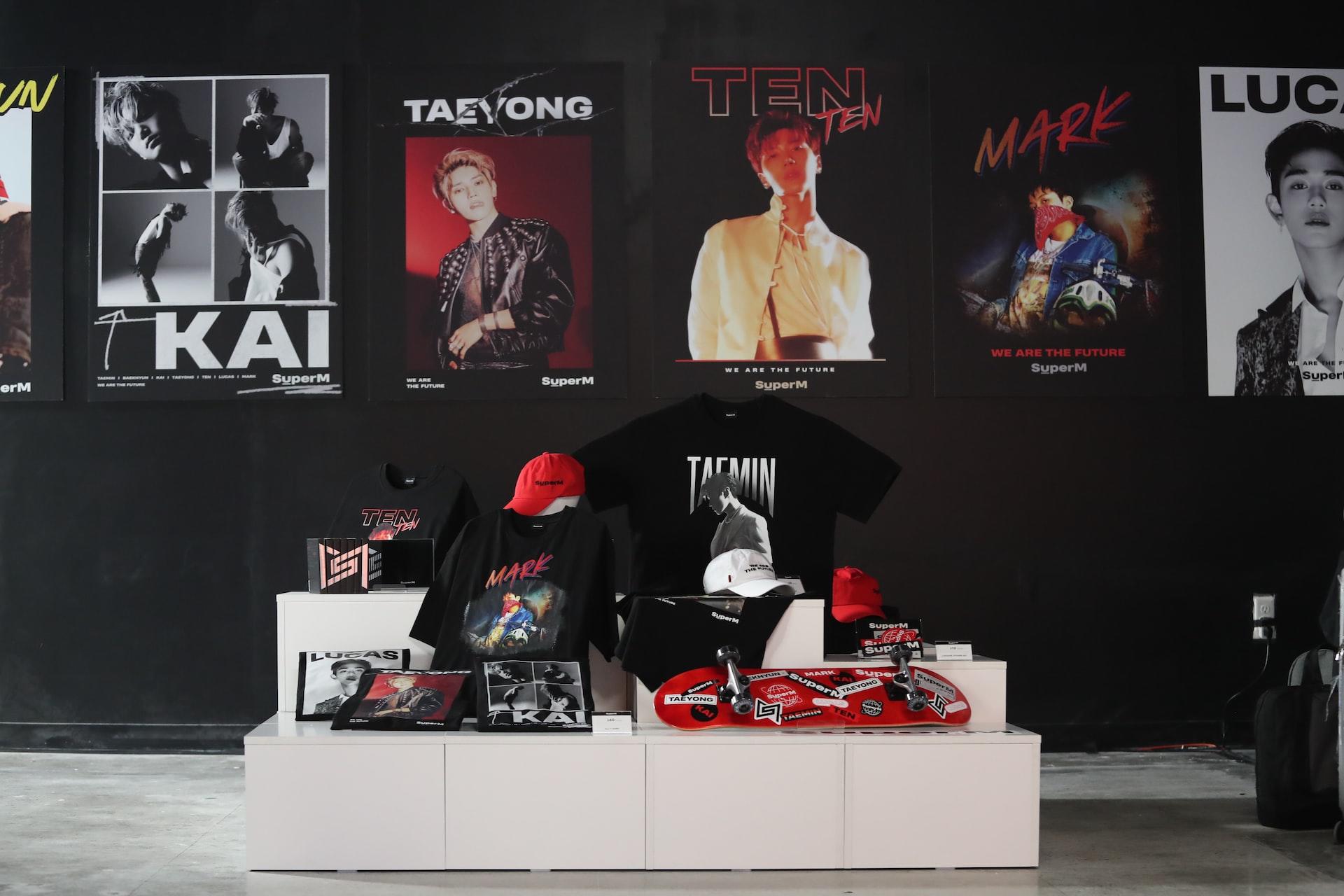
Few musical acts are as visually stimulating as they sound. But in this category, South Korean music groups take the cake. From bright colours to snappy dance moves, Korean pop idols and groups have it all.
This country's entertainment business has clearly hit on the winning formula. They deliver band after band to delight and wow global audiences. Do you plan to attend any music festivals this summer?
You might catch Blackpink, Korea's Number 1 girl band. Unfortunately, boy band EXO doesn't have any tour dates scheduled, but Tomorrow X Together does. The global favourite, BTS, is currently on hiatus. You can catch their videos anytime you want if you miss them as badly as we do, though.
Korean music is by no means all idols and boy bands or girl bands. You should get to know Korea's balladeers, chanteuses and those who sing traditional songs.
Famous People and Korean Customs
It's a strange phenomenon. While researching this article, we ran across a list Forbes magazine compiles every year called the South Korean Top 40. The whole world has gotten used to such lists from that publication. That's how we know who the wealthiest Americans are.
But money does not determine how South Korean celebrities are ranked. Instead, the editors consider cultural factors, including who is the most charitable and who has the most global engagement. Who gets the most exposure?
Who works the hardest? Who has the best reputation? It would be so great if our celebrities' good deeds mattered more than how much money they had, wouldn't it?
We have to wonder how Forbes picks which South Korean celebrities they features on their list every year. Last year's list includes singers, actors and athletes, with BTS and Blackpink taking the top two spots. That's probably because they're cultural icons. But it seems Forbes' selection process might be a bit unfair.
For instance, Lee Jun-ho and Park Hyung-sik sing, dance, and act in dramas and are international ambassadors. And they're fan favourites. But they prefer to keep their private lives to themselves. Thus, neither of them features on the Forbes list.
But that might not matter to either of them. They seem far more focused on their craft than on international renown. So who did make the list? You can expect to find popular entertainers like Park Seo-joon and Lee Seung-gi on the list.
You wouldn't lose any money betting on Bae Suzy and IU featuring on it, too. Son Heung-min, the Tottenham football club forward and model and influencer Irene Kim made the list as well. But is this list anything to set your Hallyu standards by? Maybe you should just dive deep into Korean culture to discover your own favourite famous people.
Summarise with AI:
Did you like this article? Leave a rating!

 Loading...
Great job 👍
Keep it up.
Absolutely great article.
Wow
That’s great 👍
Absolutely outstanding
Great job dear
Outstanding work
Keep it up 👍
Very good article