


Verbs are basically the most fundamental building blocks of the Hindi language Grammar since they convey action, event and state-of-being 1. A thorough understanding of how Hindi verbs function is necessary for writing accurate sentences, expressing thoughts accurately and naturally communicating in both spoken and written forms in Hindi.
In this guide, we will cover the basics and how verb usage can vary in everyday life. Whether you are a beginner or just want to review, learning the basics of Hindi verbs will give you a strong foundation to communicate confidently.
| Topic | What You'll Learn |
|---|---|
| 🔤 Hindi Verb Basics | Understand verb stems, infinitive forms, and how Hindi verbs are structured. |
| 🔄 Verb Conjugation | Learn how verbs change according to tense, person, gender, number, and aspect. |
| 🗣️ Everyday Hindi Verbs | Discover commonly used verbs for daily conversations, movement, and communication. |
| ⚙️ Auxiliary & Compound Verbs | Explore how helping verbs and compound verbs create more natural and expressive sentences. |
| 📚 Practical Usage | See real-life examples that demonstrate how Hindi verbs are used in context. |
| 🎯 Learning Strategies | Apply effective study techniques and avoid common mistakes to improve your verb usage. |
| 🚀 Building Fluency | Develop confidence by using Hindi verbs correctly in speaking, reading, and writing. |


Understanding Common Verbs in Hindi
Starting with a strong foundation in understanding Verb Stems, Infinitives, and basic Conjugation Rules will allow new students to develop sentences that are grammatically correct and provide a strong foundation in the understanding of Hindi Grammar.
📝 Verb Stems and Infinitive Forms
Most Hindi verbs are listed in their infinitive form, which typically ends in "-ना" (-nā). This ending is equivalent to the English "to" form of a verb, such as to eat or to write. To conjugate a verb, the -ना ending is removed to reveal the verb stem, which is then modified according to tense, gender, number, and person.
📘 Common Examples of Hindi Verbs with English Meaning
| Infinitive Verb | Transliteration | Verb Stem | Meaning | Verb Stem Pronunciation |
|---|---|---|---|---|
| खाना | Khānā | खा (Khā) | To eat | |
| पीना | Pīnā | पी (Pī) | To drink | |
| जाना | Jānā | जा (Jā) | To go |
Recognising verb stems makes it easier to form different tenses and verb conjugations as your Hindi skills develop.
A single Hindi verb can have many different forms because it changes according to tense, gender, number, person, and aspect, making verbs one of the most dynamic parts of Hindi grammar.
🔄 Verb Conjugation Basics
Unlike English, Hindi verbs change according to several grammatical features, including tense, aspect, mood, person, number, and gender2. These changes ensure that the verb agrees with the subject, making sentence construction more precise.
Indicates whether an action takes place in the present, past, or future.
Shows whether an action is habitual, completed, or ongoing.
Expresses certainty, possibility, commands, or requests.
Changes according to the speaker (first, second, or third person).
Distinguishes between singular and plural subjects.
Many Hindi verb forms change for masculine and feminine subjects.
📚 The Three Primary Aspects Of Common Hindi Verbs
Understanding verb aspects helps learners describe how an action takes place.
Example: वह लिख रही है। (Vah likh rahī hai.) – She is writing.
Example: मैं रोज़ पढ़ता हूँ। (Main roz paṛhtā hoon.) – I study every day.
Example: मैंने खाना खाया। (Maine khānā khāyā.) – I ate the food.
🗣️Hindi Verbs List and Their Usage
Learning commonly used Hindi verbs is one of the fastest ways to improve your communication skills. The ability to use these frequently used verbs will help you communicate your actions, as well as to understand others when they speak in Hindi, thus giving you the ability to write and speak clearly and confidently.
🚶 Daily Action Verbs
Daily action verbs describe routine activities that people perform every day. They are among the first verbs beginners should learn because they are used in common conversations.
| Hindi Verb | Transliteration | Meaning | Example Sentence |
|---|---|---|---|
| खाना | Khānā | To eat | मैं खाना खाता हूँ। (Main khānā khātā hoon.) – I eat food. |
| पीना | Pīnā | To drink | वह पानी पीती है। (Vah pānī pītī hai.) – She drinks water. |
| सोना | Sonā | To sleep | बच्चा सो रहा है। (Bacchā so rahā hai.) – The child is sleeping. |
| काम करना | Kām karnā | To work | वे कार्यालय में काम करते हैं। (Ve kāryālay mein kām karte hain.) – They work in an office. |
| खेलना | Khelnā | To play | बच्चे पार्क में खेलते हैं। (Bacche pārk mein khelte hain.) – The children play in the park. |
🚶 Motion and Position Verbs
Motion and position verbs describe movement, direction, and location. They are useful for giving directions, describing travel, and talking about everyday activities.
| Hindi Verb | Transliteration | Meaning | Example Sentence |
|---|---|---|---|
| जाना | Jānā | To go | मैं बाज़ार जाता हूँ। (Main bāzār jātā hoon.) – I go to the market. |
| आना | Ānā | To come | वह घर आ रही है। (Vah ghar ā rahī hai.) – She is coming home. |
| बैठना | Baithnā | To sit | कृपया यहाँ बैठिए। (Kripayā yahān baithiye.) – Please sit here. |
| खड़ा होना | Khaṛā honā | To stand | वह दरवाज़े के पास खड़ा है। (Vah darvāze ke pās khaṛā hai.) – He is standing near the door. |
| चलना | Chalnā | To walk | हम रोज़ सुबह चलते हैं। (Hum roz subah chalte hain.) – We walk every morning. |
Focus on learning the most frequently used Hindi verbs first and practise using them in complete sentences. This will help you build confidence and improve your conversational Hindi much faster.
🗣️ Communication and Learning Verbs
These verbs are commonly used when speaking, listening, reading, writing, and studying 3. They are essential for classroom conversations and everyday communication.
| Hindi Verb | Transliteration | Meaning | Example Sentence |
|---|---|---|---|
| बोलना | Bolnā | To speak | वह हिंदी बोलती है। (Vah Hindī boltī hai.) – She speaks Hindi. |
| सुनना | Sunnā | To listen | मैं संगीत सुनता हूँ। (Main saṅgīt suntā hoon.) – I listen to music. |
| पढ़ना | Paṛhnā | To read / study | छात्र किताब पढ़ रहा है। (Chātra kitāb paṛh rahā hai.) – The student is reading a book. |
| लिखना | Likhnā | To write | वह पत्र लिख रही है। (Vah patra likh rahī hai.) – She is writing a letter. |
| सीखना | Sīkhnā | To learn | मैं हिंदी सीख रहा हूँ। (Main Hindī sīkh rahā hoon.) – I am learning Hindi. |


Auxiliary Verbs in Hindi: Understanding Hindi Helping Verbs
Auxiliary verbs, also known as helping verbs, are an essential part of Hindi grammar. They work alongside main verbs to indicate tense, aspect, mood, or obligation, helping speakers express actions more accurately.
🔤 The Verb "To Be" – होना (Hona)
होना (Hona), meaning "to be," is the most important auxiliary verb in Hindi. It is used both as a main verb and as a helping verb to form compound tenses such as the present continuous, past continuous, and future continuous.
Common Conjugations of होना (Hona)
| Tense | Hindi | Transliteration | Meaning |
|---|---|---|---|
| Present | हूँ | Hoon | Am |
| Present | है | Hai | Is |
| Present | हैं | Hain | Are |
| Past | था / थी / थे | Thā / Thī / The | Was / Were |
| Future | होगा / होगी / होंगे | Hogā / Hogī / Honge | Will be |
Examples:
- 👤 मैं छात्र हूँ। (Main chātra hoon.) – I am a student.
- 📚 वह पढ़ रही है। (Vah paṛh rahī hai.) – She is studying.
- 🏠 हम घर पर थे। (Hum ghar par the.) – We were at home.
- 🎓 वे कल यहाँ होंगे। (Ve kal yahān honge.) – They will be here tomorrow.
The verb होना is frequently combined with main verbs to express whether an action is ongoing, completed, or expected to happen.
The auxiliary verb usually appears after the main verb and provides additional information about time, completion, necessity, or continuity, making it an essential element of natural Hindi sentence construction.
⚙️ Other Auxiliary Verbs
Besides होना, Hindi uses several other auxiliary verbs to express necessity, ability, completion, and obligation. Two commonly encountered helping verbs are करना (Karnā) and पड़ना (Paṛnā).
करना (Karnā) – To Do
करना is commonly used to form compound verbs by combining with nouns or adjectives, allowing speakers to express a wide range of actions.
Examples:
- 🧹 मैं सफाई करता हूँ। (Main safāī kartā hoon.) – I do the cleaning.
- 📖 वह अभ्यास करती है। (Vah abhyās kartī hai.) – She practises.
पड़ना (Paṛnā) – To Have To / Be Required To
Although पड़ना literally means "to fall," it often functions as an auxiliary verb to express necessity or compulsion, similar to "have to" in English.
Examples:
- 📚 मुझे पढ़ना पड़ेगा। (Mujhe paṛhnā paṛegā.) – I will have to study.
- 🚶 हमें जल्दी निकलना पड़ा। (Hamẽ jaldī nikalnā paṛā.) – We had to leave early.
Understanding Compound Verbs in Hindi
Compound verbs are a key feature of Hindi grammar, formed by combining a main verb with a helper verb to express meanings such as completion, intensity, or direction. Mastering them helps learners understand everyday conversations and speak more naturally.
🔗 Formation and Usage
A compound verb usually consists of a main verb, which carries the core meaning, followed by a helper verb, which adds a specific nuance or grammatical function.
Structure:
Main Verb + Helper Verb = Compound Verb
The helper verb modifies the meaning of the main verb in different ways.
Examples include:
| Compound Verb | Transliteration | Meaning | Example Sentence |
|---|---|---|---|
| खा लेना | Khā lenā | To eat up / finish eating | उसने खाना खा लिया। (Usne khānā khā liyā.) – He finished eating the food. |
| लिख देना | Likh denā | To write and hand over | कृपया अपना नाम लिख दीजिए। (Kripayā apnā nām likh dījiye.) – Please write down your name. |
| बैठ जाना | Baith jānā | To sit down | वह कुर्सी पर बैठ गया। (Vah kursī par baith gayā.) – He sat down on the chair. |
| बोल उठना | Bol uṭhnā | To suddenly speak out | वह अचानक बोल उठा। (Vah achānak bol uṭhā.) – He suddenly spoke up. |
These helper verbs add subtle meanings that cannot always be expressed using the main verb alone, making compound verbs an important part of fluent Hindi.
What helps you understand Hindi auxiliary verbs better?
📚 Common Compound Verbs
Many compound verbs are used regularly in everyday conversations. They add depth and flexibility to building sentences in Hindi. Learning these combinations will help you understand native speakers and express actions more naturally.
Common Compound Verbs in Hindi :
| Compound Verb | Meaning | Common Usage |
|---|---|---|
| कर देना (Kar denā) | To complete or do something quickly | उसने काम कर दिया। (Usne kām kar diyā.) – He completed the work. |
| ले लेना (Le lenā) | To take or do something for oneself | मैंने किताब ले ली। (Maine kitāb le lī.) – I took the book. |
| दे देना (De denā) | To give away or complete an action | उसने पैसे दे दिए। (Usne paise de diye.) – He gave the money. |
| निकल जाना (Nikal jānā) | To leave or depart | वे जल्दी निकल गए। (Ve jaldī nikal gaye.) – They left early. |
| समझ जाना (Samajh jānā) | To understand completely | मैं आपकी बात समझ गया। (Main āpkī bāt samajh gayā.) – I understood what you said. |
Helper verbs such as लेना (to take), देना (to give), जाना (to go), and उठना (to rise) often change the meaning of the main verb by showing completion, direction, emphasis, or sudden action. Learning these common combinations will make your Hindi sound much more natural and fluent.
Tips for Mastering Hindi Verbs
Mastering Hindi verbs takes regular practice and a clear understanding of how verbs change according to tense, gender, number, and context. By using effective techniques and avoiding mistakes, learners can improve conversational fluency.
🎯 Practice Techniques
Consistent practice is the key to becoming confident with Hindi verbs. Combining different learning methods helps reinforce grammar while improving your reading, writing, listening, and speaking skills.
Focus on learning their infinitive forms, stems, and common conjugations.
Create your own examples using present, past, and future tenses.
Use newly learned verbs in everyday conversations or language exchange sessions.
Students in Singapore can benefit from personalised lessons through private tutors or language schools for targeted feedback and speaking practice.
Check out our guide on finding lessons to master conjugation, where you can explore step-by-step practice modules.
⚠️ Common Mistakes to Avoid
Many beginners make similar mistakes when learning Hindi verbs. Identifying these errors early can help you develop more accurate grammar and communicate with greater confidence.
| Common Mistake | How to Avoid It |
|---|---|
| Using the wrong verb ending for masculine and feminine subjects | Always check whether the subject is masculine or feminine before choosing the correct verb form. |
| Forgetting to match verbs with singular or plural subjects | Practise subject–verb agreement using simple sentences. |
| Confusing verb tenses | Learn one tense at a time before moving on to more advanced conjugations. |
| Ignoring auxiliary verbs | Learn helping verbs such as होना (Hona) alongside main verbs to form complete sentences correctly. |
| Memorising verbs without context | Learn verbs through example sentences and everyday conversations rather than isolated word lists. |
Fluency comes from consistent practice, not perfection. The more you read, listen, speak, and write using Hindi verbs, the more naturally correct verb forms will become.
Tips for Mastering Hindi Verbs
Mastering Hindi verbs takes regular practice and a clear understanding of how verbs change according to tense, gender, number, and context.
🎯 Practice Techniques
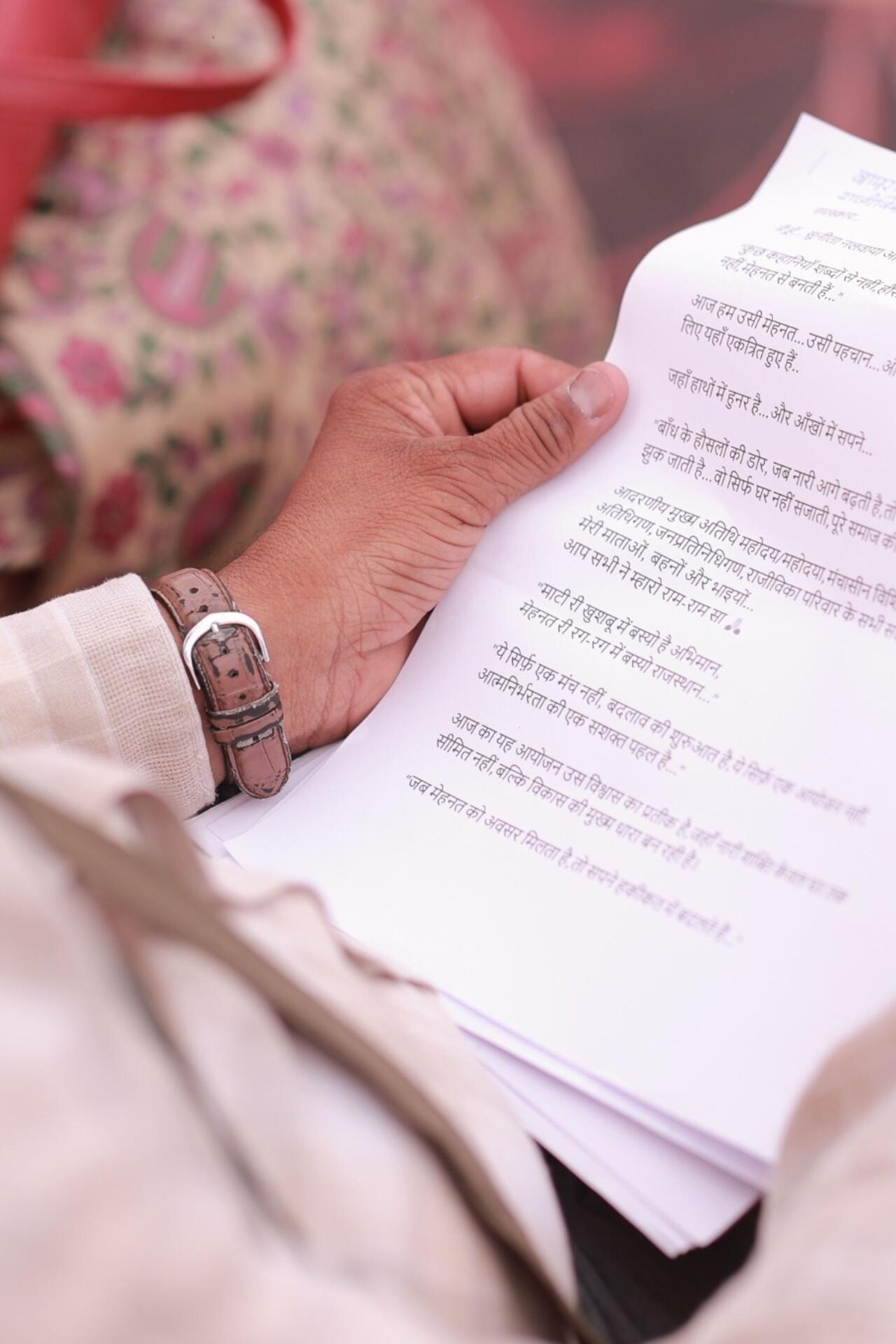
Effective ways to practise Hindi verbs:
- 📅 Study a few verbs each day – Focus on learning their infinitive forms, stems, and common conjugations.
- ✍️ Write simple sentences – Create your own examples using present, past, and future tenses.
- 🗣️ Practise speaking aloud – Use newly learned verbs in everyday conversations or language exchange sessions.
- 🧠 Review with flashcards – Apps like Anki or Quizlet help reinforce verb forms through spaced repetition.
By learning different verb forms, practising conjugations, and applying them in everyday conversations, you can gradually improve your complete understanding of Hindi tenses. With regular practice and the right learning resources, Hindi verbs will soon become a natural part of your language skills.
References
- National Council of Educational Research and Training.ePathshala: eTextbooks for Students. Ministry of Education, Government of India, https://epathshala.ncert.gov.in/epathshala.php?id=Students&ln=en.
- Kellogg, Rev. S. H. A Grammar of the Hindi Language. Indira Gandhi National Centre for the Arts, Ministry of Culture, Government of India, https://ignca.gov.in/Asi_data/8835.pdf.
- National Council of Educational Research and Training.Textbooks PDF (Classes I–XII). NCERT, https://ncert.nic.in/textbook.php.
Summarise with AI:
Did you like this article? Leave a rating!

 Loading...
