

A Level pathways in Singapore refer to the different options students can take after completing Junior College or Millennia Institute, especially in terms of further education and career direction.
If you’re a Junior College student in Singapore, you already know that A Levels are a key step toward university, but you may still be unclear about the full range of pathways available after school.
These options can include local university admissions, private colleges, scholarships, internships, or alternative routes such as private education and skills-based programmes.
However, with so many options available, deciding on the right direction after graduation can feel overwhelming. Some students already have a clear goal, while others are still exploring what fits their strengths and interests and what they need for their future aspirations.
Understanding your post-A-Level pathways early can help you make more informed, confident decisions about your next step. Whether you plan to study in Singapore, go overseas, or pursue a different route, exploring your options can help you choose a path that better suits your goal.
| Pathway | What It Involves | Best For | Outcome |
|---|---|---|---|
| 🎓 University (Local & Overseas) | Academic degree programmes in various disciplines, admission based on Singapore A Level rank points and subject requirements | Students aiming for professional careers in law, medicine, engineering, and business | Bachelor’s degree leading to specialised careers or further studies |
| 🏫 Polytechnic Diploma | Applied, skills-based learning focused on industry training | Students who prefer practical learning over academic study | A diploma qualification with strong employment or further study options |
| 💼 Internships / Work Experience | Entry-level jobs or structured internship programmes after A Levels | Students exploring career interests or gaining work experience | Workplace exposure, skill-building, and potential career entry |
| 🏢 Private Education Institutions | Private universities offering local or overseas degree pathways | Students seeking flexible entry routes to higher education | Diploma or degree progression pathways |
| 📘 Foundation Programmes | Short preparatory courses leading into university degrees | Students who do not meet the direct university entry requirements | Entry into undergraduate programmes locally or overseas |
| 🌍 Gap Year | A planned break involving work, travel, volunteering, or skill development | Students needing time to explore interests or strengthen profiles | Better clarity, experience, and improved future applications |


🎓 University Education
There are many options students can consider once they have completed their A-levels. However, for many, university remains the most popular post-A-Level pathway, especially for students aiming for professional careers in business, law, medicine, or engineering.
Local Universities
Singapore’s main public universities include institutions1 such as NUS, NTU, and SMU, which are highly competitive. Each one of these universities offers different academic strengths and specialisations.
- The National University of Singapore (NUS) and Nanyang Technological University (NTU) offer a wide range of disciplines across science, engineering, business, and the arts.
- Singapore Management University (SMU) focuses on business, economics, law, social sciences, and information systems.
- Singapore Institute of Technology (SIT) offers applied degree programmes in fields such as engineering, IT, business, and health sciences.
- Singapore University of Social Science (SUSS) focuses on applied social sciences, lifelong learning, and community impact, with programmes that include psychology, English language studies, and other humanities-related disciplines.
- Singapore University of Technology and Design (SUTD) offers a multi-disciplinary design-centric engineering and architecture education focused on hands-on learning, innovation, and technology.
📍 Important Timelines (Approximate)
Late February
A-Level results release
Late February – March
University application window opens for local universities
March – May
Interviews and admissions testing (for selected courses)
April – July
Offer letters are released, and acceptance periods begin
These timelines are approximate and may vary depending on the university and programme applied for, as each institution follows its own administration schedule.
Admission Requirements and Eligibility
Admission to local universities is highly competitive and is largely based on Singapore A Level rank points or the University Admission Score (UAS), depending on the system used.
Typical expectations include:
- Strong performance in relevant subjects
- Meeting the Singapore University A-Level requirement (varies by course)
- Some courses require specific subject combinations (e.g., Maths + Physics for engineering, Chemistry + Biology for medicine)
Applications are usually submitted through the national admissions portal, with deadlines usually around early in the year after results are released.
To better understand eligibility for these universities, students should refer to the Indicative Grade Profiles (IGPs) published annually by each institution.
These profiles provide a benchmark based on the grades of the previously admitted students, helping applicants understand how competitive their results are. Depending on the university, IGPs may be shown in either letter grades or rank points.
📍 Benefits of Public Universities
- Subsidised tuition fees and financial aid schemes
- High global ranking and strong academic reputation
- Strong graduate employability outcomes
- Scholarship opportunities
- Strong industry links and internship opportunities
⚠️ Challenges of Public Universities
- Highly competitive admissions
- Heavy academic workload over a sustained period
- Limited flexibility due to subject prerequisites and structured course requirements
You can use a rank point calculator that helps you to identify which university courses you’re eligible for based on your results!
Overseas Universities
Alternatively, many students also explore post-A-Level university application options abroad after school, especially in the UK, Australia, Canada, and the US.
Many of these institutions accept A-Level qualifications directly, often through application systems such as the UK’s UCAS or equivalent admissions frameworks.
For example, the University of Edinburgh accepts Singapore-Cambridge GCE A Levels directly for admission. For most programmes in the College of Arts, Humanities, and Social Science, typical entry requirements are ABB in three H2 subjects.
Medicine requires AAA at H2 level, including Chemistry, plus one subject from Biology, Human Biology, Mathematics, or Physics.
📍 Benefits of Public Universities
- Wider range of course options and specialisations
- Flexible admission pathways across different countries
- Strong global exposure and international networking opportunities
⚠️ Challenges of Public Universities
- Higher tuition fees compared to local universities
- Additional living and relocation costs
- Competitive entry requirements for top global universities
Entry requirements vary across universities and countries, so it is important to check specific course requirements, including whether additional tests or qualifications are needed for eligibility.
🏫 Polytechnic Diplomas
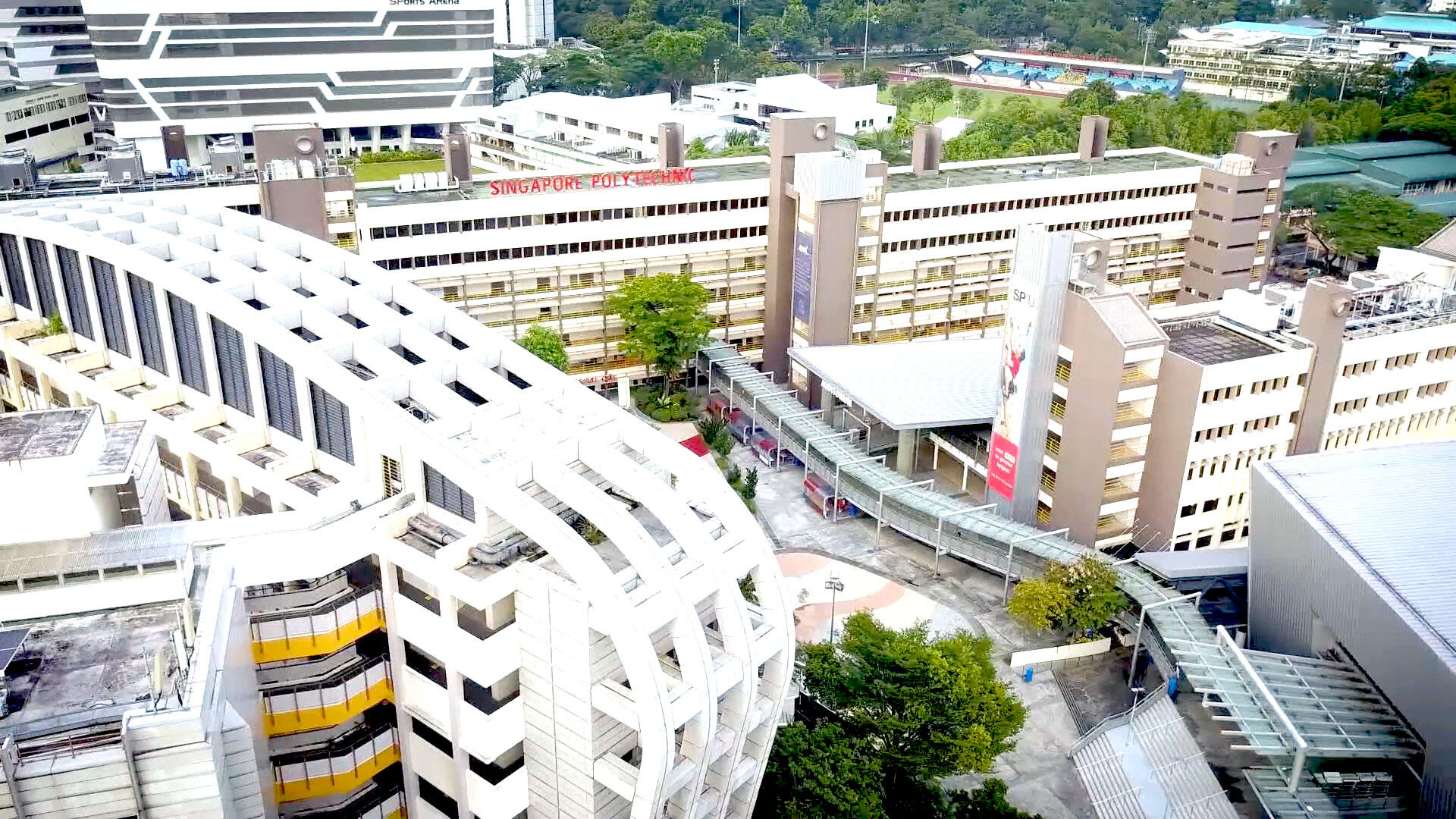
Another strong post-A-Level route is entering polytechnics. While traditionally associated with O Levels, A Level graduates can also apply for diploma programmes.
Depending on the course and institution, A-level qualifications may allow students to apply for credit exemptions2, potentially deducting six months from three-year diploma programmes.
Polytechnics focus on practical, industry-based learning in areas such as:
- Business
- Engineering
- Media
- Information Technology
This pathway is ideal for students who want to pursue a more applied, industry-focused field of study, which may differ from traditional academic university routes.
Admission may depend on subject relevance and available vacancies. The application period generally starts right after A-level results are released. Students can check out the Singapore Polytechnic application page to apply and for more information.
📍 Benefits of Polytechnic Diplomas
- Strong industry-focused and practical learning approach
- High employability and faster career entry
- Development of technical and workplace-ready skills
⚠️ Challenges of Polytechnic Diplomas
- Less academically focused compared to traditional university pathways
- Competitive public university admissions for highly sought-after degree programmes
- Certain professions and senior roles may still require a university degree for entry or career progression
The 2025 Polytechnic Graduate Employment Survey (GES) found that 90.0% of graduates in the labour force secured employment within six months3 of completing their final examinations or after completing full-time National Service. This includes graduates who were employed, had accepted a job offer, or were starting a business venture.
💼 Internships and Work Experience
Not every student immediately enters university after school. Some choose post A-Level internships or full-time work to gain experience first.
This pathway is very normal, especially useful for students still exploring career interests or building financial independence for education costs.
Industries that often accept A-level graduates include:
- Marketing and media
- Customer service and sales
- Administration and operations
- Entry-level tech support roles
- Education & training
These roles help build:
- Communication and interpersonal skills
- Workplace readiness
- Career clarity and industry exposure
Students can make use of the university posting waiting period to get relevant experience. Consider internships or entry-level roles that align closely with your academic interests or long-term career goals. Platforms such as LinkedIn, Glints, and InternSG often feature opportunities for A-Level graduates.
📍 Benefits of Internships and Work Experience
- Gain practical workplace experience before university
- Build communication, teamwork, and professional skills
- Explore career interests and industry exposure
- Strengthen resumes and future university applications
- Opportunity to build financial independence and savings
⚠️ Challenges of Internships and Work Experience
- Entry-level roles may offer limited career progression
- Some positions may have lower salaries or temporary contracts
- Delaying further studies may affect academic momentum for some students
A-Level graduates may qualify for junior executive roles, administrative positions, trainee programmes, or entry-level support roles, depending on their skills and industry experience.
🎯 Alternative Educational Pathways
Private Education Institutions
Private education institutions are another pathway for A-Level graduates pursuing diploma or degree qualifications in Singapore, particularly for students who are financially prepared for private education costs. Institutions such as Kaplan, MDIS, James Cook, SIM-GE, Curtin, etc., are excellent options for A-level graduates to pursue their studies.
Private institutions offer flexible post-A-Level options, often in partnership with overseas universities.
They typically provide diplomas or degrees in:
- Business
- Accounting
- IT
- Data Science & AI, Cybersecurity
- Psychology
Tuition fees for private diploma courses in Singapore can range from SGD 20 000 to SGD 60 000+ per programme (for Singapore citizens), depending on the course, university, and partner institution.
📍 Benefits of Private Education Institutions
- Flexible admissions pathways for different academic backgrounds
- Industry-focused diploma and degree options
- Opportunities to obtain overseas university qualifications locally
- Smaller class sizes with more personal support
- Multiple intake periods throughout the year (faster start dates)
⚠️ Challenges of Private Education Institutions
- Higher tuition fees compared to public institutions
- Recognition and accreditation may vary across employers and countries
- Less financial support compared to public universities
Foundation Programmes
Foundation programmes act as a bridge for students after school who do not meet direct university entry requirements in their A-Level examinations, but still need an alternative route to college or university.
They are commonly used for progression into degree programmes abroad or in private universities. Most foundation programmes take around 6 to 12 months to complete, depending on the institution and study intensity.
📍 Benefits of Foundation Programmes
- Alternative route into university studies
- Fast-track to a degree pathway (compared to repeating pre-university qualifications)
- Helps students strengthen academic foundations before degree-level study
- Often provides guaranteed or conditional progression into partner universities (subject to meeting requirements)
⚠️ Challenges of Foundation Programmes
- Can be very expensive
- Progression opportunities depend on academic performance
- Recognition varies depending on the country, institution, and degree pathway chosen
- Some local public universities may not recognise all foundation qualifications
🌿 Gap Year Considerations
Taking a gap year after A Levels is becoming increasingly common among students these days.

Some students use their gap year to travel, volunteer locally or overseas, complete internships, or develop practical skills in areas such as coding, design, or languages. Others may use the time to gain work experience or better understand the course or career pathway they wish to pursue.
📍 Benefits of Taking a Gap Year
- Provides time for self-discovery by exploring career interests and personal direction
- Develops practical skills, independence, and maturity
- Strengthens maturity, independence, and university applications
⚠️ Challenges of Taking a Gap Year
- Requires discipline and clear planning to remain productive
- May affect academic momentum before returning to studies
- Travel, programmes, and overseas experiences can involve high costs
🧭 Decision-Making Factors
Choosing among post-A-Level options depends on several important factors that vary from student to student.
Some factors to take into consideration are:
Balance personal interest with practical considerations such as job prospects, demand, and long-term career stability.
Consider how the pathway builds a mix of academic, technical, and interpersonal skills such as problem-solving, communication, and adaptability.
Choose pathways that align with the required qualifications for your intended profession
Compare tuition fees, living costs, and long-term career outcomes (ROI) after graduation
Reflect on whether your strengths suit exam-based, coursework-based, or practical learning environments
Consider how NS may affect timing and planning for further studies or career pathways
You can’t connect the dots looking forward; you can only connect them looking backward. So you have to trust that the dots will somehow connect in your future. You have to trust in something — your gut, destiny, life, karma, whatever. This approach has never let me down, and it has made all the difference in my life.
Steve Jobs, Stanford Commencement Speech in 2005
📌 Final Thoughts on A Level Pathways
The journey after A Levels is not limited to one direction. Whether you pursue university, internships, or a private college, each option builds different types of skills and experiences.
What matters most is choosing an A Level pathway route that aligns with your interests, strengths, and long-term goals, not just following the most common choice or your peers.
References
- Autonomous universities | MOE. (n.d.). https://www.moe.gov.sg/post-secondary/overview/autonomous-universities
- Davie, S. (2019, February 15). Exemptions, earlier entry for A-level grads opting for poly. The Straits Times. https://www.straitstimes.com/singapore/education/a-level-results-out-on-feb-22-graduates-enrolling-in-110-polytechnic-courses-can
- Polytechnic GES Committee, & Kiang, L. K. (2026). Polytechnic graduates’ employment outcomes in 2025 largely held steady and graduates commanded higher salary. In Polytechnic Graduate Employment Survey [Press-release].
Summarise with AI:
Did you like this article? Leave a rating!

 Loading...