
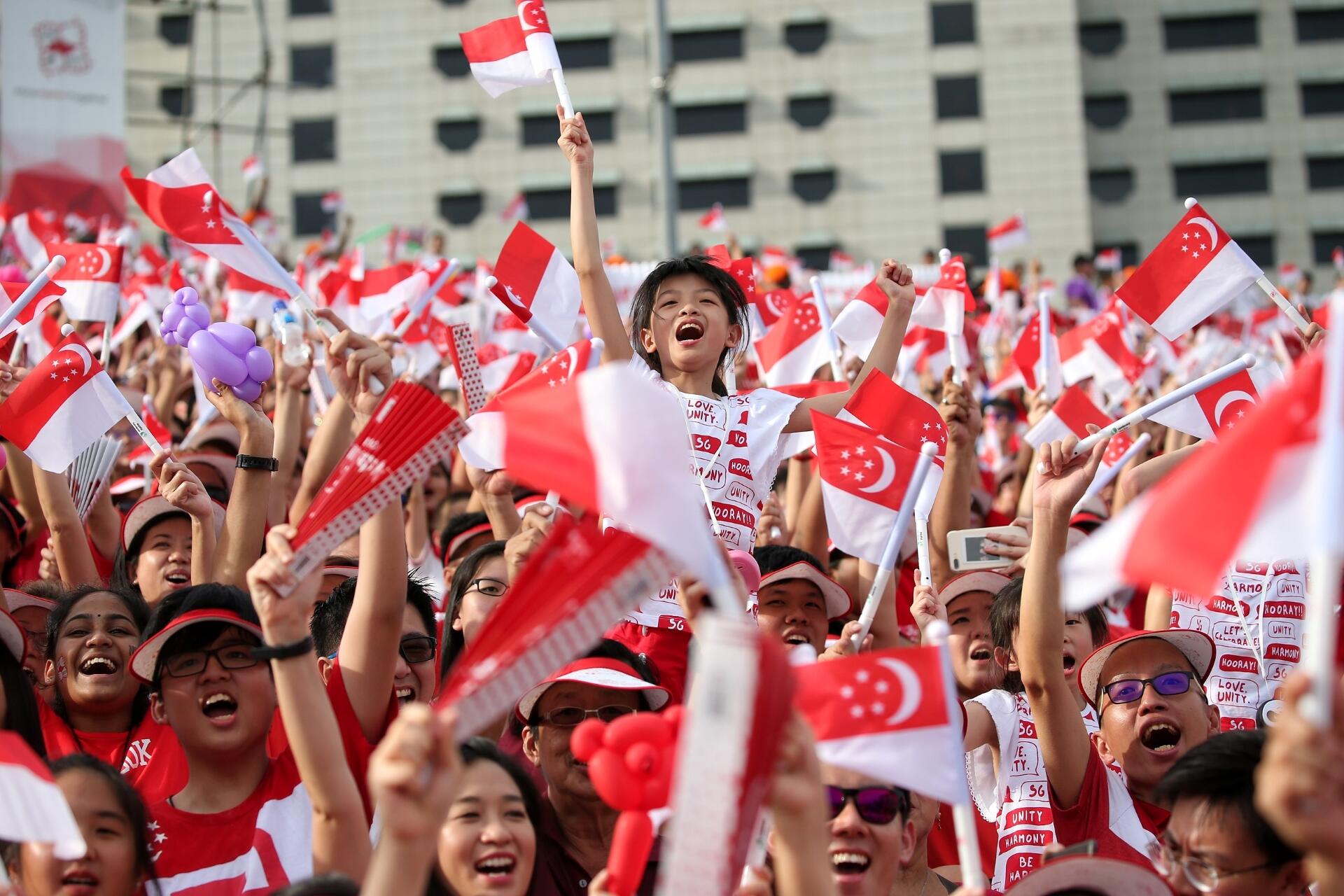
Singapore’s rich musical history is a reflection of its multicultural identity and evolving sense of nationhood, giving rise to famous songs in Singapore. Beyond the familiar patriotic National Day songs that are the famous Singaporean songs, the country’s musical landscape encompasses a wide range of genres, languages and artistic traditions.
Malay heritage tunes have preserved cultural memories and community traditions, while the 1960s saw the rise of local beat bands influenced by Western rock and roll that gave rise to some of the most popular and famous Singaporean songs. Over time, Mandarin pop gained popularity among Chinese-speaking audiences, and English-language indie acts emerged for a Westernised audience.
If you are looking for the single most famous song in Singapore, “Home” by Kit Chan, written by Dick Lee, is arguably the definitive answer. First performed for the 1998 National Day Parade, it has become an unofficial national anthem for many Singaporeans.
Other instantly recognisable favourites include “Count on Me, Singapore”, “We Will Get There”, “One People, One Nation, One Singapore”, “Di Tanjong Katong” and “Lover’s Tears” by The Quests. Together, these songs reflect Singapore’s heritage, national identity and home-grown music scene.
1960s — The golden age of beat bands
1970s — Malay rock and hard rock
1980s — Pop-rock and the alternative beginnings
1990s — Indie, punk and underground rock
2000s — Indie goes mainstream


The 15 Most Famous Singapore Songs at a Glance
The given table highlights 15 most popular Singaporean songs that hold a special place in the heart of Singaporeans and continue to enthral audiences even today.
| Song | Artist / Key Figure | Era | Why It Is Famous |
|---|---|---|---|
| Home | Kit Chan; written by Dick Lee | 1998 | Singapore’s best-loved modern National Day song |
| Count on Me Singapore | National Day song | 1986 | A defining civic anthem for many school-going generations |
| One People One Nation One Singapore | National Day song | 1990 | Known for its memorable chorus and unity message |
| We Will Get There | Stefanie Sun | 2002 | A millennial-era National Day favourite |
| Stand Up for Singapore | National Day song | 1984 | One of the earliest and most recognisable NDP songs |
| Where I Belong | Tanya Chua | 2001 | Popular for its warm reflective message of belonging |
| Di Tanjong Katong | Traditional Malay song | Heritage | A beloved Singapore cultural classic |
| Lover’s Tears | The Quests | 1960s | A landmark hit from Singapore’s pop yeh yeh era |
| Singapore Town | The Quests / Singapore music heritage | 1960s | Evokes early local pop culture and urban nostalgia |
| Fried Rice Paradise | Dick Lee | 1980s | A theatrical Singaporean cultural statement |
| Unbelievable | Celeste & The Superband | 2000s | A defining English-language Singapore pop-rock hit |
| Take Heart | The Sam Willows | 2010s | Represents Singapore’s modern indie-pop export |
| 11:11 | Yeo | 2010s | A streaming-era local pop favourite |
| The Moon Represents My Heart | Teresa Teng connection in Singapore | Classic Mandarin pop era | Important to Singapore’s Mandarin-pop listening culture; culturally beloved rather than Singapore-made |
| Rasa Sayang — Traditional Malay folk song | Several artists | Heritage | Ensures representation of Singapore’s multilingual music culture |
Songs That Became Singapore’s Shared National Soundtrack
Growing up, every Singaporean remembers listening to NDP (National Day Parade) songs in their school assemblies, community events and music classes. These tracks are more than catchy tunes: they foster a sense of national pride and are a part of the nation’s collective memories.1
The difficulty is in such a short melody, I have to put in all the words… it must be very simple, understandable for all the races in Singapore. So that takes long. Not the music but the words take long. I got to be very careful.
Encik Zubir Said, composer of Majulah Singapura
“Stand Up for Singapore” and “One People, One Nation, One Singapore”
One of the first national songs was “Stand Up for Singapore”, which was composed in 1984 by Canadian Hugh Harrison, a former jazz pianist. It epitomises the cohesion and resilience of every Singaporean in building a secure nation-state.
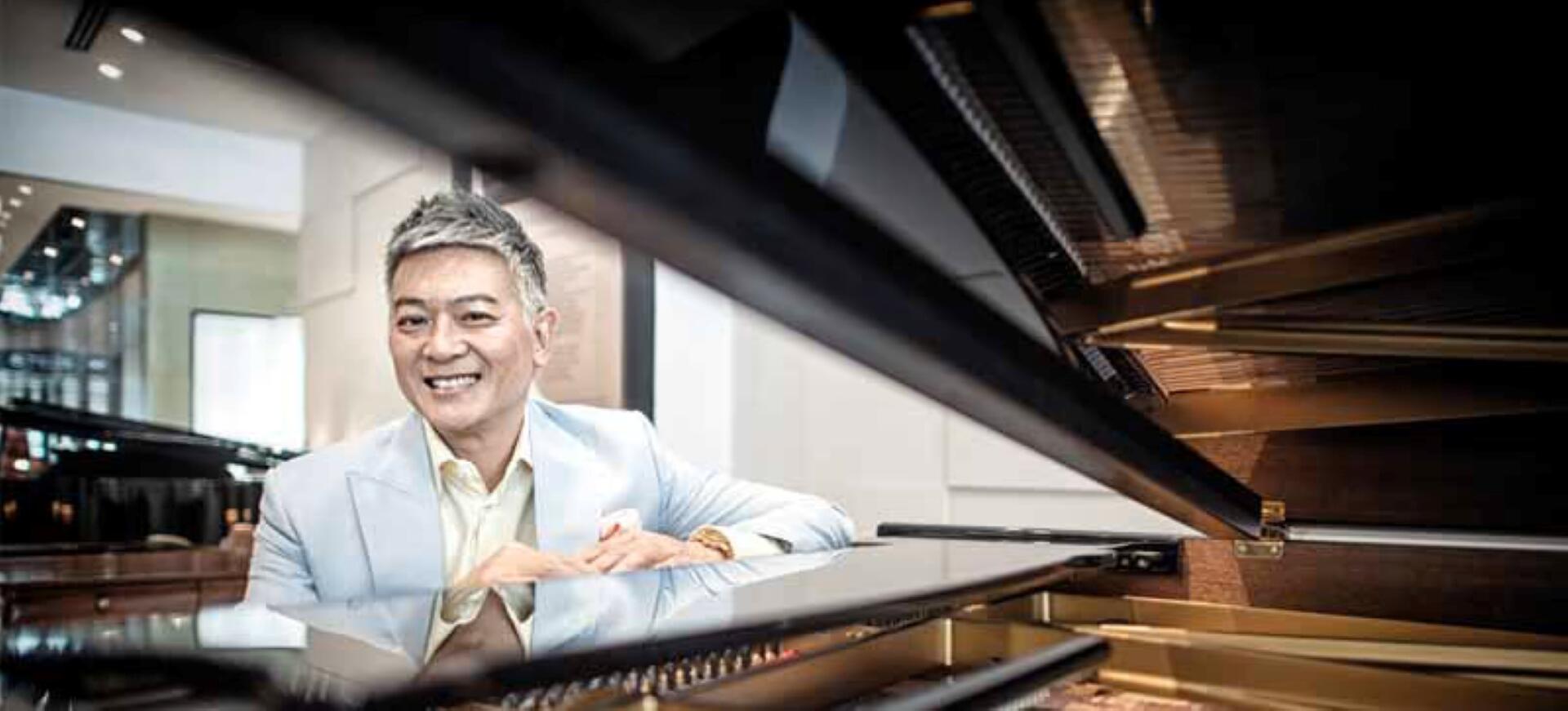
Similarly, “One People One Nation”, composed by Singapore's legendary jazz maestro Jeremy Monteiro, highlights the nation's multi-ethnic fabric through these lyrics: "Every creed and every race has its role and has its place".
With straightforward messages and a strong emphasis on togetherness, their lyrics encouraged Singaporeans to look beyond individual differences and work toward a common future. Decades later, these continue to be popular Singaporean songs, connecting older generations with younger audiences to a shared national heritage.
“Count on Me, Singapore” — A Song of Optimism (1986)
Released in 1986, “Count on Me, Singapore” is one of the most famous Singaporean National Day songs, becoming an anthem for a young nation making a name for itself.
Often associated with the Singapore National Day Parade (NDP), the song presented nation-building as a shared undertaking that has to be done by all the people of the nation of Singapore.
Decades later, the song evokes nostalgia for many older millennials and Generation X Singaporeans, reminding them of earlier National Day celebrations, the National Day Parade and Singapore National Day.
“Home” — Kit Chan and Dick Lee (1998)
Written by Singapore cultural icon Dick Lee and performed by Kit Chan, one of the most famous female Singaporean vocalists, "Home" is arguably one of Singapore’s most beloved NDP songs. The song explores belonging through personal connections to the island nation and the people of Singapore rather than any direct appeal to national duty.
I think my being away contributed quite a lot to the way the song feels: a little bit poignant, there’s a bittersweet, homesick quality in it. It sort of reiterated how home becomes more important when you’re away from it.
Dick Lee
Instead of defining Singapore through its landmarks, “Home” suggests that a country matters because of the people, experiences and memories that connect us to it.
Its lyrics “There is comfort in the knowledge / That home’s about its people too” have particular significance for Singaporeans living abroad, who may hear the song as a reminder of the place they left behind.
“We Will Get There” and “Where I Belong” — The 2000s Generation
As Singapore entered the 2000s, Singapore National Day songs began to be more contemporary in nature while still retaining the familiar NDP themes of unity and national pride.
One standout example was “We Will Get There,” performed by Stefanie Sun in 2002. With its uplifting melody and heartfelt message about overcoming challenges together, the song captured the optimism of a new generation of Singaporeans.
Much of the song’s lasting appeal can be attributed to Stefanie Sun’s star power, who was one of the region’s most prominent Mandopop artists. Her distinctive voice and emotional delivery connected the song with audiences beyond the usual National Day celebrations.
Another reflective song, “Where I Belong” by singer-songwriter Tanya Chua, explores belonging of the people of the nation-state of Singapore and talks of a place one can return to after being away from home. Its lyrics “Every day’s experience / Bitter, sweet or sour / It’s still wonderful” capture the beauty of everyday life in Singapore.
So iconic was this song that a new rendition was performed by the Singapore Symphony Orchestra on its 20th anniversary in 2021.
1984
Stand Up for Singapore
1986
Count on Me, Singapore
1990
One People, One Nation, One Singapore
1998
Home
2001–2002
Where I Belong and We Will Get There
Heritage and Early Pop Songs That Shaped Singapore Music
Long before modern National Day anthems, heritage songs and early pop songs shaped Singapore music. Here is a look at some of them.2
“Di Tanjong Katong” — A Singapore Heritage Favourite
For many Singaporeans, the melody of “Di Tanjong Katong” is instantly recognisable, even though they may know all the lyrics. A popular Singapore song, Di Tanjong Katong is composed of pantuns - a Malay poetic form consisting of alternating, rhyming lines and is dedicated to the Katong district and the seafaring communities residing there.
The song is special for Singaporeans as it evokes a sense of nostalgia for an earlier Singapore and how things were during those times.
For those keen to explore this famous Singaporean folk song, listening to different versions by established performers and bands offers an opportunity to understand how the song continues to be celebrated and passed down to new generations.
The Quests and “Lover’s Tears” — Singapore’s 1960s Pop Breakthrough
The Quests were among Singapore’s pioneering pop bands of the 1960s, at a time when beat music was gaining popularity across the region. Their work was part of the broader pop yeh yeh movement, which blended Western pop and rock influences with Malay-language songs and regional musical styles.
“Lover’s Tears” is one of the significant examples of this early breakthrough, and one that received recognition outside Singapore as well. The band’s success showed that Singaporean artists could participate in regional musical trends while developing their own identities.
Which song best represents Singapore to you?
Dick Lee and “Fried Rice Paradise” — Pop, Theatre and Singapore Identity
One of Singapore’s most celebrated music icons, Dick Lee is known for shaping Singaporean cultural expression through music, fashion and theatre. When he started, “Singapore in the ‘60s was neither here nor there, especially in terms of pop culture, which meant that many of us felt that we didn’t have a clear identity.” It was during his time in London in his early 20s when his Singaporeanness struck him, and he began drawing upon his Asian identity to shape his music.
“Fried Rice Paradise” best exemplified this, where he makes frequent use of local imagery and humour to celebrate the quirkiness and contradictions of Singaporean life. Its significance lies in its ability to weave local culture into popular entertainment, transforming everyday Singaporean experiences into part of a larger artistic narrative.
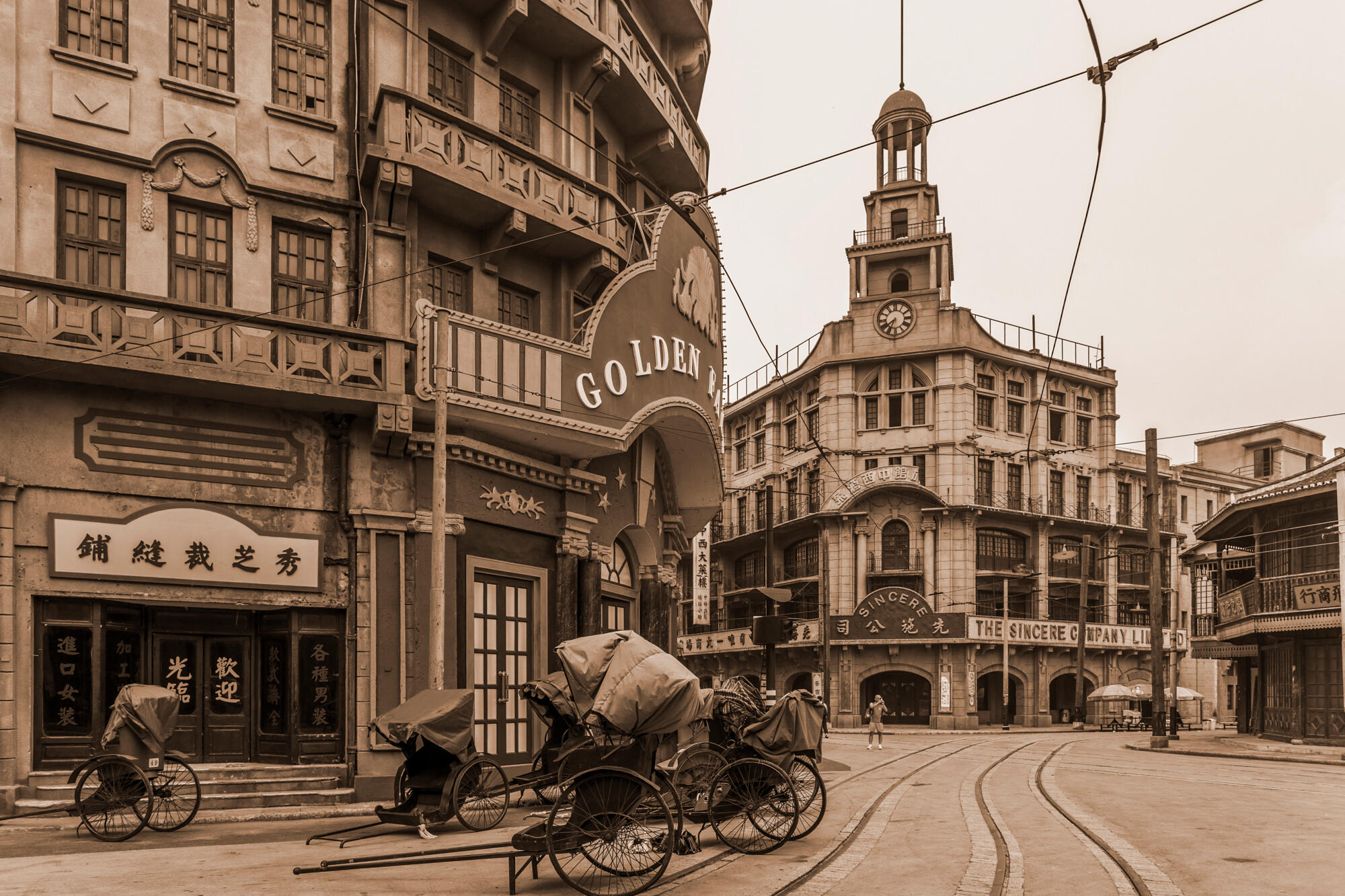
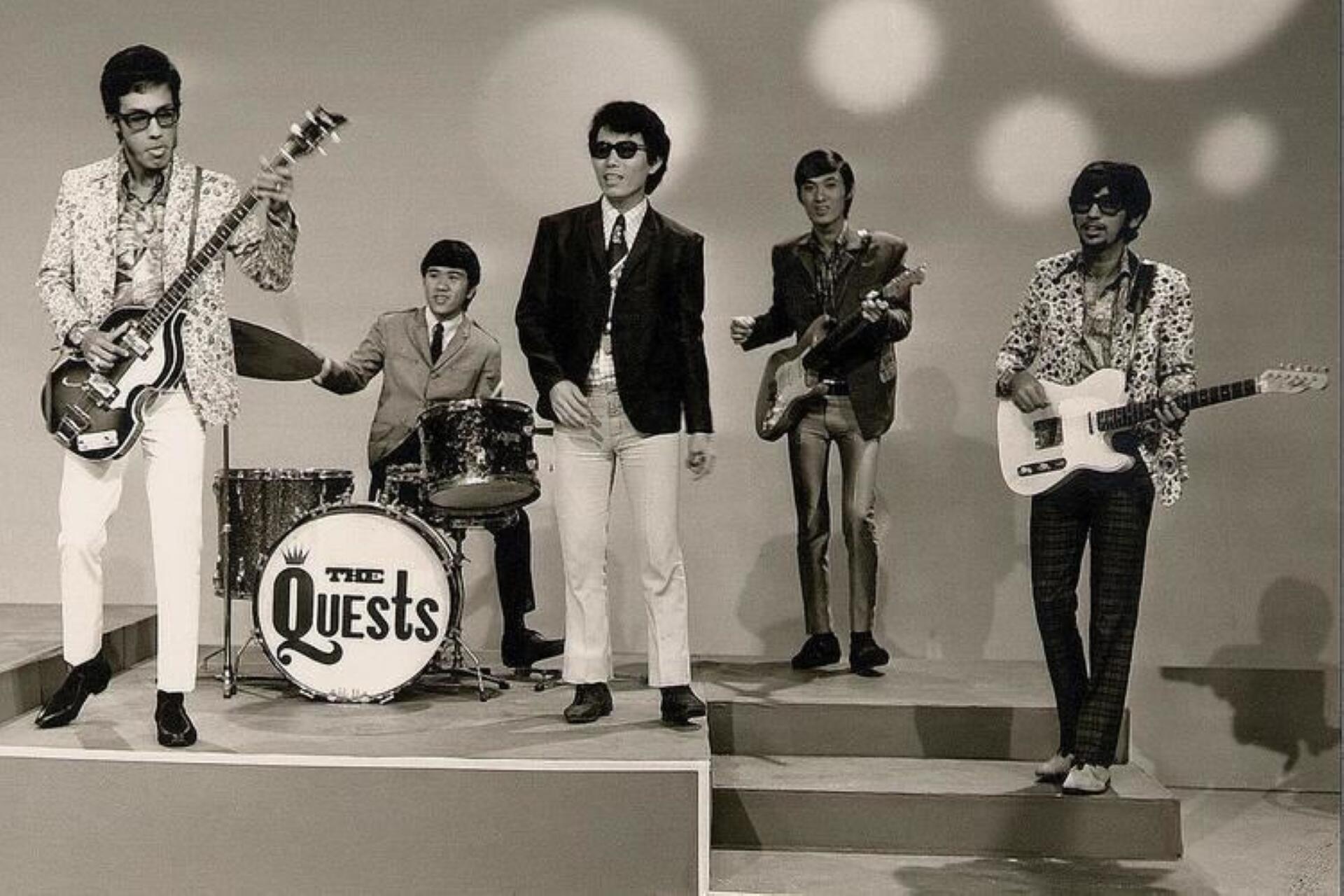
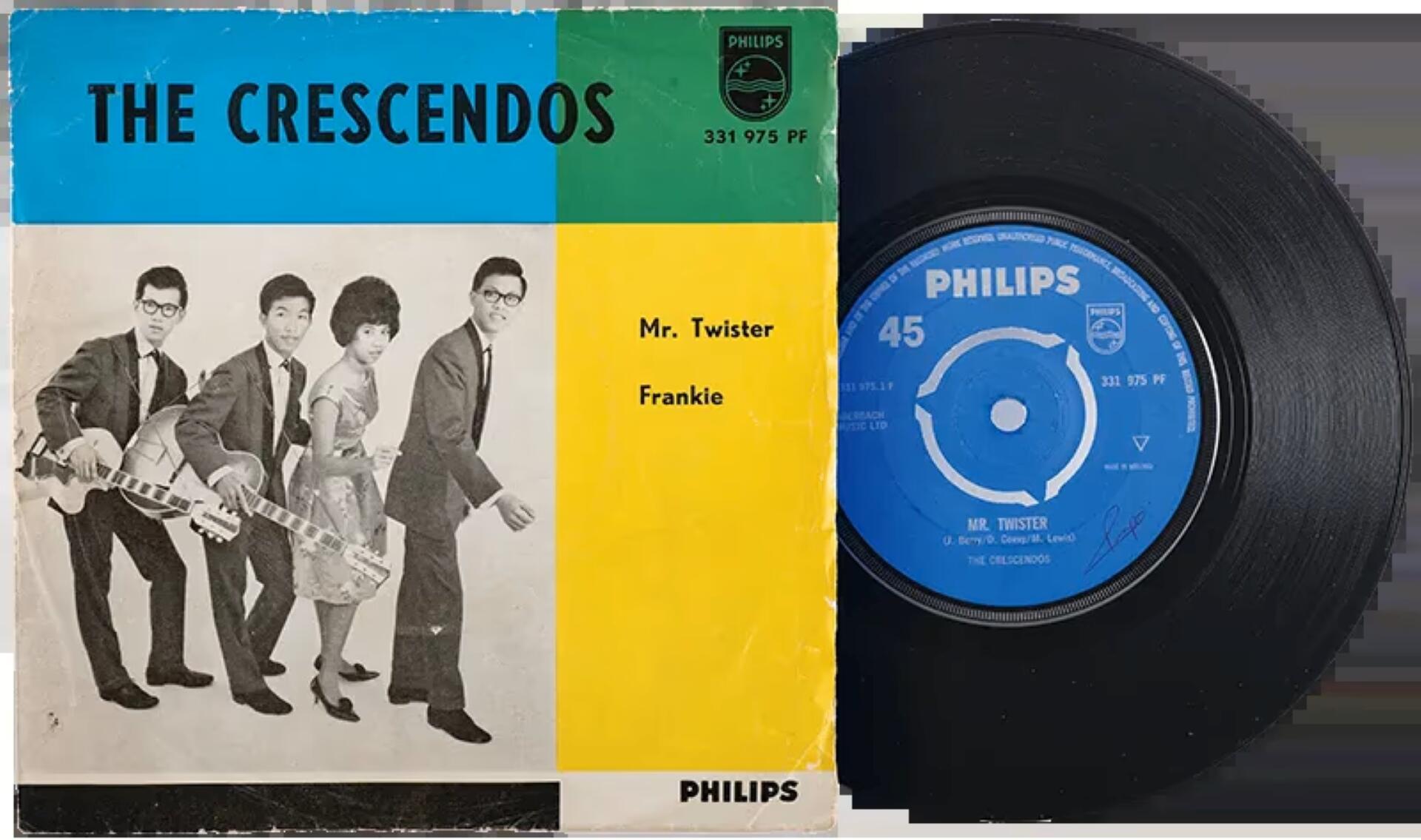
Pop Yeh Yeh was a musical movement in Singapore and Malaysia in the 1960s, inspired by Western bands like The Beatles, The Shadows, and the Rolling Stones. The music was adapted by the Malay community, who infused asli vocal and singing styles, giving Pop Yeh Yeh a unique sound.
Popular Singaporean Songs Beyond National Day
Beyond the patriotic anthems and heritage classics, there are other popular Singaporean songs as well.
“Unbelievable” — Celeste & The Superband
Celeste & The Superband captured the appeal of English-language Singapore pop-rock during the 2000s with songs like “Unbelievable” and contributed to the growing recognition of local artists. As one of the popular Singaporean songs, it evokes nostalgia for a bygone era.
“Take Heart” — The Sam Willows
Released in 2015, “Take Heart” paired catchy melodies with layered vocals that appealed to younger listeners. The single topped Singapore’s iTunes chart on release, making it one of the popular Singapore songs of its time. This song is an example of how social media and regional performances helped artists cultivate audiences outside Singapore.

Streaming-Era Local Music: Yeo and Newer Voices
The streaming era has opened new routes for Singaporean musicians to build audiences. A strong example is Gentle Bones's “Until We Die,” a famous Singaporean song released in 2013. This topped Singapore’s iTunes chart shortly after its release and contributed to his popularity. His continued success showed how original music could gain traction through digital discovery rather than relying solely on traditional radio exposure.
Newer songs may not yet enjoy the popularity of “Home,” but they add to the collection of famous songs in Singapore and popular Singaporean songs. To learn more, explore Singapore-focused playlists on streaming services or check out local festival line-ups to discover emerging singers and bands whose music goes beyond the familiar National Day songs.
How to Build the Perfect Singapore Music Playlist
Building the perfect Singapore music playlist of popular Singapore songs is all about balancing familiar favourites with songs that suit your mood, occasion and audience. From popular Singapore songs to famous Singaporean songs by popular Singaporean bands, the perfect playlist will have songs for all generations. Rather than playing every track in one long sequence, organise your selections into themes to create a more meaningful listening experience, featuring some of the famous Singaporean songs.
Choose Songs by Mood or Occasion
National Day and community events
Play all-time favourites such as “Home”, “Count on Me, Singapore”, and “We Will Get There” to bring people together and inspire patriotism.
Old Singapore nostalgia
Revisit local classics like “Di Tanjong Katong”, “Lover’s Tears” and “Singapore Town” for a nostalgic journey through Singapore’s musical past.
Local music discovery
Explore contemporary Singapore acts such as Celeste & The Superband, The Sam Willows and Yeo to discover fresh sounds from home.
A Singapore-themed road trip or family gathering
Mix beloved classics with modern Singaporean songs to keep listeners of different generations engaged.
Ultimately, Singapore’s most famous songs matter because they preserve memories of neighbourhoods, languages, school days, National Day celebrations and home. Which famous Singapore song would you add to your playlist?
References
- Kong, L. (1997). Popular music in a transnational world: The construction of local identities in Singapore. Asia Pacific Viewpoint, 38(1), 19–36. https://doi.org/10.1111/1467-8373.00026
- Loh, J. (2015). MusicSG: A repository of Singapore's musical heritage. BiblioAsia, 10(4). https://biblioasia.nlb.gov.sg/all-sections/vol-10-issue-4-jan-march-2015-musical/
Summarise with AI:
Did you like this article? Leave a rating!

 Loading...