
Folk music in Singapore exists in many forms, reflecting the nation’s rich multicultural history shaped by diverse communities like the Malay, Chinese, Indian, and Peranakans. Passed down through family life, festivals, religious ceremonies, classrooms and community performances, these Singapore traditional folk songs and songs of Singapore, some of which are shared with neighbouring parts of Southeast Asia, especially Malaysia and Indonesia, express shared values and everyday experiences, offering insight into the traditions of Singapore’s people.
Well-known examples include “Rasa Sayang”, “Chan Mali Chan”, “Dayung Sampan” and “Lenggang Kangkung”. While several are part of the wider Malay Archipelago’s shared repertoire, they are important to Singapore’s cultural memory and are still heard in schools, heritage programmes and community performances.
Rasa Sayang
Chan Mali Chan
Dayung Sampan
Lenggang Kangkung


What Counts as a Singapore Folk Song?
A traditional folk song is music that is transmitted primarily through oral tradition and repeated community performance through generations rather than being known mainly through a single commercial recording or a songwriter. In most cases, folk song writers remain unknown and belong to the community as a whole.
As time elapses, many significant moments in music history are in danger of deteriorating to the point where they would be lost forever. MusicSG aims to save these materials for the enjoyment and education of future generations.
Dr Edmund Lam, Chief Executive and Director of COMPASS
Due to its role as a major regional trading port, Singapore’s musical roots are closely interconnected with other countries across Southeast Asia. As a result, a "Singapore folk song" does not exist in isolation, but reflects the diverse heritage of the communities that settled on the island.
It encompasses several musical traditions, such as:
- Malay-language songs: Traditional songs associated with the Malay community.
- Chinese traditional music: Songs and musical forms of Chinese communities, like Chinese opera, religious rituals, and festivals such as Chinese New Year and the Mid-Autumn Festival.
- Indian community and devotional traditions: Songs performed in religious, ceremonial, and community settings.
- Peranakan musical culture: Music of the Straits-born Chinese community.
- Children’s songs and playground chants: Rhymes, singing games, and playground chants reminiscent of kampung (village) era and early neighbourhood life.
To understand Singapore’s musical identity, it is also important to distinguish folk songs from two other categories of music:
➡️Patriotic songs: modern compositions created to express national identity, unity, and pride.
➡️Popular songs about Singapore: Contemporary or commercial songs of Singapore that celebrate the country’s landmarks and people but are not necessarily part of an inherited folk tradition.
These distinctions matter because a song can be culturally significant to Singapore without being a folk song. Knowing the difference helps us understand how Singapore's traditional folk songs, along with the patriotic anthems and popular compositions by famous Singaporean vocalists, shape the nation’s musical identity.
| Category | What it means | Example |
|---|---|---|
| Folk song | Passed on through communities and performance | Rasa Sayang |
| Traditional cultural music | Music tied to heritage, ceremonies, or performing arts | Chinese opera excerpts, Indian devotional music |
| National/patriotic song | Modern composition about Singaporean identity | Home |
| Contemporary Singapore song | Modern popular music by Singaporean artists | Modern local pop and indie releases |
We want our young people to engage with and learn more about our traditional arts such as Malay traditional dance, Indian classical music, or Chinese calligraphy, so that they can develop the cultural fluency and empathy that will help them navigate life with understanding and respect.
Mr David Neo, Acting Minister for Culture, Community and Youth & Senior Minister of State for Education
Well-Known Folk Songs Sung in Singapore
Many of the folk songs in Singapore are part of the wider Malay Archipelago and not exclusive to the island nation. These songs have been taught, performed and passed down through generations in Singapore, becoming part of the local history.1
Rasa Sayang
Rasa Sayang is often considered one of the best-known Malay folk songs in Singapore, with its exact origin remaining uncertain.
Often among the first songs Singaporean children learn, its title, meaning “loving feeling”, expresses feelings of affection and fondness. The song is associated with communal singing and represents the themes of love, nature and communal living.
The first verse serves as a chorus, which is repeated after every “pantun”. Its repetitive refrain and memorable melody make the song well-suited to school activities and cultural performances, while also making it appealing and accessible to audiences of different ages.
Repeated refrain
Responsive vocal lines
Lively social atmosphere
Chan Mali Chan
Chan Mali Chan is a much-loved Malay folk-style song widely sung as a children's song in Singapore and Malaysia. It is included in Singapore's primary music curriculum and is quite popular in cultural performances.
Formatted as a four-part rhythmic pantun ( a traditional Malay poetic form), the song uses a question-and-answer structure, with a recurring chorus that encourages group participation. Its lively refrain makes it suitable for classroom singalongs, early-childhood music activities and cultural showcases.
The song exists in several versions, with differences in lyrics and verses. Such variations are common in orally transmitted folk songs, so no single version should be considered the only correct one. Its documentation in both Malaysia and Singapore also highlights its place within a broader regional tradition.
Dayung Sampan
Dayung Sampan is a popular Malay-language community folk song and is included in the primary and secondary school syllabus. The song’s lyrics refer to the life of a fisherman when rowing a sampan out to sea, connecting it to the wider maritime traditions of Southeast Asia.
Apart from its popularity in Singapore, the song is also strongly linked to Malay, Betawi and Peranakan musical traditions. It illustrates how a song can travel across communities and take on different meanings in different places.
In Singapore, the song evokes nostalgia in the current generation for a bygone maritime era shaped by sampans, fishing communities, and busy harbour activities. Today, the song remains alive through school music lessons and community performances, offering younger generations a musical connection to the island's seafaring past, harbour culture and kampung memories.
At the same time, famous Singaporean bands continue to enthral the nation with their songs.
🎶 Poll: Which traditional song do you remember hearing first?
Lenggang Kangkung and Other Malay Traditional Repertoire
Lenggang Kangkung” is another cherished song in the Malay repertoire. The song describes a person moving in a leisurely manner (lenggang), like a water spinach (kangkung) swaying/dancing by the paddy field.
The song is frequently featured in cultural showcases and school performances, and highlights the seamless interplay between music and movement that defines traditional Malay performing arts.
Discover the contributions of female Singaporean vocalists, who have helped preserve and celebrate the country's rich musical heritage.
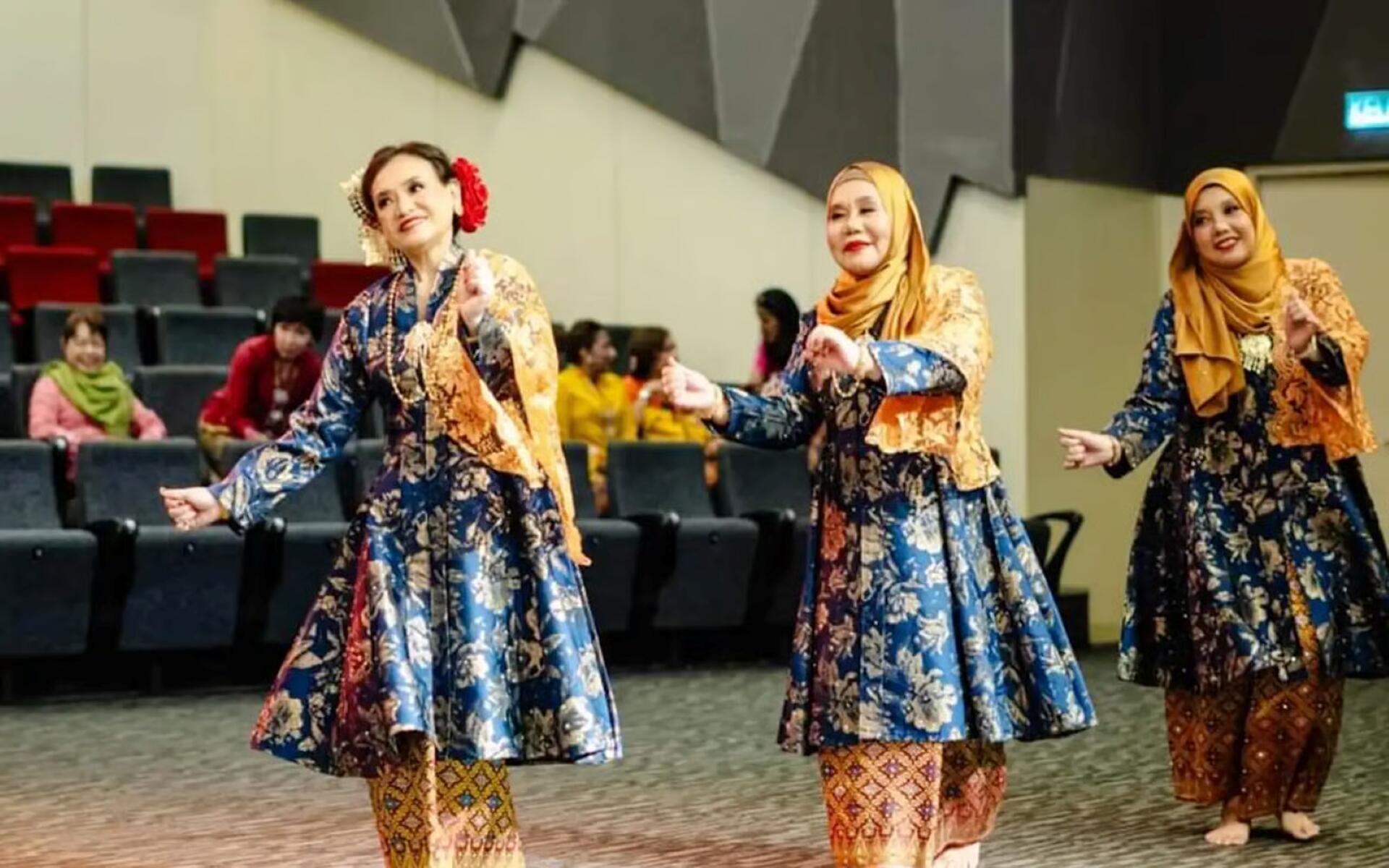
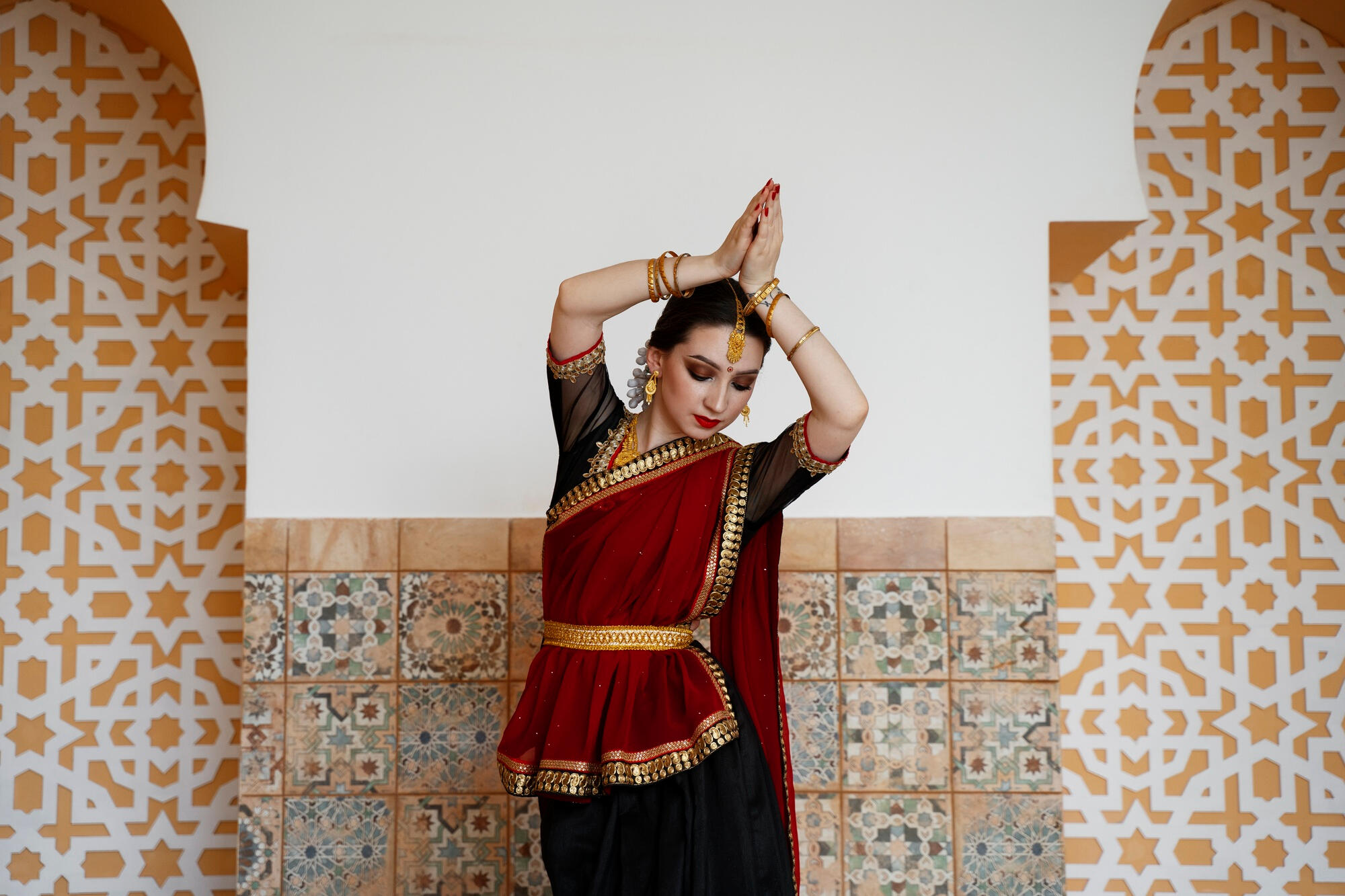
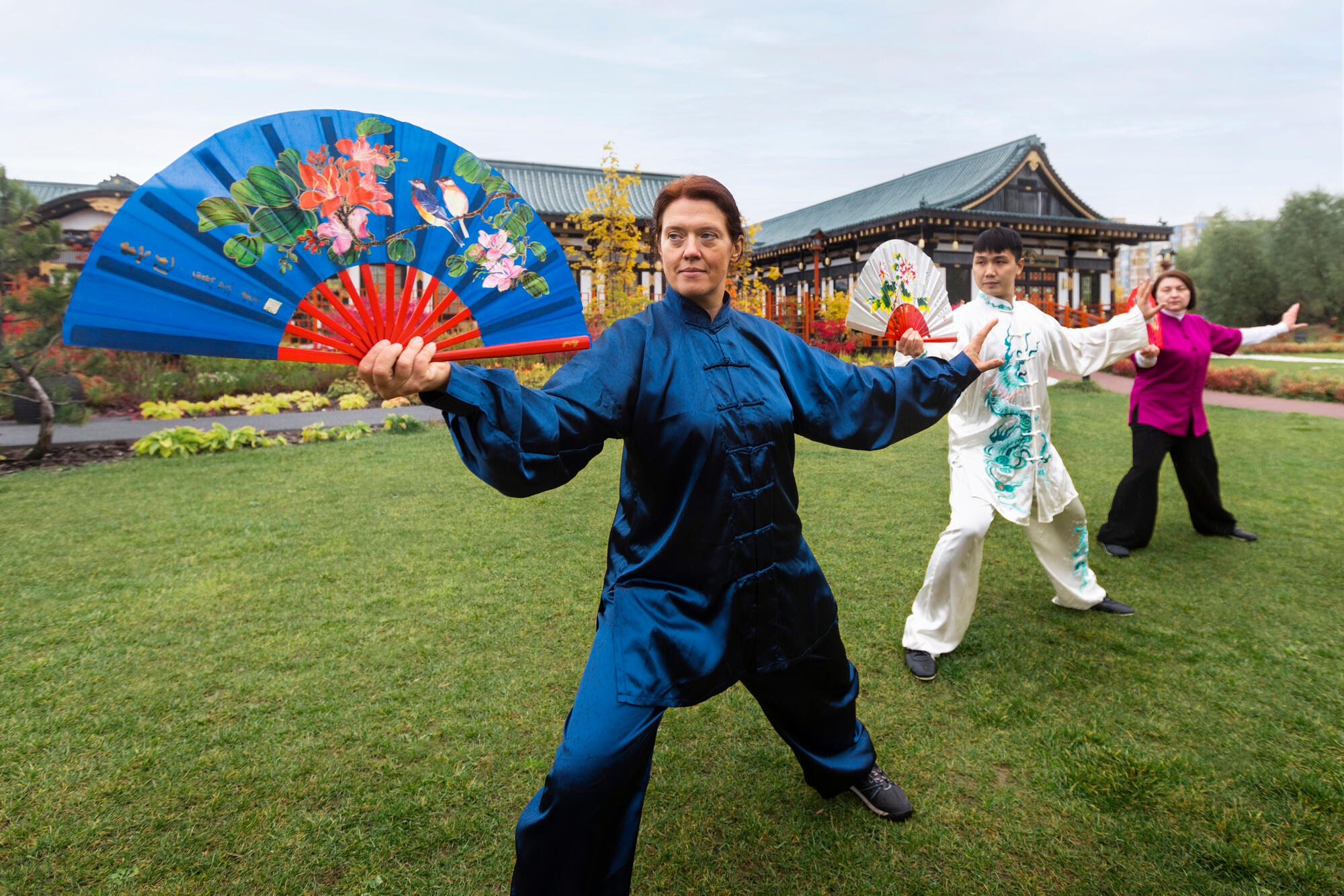
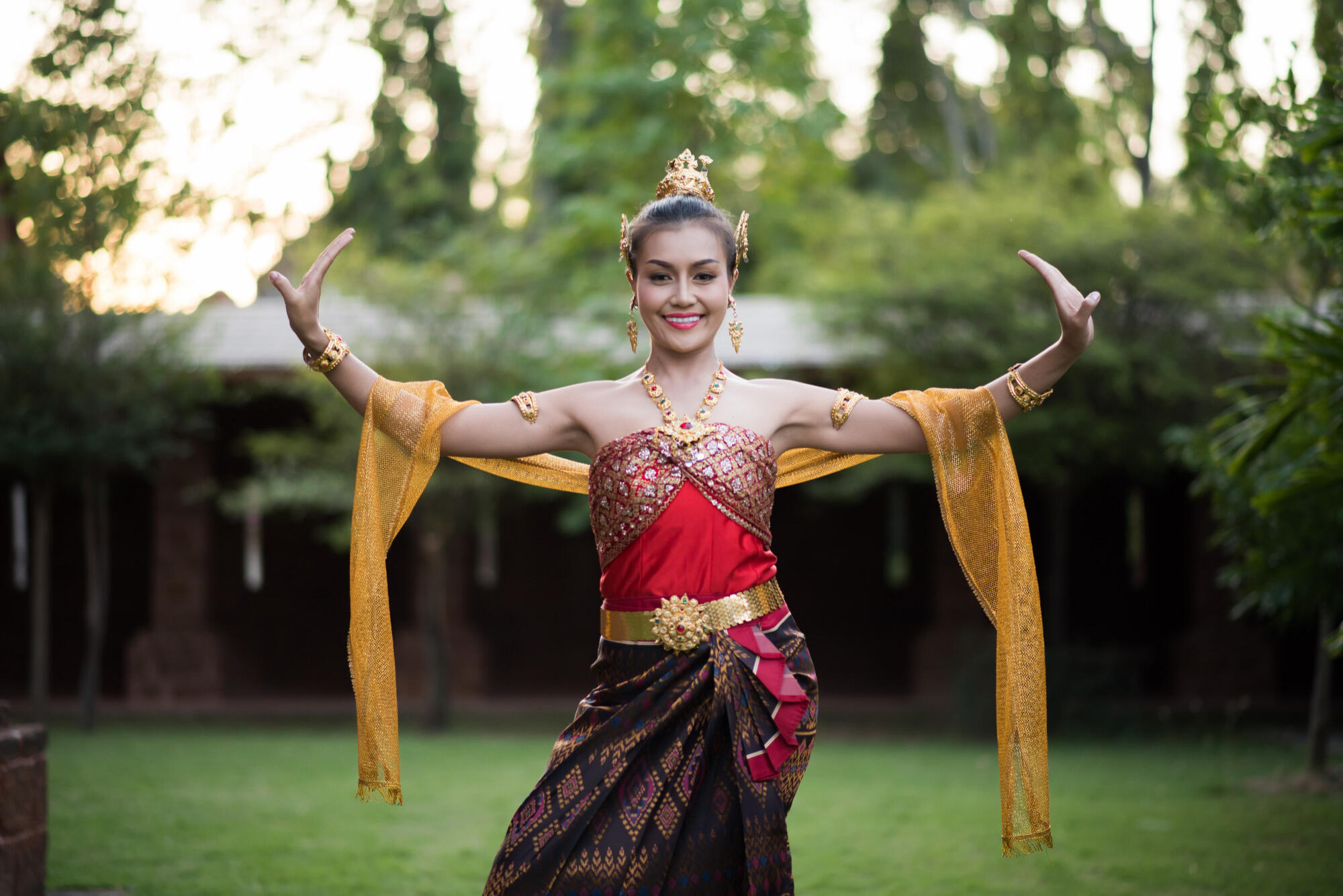
The Cultural Roots and Meanings Behind Traditional Singapore Songs
A Port City Shaped by Migration and Exchange
Singapore’s location in Southeast Asia gives it a strategic advantage that connects it with the Malay Archipelago and wider trading networks. As Malay, Chinese, Indian, Eurasian and other communities migrated to Singapore, they brought their musical traditions with them that evolved through interactions with the local culture.
Over time, these songs spread through families, schools, marketplaces, religious spaces and community gatherings, reflecting Singapore’s multicultural heritage.
Language, Dialect and Oral Transmission
These Singapore traditional folk songs were passed down orally, rather than through standardised written texts. Singers learned these folk songs in Singapore by listening and repeating what older generations performed. As a result, the lyrics could be different.
The lyrics may also have different spellings in older songbooks and modern teaching materials. Understanding translations and cultural contexts helps learners appreciate traditional Singapore songs' meaning beyond individual words.
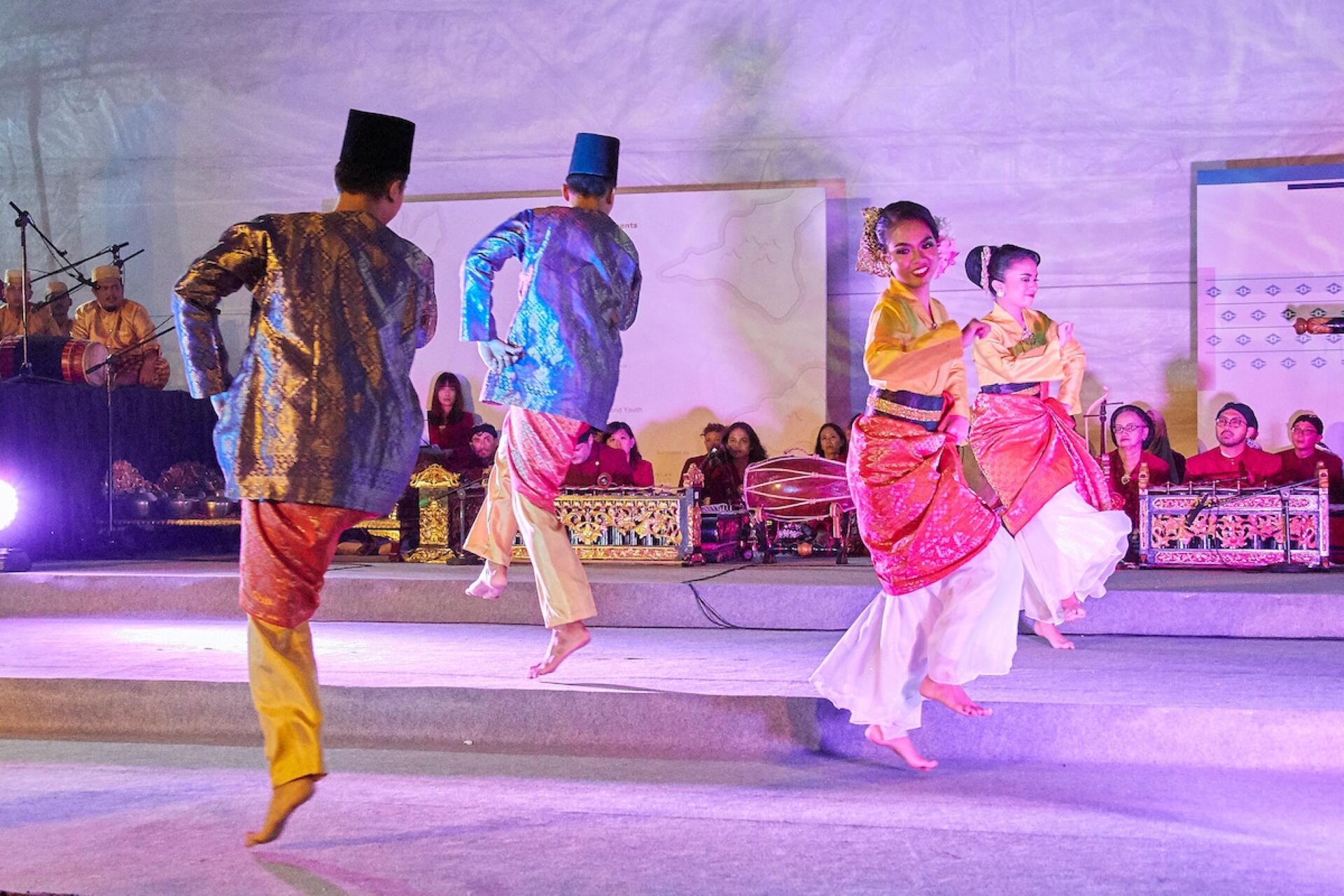
Everyday Life in Folk Song Themes
Singapore traditional folk songs and songs of Singapore often reflect everyday experiences and shared values, including:
- Affection, friendship and courtship
- Children’s play and learning
- Farming, food and village life
- Rivers, boats and journeys
- Humour, teasing and social relationships
- Religious festivals, faith and community belonging
Folk songs in kampung communities
Songs were passed on informally through families and community gatherings.
Iconic songs include Chan Mali Chan, Di Tanjong Katong, and Singapura, Sunny Island.
Community music and cultural exchange
During the 1940s and 1950s, community music reflected Singapore's multi-ethnic society.
Independence and national unity
During this period, Singapore's traditional songs, along with national songs, helped foster a strong sense of national unity.
One of the most significant initiatives was Aneka Ragam Ra’ayat, a government initiative to promote racial unity in Singapore.
Folk songs enter school education
Traditional songs became part of music lessons in schools.
Examples include the Tamil song Munnaeru Vaalibaa, the Malay song Di Tanjong Katong and the Chinese song Xiao Bai Chuan.
Reviving local songs
During the 80s to 2000s, initiatives like "Sing Singapore" promoted community singing among Singapore's multi-racial population.
Heritage revitalisation
Schools and heritage organisations continue to preserve traditional music through singing performances and workshops, enabling the current generation to stay connected to their roots.
Singapore Folk Songs in Schools, Performances and Everyday Life Today
Learning Traditional Songs in Schools
In Singapore, children are often introduced to traditional folk songs through primary school music curriculum, racial harmony activities, music lessons, and cultural celebrations. Beyond their catchy melodies, these songs serve as powerful educational tools that nurture musicality and cultural literacy from an early age.
When teaching students about folk songs, it is advisable to use recordings from credible cultural organisations and teach cultural context alongside lyrics.
Folk songs often change slightly as they are passed between families, schools and regions.
Experiencing Traditional Music in Singapore
For those wanting to experience the traditional folk songs of the sunny island of Singapura firsthand, there are plenty of opportunities available to explore Singapore’s traditional songs.2
Heritage Museums & Cultural Institutions
Visit venues like the Malay Heritage Centre, Asian Civilisations Museum, Esplanade, Singapore Chinese Cultural Centre (SCCC), and the National Museum of Singapore to discover interactive exhibits and special showcases.
Community Arts Programmes
Enjoy free neighbourhood arts programmes through community initiatives such as Esplanade’s free outdoor performance series or PAssionArts, supported by the Ministry of Culture, Community and Youth.
Cultural & Festive Celebrations
Attend traditional performances during festivals like Hari Raya, Chingay Parade, Mid-Autumn Festival, and Deepavali.
Cross-Cultural Performing Arts Events
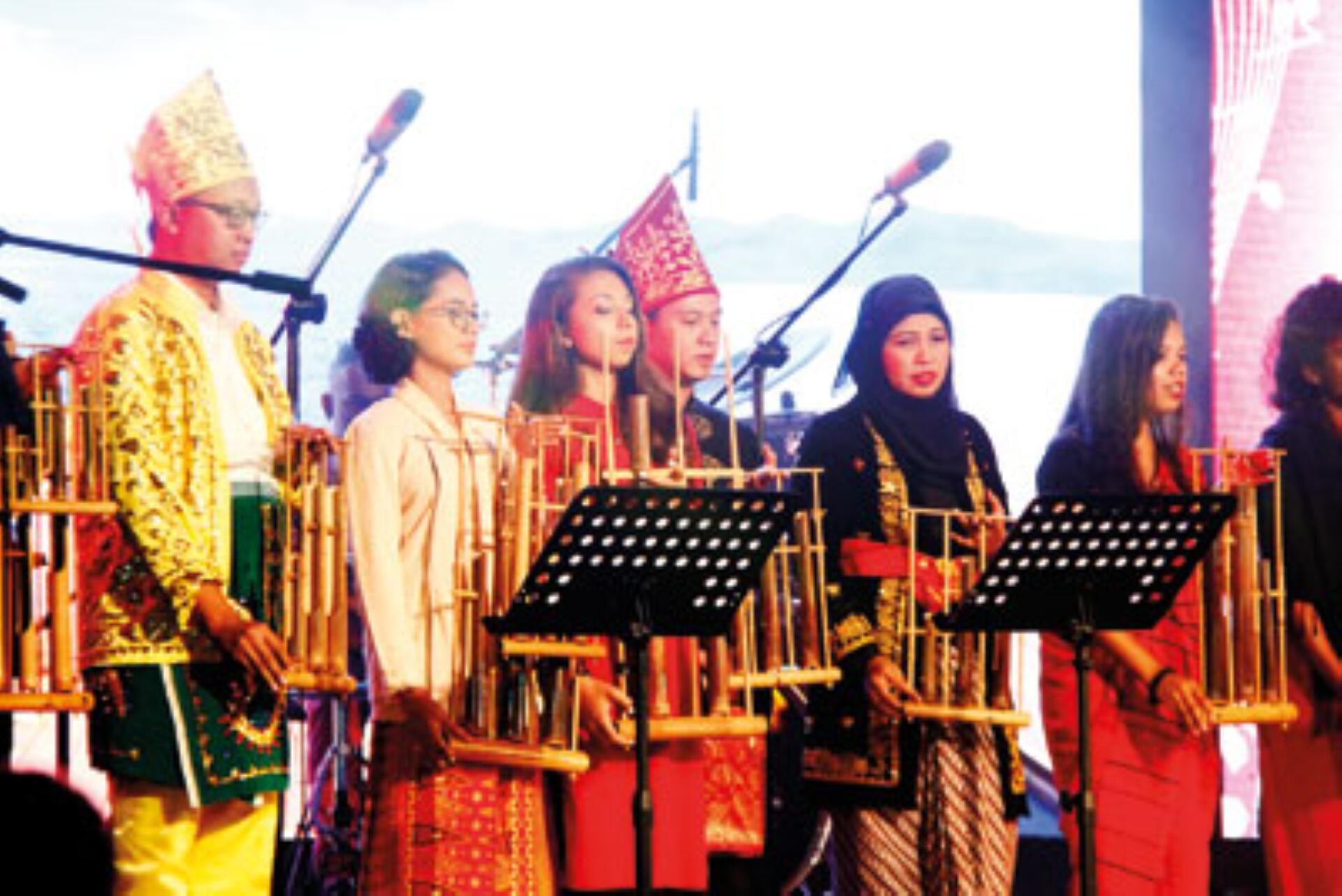
Explore Singapore's multi-ethnic performances featuring Malay ensembles (Gamelan or Kompang), Chinese orchestral adaptations, and Indian classical or folk fusion concerts
Libraries & National Archives
Read about the traditional folk songs of the people of the nation of Singapore at the National Library Board (NLB) and the National Archives of Singapore to get a peek into Singapore's traditional folk songs.
How to Build Your Own Singapore Traditional Songs Playlist
Curating a traditional Singapore songs playlist is an excellent way to explore the variety of Singapore's traditional folk songs. Here is a simple process to get started:
- Begin your playlist with widely recognised anchor songs like "Rasa Sayang", "Chan Mali Chan", and "Dayung Sampan".
- Look up recordings by established cultural institutions, heritage arts groups, or educational bodies of songs of Singapore.
- Ensure your playlist includes Singapore traditional folk songs across Malay, Chinese, Indian, and Peranakan musical communities.
- Take a moment to read the notes around each recording to understand language, context and variation.
- Complement your digital listening by attending live community concerts and multi-ethnic music showcases whenever possible.
Why Traditional Singapore Songs Still Matter
Traditional Singapore folk songs are more than nostalgic reminders of the past. They preserve languages, melodies, memories and social practices that might otherwise fade as communities change and younger generations grow further removed from earlier ways of life. Learning these songs can deepen cultural literacy, encourage exchanges between generations and inspire respectful curiosity about the different communities that shape Singapore’s cultural landscape.
Their significance also extends beyond Singapore’s borders, as many traditional songs reflect the shared histories and cultural connections of Southeast Asia and how that has shaped everyday life.
Supporting local cultural practitioners and institutions is essential to keeping these traditions alive. Songs such as “Rasa Sayang”, “Chan Mali Chan” and “Dayung Sampan” are some of the iconic Singaporean songs and offer an accessible starting point, inviting listeners to look into the communities, histories and cultural influences associated with them.
References
- Sunarti, L., Tejowasono, N. S., Hussin, H., Ibrahim, A., & Sari, N. F. L. (2023). Travelling songs: Heritage and popular culture in contemporary ASEAN. Cogent Arts & Humanities, 10(1), Article 2198313. https://doi.org/10.1080/23311983.2023.2198313
- Peters, J. (1995). Traditional music in Singapore. In R. P. Santos (Ed.), The Musics of ASEAN (pp. 93–144). ASEAN Committee on Culture and Information.
Summarise with AI:
Did you like this article? Leave a rating!

 Loading...