
Many beginners often struggle to understand the difference between an acoustic and an electric guitar. While both acoustic guitars and electric guitars have similarities, each one has unique features and is suited to different genres. Understanding the difference between electric and acoustic guitar can help budding musicians make the right decision.
Usually, electric guitars are considered easier to learn because of their lighter strings and lower action. However, the decision to choose between acoustic guitar or electric guitar should depend on your personal choice like your musical preferences, your preferred playing style and the budget you have in mind.
In this article, we will discuss all about acoustic and electric guitars and give you a clear understanding of which type of guitar is right for you.
| Feature | Acoustic Guitar | Electric Guitar |
|---|---|---|
| Pros ✅ | Produces natural sound without an amplifier Portable and can be played anywhere Simple to maintain Ideal for unplugged performances | Easier to play due to lower string action Offers a wide range of tones and effects Adjustable volume and sound settings Suitable for many modern music genres |
| Cons ❌ | Can be harder on beginners' fingers Higher string action requires more finger strength Limited sound customisation No built-in volume control | Requires an amplifier and accessories Less portable due to additional equipment Higher overall cost Electronic components require maintenance |


Understanding the Basics
How do you know if your guitar is electric or acoustic? The most obvious telltale sign is that an acoustic guitar has a hole in the middle of it. This is the main characteristic of an acoustic guitar and is the way this guitar produces music.1 This hollow chamber in the acoustic guitar’s body converts the vibration from its string to sound.
With acoustic guitar, for the first couple of years at least, I think you should leave a wound third string on and really build up strength in the fingers. In other words, don't try bending strings the first week you buy the guitar.
Rory Gallagher, Irish guitar hero
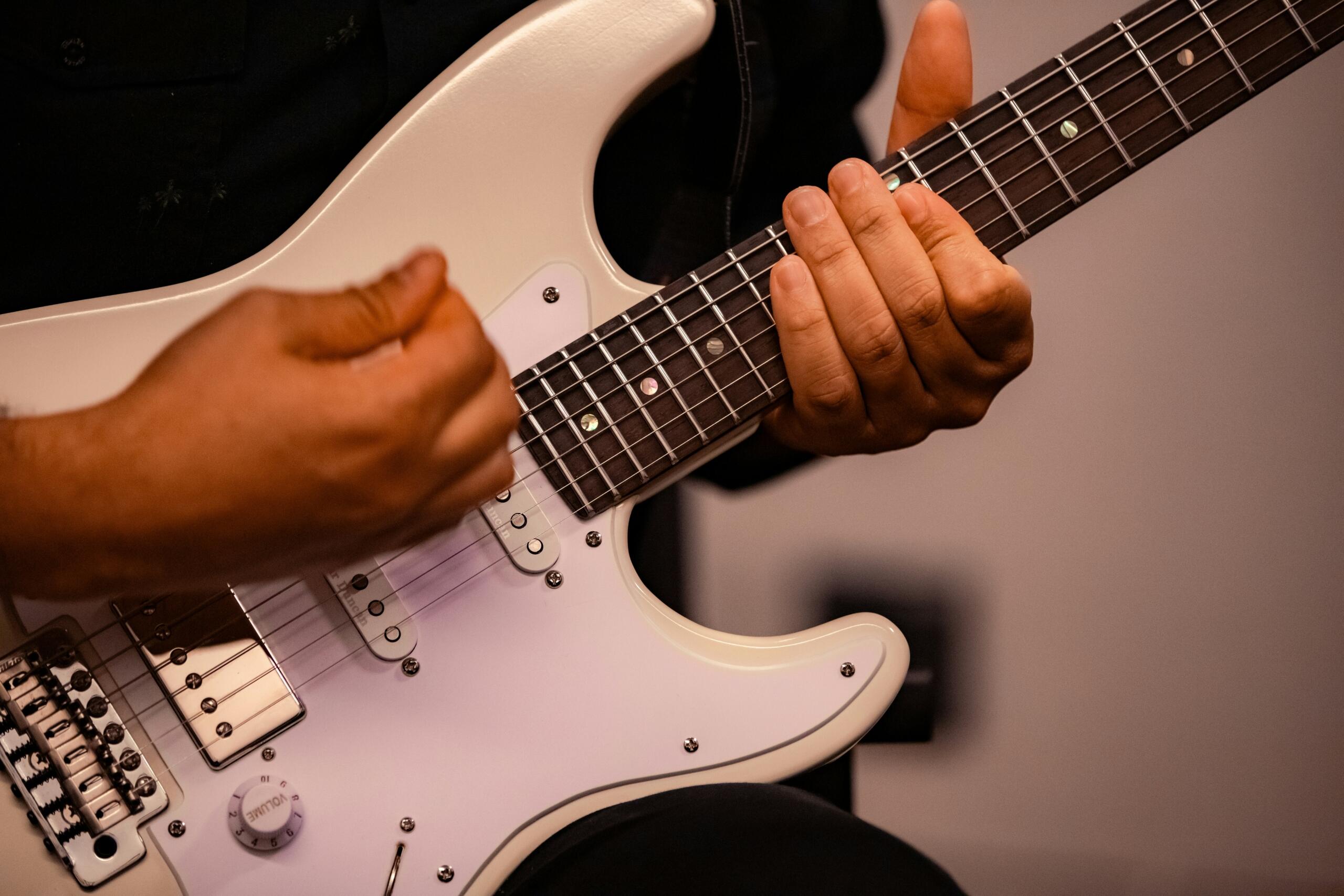
An electric guitar, on the other hand, looks similar to an acoustic guitar but is slightly different. Instead of relying on a hollow body, an electric guitar uses magnetic pickups to pick up the vibrations on the strings and convert them to an electrical signal projected through an amplifier.
Although synonymous with rock and roll, the electric guitar is suitable for all genres of music and can be an exciting instrument to play and master.
🔥Why do people love playing acoustic guitars around campfires?
Characteristics of the Acoustic Guitar
- They are hollow-bodied instruments that amplify sound naturally
- They do not require electronic amplification, making them more portable
- Acoustic instruments produce deeper and warmer tones compared to electric instruments
- It is lightweight and more portable
- It is used in various music genres like country, pop and blues

Here are the basics of an acoustic guitar.
| Part | Function | Why It Matters |
|---|---|---|
| Headstock | The top section of the guitar where the strings are anchored using tuning pegs. | Allows the player to tune each string accurately. |
| Neck | The narrow section that connects the headstock to the body and supports the fingerboard. | Provides the playing surface for forming notes, scales, and chords. |
| Body | The hollow wooden chamber that naturally amplifies the sound produced by the strings. | Responsible for the guitar's volume, resonance, and tonal quality. |
| Sound Hole | The circular opening in the centre of the guitar's body. | Projects the sound generated inside the body, making the instrument louder without electronic amplification. |
| Bridge | Fixed to the body, it anchors one end of the strings and transfers their vibrations to the soundboard. | Plays a key role in sound transmission and helps maintain proper string height. |
| Tuning Pegs | Adjustable pegs located on the headstock that control string tension. | Essential for keeping the guitar in tune and ensuring consistent performance. |
Characteristics of Electric Guitar
- The electric guitar is a solid-body instrument
- It requires an amplifier to amplify the frequency of the vibrating strings
- It can be connected to effects pedals to change the tone and create echoes
Here are the basics of electric guitars.
| Part | Function | Why It Matters |
|---|---|---|
| Headstock | Located at the top of the guitar, it secures the strings and houses the tuning pegs. | Enables accurate tuning by keeping the strings at the desired tension. |
| Neck | The long section connecting the headstock to the body, where the player presses the strings. | Supports the fingerboard and frets, making it essential for playing notes and chords. |
| Body | The largest section of the guitar that contains the electronic components and is where the strings are strummed. | Holds the pickups, bridge, controls, and other hardware that shape the instrument's sound. |
| Tuning Pegs | Rotating mechanisms that tighten or loosen the strings. | Used to adjust string pitch and maintain proper tuning. |
| Pickups | Magnetic devices that capture string vibrations and convert them into electrical signals. | Produce the amplified sound and allow different tonal variations depending on the pickup selected. |
| Tremolo Arm (Whammy Bar) | A lever attached to the bridge that changes string tension temporarily. | Creates pitch-bending and vibrato effects commonly used in many styles of electric guitar playing. |
🤝Similarities Between Acoustic and Electric Guitars
While acoustic and electric guitars are two different kinds of guitars, they have a ton of similarities with each other. Let us discuss the similarities between these unique guitar types.
Strings, Fret and Fretboard
Both the electric guitar and the acoustic guitar are stringed instruments, typically using six strings to produce music. Similarly, both of these guitars have fretboards and frets.

Technique
Both types of guitars use almost the same playing technique. If you have learned and mastered the acoustic guitar, you can relatively quickly learn and master the electric guitar.
Tuning
To play beautiful music on a guitar, you must first tune this instrument—the electric guitar and the acoustic guitar use the same tuning method. Both use the standard tuning method (E-A-D-G-B-E).
The primary difference between acoustic guitars and electric guitars is that acoustic guitars produce sound naturally through their hollow body.
On the other hand, electric guitars use pickups and need an amplifier to produce sound.
Acoustic guitars are suited for unplugged playing and preferred for a close-room experience, while electric guitars offer a wider variety of tones and cater to a large audience.
⚡Key Differences Between Acoustic and Electric Guitars
Acoustic and electric guitars have many similarities, but their differences make them unique. Though one can play both instruments, there are significant differences between them that can help you decide which guitar to choose.
Strings
One of the most significant differences between acoustic and electric guitars lies in the type of strings used. As you know, the string plays the most prominent role in producing music for this instrument. It is the vibrations that these strings give out that make up the tone of the instrument.
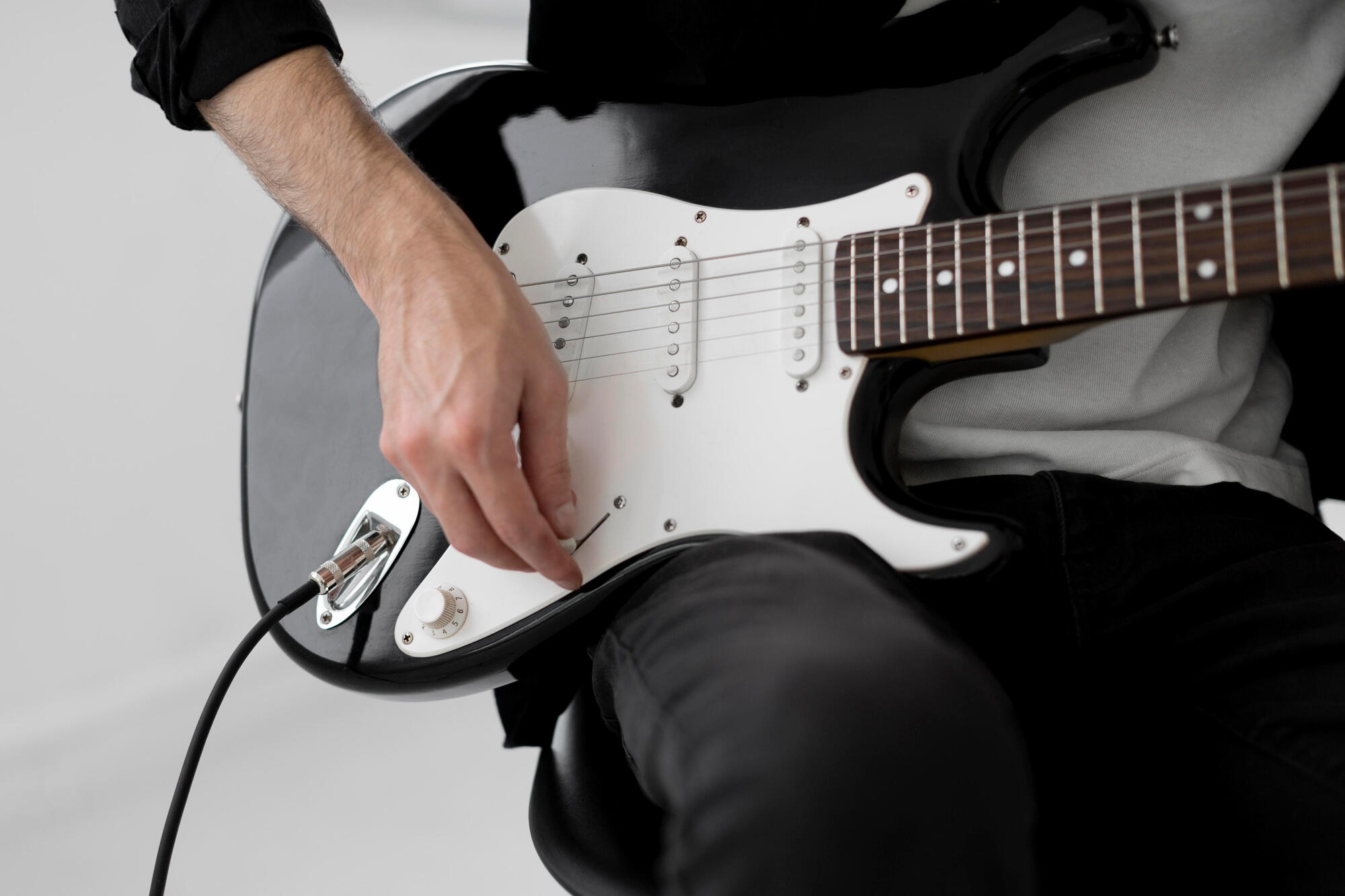
Generally, the electric guitar uses steel strings that are thinner and have lower tensions than acoustic strings. This is a huge difference compared to the acoustic guitar.
In contrast, acoustic guitar strings can be made of many different materials, such as steel and nylon. For steel-string acoustic guitars, the most commonly used materials are phosphor bronze, coated versions, bronze, silk, and steel.
Portability
One of the glaring differences between the acoustic guitar and the electric guitar is its portability. An acoustic guitar is small and can be easily carried around from one place to another. You can even travel easily between countries with an acoustic guitar.
The electric guitar, on the other hand, is not so travel-friendly. The reason for this is that to play your electric guitar, you will also need to carry an amplifier. Simply put, an electric guitar can only produce music with an amplifier. This makes this instrument a tad bit less portable than an acoustic guitar.
Overall, the general size of the electric guitar is smaller and slender compared to an acoustic guitar, but keep in mind the need for an amplifier.
Pros and Cons of Each Type
Acoustic Guitars Pros
The acoustic guitar is widely regarded as one of the most popular instruments in the world. Let us explore some of its pros and cons to help you make an informed decision, as it's important to choose a guitar that matches your learning level.
Flexibility
One of the best things about the acoustic guitar is its flexibility, which allows you to bring it whenever and wherever you want. Unlike instruments such as the piano, you can carry it everywhere and practise it whenever you want.
Easy to learn
The acoustic guitar is simple to learn and play. Since they don't need extra equipment or amplifiers, they are ideal for beginner guitarists who want to begin learning immediately.
Cheaper
The acoustic guitar tends to be more affordable than electric guitars. In most cases, you just need a guitar, a pick, and some strings, which makes playing this instrument very affordable.
Are you unsure about which guitar is within your budget? Check out the Best Affordable Guitars for New Players!
Acoustic Guitar Cons
Tougher on Fingers
The acoustic guitar has thicker strings, which tend to be harsher on the fingers and make playing uncomfortable. Guitarists who pick up the acoustic guitar tend to form calluses because of this, but you can refer to some helpful resources that can assist you in getting used to the acoustic guitar.
It Can Be a Struggle for Those with Smaller Hands
As mentioned earlier, one of the pros of learning the acoustic guitar is that the strings are further apart, making it easier to manoeuvre. But this is a double-edged sword, as the neck of the acoustic guitar tends to be thicker or wider. This makes it difficult for people with small hands.
Volume Can’t Be Controlled
Since acoustic guitars don't have a volume control, practising at early and late hours could be problematic as it might disturb others.
Which type of guitar do you prefer?
Electric Guitars Pros
Easier to Learn
One of the electric guitar’s most significant pros is that it tends to be easier to learn than the acoustic guitar. This is mainly due to its thinner strings and slimmer neck. The thinner strings tend to hurt less for beginners, and the fact that an electric guitar’s neck tends to run thinner makes it easier for those with small hands to manoeuvre the instrument.
Variety
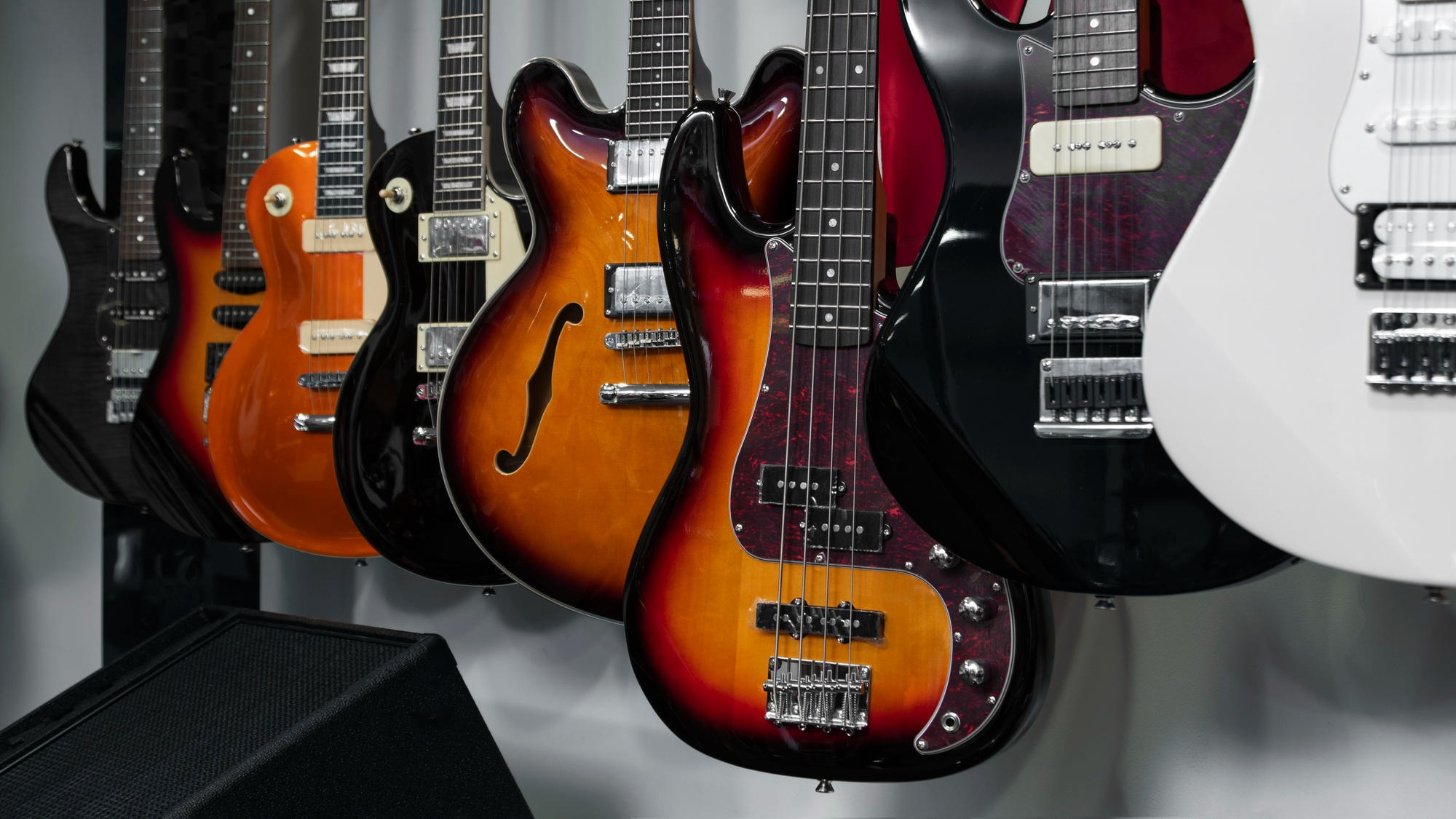
When it comes to electric guitars, you can consider many shapes and sizes, unlike the acoustic guitar, which comes in a specific shape with few variants in colour. When you walk into a guitar shop, you will find that the electric guitar has not only many colours to choose from but also sizes and shapes. This makes this instrument unique to each of its players.
You Can Practise or Play Any Time
As the electric guitar needs an amplifier, you can plug in headphones and play any time of the day or night without the fear of bothering someone. This is especially useful for working adults who have decided to learn the instrument.
Electric Guitar Cons
Equipment
This is one of the biggest drawbacks to the electric guitar. The electric guitar needs additional equipment, unlike the acoustic guitar, which can be played just like that. You will not be able to play the electric guitar without an amplifier. So, if you have decided to pick up the electric guitar and learn it, be ready to purchase additional equipment for this instrument.
Expensive
Unlike the acoustic guitar, the electric guitar runs slightly on the pricier side. Even though these guitars tend to be more expensive, you can rest assured that the quality and build are exceptional. Still, there are a variety of budget guitar choices out there for you to explore.
Choosing Based on Musical Preferences
Genres Suited for Acoustic Guitars
Acoustic guitars are known for their warm and natural tones. Since they require no additional equipment, they can be performed anywhere, making them a favourite among guitar enthusiasts.
- Country: Acoustic guitars are the backbone of country music, right from gentle strumming to intricate fingerpicking.
- Folk: Folk music is best accompanied by acoustic guitars, providing the rich and warm sounds that perfectly complement storytelling traditions passed down from generation to generation.
- Singer-Songwriter: Many singer-songwriters prefer acoustic guitars for their warm and natural sound that doesn’t overpower their voice.

Genres Suited for Electric Guitars
Electric guitars are known for their amplified sound that can be heard above a crowd and their compatibility with effects pedals. This enables singers to create a wide range of sounds from clean tones to atmospheric effects.
- Blues: Earlier, blues music was played on acoustic guitars. Blues music uses “blue notes” ( notes that fall between the cracks of normal notes), that is achieved by bending the strings. This is easier with electric guitars.
- Rock: The electric guitar is the guitar of choice for rock bands. It delivers everything from fast solos to heavy rhythms to powerful distortion.2
- Jazz: Electric guitars are commonly used in jazz so they can be heard over the huge din created by drums and horns.
| Genre | Famous Musicians/Guitarists |
|---|---|
| Folk | Bob Dylan, Joan Baez, Joni Mitchell, Pete Seeger, Woody Guthrie |
| Country | Johnny Cash, Dolly Parton, Willie Nelson, George Strait, Chris Stapleton |
| Singer-Songwriter | James Taylor, Ed Sheeran, John Mayer, Tracy Chapman, Damien Rice |
| Classical | Andrés Segovia, John Williams, Julian Bream, Ana Vidović, Sharon Isbin |
| Rock | Jimi Hendrix, Jimmy Page, Eric Clapton, Eddie Van Halen, Slash |
| Blues | B.B. King, Stevie Ray Vaughan, Buddy Guy, Muddy Waters, Joe Bonamassa |
| Jazz | Wes Montgomery, Joe Pass, Pat Metheny, George Benson, Grant Green |
| Metal | Tony Iommi, Kirk Hammett, James Hetfield, Dimebag Darrell, Randy Rhoads |
| Alternative & Indie Rock | Johnny Marr, Jonny Greenwood, Jack White, Alex Turner, St. Vincent |
Factors to Consider When Making Your Choice
When buying a guitar, consider the following factors to reach an informed decision.
💰Budget
Your budget plays an important role in choosing the right guitar. If you're learning casually as a hobby, a beginner-friendly guitar is all that you need. However, if you plan to learn guitar professionally, join a band, or perform on stage, it is worth investing in an advanced-level guitar.
🧩Personal Comfort and Playability
The playability of a guitar and how comfortable you are playing it is another factor you should keep in mind. When choosing, consider the size and weight of the guitar and check how naturally it fits in your hands. An instrument that feels comfortable will help you practice longer and make your guitar and jam sessions more enjoyable.
What guitar you will end up playing depends on understanding what you want from your musical journey. Ultimately, there is no right or wrong choice when it comes to buying an acoustic or electric guitar. It all comes down to your personal goals. If you are more interested in playing country or folk music, then choose an acoustic guitar. On the contrary, if you are drawn to rock' n' roll or the blues, an electric guitar would be a better choice. Choose what suits you best!
References
- French, M. T., & Lewis, K. (1995). Modal analysis of an acoustic guitar. Proceedings of the 13th International Modal Analysis Conference, 2460, 808. http://ui.adsabs.harvard.edu/abs/1995SPIE.2460..808F/abstract
- Nobile, D. (2014). A structural approach to the analysis of rock music. CUNY Academic Works (City University of New York). https://academicworks.cuny.edu/gc_etds/83
Summarise with AI:
Did you like this article? Leave a rating!

 Loading...