
Playing the guitar has many benefits, such as memory improvement, hand-eye coordination and reduced stress and anxiety. As a result, both experienced musicians as well as new learners are drawn towards it.
However, selecting the right guitar can be confusing. With so many online articles discussing this topic, it can be difficult to choose the best guitar worth your investment.
To choose the right guitar, you must consider your chosen music genre, skill level, budget, and physical comfort. You should also assess the different guitar types—acoustic, electric, classical—and choose one that best matches your musical interests and ergonomic needs.
In this article, we will help you select the perfect guitar, whether you are a beginner or an advanced guitarist.


🗂️Understanding Different Types of Guitars
There are several types of guitars available, right from classical guitars to electric guitars, each suited to a particular genre. They also differ in characteristics, like wood type, string count and grain pattern.

1️⃣Acoustic Guitars
Acoustic guitars are guitars that produce sound through the vibration of the strings, which resonates within the guitar’s hollow body. They are typically made of wood, have steel/metal strings, and are used mainly to play chords and accompanying songs.1
They do not require external amplification and are often played with a pick. (Taylor Swift plays an acoustic guitar.)
I would say that the acoustic guitar is the most important thing for a guitar player to start with. Learn the feel and the touch of that string, and what it does against a fret. Learn that and then you can add the effects later on y’ know.
Keith Richards, songwriter of Rolling Stones
Types of Acoustic Guitars
There are several types of acoustic guitars. The most prominent ones are:
- Auditorium – A versatile, all-purpose medium-sized guitar, perfect for strumming. It sits between Dreadnought and Concert.
- Concert – It is a small-sized guitar, perfect for fingerstyle playing.
- Dreadnought – It is the most famous acoustic guitar type. It is highly powerful and suited to almost all genres.
- Jumbo – As the name signifies, Jumbo is huge and has an incredible volume.
- Parlour – Parlour is a small-sized guitar and is ideal for solo performance and practice sessions.
Characteristics
- Body – The body comprises of the sides, back and top.
- Neck – The neck connects the body to the headstock.
- Fretboard – The fretboard sits on the neck and allows guitars to play different notes.
- String types – Use steel or bronze strings.
2️⃣Electric Guitars
Many beginners prefer using electric guitars as they are easier to play than classical guitars. Their lighter strings and lesser string action make it comfortable for newbie players.
Electric guitars use electronic pickups to convert string movements into electrical signals. The signal is then sent to an amplifier to produce sound. Their versatility makes them adaptable to a wide range of music styles like rock, jazz, pop and metal genres.
Here are the advantages and disadvantages of electric guitars for various skill levels.
| Skill Level | Advantages | Disadvantages |
|---|---|---|
| Beginner | Easier to play due to lighter strings and lower tension; Good for many genres; Fun with amps and effects | Needs extra gear; Effects can hide technique problems; Requires basic maintenance knowledge |
| Intermediate | Great for solos, bends, and advanced techniques; More control over tone; Good for recording and songwriting | Gear choices can become distracting; Cheap instruments may limit progress |
| Advanced | Huge tonal variety; Professional performance and studio use; Highly customizable | Expensive equipment; More maintenance and setup required |
| Professional | Reliable, customizable, and versatile; Suitable for touring and recording | High costs; Transporting large setups can be difficult |
Don't forget to note the pros and cons when choosing between an acoustic versus electric guitar!
3️⃣Classical Guitars
Classical guitars are another popular type of guitar that is popular among guitarists who are keenly interested in classical music. Classical guitars teach you technique, discipline and awareness of musical listening, which is why guitarists are often advised to learn classical guitar first. The strong foundation it provides helps you master other types of guitars as well.
Unlike acoustic guitars that have steel strings, classical guitars are strung with nylon strings. Steel strings produce a bright, punchy sound while nylon strings produce a softer sound that is a quintessential feature of classical music.
The other features of a classical guitar include:
✅The necks of classical guitars are also wider, offering more space for fingerstyle accuracy.
✅They have a slotted headstock that improves string stability.
✅Classical guitars are lighter than acoustic guitars.
✅They are used in traditional classical, flamenco, Latin, folk, and Bossa Nova genres.
↕️Determining the Right Guitar Size
Importance of Proper Sizing
Choosing the right guitar size makes guitar playing more comfortable and enjoyable. When a guitar is too big, it can strain your shoulders, while a small-sized guitar will put pressure on your wrist.
When you find the perfect guitar, you will realise:
✅Your fingers can comfortably reach all the notes, making playing easier.
✅You can practice for longer periods.
✅You notice progress faster.
Guitar Size Guide
Here is a starting point for selecting a guitar based on your age, hand size, and height.
| Age | Height | Hand Size | Recommended Guitar Size | Typical Scale Length | Best For |
|---|---|---|---|---|---|
| 3–5 years | Under 3'7" (110 cm) | Very small | 1/4 size | 17–20 in (43–51 cm) | First lessons |
| 5–8 years | 3'7"–4'2" (110–127 cm) | Small | 1/2 size | 20–22 in (51–56 cm) | Young beginners |
| 8–11 years | 4'2"–4'10" (127–147 cm) | Small to medium | 3/4 size | 22–24 in (56–61 cm) | Older children |
| 11–13 years | 4'10"–5'3" (147–160 cm) | Medium | 7/8 size (optional) or full-size | 24–25 in (61–63.5 cm) | Teens transitioning to adult guitars |
| 13+ years | Over 5'3" (160 cm) | Medium to large | Full-size (4/4) | 24.75–25.5 in (63–65 cm) | Most adults |
While “body height” acts as a good guide for selecting which guitar size is best for you, arm and hand span are equally important. Experts therefore recommend following the Elbow Test to find your first guitar.
📌Hold the guitar in your normal playing position.
📌Rest your forearm comfortably along the top of the guitar so your elbow sits at the point where the neck joins the body.
📌Without stretching or bending your wrist unnaturally, observe where your wrist aligns on the fretboard.
💎Setting Your Budget
Budget Considerations
One of the important things you need to do when buying a guitar is to set a budget. Whether you are an advanced guitarist or just starting to learn to play the guitar, knowing how much you want to spend on your guitar will help you be able to know what the best guitar within your budget is.2
Guitars fall into 3 price ranges:
☑️Beginner level: Beginner-level guitars will range from $200 to $500 SGD.
☑️Mid-range: Mid-range models cost between $500 and $1,500 SGD.
☑️Advanced: Advanced models from $1,500 to over $5,000 SGD.
When buying a guitar, consider the following:
- Your skill level: What skill level you are at will determine what kind of guitar you should buy.
- Your goals: If you want a guitar for casual playing, then a basic guitar should be enough. However, if you want it for professional purposes, then you need to buy an advanced-level guitar.
- Additional expenses: When you buy a guitar, remember to include additional expenses like guitar picks, tuners, amplifiers (for electric guitars), strap and extra strings.
New vs. Used Guitars
Whether you are a new or seasoned guitarist, choosing the right guitar for your needs is a big decision. Buying a new guitar will help you find the most precise model for your needs, while buying a used one will help you get the guitar of your choice at a budget price.
As with any other instrument, there are pros and cons to each.
Let us see what they are:
Pros and Cons of Buying a New Guitar
Pros
- excellent condition with no wear and tear
- has a manufacturer's warranty
- has the latest features
Cons
- less opportunities to find rare finds
- price goes down after purchase
- is expensive
Pros and Cons of Buying a Used Guitar
Pros
- access to rare vintage models
- significant cost savings
- environmentally conscious
Cons
- may have hidden damage or wear
- limited or no warranty
- may require repairs or maintenance
Essential Accessories
Here is an essential checklist of must-have items for beginners.
Matching Guitars to Playing Styles and Genres
🎸Best Guitars for Each Genre
Learn about the best guitars for each genre, featuring recommended guitar types and popular models that will help you choose the best junior guitar, guitar for intermediate players, or even guitar for advanced players.
| Genre | Recommended Guitar Types | Popular Examples | Why They're a Good Fit |
|---|---|---|---|
| Rock | Solid-body electric | Fender Stratocaster; Gibson Les Paul; PRS Custom 24 | Versatile tones, sustain, and powerful pickups |
| Metal | Solid-body electric with humbuckers | Ibanez RG; ESP LTD EC; Jackson Soloist | High-output pickups, fast necks, excellent for distortion |
| Blues | Strat-style or semi-hollow electric | Fender Stratocaster; Gibson ES-335; PRS Silver Sky | Expressive clean tones and dynamic response |
| Jazz | Hollow-body or semi-hollow electric | Gibson ES-175; Ibanez Artcore; Epiphone Casino | Warm, smooth, and mellow sound |
| Country | Tele-style electric | Fender Telecaster; G&L ASAT | Bright twang, excellent clarity, and responsiveness |
| Classical | Nylon-string classical | Yamaha C40; Cordoba C5; Alhambra 4P | Soft, warm tone ideal for classical music |
| Folk | Steel-string acoustic | Martin D-18; Taylor 314ce; Yamaha FG830 | Rich acoustic tone and strong projection |
| Fingerstyle | Acoustic with wider nut or OM/Grand Auditorium body | Taylor 814ce; Martin OM-28; Yamaha FSX5 | Balanced tone and comfortable string spacing |
| Pop | Versatile electric or acoustic-electric | Fender Player Stratocaster; Taylor 214ce | Covers a wide range of modern sounds |
| Indie/Alternative | Offset or versatile electric | Fender Jazzmaster; Fender Jaguar; PRS SE Custom 24 | Unique tones with excellent versatility |
| Blues Rock | Solid-body electric | Gibson Les Paul; Fender Stratocaster; PRS McCarty | Thick sustain with expressive lead tones |
| Punk | Simple solid-body electric | Fender Telecaster; Gibson SG; Epiphone Les Paul Special | Aggressive sound and durable construction |
| Flamenco | Flamenco guitar | Cordoba F7; Yamaha CG172SF | Fast attack, bright tone, and percussive response |
✨Guitars for Different Skill Levels
Now that you have some basic idea of how to choose a guitar for beginners and advanced learners, let us look at some guitars you can consider if you would like to start learning or plan to upgrade your existing guitars.
Beginners
Now that you have a rough idea of the best guitars for beginners and how to pick the best one, you should consider getting a tutor to teach you to play the guitar. While there are many online resources to learn guitar, a tutor can guide and teach you all the correct playing methods before you build incorrect habits.
Advanced
🧮Evaluating Guitar Brands and Models
Reputable Brands
When it comes to guitars, there are numerous brands available in the market, each with its unique features and characteristics. However, a few brands are more popular than the rest, and this is often due to their reputation for producing high-quality instruments that sound great, are easy to play, practise quality control, and offer guitars at a good price point.
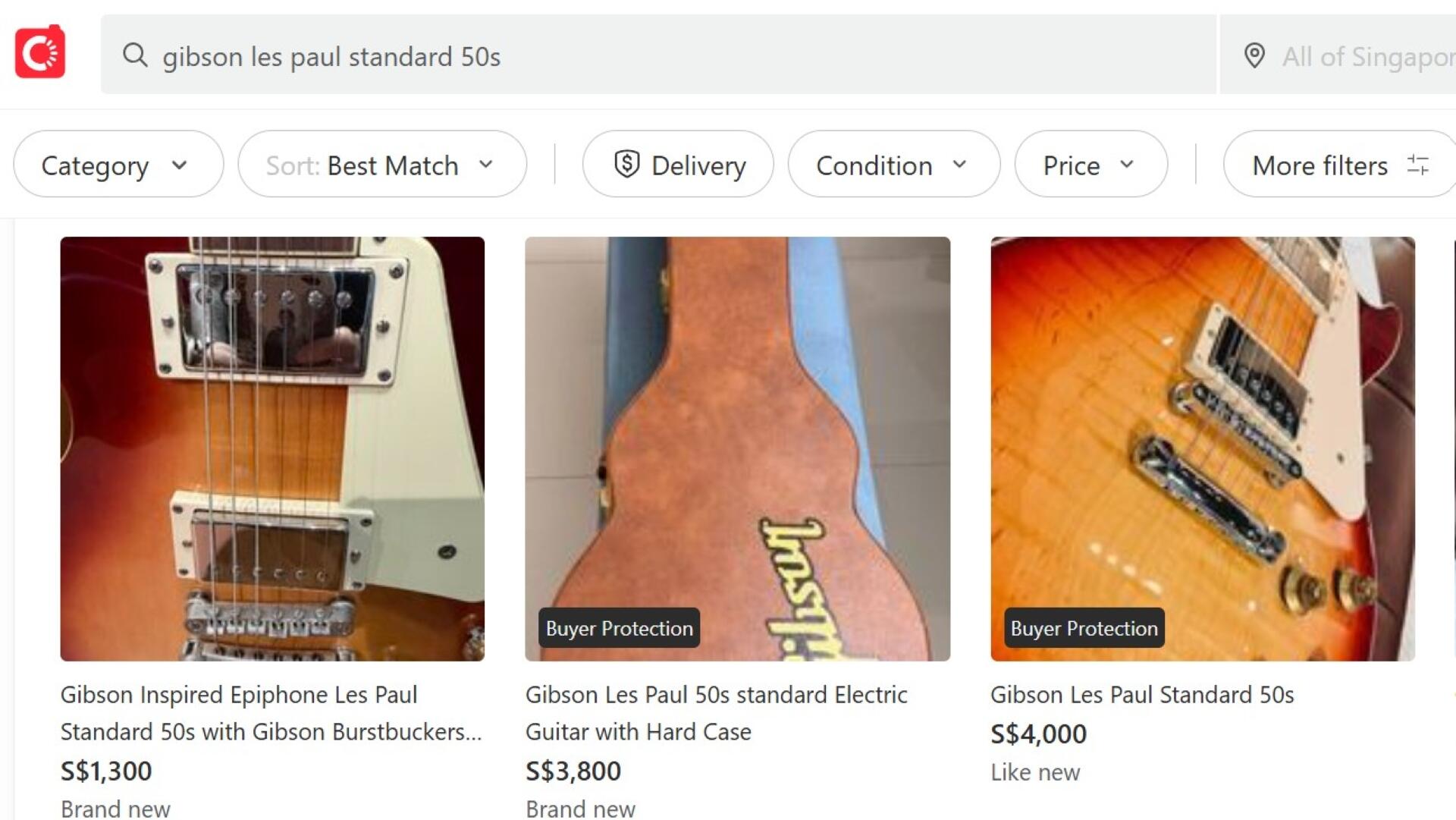
These brands have usually been around for a long time and have built up a loyal following of musicians who appreciate their craftsmanship and attention to detail.
So, if you’re looking to buy a guitar, it’s worth considering one of these famous brands, as they are likely to offer the best combination of quality, performance, and affordability.
| Brand | Best Known For | Guitar Types | Key Features | Sound Character | Best For | Price Range |
|---|---|---|---|---|---|---|
| Fender | Iconic electric guitars with over 70 years of history | Electric; Acoustic; Bass | Versatile; reliable; excellent build quality; consistent performance; affordable beginner to professional models | Bright; clear; balanced; versatile | Blues; Rock; Pop; Country; Indie; Funk | Budget to Premium |
| Gibson | Premium craftsmanship and legendary electric guitars | Electric; Acoustic | Exceptional craftsmanship; attention to detail; humbucker pickups; advanced tone controls; premium materials | Warm; thick; powerful; rich sustain | Rock; Blues; Jazz; Hard Rock | Mid-range to Premium |
| Yamaha | Reliable and affordable guitars | Acoustic; Electric; Classical; Bass | Excellent tone and control; high-quality craftsmanship; consistent quality; beginner-friendly; durable | Balanced; clear; natural | Beginners; Students; Intermediate and Advanced Players | Budget to Mid-range |
| Ibanez | Modern electric guitars | Electric; Acoustic; Bass | Fast necks; lightweight designs; high-output pickups; modern styling; excellent playability | Aggressive; articulate; high-gain | Metal; Rock; Progressive; Shred | Budget to Premium |
| Gretsch | Vintage-inspired guitars | Electric; Acoustic | Hollow and semi-hollow bodies; distinctive retro designs; Filter'Tron pickups; premium finishes | Warm; twangy; rich; resonant | Rockabilly; Jazz; Country; Blues; Classic Rock | Mid-range to Premium |
| Martin | High-quality acoustic guitars | Acoustic | Premium tonewoods; outstanding craftsmanship; excellent projection; rich resonance; long-lasting build | Warm; full; balanced; resonant | Folk; Country; Bluegrass; Singer-Songwriters; Fingerstyle | Mid-range to Luxury |
1️⃣Fender
When people think of an electric guitar, Fender is often the first name that comes to mind automatically. Why is that so? With over 70 years of history, Fender is a brand that is synonymous with versatility and reliability and is preferred by musicians of all genres, from blues and rock to pop and country.
The brand also offers affordable ranges of guitars, making them appealing to guitarists of all ages and levels. Choose Fender for its:
- outstanding build quality
- consistent performance
- Guitar models available for intermediate players and advanced players
2️⃣Gibson
Similar to Fender, Gibson is another legendary guitar brand, known for both its acoustic and electric guitars. While Gibson guitars tend to be pricier, what you get in return for that price tag is their exceptional build quality and quality control.
- Gibson guitars are sought after for their excellent craftsmanship, quality control and strong attention to detail.
- Most Gibson models use “humbucker” pickups that block out unwanted noise and create clear, perfect notes.
- These guitars have customisable tone controls to produce great sound.
3️⃣Yamaha
Although Yamaha is world-renowned for their pianos, they are also known to manufacture reliable and affordable guitars. Yamaha guitars are known to have excellent tone and control, making them a popular choice for beginners as well as advanced guitarists.
Even Yamaha’s entry-level guitars have a high standard of craftsmanship and are known to have consistent quality and sound. Choose Yamaha for:
- Having excellent tone and control
- Being affordable
- Being suitable for guitar players of all levels
Beyond the three brands mentioned above, there are many others that you can consider, such as Ibanez, Gretsch and even Martin.
✅Ibanez is known for its modern electric guitars and is popular among metal and rock players.
✅Gretsch is known for its unique vintage designs and rich sound.
✅Martin, on the other hand, is renowned for creating high-quality acoustic guitars.
Ensure you have researched and have a clear budget to get the best instrument for your money’s worth.
📌Tips for Trying and Testing Guitars
When you are investing in a musical instrument, and you want it to be right, you must try out and test the guitar you buy before buying.
Here is how you go about it.
🏪In-Store Testing
If you are a beginner and have no clue about it, ask the store clerk to tune the guitar for you.
- Let him play a few chords for you.
- Hold the guitar and feel the strings vibrate.
- Check that your arm rests comfortably over the body.
🌐Online Purchases
Buying a guitar online offers the benefit of shopping from home, but you also need to be mindful of a few things:
- Brand Reputation: Read the brand's history properly to know more about the guitar you are buying. More established brands have a proven record in reliability and craftsmanship, often making them better choices than cheap guitars by lesser-known brands.
- Key Models: Every brand has a key flagship model. Learn more about each brand's flagship model and discover its specifications and highlights.
- User Reviews: Go through user feedback and guide buying guitar reviews from verified buyers to understand the different models and their durability and playability.
- Return Policy and Warranty: Before buying a guitar online, check the seller's return policy and warranty coverage.
- Buy from authorised suppliers: A guitar is an investment for life. Therefore, when buying it online, make it a point to buy only from authorised dealers or trusted online marketplaces to ensure you receive an authentic product.
Maintenance and Care
Your guitars need regular maintenance to perform well and keep producing great music. Simple routines will prevent common issues and keep your guitar in good condition for years.
Basic Maintenance
Follow these simple practices:
☑️Clean Regularly: Clean your guitar by regularly wiping the body, neck, and strings with a microfiber cloth after each use. This will
☑️Replace Strings: Change strings regularly to maintain tone and tuning stability.
☑️Store Properly: Keep your guitar in a case and avoid extreme temperatures or humidity.
☑️Check Hardware: Periodically tighten loose tuning pegs, strap buttons, and other hardware.
☑️Maintain Humidity: For acoustic guitars, maintain proper humidity levels to protect the wood.
Also, don't forget to show your guitar to a professional guitar technician at least once a year. Guitar technicians perform a checkup called a "setup" where they inspect the overall health of a guitar and make the necessary changes to keep it running smoothly.
With so many varieties of guitars to choose from, like Fender, Yamaha, Paul Reed Smith, or Gibson Les Paul, selecting the right guitar for yourself can be confusing. Before you go ahead and buy an electric guitar or acoustic guitar at your price point, consider your skill level, budget, and musical goals. Also, check out different high-quality acoustic guitars and electric guitars available, compare new and used guitars, understand the pros and cons of each and finally choose a guitar brand that is of high quality and feels comfortable in your hands.
Are you looking for guitar lessons? One of the best things you can do is hire a private tutor. Online guitar resources can help you supplement your guitar learning process, but they cannot be your sole guide, as you need feedback to improve.
Superprof's tutors are not only well-versed in this instrument but also certified and experienced when it comes to teaching the guitar. They are also verified, so you can rest assured that the tutors you hire on Superprof are the best. Superprof tutors are qualified and have experience teaching kids as well as adults. To help you make a better decision, Superprof tutors offer their first lesson for free. This will help you test if the tutor is the best for you!
References
- Stefani, D., & Turchet, L. (2025). Real-time playing technique recognition embedded in a smart acoustic guitar. EURASIP Journal on Audio Speech and Music Processing, 2025(1). https://doi.org/10.1186/s13636-025-00413-6
- Choudhury, S. R., & K, K. B. (2018). Consumer buying behavior of budding musicians between 15 and 25 purchasing guitars in Pune. In Advances in marketing, customer relationship management, and e-services book series (pp. 200–216). https://doi.org/10.4018/978-1-5225-5690-9.ch009
Summarise with AI:
Did you like this article? Leave a rating!

 Loading...