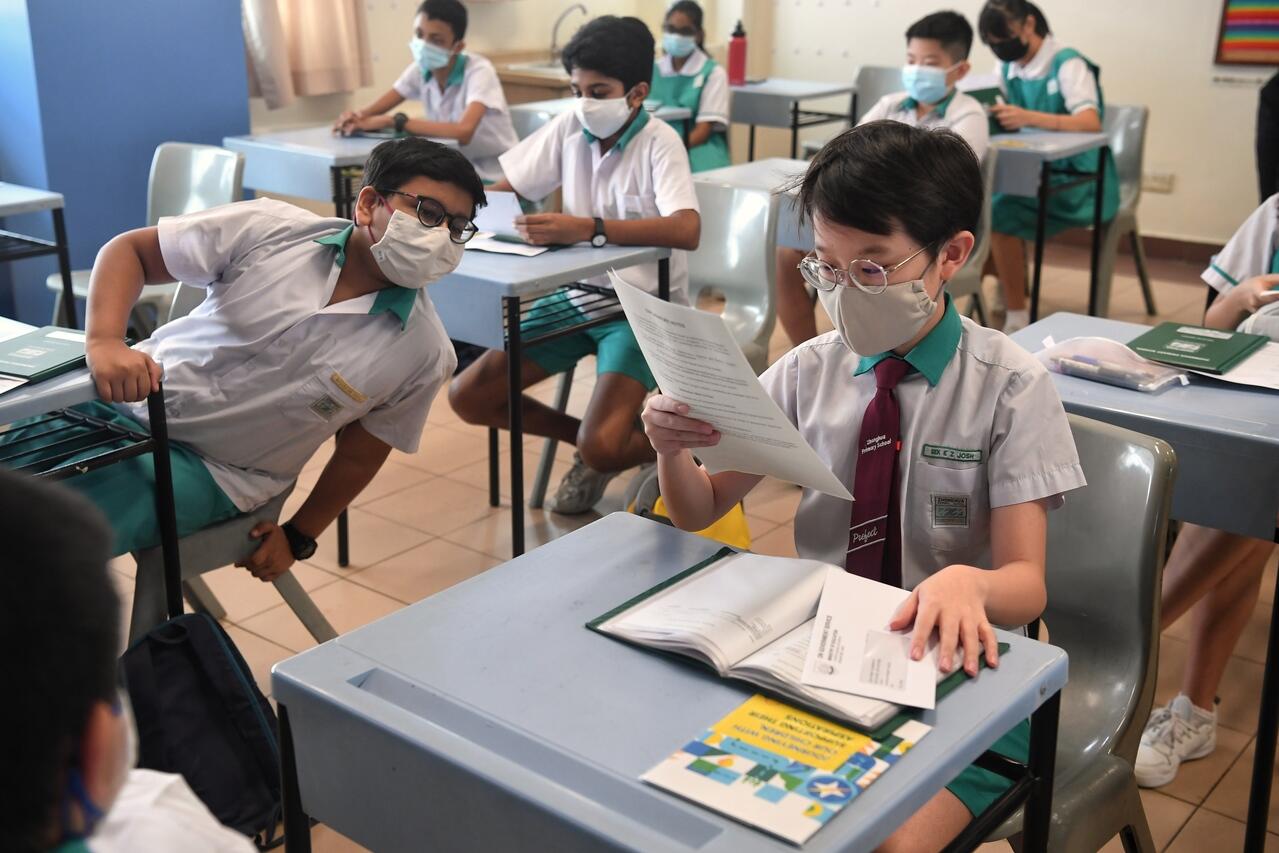

PSLE stress is a common phenomenon that affects both students and parents in Singapore. In 2024, CNA conducted a survey involving 1,000 parents, which showed that 99% said good PSLE results were important, 85% said their kids were stressed, and 64% said that they themselves were stressed1.
These findings highlight just how significant exam-related tension is within many households during the PSLE period.
This tells us enough about what these students go through at a very young age. While some degree of this can motivate them to stay focused, too much can affect their mental well-being, confidence, sleep, and even family relationships.
The good news is that parents play a crucial role in helping their child manage exam-related anxiety. By recognising the signs early, setting realistic expectations, and providing consistent emotional support, families can navigate the examination period with greater confidence and resilience.
| Section | Overview |
|---|---|
| Understanding PSLE stress | Explains why PSLE creates emotional and academic pressure for students and families in Singapore |
| Causes of exam anxiety | Covers key factors such as expectations, competition, academic load, and fear of results |
| Signs of stress in children | Highlights emotional, physical, and behavioural indicators of PSLE anxiety |
| Burnout vs laziness | Clarifies the difference between emotional exhaustion and lack of motivation |
| PSLE stress statistics | Provides an overview of exam-related stress levels among students in Singapore |
| Strategies for students | Outlines practical coping methods including study habits, rest, and relaxation techniques |
| Strategies for parents | Focuses on parental support, communication, and managing expectations effectively |
| Professional support in Singapore | Lists available counselling services and mental health support systems for students |
| Key takeaways | Summarises the importance of balanced support in managing Singapore PSLE stress |


📚Understanding PSLE Stress
The Significance of PSLE in Singapore's Education System
The PSLE is one of the most important national examinations, marking the end of six years of primary education and determining a student’s secondary school placement.
Due to its importance, many learners view it as one of the biggest challenges they have faced so far.
Many families believe that achieving excellent results increases the chances of gaining entry to a preferred secondary school and can influence future academic pathways.
This is the perception that often contributes to the tension around it, making it an emotionally significant milestone for families.
Common Stressors for Students
Every child experiences stress differently. Some are naturally anxious about examinations, while others become overwhelmed by expectations from teachers, family or even themselves.
Common causes of stress include:
- Fear of disappointing parents or teachers.
- The expectation to achieve a particular score.
- Comparing their marks with classmates or siblings.
- Heavy revision schedules and multiple tuition classes.
- Worry about entering their preferred secondary school.
- Uncertainty about the examination itself.
Social comparison has also become more common in today's digital age. Parents may hear how other children are progressing with their revision, performing in assessments, or attending multiple tuition classes.
This can lead them to compare their child with others and worry that they are "falling behind" or “not doing enough”, even when they are making steady progress at their own pace.
A local report found that 50%–70% of Singapore-based children in mental health consultations cite academic pressure as a key source of distress, compared to 25%–30% of expat children3.
PSLE Parental Stress and Its Impact
Children are not the only ones affected. Many parents also experience anxiety as they try to balance revision schedules, tuition, school commitments and family responsibilities while guiding their child's preparation.
A CNA nationwide survey revealed that 56% of parents took or considered taking paid leave to prepare their children for PSLE. This highlights how deeply it influences family life in Singapore.
It is natural for family members to want the best for their children, and these concerns often come from a place of care and good intentions. However, children are often highly sensitive to the emotions and reactions of those at home.
When conversations frequently revolve around examination scores, secondary school choices, or academic expectations, some of them may feel additional tension, even if that is not their parents' intention.
Parents experiencing parental stress may find themselves:
- Constantly worrying about whether their child is studying enough.
- Comparing their child's progress with classmates, relatives, or friends.
- Feeling anxious whenever school assessment or practice examination results are released.
- Frequently reminding their child about the importance of the examination.
- Feeling guilty when they are unable to supervise revision.
- Questioning whether they are providing enough guidance for their child
A CNA social experiment involving Primary 5 and 6 students found that most PSLE stress originates not from exams themselves, but from perceived parental expectations.
Many children associate their stress with being compared to peers and feeling disappointed when they do not meet expectations.
📊PSLE Stress Statistics
Prevalence of Exam-Related Stress
A CNA report found that more students in Singapore are seeking professional help to cope with academic pressure, with psychologists reporting up to a 20% annual increase in exam-related stress cases since 20212.
Clinics are now seeing a steady stream of new cases throughout the year.
A commonly identified source of stress is young learners’ fear of disappointing their parents. Psychologists also noted that academic pressure is further intensified by social comparison, with some learners feeling isolated when comparing themselves to peers.
In recent years, psychologists have observed a shift in these patterns. While earlier cases were more often linked to external expectations from parents and teachers, more recent cases show that learners may place high expectations on themselves.
This is even when parents express a more relaxed stance and emphasise doing their best.
In addition to these trends, a report by EveryChild.SG, 15 Singapore-based child psychologists and psychiatrists were interviewed to explore the relationship between curriculum-related stress and young learners' mental well-being3.
Effects on Mental Health
A manageable amount of stress can contribute to focus and motivation. However, prolonged or excessive levels may negatively affect a child's mental well-being and overall performance.
Children experiencing persistent anxiety may develop:
- Difficulty sleeping.
- Frequent headaches or stomach aches.
- Loss of appetite.
- Difficulty concentrating during lessons.
- Increased irritability or emotional outbursts.
- Reduced confidence despite adequate preparation.
Some children also become emotionally exhausted after months of intensive revision, leading to burnout. This is often mistaken for procrastination or task avoidance when, in reality, the child is mentally and physically fatigued.
To tell the difference between burnout and procrastination, look at your child's motivation. A burnt-out child desperately wants to do well but is completely out of energy, while a procrastinating child has the energy but struggles to start. However, they can usually keep going once they get over that initial hump4.
In more severe or prolonged cases of stress, mental health professionals caution that academic tension may contribute to broader psychological and behavioural difficulties.
Speaking to CNA, psychiatrist Dr Yang noted that symptoms of stress-related conditions can in some cases present as anxiety or depression, and in more extreme cases may be linked to behaviours such as self-harm or addictive tendencies, including smoking, vaping, gaming, or pornography.
Children showing persistent physical symptoms or prolonged anxiety should receive additional guidance from a qualified mental health professional.

💡PSLE Stress Management Strategies
When PSLE stress becomes overwhelming, the goal is not to eliminate it completely, but to encourage balanced and sustainable approaches to managing it.
Effective guidance involves both learners and families working together to create a stable environment during the examination period.
👨🏻🎓For Students: Building Healthy Coping Habits
Learners preparing for the PSLE often benefit from structure rather than long, exhausting study hours. One of the most effective stress management strategies is helping students understand that consistency is more important than intensity.
Time Management Techniques
A simple study routine can significantly reduce anxiety. Instead of last-minute revision, learners should:
- Break revision into shorter, focused sessions (30–45 minutes)
- Take short breaks between subjects
- Avoid studying one subject for too long continuously
- Revise a little every day instead of cramming
This approach helps maintain focus without feeling overwhelmed by examination tension.
Incorporating Rest and Physical Activity
Rest is a must, and it should not be viewed as unproductive. It is essential for memory and concentration. Encouraging rest when they feel exhausted, short naps, and sleeping early at night, including during examination periods, can improve both mood and overall effectiveness.
Light physical activity, such as walking, stretching, or cycling, can also reduce tension and improve mood regulation. Activities like football, swimming, badminton or other forms of recreational sport provide both physical and mental relief.
Even 20–30 minutes a day can make a noticeable difference in stress levels.
✅ Child Well-Being Checklist
Mental well-being
| Prompt | Check-in |
|---|---|
| I feel able to manage my stress levels most days | ☐ |
| I take short breaks when I feel overwhelmed or mentally tired | ☐ |
| I am not constantly comparing myself to others | ☐ |
| I can focus on studying without feeling overly stressed or mentally drained | ☐ |
| I still make time for rest or activities I enjoy | ☐ |
Physical well-being
| Prompt | Check-in |
|---|---|
| I am getting enough sleep most nights (around 7–8 hours when possible) | ☐ |
| I eat regular meals and stay reasonably hydrated | ☐ |
| I take short breaks from sitting for long periods | ☐ |
| I am not neglecting my health during exam periods | ☐ |
| I feel physically able to sustain my daily study routine | ☐ |
| I exercise regularly through activities such as jogging, sports, or walking | ☐ |
👨👩👧👦For Parents: Creating a Supportive Environment
Parents play a powerful role in shaping how learners experience Singapore PSLE stress. While guidance with subjects is important, emotional reassurance often has a greater long-term impact on a learner’s motivation and well-being.
Setting Realistic Expectations
One of the biggest contributors to parental stress is unrealistic expectations. It is helpful to focus on:
- Effort rather than perfection
- Progress instead of comparison
- Each child’s individual learning pace, rather than peer performance
- Normalising mistakes as part of learning
- Avoiding constant comparison with other children
Children who feel accepted and encouraged for their effort, rather than judged solely on outcomes, are more likely to stay motivated and less likely to develop worry around examinations.
Providing Emotional Support
Children do not necessarily express worry directly. Families can guide them by:
- Asking open-ended questions such as “How are you feeling about school lately?”
- Avoiding constant focus on marks and examination results
- Reassuring them that setbacks and mistakes are a normal part of learning
- Creating space for them to talk without fear of judgment
This sense of reassurance helps one feel understood and can gradually ease worries.
Maintaining a Balanced Routine
A balanced home environment helps stabilise emotions during the PSLE period. Families can:
- Ensure consistent meal and sleep schedules
- Limit unnecessary workload and over-scheduling
- Encourage short family breaks or bonding moments
- Allow space for hobbies and relaxation
A balanced routine helps young learners reset mentally and emotionally, reducing fatigue and helping them cope better during intense study periods.
👨👩👧 Parent Well-Being Checklist
Emotional support & expectations
| Prompt | Check-in |
|---|---|
| I focus more on my child’s effort than results | ☐ |
| I avoid comparing my child with others | ☐ |
| I communicate expectations clearly without adding pressure | ☐ |
| I notice when my child looks emotionally overwhelmed | ☐ |
| I respond with calm support instead of frustration | ☐ |
Home environment & study balance
| Prompt | Check-in |
|---|---|
| My child has enough rest time outside of study hours | ☐ |
| I help create a realistic study schedule instead of overloading revision | ☐ |
| I ensure my child still has time for play or relaxation | ☐ |
| I avoid excessive tuition or workload when signs of burnout appear | ☐ |
| I prioritise my child’s emotional well-being during PSLE preparation | ☐ |
| My child feels safe to share if something is bothering them | ☐ |
| We have casual conversations at home that are not always focused on studies or academic performance | ☐ |
🤝Professional Support and Resources in Singapore
It is important to know the available resources and guidance, especially for new PSLE parents.
Singapore has several resources available if PSLE stress becomes concerning for your child:
Counselling Services
Most primary schools in Singapore provide access to trained school counsellors. These professionals help students:
- Manage anxiety and stress
- Develop coping strategies
- Express emotional concerns safely
Parents can also approach teachers if they notice ongoing behavioural changes in their child.
Beyond schools, community-based assistance is also available through organisations such as:
- REACH (mental health support network)
- Singapore Children’s Society
- Institute of Mental Health (IMH) resources for severe cases
- TOUCH Community Services
- SHINE Children and Youth Services
For immediate support, helplines are also available:
- National Mindline: 1771
- ComCare Hotline: 1800-222-2222
Workshops and Parental Guidance Programmes
In addition to counselling and community services, many schools and organisations run programmes focused on stress management and guidance for families.
- KiasuParents Family Huddles
- The Learning Lab (TLL) Annual PSLE Seminars
- Stamford Classroom / PSLE Success Workshops
- Family Nexus and Community Club Workshops
💛Moving Forward with a Balanced Approach to PSLE Stress
PSLE anxiety is real, and it affects both children and parents in different ways. While the pressure can feel intense, it often comes from a place of care and hope for a child's future.
What matters most is how it is managed. Ultimately, it should be a stepping stone in a child’s learning journey – not something that becomes a source of lifelong trauma.
A child who feels psychologically safe at home will always be more resilient in the face of academic stress. When we lower the pressure at home, we actually give them the mental breathing room to perform better in school.
Dr. Carol Balhetchet, Veteran Clinical Psychologist and Youth Expert in Singapore
References
- Paulo, D. A. (2024, March 29). This is why parents go to great lengths to conquer PSLE. But what do their children say? CNA. https://www.channelnewsasia.com/cna-insider/regardless-of-grades-psle-scoring-system-parents-pupils-tuition-4227551
- Thng, A. (2026, February 6). More students seeking help for exam stress, with pressure increasingly self-driven: Psychologists. CNA. https://www.channelnewsasia.com/singapore/more-students-seeking-help-exam-stress-moe-psychologists-5912371
- Admin. (2025, September 23). Report summary: Academic stress among primary schoolers in Singapore - EveryChild.SG. EveryChild.SG. https://everychild.sg/report-summary-academic-stress-among-primary-schoolers-in-singapore/
- APA Dictionary of Psychology. (n.d.). https://dictionary.apa.org/procrastination
Summarise with AI:
Did you like this article? Leave a rating!

 Loading...