
The PSLE schedule is one of the most important pieces of information for Primary 6 students and parents. Knowing the key PSLE 2026 dates Singapore in advance allows families to plan revision, manage expectations, and prepare for each stage of the PSLE examination with confidence.
The 2026 PSLE exam begins with Oral Examinations in August, followed by Listening Comprehension in September and Written Examinations later that month. The entire examination period is expected to conclude by the end of September 2026.
In this guide, we will take a closer look at the full exam timetable, subject-specific study plans, practical PSLE preparation tips, and a month-by-month breakdown of how to prepare effectively for the PSLE.
| Section | What You’ll Learn | Key Focus |
|---|---|---|
| PSLE 2026 Exam Dates | Full PSLE schedule including oral, listening comprehension, written exams, and results release | Key PSLE 2026 dates Singapore parents must know |
| Study Planning Guide | How to build an effective PSLE study plan from January to September | Structured revision strategy for Primary 6 students |
| Subject Preparation | Tips for English, Mathematics, Science, and Mother Tongue | Core PSLE preparation tips by subject |
| Month-by-Month Timeline | Year-round breakdown of PSLE preparation stages | Step-by-step planning from early revision to exam period |
| Additional Resources | Official MOE and SEAB references and support tools | Where to find trusted PSLE updates and materials |


📅Detailed 2026 PSLE Examination Timetable1
1. Oral Examinations
Dates: 12–13 August 2026
Time: 8:00 – 13:30
Subjects:
- English Language
- Mother Tongue Languages (Chinese, Tamil, and Malay)
The Oral Examination assesses students' reading aloud and stimulus-based conversation skills. It forms an important component of both the English Language and Mother Tongue examinations.
2. Listening Comprehension Examinations
Date: 15 September 2026
Time: 09:00 - 11:50
Subjects:
- English Language
- Mother Tongue Languages
Listening Comprehension paper evaluates a student's ability to understand, process, and infer meaning from spoken English in various everyday and formal contexts.
3. Written Examinations (Standard and Foundation Papers 1 & 2)
Dates: 24–30 September 2026
Students will sit for various written papers, including:
| Subjects | Date | Time |
|---|---|---|
| English Language | 24 September 2026 | 08:15 - 12:20 |
| Foundation English Language | 24 September 2026 | 08:15 - 11:30 |
| Mathematics | 25 September 2026 | 08:15 - 11:50 |
| Foundation Mathematics | 25 September 2026 | 08:15 - 11:15 |
| Mother Tongue Language | 28 September 2026 | 08:15 - 11:55 |
| Foundation Chinese/Malay/Tamil (Paper 1) | 28 September 2026 | 08:15 - 08:55 |
| Science (Paper 1) | 29 September 2026 | 08:15 - 10:00 |
| Foundation Science (Paper 1) | 29 September 2026 | 08:15 - 09:30 |
| Higher Mother Tongue Languages | 30 September 2026 | 08:15 - 11:35 |
Results Release2
Tentative Dates: 24–25 November 2026
The PSLE results release typically takes place in late November. Students will receive information about their scores and be guided through the secondary school posting process.
📚Effective PSLE Study Plan
An effective PSLE study plan is not about long hours of studying, but about consistency, balance, and active revision. At the Primary 6 level, students benefit most from a structured yet flexible routine that includes revision, practice, rest, and time for enrichment or family activities.
Before creating a revision approach, parents may also want to understand the examination structure, subjects, and key components involved. Our complete guide to PSLE provides an overview of what families should know throughout the PSLE journey.
Rather than cramming or overloading each day, the focus should be on reinforcing concepts that have already been taught, identifying weak areas early, and strengthening exam technique through regular practice of past-year questions.
Building a Study Routine
Students generally benefit from having a weekly schedule that is built at their pace.
Ultimately, a study timetable should be flexible enough to accommodate school homework, enrichment classes, unexpected fatigue or illness.
A sample weekly revision plan could look like this:
| Day | Focus Area |
|---|---|
| Monday | English - comprehension practice and vocabulary review. Read storybook (Chinese/Tamil/Malay/English) - 15 mins |
| Tuesday | Mathematics – problem sums and concept reinforcement. Read storybook (Chinese/Tamil/Malay/English) - 15 mins |
| Wednesday | Science – topic-based revision and concept application Read storybook (Chinese/Tamil/Malay/English) - 15 mins |
| Thursday | Past-year paper or topical exercise by subject or chapter (under exam conditions) Read storybook (Chinese/Tamil/Malay/English) - 15 mins |
| Friday | Mother Tongue - reading, oral practice, and writing skills |
| Saturday | Review of weak topics and corrections |
| Sunday | Rest, family activities, and independent reading |
Customise the day, time and focus area to your child’s needs instead of blindly following someone else’s timetable. The timetable can also focus on the weak areas that need to be tackled.
Subject-Specific Strategies
English Language
- Read widely to build vocabulary (fiction + non-fiction)
- Practise comprehension with focus on inference and context clues
- Plan and write stories using clear structure (beginning, problem, resolution)
- Do grammar exercises focusing on error identification and correction
Mathematics
- Practise heuristics (model drawing, working backwards, listing)
- Analyse mistakes (concept, calculation, or misunderstanding)
- Practise timed questions to improve speed and accuracy
- Show full working to reduce careless errors
Science
- Understand concepts instead of memorising facts
- Practise application-based questions
- Revise key examinable themes (systems, cycles, energy, interactions)
- Use keywords and structured answers for open-ended questions
Mother Tongue Languages
- Build vocabulary through reading and exposure
- Practise comprehension using inference-based questions
- Engage in oral practice with daily conversation topics
- Learn common sentence structures and idiomatic expressions
Incorporating Breaks and Leisure
Regular breaks help students stay motivated and focused.
Some suitable recreational activities in Singapore include:
- Cycling at East Coast Park 🚴
- Nature walks at MacRitchie Reservoir 🌳
- Swimming at neighbourhood sports complexes 🏊
- Playing badminton with friends 🏸
- Family outings to parks and gardens 🌿
These activities help students recharge mentally while maintaining healthy routines.
💡PSLE Preparation Tips
Time Management
Effective time management is a key part of preparing for PSLE, as students need to balance schoolwork, enrichment classes, and revision without becoming overwhelmed.
Students can:
- Set realistic daily and weekly study goals
- Break large tasks into smaller, manageable steps
- Use planners or digital calendars to track assignments and revision
- Prioritise high-impact activities such as weak-topic revision and practice questions
- Allocate short, focused study blocks instead of long, tiring sessions
Parents should focus on consistency rather than perfection, ensuring that routines are sustainable over time.
Practise with Past Papers
Practising with past and topical exercises helps students become familiar with the PSLE format and expectations.
It helps them to:
- Understand question formats and common question types
- Improve familiarity with exam conditions and time pressure
- Learn how marks are allocated in structured responses
- Identify recurring weak topics that need reinforcement
More importantly, students should review their mistakes carefully and redo questions they got wrong, rather than simply completing papers for practice.
The year-end holiday after Primary 5 can be an excellent opportunity to address learning gaps before the PSLE year begins.
Rather than filling the holiday with intensive drilling, consider a balanced approach: light revision, regular reading, targeted practice on weaker topics, and plenty of time for rest, hobbies, family activities, and play.
The goal is not to rush ahead of the syllabus, but to help your child enter Primary 6 feeling confident, refreshed, and academically prepared.
Seeking Support
Students should not feel that they have to prepare alone. Effective learning often involves guidance and clarification from multiple sources.
Support can come from:
- School teachers
- Parents providing supervision and encouragement
- Tutors for subject-specific guidance
- Peer discussion or study groups
When difficulties arise, seeking help early is important to prevent gaps in understanding from building up over time.
🛤️Preparing for PSLE: A Month-by-Month Guide
January–March
The first term is the time to build strong foundations and identify areas that need improvement. Students should aim to understand the concepts thoroughly before moving into intensive revision later in the year.
- Review key Primary 5 concepts and foundational skills
- Identify strengths and weaknesses across all subjects
- Set realistic academic goals for the year
- Build consistent study habits and revision routines
- Organise study materials, notes, and practice papers
- Identify if a tutor is needed for a subject
For example, if a student struggles with fractions in Mathematics or synthesis and transformation questions in English, these can become early focus areas before the workload increases.
April–May
As schools complete more of the syllabus and conduct mid-year exams, students should begin shifting from content learning to application and exam preparation.
- Focus on weaker subjects and topics identified from school tests
- Begin timed practice sessions to improve speed and accuracy
- Develop examination techniques and question-answering strategies
- Review mistakes carefully and keep track of recurring errors
- Build confidence through regular full past-year papers
Class tests and practice papers can serve as a useful benchmark for identifying learning gaps and setting revision priorities for the months ahead.
June Holidays: The Critical Sprint
The June holidays are often one of the most important revision periods in the PSLE year. With fewer school commitments, students have more time to focus on targeted revision and exam preparation.
- Revise weaker topics identified from mid-year examinations
- Complete timed practice papers under exam conditions
- Begin intensive Oral Examination preparation
- Review mistakes and address conceptual gaps
- Build effective revision habits and exam routines
- Build examination stamina and confidence
Many students also attend supplementary lessons, revision programmes, tuition classes, or oral workshops during this period.
July–August: Oral Prep & The Prelimin
This is without a doubt the most intensive phase of PSLE preparation. Students should shift their focus from content learning to exam readiness and performance.
- Complete full papers regularly under timed conditions
- Take the school prelim examinations with full seriousness
- Continue targeted revision of challenging topics
- Daily targeted practice for the Oral Examinations
Once the Oral Examination is completed, students can focus their attention on preparing for the written papers later in the year.
September
As the written and listening examinations begin, revision should become more focused and strategic.
- Review summary notes, formulas, and key concepts
- Revisit common mistakes after the prelim examination
- Maintain familiarity with exam formats through light practice
- Maintain a consistent daily routine and manage stress
- Rest well and stay healthy
At this stage, avoid introducing large amounts of new material. The goal is to reinforce existing knowledge, maintain confidence, and enter the examination hall feeling calm and prepared.
Throughout the year, parents should encourage healthy routines, including sufficient sleep, regular exercise, balanced nutrition, and opportunities for rest. Equally important is providing emotional support and reassurance so that children feel prepared, confident, and supported throughout their PSLE journey.
What is your biggest challenge in preparing for the PSLE?
🔗Additional Resources for PSLE Candidates
Official PSLE Examination Timetable
The official timetable contains the latest examination dates and times.
Parents should check for updates regularly, especially closer to the examination period.
Ministry of Education (MOE) Announcements
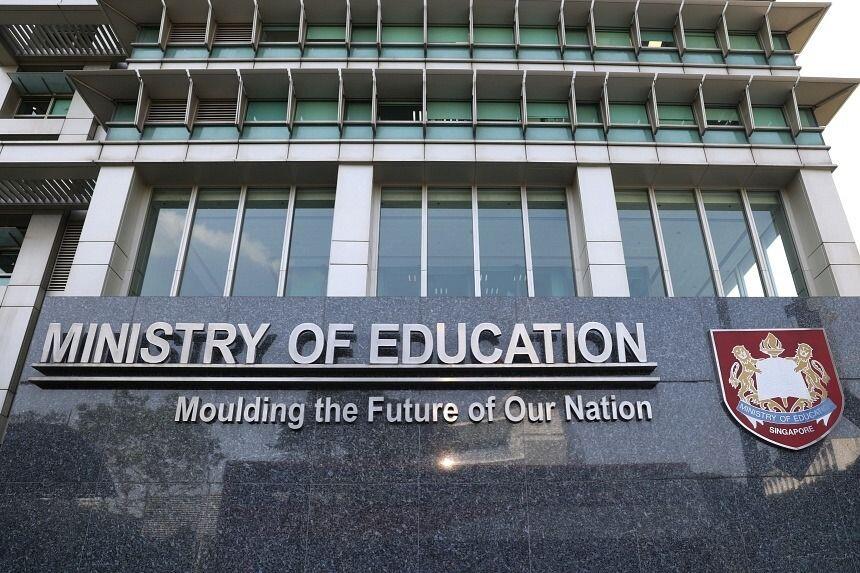
MOE provides important information regarding:
- Curriculum guidelines
- Subject-Based banding guidelines
- Secondary school posting
To better understand how Achievement Levels (ALs) influence Secondary 1 posting, read our guide on the PSLE grading system.
Singapore Examinations and Assessment Board (SEAB) Resources
The Singapore Examinations and Assessment Board (SEAB) provides useful resources, including:
- Examination format3
- Candidates instructions booklet
- List of approved equipment
- Examination timetable
🤝Supporting Your Child Through the PSLE Preparation Journey
The PSLE schedule provides important milestones throughout the year, but preparation should be done gradually and in a consistent manner rather than a last-minute sprint.
This is where a parent’s active role becomes essential by supporting their child’s PSLE journey through a careful balance of academic support and emotional reassurance.
PSLE is your child’s first high-stakes national exam; hence, parental involvement can make a meaningful difference in helping them stay grounded, motivated and confident throughout this whole chapter.
For parents who prefer additional support, online tutoring platforms such as Superprof connect students with tutors who are familiar with the Singaporean PSLE syllabus and exam formats.
The platform offers flexible scheduling, personalised one-to-one lessons, and the option of online or in-person classes, allowing families to choose support that best fits their child’s level and pace.
Ultimately, what matters the most is not just how much a child studies, but how supported they feel along the way.
An education isn't how much you have committed to memory, or even how much you know. It's being able to differentiate between what you know and what you don't.
Anatole France
References
- Ministry of Education, Singapore. (2026). 2026 PSLE EXAMINATION TIMETABLE.
- National examinations dates | MOE. (n.d.). https://www.moe.gov.sg/national-exams-dates
- PSLE formats examined in 2026. (n.d.). Singapore Examinations and Assessment Board. https://www.seab.gov.sg/psle/psle-formats-examined-in-2026/
Summarise with AI:
Did you like this article? Leave a rating!

 Loading...