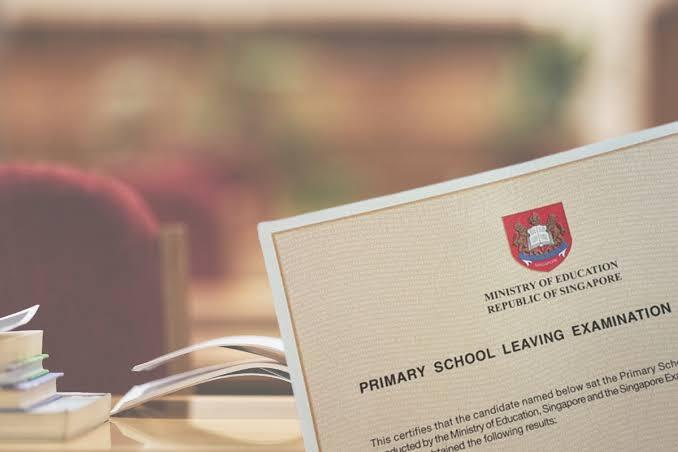

The PSLE Singapore exam (Primary School Leaving Examination) is one of the most important milestones in the country's education system, taken by students around 12 years old at the end of primary school.
It is a national examination that determines secondary school placement and plays a key role in shaping a child's academic pathway.
For many students and parents, PSLE marks the transition from primary school to secondary school and is an important step in a student’s educational journey.
If you are a parent trying to understand what is PSLE or what is PSLE in Singapore, this article explains the purpose of the examination, how the scoring system works, key dates to note, and practical ways to prepare for the exam.
| Category | Details |
|---|---|
| Exam Name | Primary School Leaving Examination (PSLE) |
| Taken By | Primary 6 students in Singapore |
| Purpose | Assess academic readiness and determine placement into secondary schools |
| Subjects Tested | English, Mother Tongue, Mathematics, and Science |
| Scoring System | Achievement Levels (AL1–AL8) |
| Score Range | 4 (best) to 32 |
| Results Released | Typically in November |
| Managed By | Ministry of Education (MOE) and Singapore Examinations and Assessment Board (SEAB) |
| Parent's Role | Support revision, encourage healthy routines, and guide secondary school choices |


📘What is PSLE in Singapore?
Understanding the Purpose of the PSLE
When parents search for what is PSLE in Singapore, they are often looking for more than its literal definition.
Introduced in 1960, the Primary School Leaving Examination (PSLE) serves as a national assessment that evaluates learners’ learning in key subjects before they progress to secondary school2.
The PSLE results support schools and relevant authorities in assessing whether learners have developed the foundational knowledge, skills, and strengths required for the next stage of learning.
The examination is administered by the Singapore Examinations and Assessment Board (SEAB), while the Ministry of Education (MOE) oversees the policies and framework. Every year, thousands of primary students sit for the exam as part of their transition from primary school to high school.
Rather than measuring a student’s potential or predicting future success, it is designed to assess their learning in key subjects, evaluate their readiness for the next stage, and support placement into appropriate high school courses.
students sat for the PSLE exam
🔍Why is the PSLE Important?
The primary school leaving examination is significant because it influences the high school options available to candidates. A student's PSLE score is used during the Secondary 1 posting exercise, where candidates submit their preferred institutions based on their preferences and eligibility.
For parents, understanding the process is important because it allows them make informed decisions about available pathways, academic support, and preparation strategies for their child’s transition to secondary education.
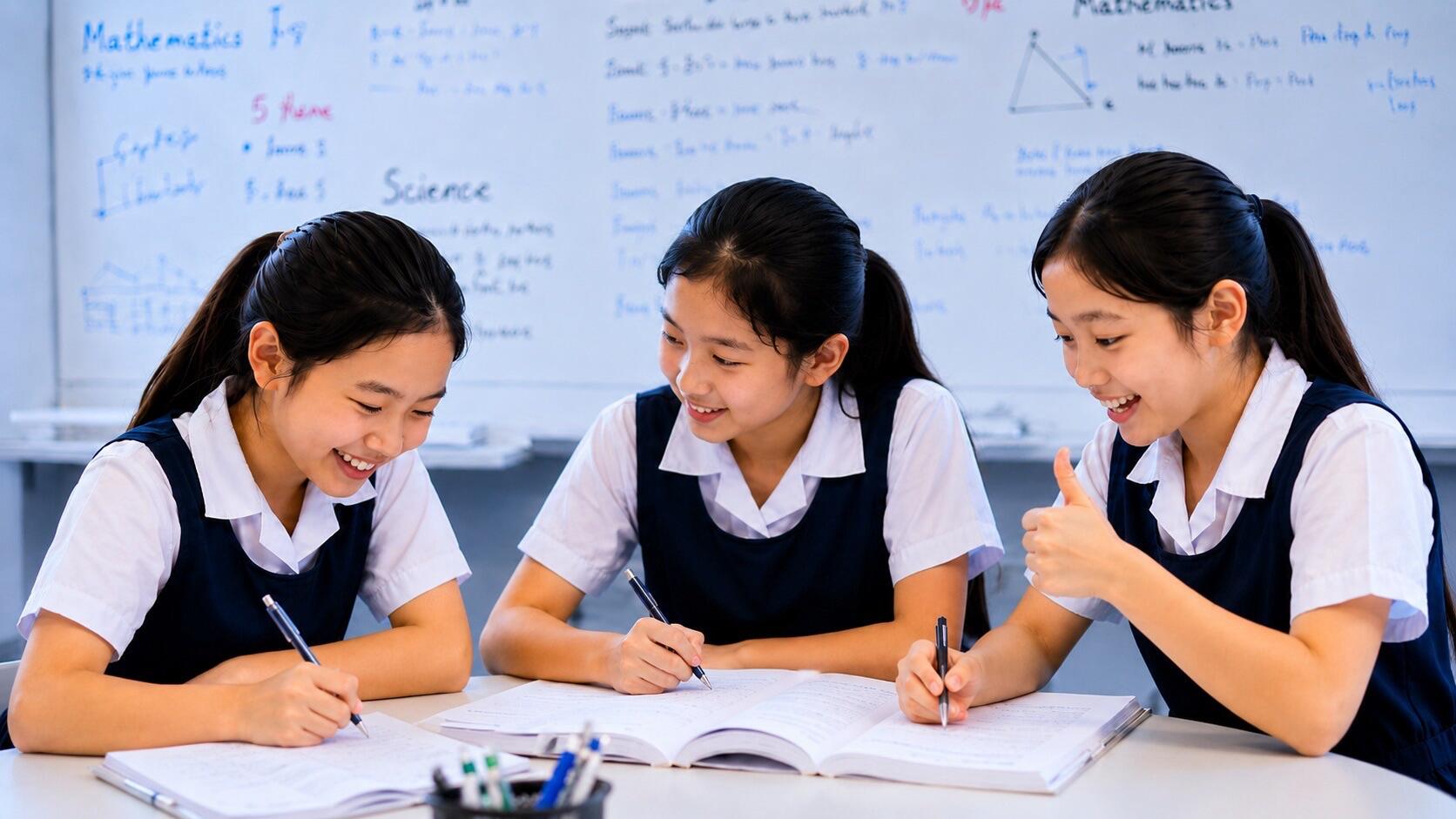
📝How to Prepare for PSLE
Subjects and Examination Format
The PSLE exam assesses learners in four core examinable subjects:
- English
- Mother Tongue Language (Chinese, Malay, or Tamil)
- Mathematics
- Science
These four subjects make up the total primary school leaving examination score.
In addition to examinable subjects, primary school candidates also take non-examinable subjects that are part of the national curriculum. While these subjects do not contribute to final scores, they support a broader and more holistic learning experience2.
- Art & Music: Art and Music develop learners' ability to express ideas creatively and appreciate different forms of visual art and music. These subjects also assist to build creativity and cultural understanding.
- Physical Education (PE): PE focuses on six core components, such as physical and fitness, games & sports, gymnastics, dance, outdoor education, and movement concepts. Primary 4 and 5 students may also take part in the compulsory National Physical Fitness Award (NAPFA) test.
- Social Studies: This subject focuses on Singapore’s identity, history, and global position.
- Character and Citizenship Education (CCE): CCE develops learners' values, social awareness, and interpersonal skills. It covers areas such as responsibility, respect, decision-making, and cyber wellness3.
Together, these subjects support the country's holistic approach, which aims to develop students not only academically, but also socially, physically, and emotionally.
📖English
Now, let’s take a look at the core subjects. The English examination evaluates a student's reading, writing, listening, and speaking abilities. The components typically include:
- Writing (situational and continuous writing)
- Language use and comprehension
- Listening comprehension
- Oral communication
Strong language skills are essential because they support mastery across all subjects.
🀄Mother Tongue Language
This includes Chinese, Malay, or Tamil.
The assessment typically includes different components that evaluate language skills such as writing, comprehension, listening, and oral communication.
Some candidates may also be offered Higher Mother Tongue, depending on their performance and school recommendation.
🔢Mathematics
The Maths paper focuses on mathematical understanding, reasoning, and application. Candidates are expected to solve problems, explain their thinking, and apply concepts to real-world situations.
The examination consists of two papers:
- Paper 1 (non-calculator paper)
- Paper 2 (calculator allowed)
🔬Science
The Science paper tests scientific concepts and inquiry skills. Candidates must demonstrate an understanding of scientific principles and answer both multiple-choice and open-ended questions.
Topics generally cover 5 core themes taught throughout primary school: diversity, cycles, systems, interactions, and energy.
At the primary level, learners may be placed in different combinations of standard and foundation subjects based on their strengths.
Typically, students who pass 3 or more subjects in Primary 4 may be recommended for all four standard subjects:
- English
- MTL
- Mathematics
- Science
Higher Mother Tongue may be offered those who passes all 4 subjects and performs well in their MTL.
Students who pass 2 subjects or fewer will be offered the following options4:
- 4 standard subjects
- 3 standard + 1 foundation subjects
- 2 standard + 2 foundation subjects
- 1 standard + 3 foundation subjects
- 4 foundation subjects
Typically, schools recommend a subject combination taking into account the students’ exam results at the end of Primary 4. The school will ask parents to complete an option form indicating their child’s preferred combination.
In Primary Year 5, learners will study their selected combination, and the school will continue to review how well they can handle the demands of each area by the end of the year.
By the end of Primary 5, the school will make adjustments to the subject levels if necessary. In Primary 6, the learners will sit for the PSLE according to the combination they have been placed in.
📊PSLE Scoring System
In 2021, the new Achievement Level (AL) scoring system was introduced, replacing the decades-old T-score system.
One of the most common concerns involves understanding how it is calculated.
The achievement level scoring system focuses on a student's individual mastery of subjects rather than against their peers – which means the AL depends on how a student performs in the subject, not how the whole cohort performs.
The AL system was designed to create a fairer approach by reducing pressure around small differences in performance and encouraging learners to focus on their own progress.
Understanding Achievement Levels (ALs)
Each subject is assigned an Achievement Level (AL) ranging from AL1 to AL85.
Lower marks represent stronger performance.
Achievement Level Table
| Achievement Level | Mark Range |
|---|---|
| AL1 | 90–100 |
| AL2 | 85–89 |
| AL3 | 80–84 |
| AL4 | 75–79 |
| AL5 | 65–74 |
| AL6 | 45–64 |
| AL7 | 20–44 |
| AL8 | Below 20 |
🧮How is the PSLE Score Calculated?
A student's overall PSLE score is calculated by adding the Achievement Levels from all four subjects:
- English
- Mathematics
- Science
- Mother Tongue
| Subject | Score | All Score |
|---|---|---|
| English | 88 | AL2 |
| Mathematics | 80 | AL3 |
| Science | 86 | AL2 |
| Mother Tongue | 83 | AL3 |
Total marks = 10
The student's total PSLE Score is the sum of the four subject Achievement Levels, ranging from 4 to 32.
🏫Secondary School Placement and Admission
PSLE marks are used during the Secondary 1 posting exercise.
Candidates submit a list of preferred high schools, and placement is determined primarily on:
- PSLE final marks
- School choice order
- Available vacancies
- Tie-breakers, where applicable
The current system now uses Subject-Based Banding and Full SBB arrangements rather than the previous Express, Normal (Academic), and Normal (Technical) streaming model.
What are tie-breakers?
When there is a situation where more than one student with the same PSLE marks applies for the last available vacancies in school, tie-breakers will be applied according to the following order6:
1. Citizenship status in the order of priority:
- Singapore citizen
- Permanent resident
- International student
2. Choice of schools
3. Computerised balloting
The last option, balloting, will only take place if the candidates applying for the last available vacancies in a school have the same PSLE score, citizenship, and choice order of school.
🗓️Key Dates and PSLE Results Day
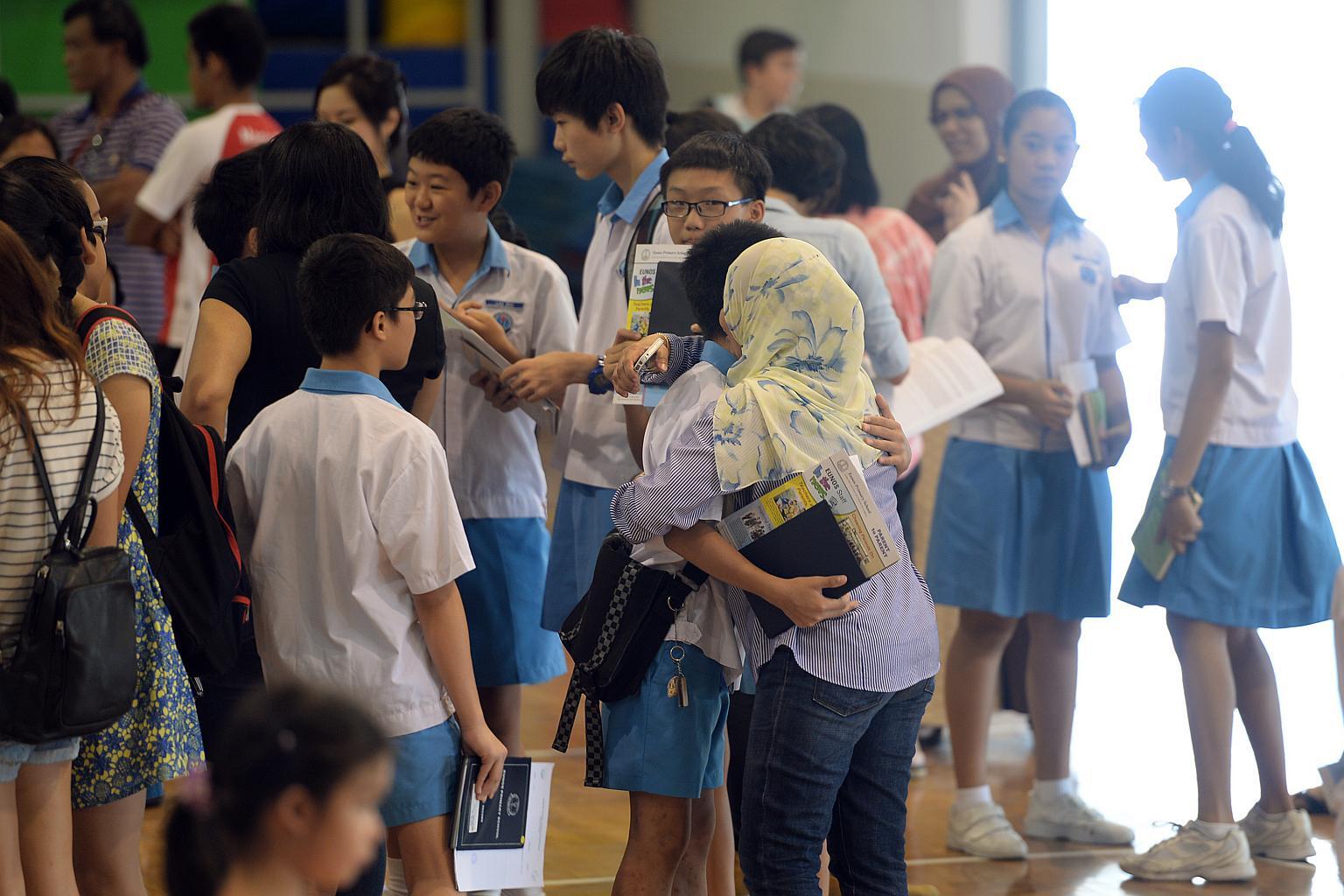
Understanding the PSLE timeline allows families to anticipate what to expect throughout the examination year. While the exact dates vary annually, the PSLE follows a structured process that includes registration, oral assessments, listening comprehension, written examinations, the release of results7, and the Secondary 1 posting exercise.
The 2026 PSLE timetable8 below provides a useful reference for these key milestones and gives families an idea of when each stage typically takes place.
First half of the year
Registration Period
August
Oral Examinations
September
Listening Comprehension
September to October
Written Examinations
November
PSLE Results Day
Following the release of PSLE results, parents will submit their secondary school choices through the Secondary 1 Posting Exercise. Posting results are typically released in December.
📄Understanding PSLE Results Day
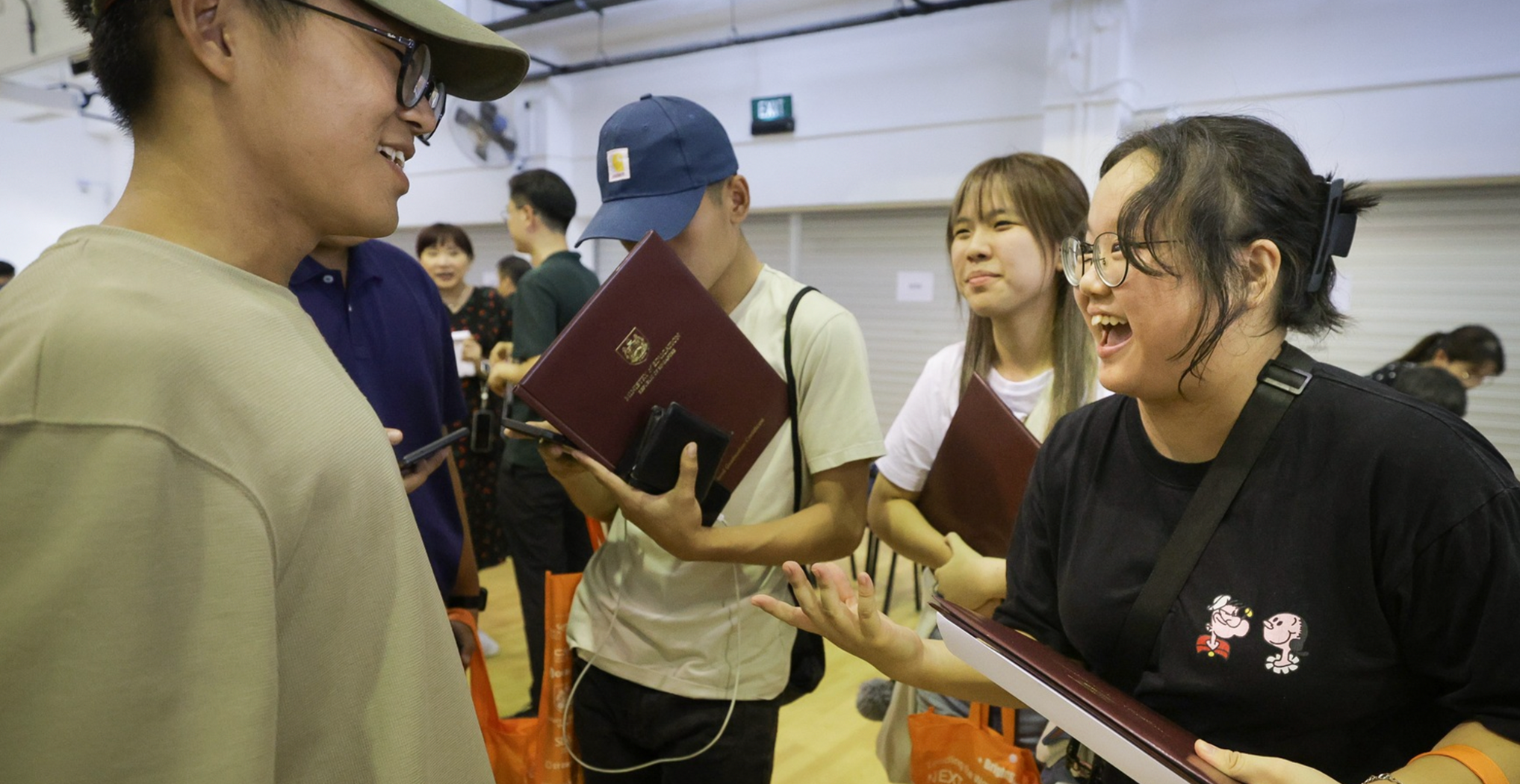
For many families, the results day is one of the most anticipated moments of the year.
Candidates receive their results through their schools and are provided with important documents:
- Secondary 1 Option Form (S1 Option Form)
- Eligibility options letter
These documents are important because they contain information about the schools, courses, and choices available as determined by the student's posting eligibility.
Families should review the results carefully and discuss secondary school choices with their child before the posting exercise begins.
💙PSLE Tips for Parents
The PSLE journey can be just as challenging for parents as it is for their children. However, they can reduce the stress and anxiety around the exam by creating a positive environment at home and focusing on their child's overall well-being.
Supporting Your Child
Every child learns at their own pace, so avoid comparing your child with classmates or siblings. Instead, take the time to understand their strengths and areas of weakness where they may require additional support.
Manage Expectations Realistically
It is natural to hope for good outcomes, but unrealistic expectations can increase unnecessary pressure and anxiety. Instead of solely focusing on the final marks, set achievable goals that match your child's individual abilities. Reassure your child that their results do not define their worth or future success.
Instead of viewing the examination as the final destination, think of it as one step in your child's future pathway. While the exam opens the door to secondary school, it does not define your child's potential or future success.
A person who never made a mistake never tried anything new.
Albert Einstein
References
- National Library Board Singapore. (n.d.-c). Retrieved June 22, 2026, from https://www.nlb.gov.sg/main/article-detail?cmsuuid=3e296875-caae-47bf-a36d-8ac83271e05c
- Ministry of Education, Singapore. (n.d.). Retrieved June 22, 2026, from https://www.moe.gov.sg/primary/curriculum/syllabus
- What is character and citizenship education and what do students learn | MOE. (n.d.). https://www.moe.gov.sg/news/edtalks/what-is-character-and-citizenship-education-and-what-do-students-learn
- Subject-based banding for primary school | MOE. (n.d.). https://www.moe.gov.sg/primary/curriculum/subject-based-banding
- Ministry of Education, Singapore. (n.d.-b). Retrieved June 19, 2026, from https://www.moe.gov.sg/psle-fsbb/psle/faqs
- Secondary 1 (S1): Learn how posting works | MOE. (n.d.). https://www.moe.gov.sg/secondary/s1-posting/how-to-choose/how-posting-works
- Ministry of Education, Singapore. (n.d.-c). Retrieved June 22, 2026, from https://www.moe.gov.sg/national-exams-dates
- Ministry of Education, Singapore. (2026). 2026 PSLE EXAMINATION TIMETABLE.
Summarise with AI:
Did you like this article? Leave a rating!

 Loading...