
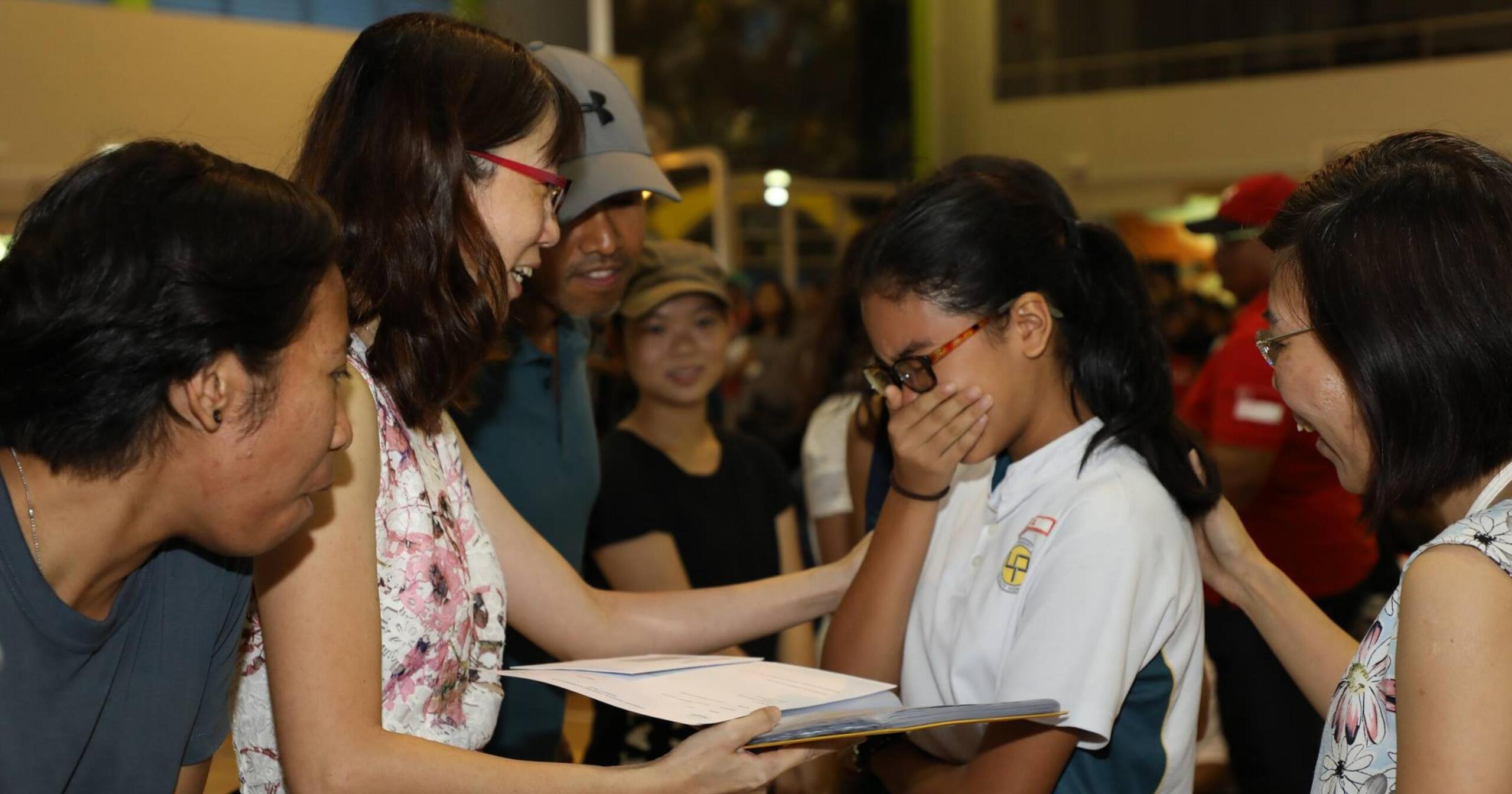
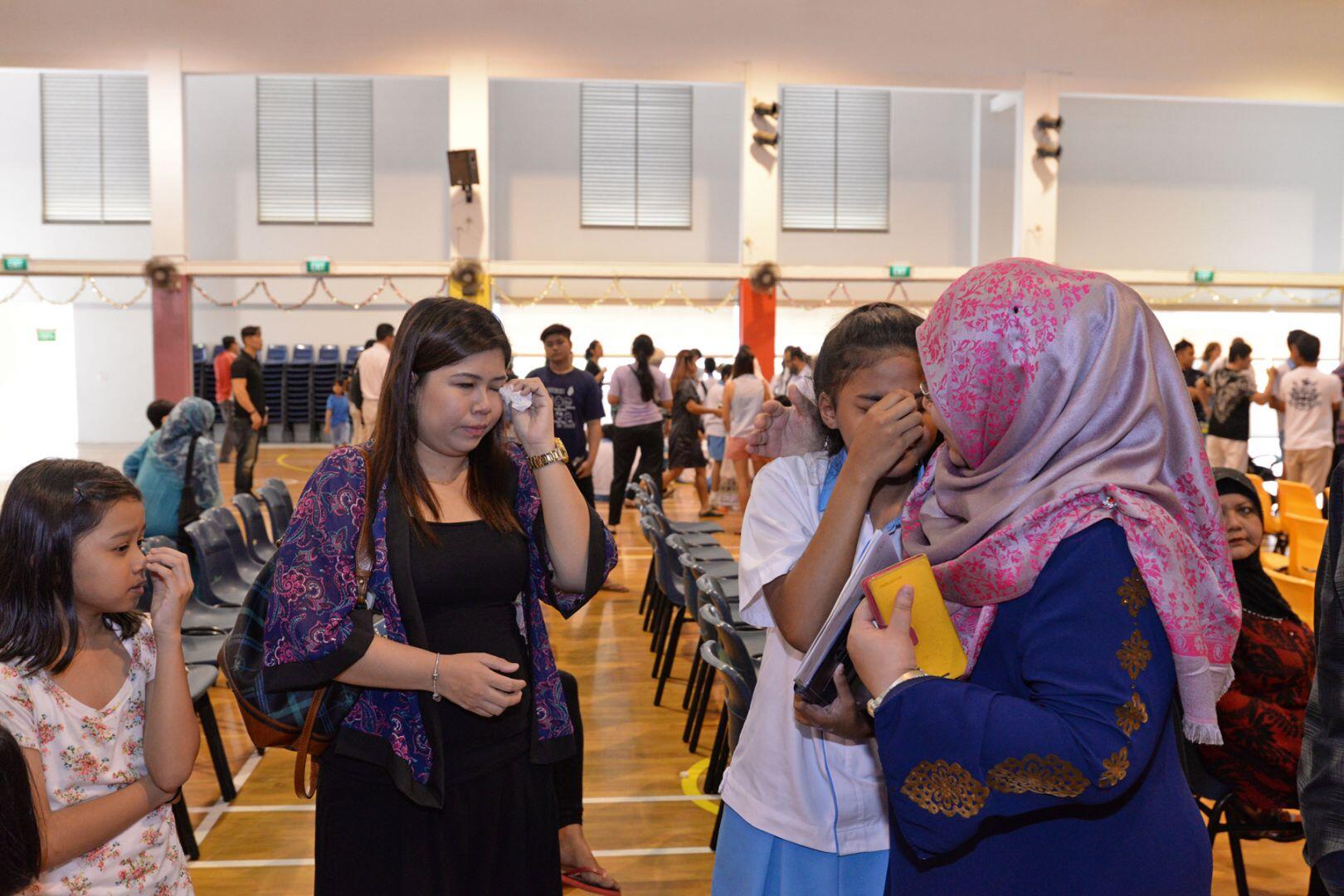
PSLE results day is probably one of the most highly anticipated days in Singapore. It is one of those days when families across the country wait with their hearts pounding as their 12-year-olds walk back to them after collecting their results.
For many parents, this is when they can finally breathe a sigh of relief because the marathon is over. However, it is also the beginning of a new journey. From choosing secondary schools to checking PSLE posting results, there are several key decisions parents need to make within a short period of time.
After receiving their PSLE results, students become eligible for the Secondary 1 Posting Exercise, where they submit their preferred secondary school preferences. Their PSLE Score also determines their Posting Group, which guides the initial subject levels they will take in Secondary 1 under Subject-Based Banding.
This guide explains how to retrieve your child's PSLE results, how the secondary school posting process works, and what parents should do to help their child transition confidently into secondary school.
| Section | Overview |
|---|---|
| Collect your PSLE results | Receive your child’s results from their primary school or access them through the official portal (if eligible). |
| Understand your child’s outcome | Review the PSLE Score, Posting Group, and eligibility for the Secondary 1 Posting Exercise. |
| Choose preferred secondary schools | Compare school culture, programmes, location, and past cut-off points before making secondary school choices. |
| Submit school choices | Complete the secondary school selection within the timeframe set by MOE. |
| Receive PSLE posting results | Check the allocated school and follow instructions for registration. |
| Prepare for Secondary 1 | Attend orientation and support your child’s transition into secondary school. |


📥Retrieving Primary School PSLE Results
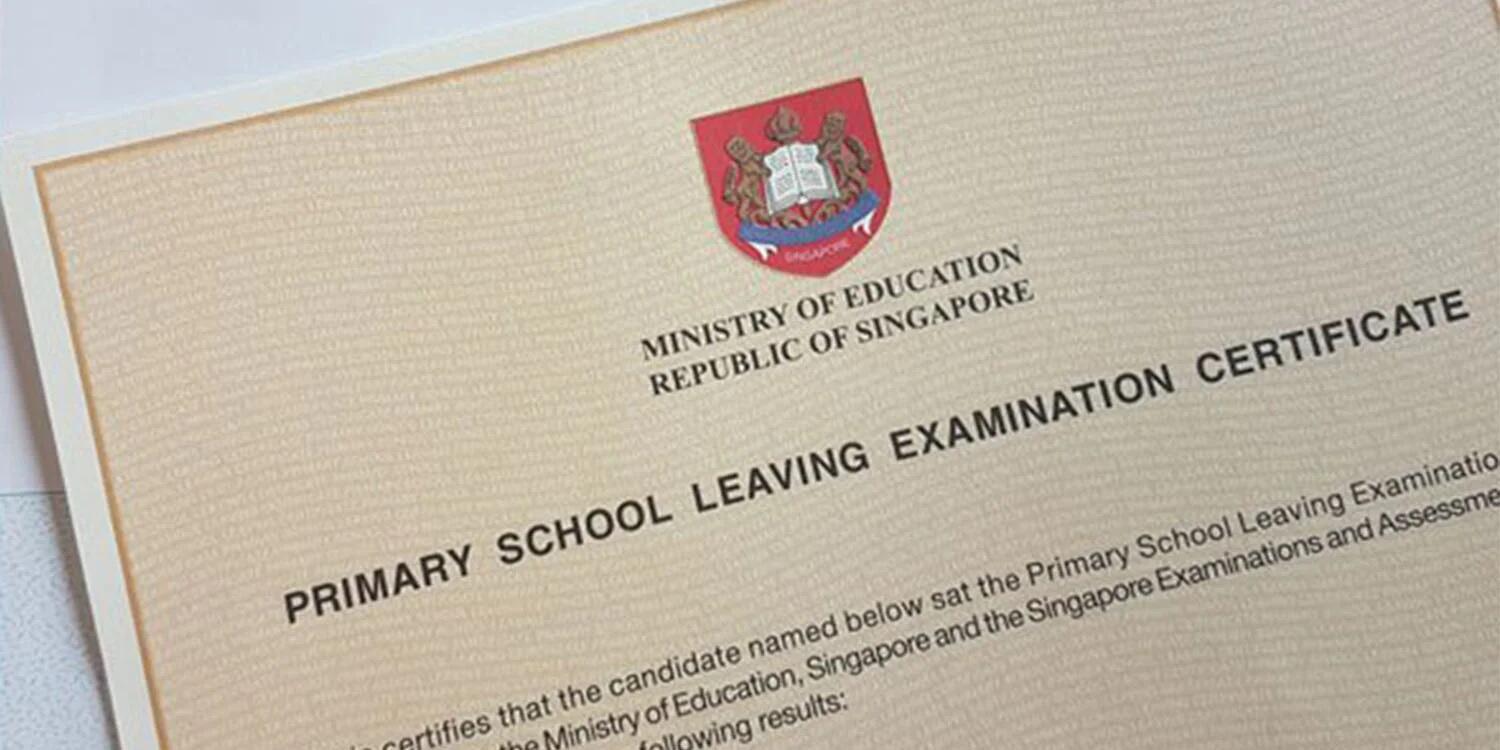
Parents can collect their child's PSLE examination results (hard copy) from their primary school on the official release day announced by the Ministry of Education (MOE).
Families who are unable to collect their results personally may arrange for an authorised representative to do so by submitting a proxy form.
Digital Access to Examination Results
Families with Singpass accounts can view their results through the SEAB Candidates Portal. Those without Singpass can follow the instructions provided by their school or the Singapore Examinations and Assessment Board (SEAB).
📊Understanding Your Child's PSLE Results
Receiving the result slip is about more than looking at a final score. It reflects a student’s performance in the PSLE, which is used for secondary school posting and determines their school placement.
Achievement Levels (AL)
Singapore's PSLE uses the Achievement Level (AL) scoring system. Each subject is graded from AL1 to AL8, with lower numbers indicating stronger performance. The four subject scores are added together to produce the final Score.
Rather than comparing students against one another, the AL system measures each student’s performance based on fixed national standards.
Eligibility for Secondary School
Most students are eligible to progress to a secondary school after completing the Primary School Leaving Examination. Based on their overall PSLE Score and posting groups, students can submit their secondary school preferences within the given deadline.
There is no minimum pass grade for PSLE. All students will progress to secondary school, and placement depends on their Achievement Level (AL) score and school cut-off points.
🧭The Secondary 1(S1) Posting Process
As mentioned earlier, once results are released as per the PSLE schedule, parents and students take part in the annual Secondary 1 Posting Exercise. This is the moment most families with a 12-year-old have been waiting for and have worked tirelessly to get here.
So, let’s take a look at what the process entails.
The process is straightforward:
- Review your child's PSLE score and eligibility.
- Research suitable secondary schools.
- Submit your preferred school preferences during the posting window.
- Receive your child's secondary posting results.
- Report to the allocated school according to the registration instructions.
What Is a Posting Group?
Students are posted to a secondary school through three Posting Groups based on their scores. Posting Groups determine the initial level at which students study different subjects under Singapore's Full Subject-Based Banding (Full SBB) system.
Rather than permanently placing students in fixed academic streams, as under the previous system, Subject-Based Banding gives schools greater flexibility to align learning levels across subjects.
The three posting groups are1:
- Posting Group 3 (Scores 4 to 22): Students primarily start with G3 subjects (the highest academic level, formerly Express).
- Posting Group 2 (Scores 23 to 24): Students primarily start with G2 subjects (mid-tier academic level, formerly Normal Academic).
- Posting Group 1 (Scores 25 to 30): Students primarily start with G1 subjects (foundational level, formerly Normal Technical).
Students from Posting Groups 1 & 2 may take specific subjects at a higher level (such as G3) right from Secondary 1, depending on their Achievement Level (AL) scores.
For example, if Maple is in Posting Group 2 but achieved an AL 1 for Science, she may be eligible to take G3 Science under Full SBB.
Students who are eligible for two posting groups can check the official guide or consult their primary school class teacher for advice on making the best choice.
Tie-Breaking Criteria
When more students apply to a school than there are available places, MOE applies a set of tie-breakers to determine placement.
The general order of priority is:
- Citizenship status (Singapore citizens first)
- Order of school preferencessubmitted
- Computerised balloting, if required
This is why careful planning of school preferences is important. Parents are encouraged to rank schools based on genuine preference rather than perceived chances of admission.
| PSLE Score | Posting Groups | Starting Subject Level |
|---|---|---|
| 4-20 | 3 | G3 |
| 21 and 22 | 2 or 3 | G2 or G3 |
| 23 and 24 | 2 | G2 |
| 25 | 1 or 2 | G1 or G2 |
| 26-30 (with AL7 or better in English Language and Mathematics | 1 | G1 |
For students who do not meet the eligibility criteria for secondary school posting2, they may be offered the option to retake the PSLE. Alternatively, they may be considered for NorthLight School or Assumption Pathway School with a recommendation from their primary school principal.
🏫Secondary School Section: Choosing the Right One
For many families, choosing secondary schools is the most significant decision after receiving the results.
Factors to Consider
While past cut-off points are useful references, they should not be the only factor influencing your decision. Every child learns differently, and the "best" school should be the one where your child can thrive academically, socially, and emotionally.
When choosing secondary schools, consider:
- Your child’s interests and talents
- School culture and environment
- Academic programmes
- Co-curricular activities (CCAs)
- Distance and travel time
- Student support programmes
- Specialised learning needs support
Ultimately, secondary school selection should be guided by a balance of academic considerations and your child’s overall well-being.
Utilising Available Resources
Families do not need to worry about making this decision alone. MOE provides several useful tools and resources:
- Attend school open houses to understand the environment and speak with teachers and current students
- Use the SchoolFinder tool to filter schools based on programmes, posting group, and interests
- Review past years’ cut-off points as a reference, not a fixed benchmark
These tools help families make more informed decisions during the secondary school selection process.
Exploring Alternative Educational Pathways
Not every student follows the same academic path, and that is completely normal.
Schools such as Crest Secondary School and Spectra Secondary School offer applied learning programmes designed for students who learn better through hands-on, skills-based approaches3.
These schools focus on developing practical and vocational skills alongside core academic subjects such as English and Mathematics, helping students develop confidence and real-world skills.
Pro tip: One of the most common mistakes people make is waiting until result day to start thinking about secondary school options. By then, decisions often feel rushed, especially when emotions are high.
Instead, it is more effective to prepare a few school choice plans in advance, based on possible PSLE score ranges. This helps both parents and students respond calmly and strategically when results are released.
A useful approach is to build three flexible plans based on estimated score bands.
For each plan, you can shortlist around six secondary schools using the MOE SchoolFinder tool, filtering by posting group, programmes, and last year’s indicative cut-off points. You can also adjust score ranges in the search criteria to better understand your child’s possible options.
The submission for the Secondary 1 posting exercise is strictly time-bound. Parents are given exactly 7 calendar days from the day the PSLE results are released to submit their preferences through the official MOE S1 Posting Portal.
MOE does not accept late submissions. IF you miss the deadline, the computer system will automatically post your child to an available school slot based solely on their PSLE score and home address.
📬What Happens After PSLE
Receiving PSLE Posting Results
Once the posting results are released, parents will be informed of the secondary school their child has been posted to. Students must then follow the instructions provided by the assigned school to complete registration.
Different schools may have slightly different procedures, but generally, parents will need to:
- Confirm enrolment
- Purchase uniforms and textbooks
- Submit administrative forms
- Note orientation dates
There is no need to physically report to the secondary school immediately after receiving posting results.
For mainstream MOE schools, reporting details, digital onboarding forms, and other instructions are typically shared through the Parents Gateway mobile application, along with other school communication channels where necessary.
Transitioning to Secondary School
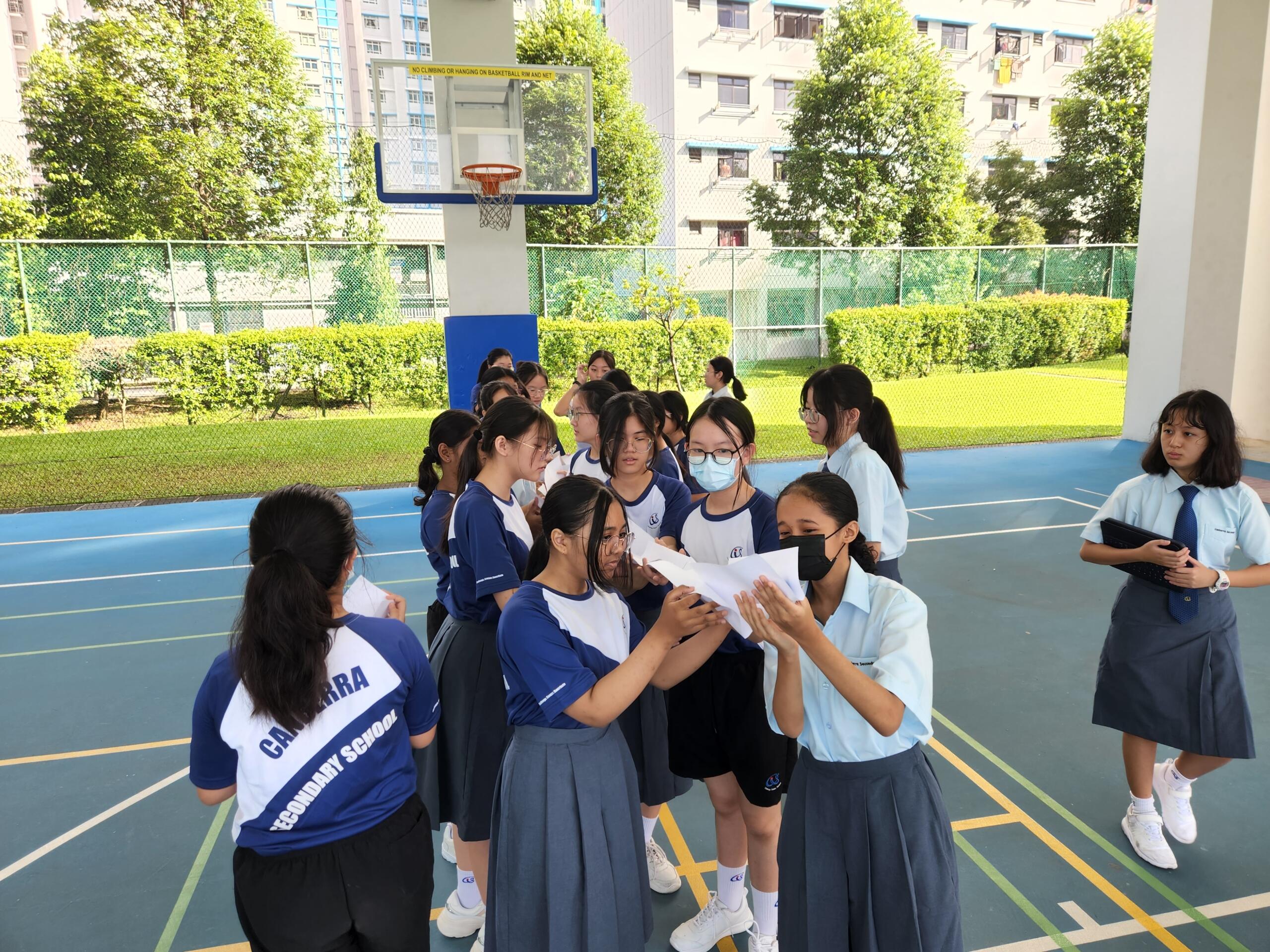
The transition from primary to secondary school is a significant adjustment period. Students will experience:
- A larger and more diverse school environment
- New academic expectations
- Different teaching styles and subject combinations
- Increased independence and responsibility
Most schools conduct orientation programmes and bridging activities to help students settle in. These programmes are designed to ease the transition and help students build friendships, understand school routines, and adapt to secondary school life.
Parents play an important role during this phase by offering emotional support, maintaining realistic expectations, and introducing independence gradually.
🚀Moving Forward After PSLE Results with Confidence
In the end, PSLE results are not a final destination, but a transition point in a child’s journey.
The move into secondary school is designed to build confidence by focusing on each child’s strengths, interests, and growth. Every child takes a different path, and this stage is about helping them move forward with support and clarity.
As parents, take a moment to acknowledge your child’s effort and progress. A few kind words can make a meaningful difference during this transition.
At the end of the day, your relationship with your child matters more than any result slip. What they remember most is not just their score, but how they felt supported, understood, and valued throughout the process.
Singapore must break away from seeing education as 'arms race'.
Desmond Lee, Education Minister
References
- Ministry of Education Singapore. (n.d.). Retrieved June 26, 2026, from https://www.moe.gov.sg/secondary/s1-posting/how-to-choose/what-are-posting-groups
- Ministry of Education Singapore. (n.d.-b). Retrieved June 26, 2026, from https://www.moe.gov.sg/psle-fsbb/psle/faqs
- Schools with Specialised Curriculum | MOE. (n.d.). https://www.moe.gov.sg/secondary/schools-offering-full-sbb/schools-with-specialised-curriculum
Summarise with AI:
Did you like this article? Leave a rating!

 Loading...