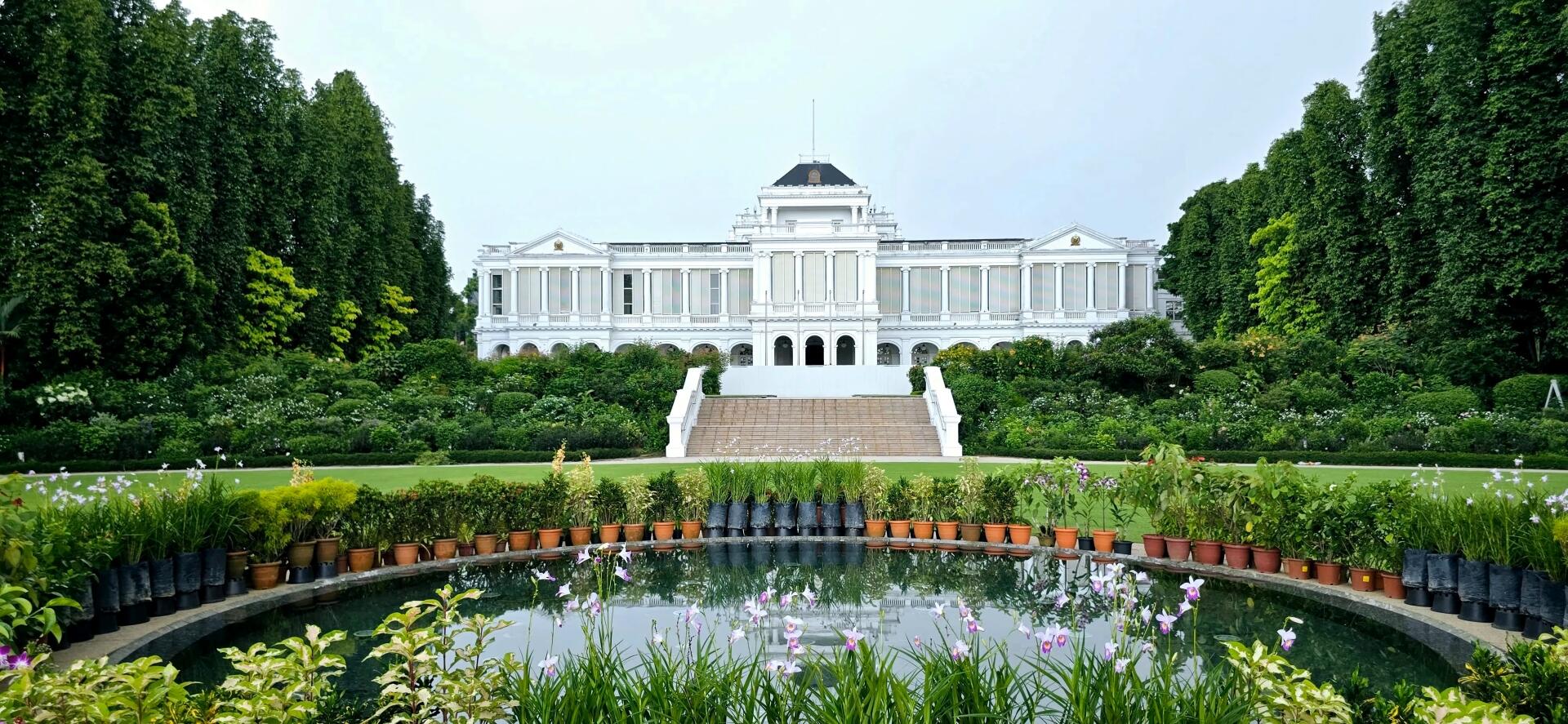

The President of Singapore is the Head of State of the Republic of Singapore and acts as a unifying force for all Singaporeans. Modelled on the Westminster System, the role of the President is mostly ceremonial in nature. In this capacity, the President represents the nation in diplomatic affairs and oversees key public service appointments. A notable exception to his ceremonial role is his custodial role, which is defined in the Constitution.
Let us look at how Singapore's Presidency evolved over the years.
| President | Tenure | Key Events |
|---|---|---|
| Yusof Ishak | 1965-1970 | First President after independence (1965); helped establish national identity; appeared on Singapore currency notes. |
| Benjamin Sheares | 1971-1981 | Longest-serving president; oversaw rapid industrialization and economic growth under Lee Kuan Yew. |
| Devan Nair | 1981-1985 | Former trade union leader; resigned amid controversy. |
| Wee Kim Wee | 1985-1993 | Constitutional reforms in 1991 creating an elected presidency with custodial powers over reserves and key appointments. |
| Ong Teng Cheong | 1993-1999 | First directly elected president; exercised custodial powers; raised transparency issues regarding national reserves. |
| S. R. Nathan | 1999-2011 | Longest-serving elected president; approved use of past reserves during crises (e.g., 2008 financial crisis, SARS outbreak). |
| Tony Tan | 2011-2017 | Closely contested election (2011); continued custodial oversight of reserves and public service appointments. |
| Halimah Yacob | 2017-2023 | First female president; first Malay president in decades; elected unopposed under reserved election scheme. |
| Tharman Shanmugaratnam | 2023-Present | Won 2023 presidential election with strong mandate; focus on social cohesion, economic resilience, and global engagement. |


Historical Overview of Singapore's Presidency
From Yang di-Pertuan Negara to the First President
When Singapore achieved internal self-governance from colonial rule, an Order-in-Council made in 1958 established the office of the Yang di-Pertuan Negara. Yusof Ishak became the first Yang di-Pertuan Negara, replacing Sir William Goode, who was the interim Yang di-Pertuan Negara.
This morning, a few minutes ago, our own Yang di-Pertuan Negara was sworn and installed in office. It is a milestone in our brief history. He is not a powerful man with power of life and death over us. His role is that of a constitutional Head of the State of Singapore. He is the personification of the State, of which you and I are members.
Prime Minister Lee Kuan Yew on the appointment of Encik Yusof bin Ishak as Singapore’s first local Yang di-Pertuan Negara
Then Prime Minister Lee Kuan Yew emphasised the symbolic role of the Yang di-Pertuan Negara in a speech when Encik Yusof bin Ishak was appointed as Singapore’s first local Yang di-Pertuan Negara.
When Singapore gained Independence in 1965, the title of Singapore’s Head of State was changed by the Constitution (Amendment) Act 1965, from “Yang di-Pertuan Negara” to the “President of Singapore”. Encik Yusof bin Ishak thus became the first President of the Republic of Singapore in 1965.
From Ceremonial Head to Elected Head
In Singapore, the President's role was largely ceremonial as in the Westminster Parliamentary system. Article 21 of the Singapore Constitution explicitly stated that the President had to exercise his functions in accordance with the advice of the Cabinet. Accordingly, Singapore’s President only had limited discretionary powers, such as:
- appointment of the Prime Minister
- declaring the office of the Prime Minister vacant
- refusing a request to dissolve Parliament
As the Head of State, the President represents the nation as a whole. Therefore, the President has to remain politically neutral, both in action and public perception. They must always act in accordance with the advice of the Cabinet, except in certain cases. By maintaining this, the President can maintain his neutrality and maintain the dignity of his position.
However, in 1991, the Presidency was changed from a ceremonial role to an elected one, and it granted the President additional ‘custodial’ powers. The rationale was that this would help curb the “untrammelled power” of the Prime Minister and the Cabinet.2
Following these changes, the President gained constitutional powers to exercise his discretion in four instances:
Basically, these discretionary powers of the president put checks and balances on the government by guarding against the misuse of national reserves and preserving the impartiality of public services.
List of Presidents of Singapore
1965–1970
Yusof Ishak
1971–1981
Benjamin Sheares
1981–1985
Deven Nair
1985–1993
Wee Kim Wee
1993–1999
Ong Teng Cheong
1999–2011
S R Nathan
2011–2017
Tony Tan
2017–2023
Halimah Yacob
2023–present
Tharman Shanmugaratnam
Yusof Ishak
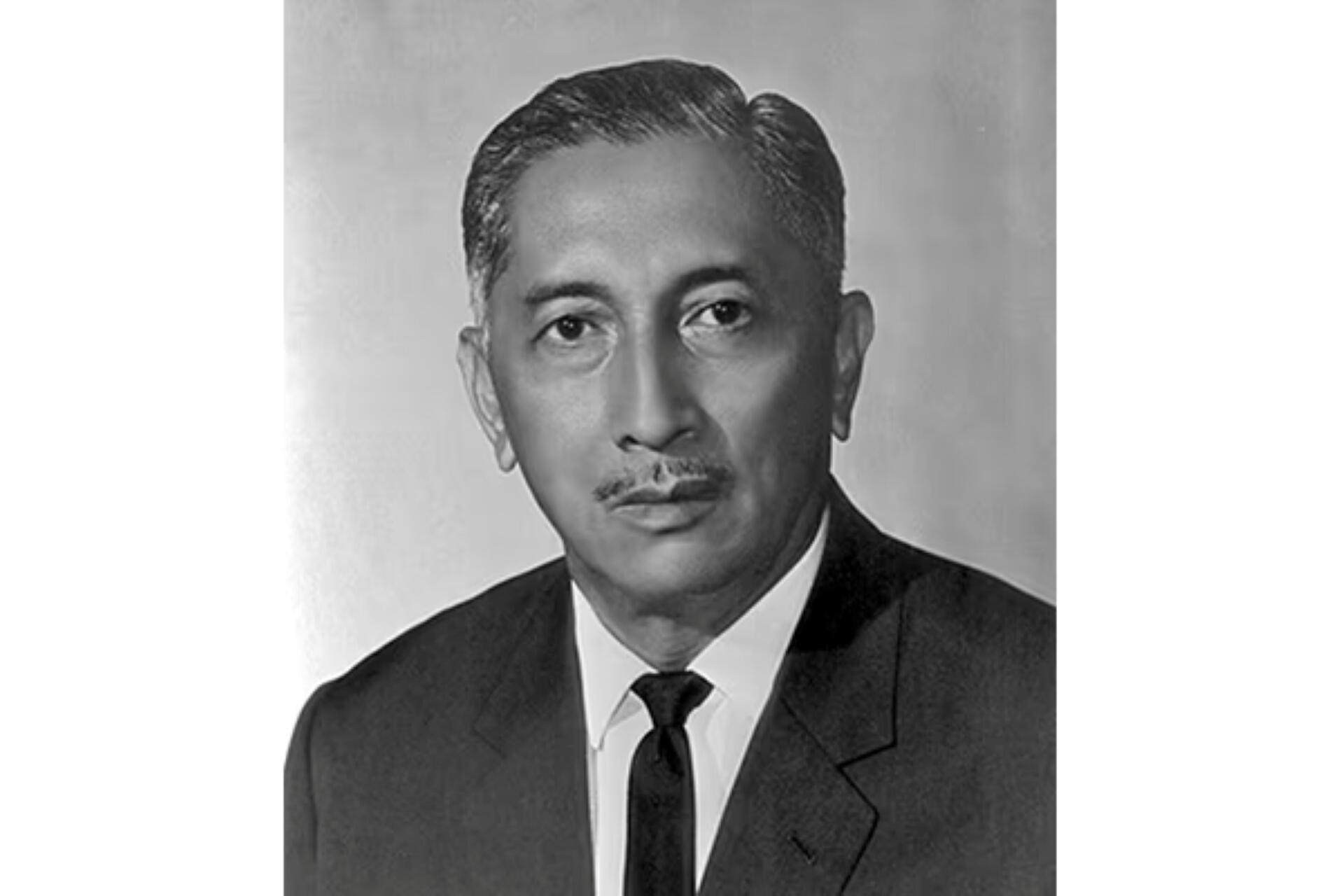
Yusof Ishak was Singapore’s first President, the last Yang di-Pertuan Negara. When Singapore gained independence in 1965, he became the country’s first President.
He led the nation at a difficult time when Singapore was facing racial riots, poverty, a fractured economy and a very uncertain future after separating from Malaysia.
Long before assuming the presidency, Yusof Ishak was a weightlifting champion, had built a career in journalism and was one of the founders of the Malay newspaper, ‘Utusan Melayu’. He is also the only Singaporean President to date who has his image featured on Singapore’s currency.
Benjamin Sheares
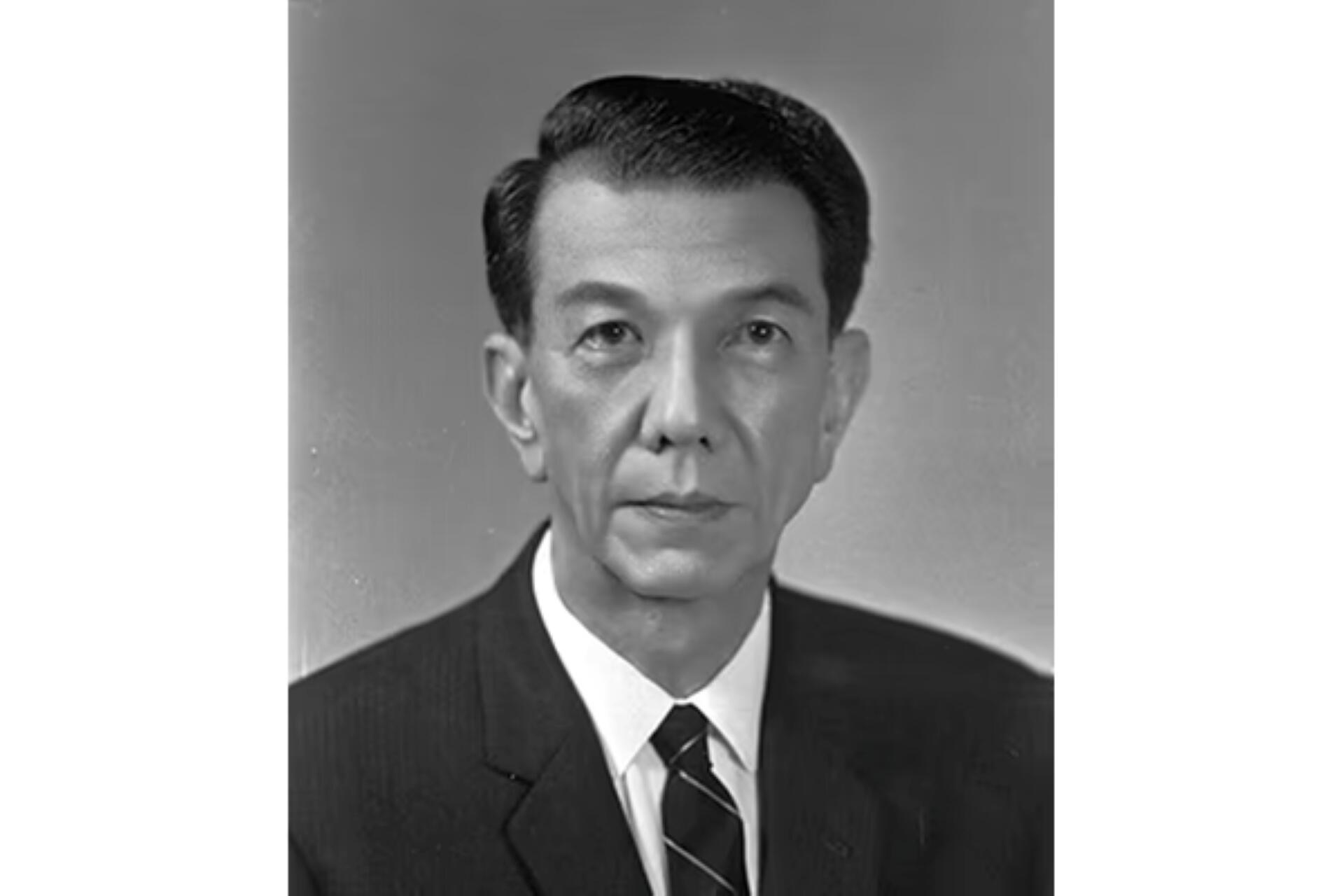
Benjamin Sheares served as the 2nd President of Singapore and was widely regarded as Singapore’s “father of modern obstetrics and gynaecology”. His legacy is honoured through several landmarks, such as Sheares Hall and Benjamin Sheares Bridge, Singapore’s longest bridge.
Benjamin Sheares lived a simple life, despite being the President of the country. He continued to return to his home at Holt Road daily for lunch and dinner. He also refused a higher salary for his role, reflecting his simplicity.
💡Notably, he took six months to agree to serve a third presidential term in 1978.
Deven Nair
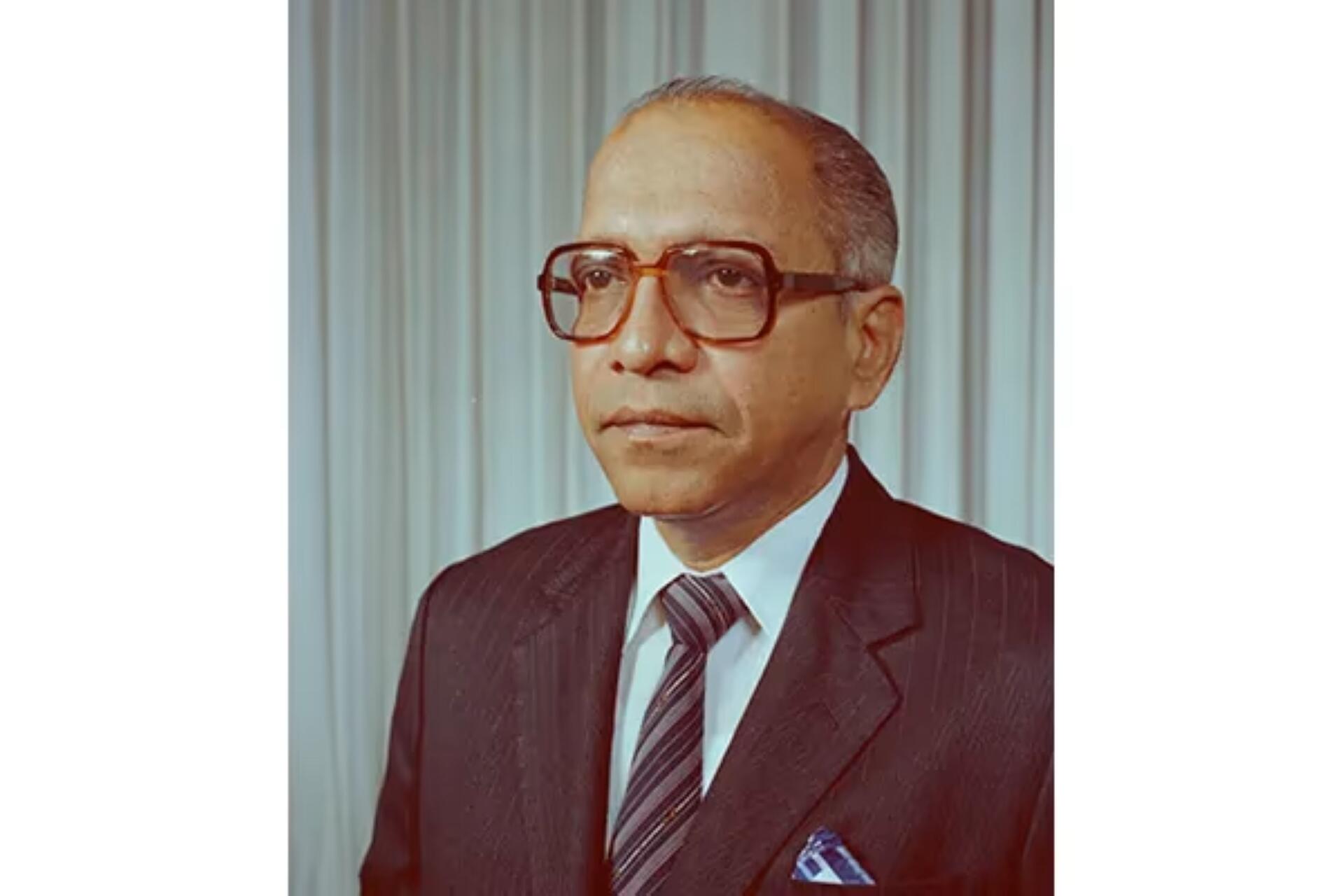
Deven Nair was Singapore’s third president and the first of Indian descent. He held the position from October 1981 to March 1985.
He was one of the founding leaders of the PAP and the National Trade Union Congress (NTUC).
As a PAP leader, he held several party positions and was the only PAP member of parliament who was elected in Malaysia before Singapore’s independence. He resigned from his position due to ill health.
Wee Kim Wee
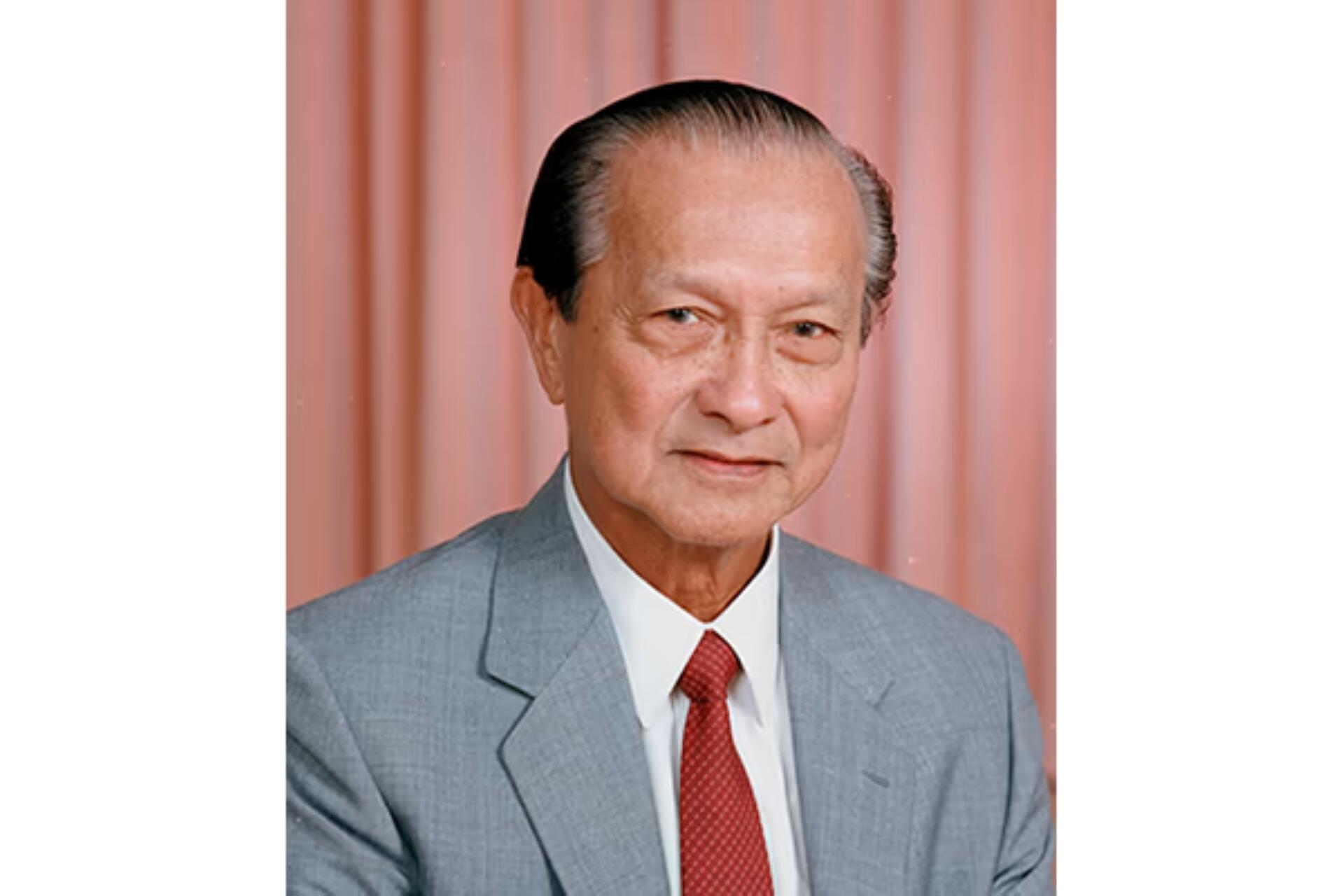
Wee was a journalist and a diplomat who was the fourth president of Singapore. He served two tenures from August 1985 to August 1993. He was a much-loved president during his two terms and is widely known as the “people’s president.”
He was a true Singaporean, who crossed boundaries effortlessly, reaching out to and befriending persons of every creed and colour, the powerful and the ordinary, the rich and the poor, the able and infirm.
PM Lee Hsien Loong in his eulogy for Dr Wee Kim Wee
In 1991, during Wee’s second term, the country shifted to an elected presidency.
Ong Teng Cheong
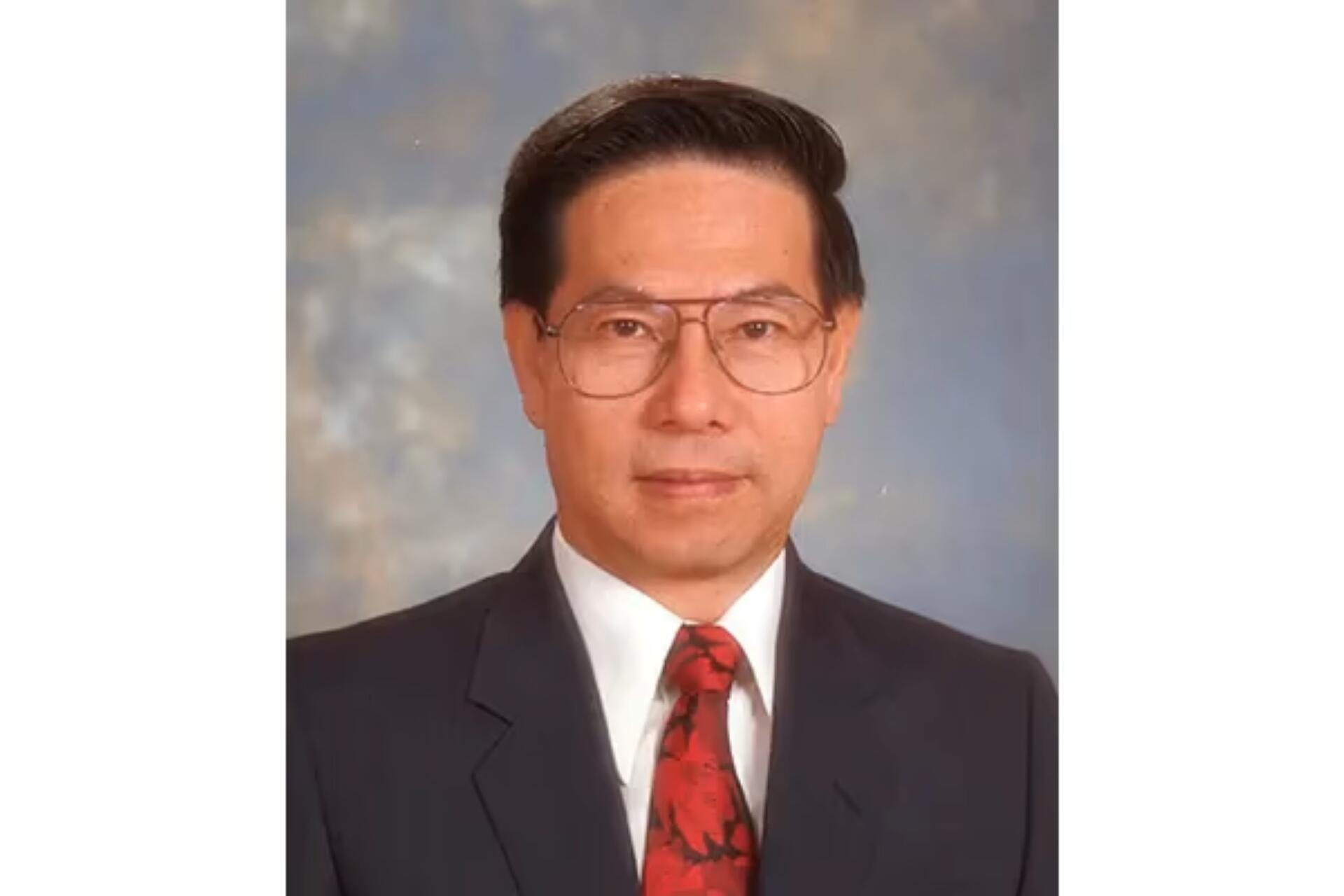
Ong Teng Cheong was the 5th President of Singapore and the first to be elected into office in 1993. He served as a member of PAP for 2 decades before becoming president, during which time he held key portfolios in labour and culture.
One of Ong’s lasting legacies as president was in strengthening the role of the elected presidency. He focused especially on its custodial role in safeguarding the national reserves.
🛬Ong Teng Cheong is widely credited with conceptualising the creation of Changi Airport.
🚄He was also instrumental in developing Singapore’s rapid transit network, which came to be known as the Mass Rapid Transit, or MRT.
S R Nathan
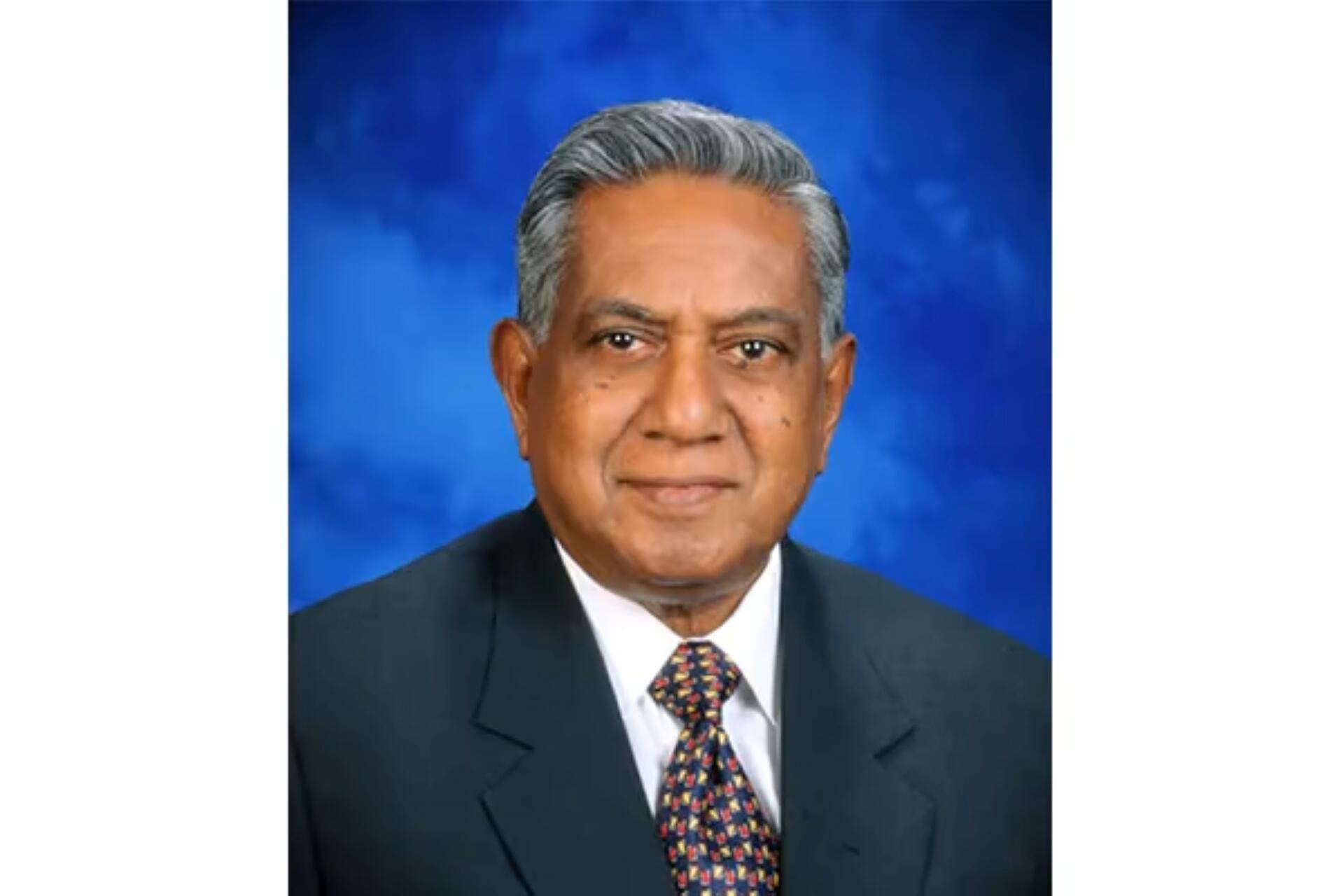
S. R. Nathan’s life is a story of resilience and grit. Born in 1924 into financial hardship, he worked his way through various jobs to join Singapore’s civil service and later on held senior diplomatic postings.
In 1999, Nathan became Singapore’s sixth President and served two terms until 2011. He was known for his humility and earned respect for his firm approach to leadership.
His presidency was marked by a strong focus on community welfare. He launched the President’s Challenge, an annual charity campaign to support underprivileged communities.
During the global financial crisis in 2009, Nathan approved a $4.9 billion draw on national financial reserves to support businesses. This marked the first exercise of the discretionary powers of the president.
Tony Tan
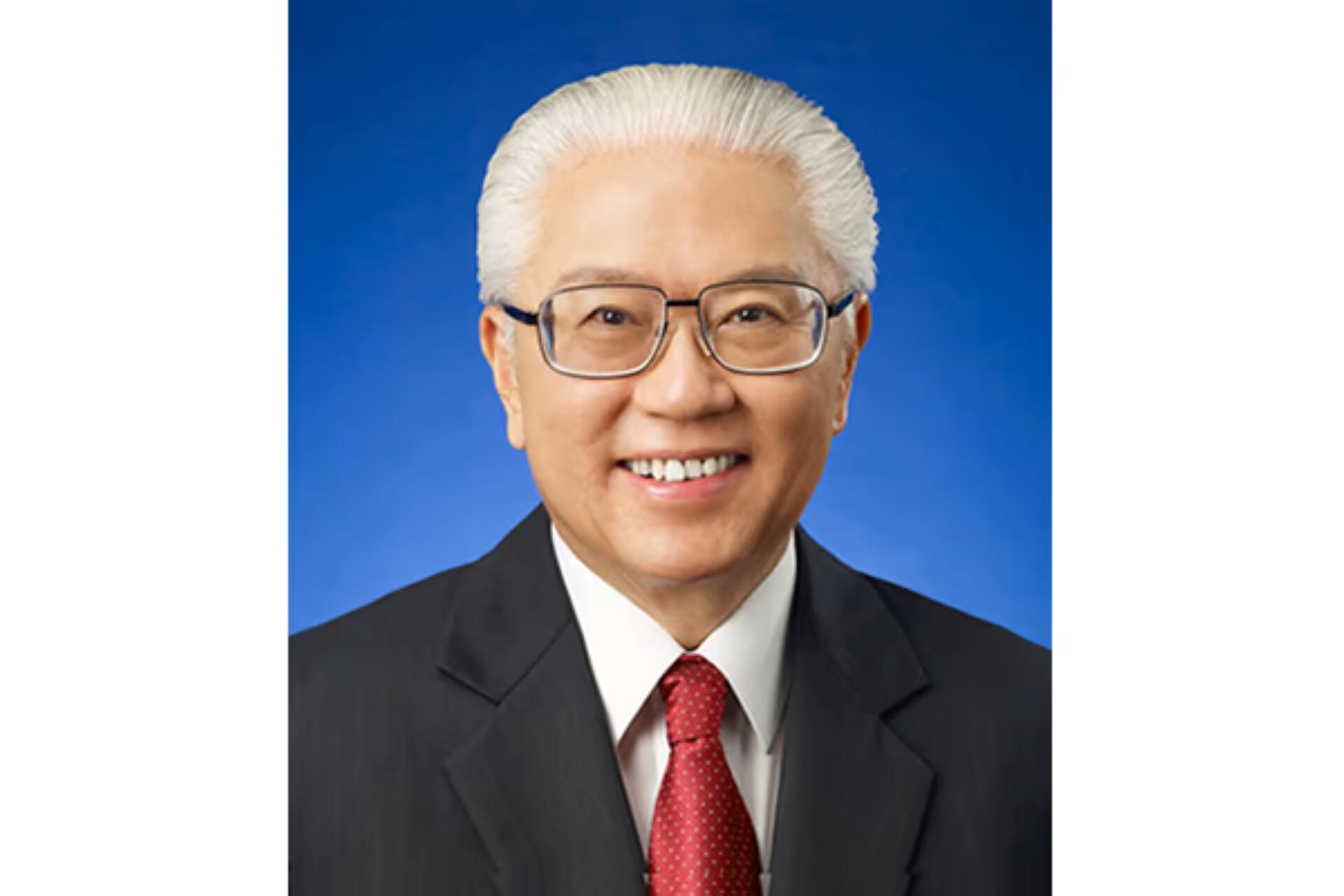
Tony Tan Keng Yam served as the 7th head of state of the republic from 2011 to 2017. Before becoming President of the Republic of Singapore, he served as the Deputy Prime Minister and held important ministerial roles in the Ministry of Education, Trade and Industry, and Defence.
In the 2011 presidential elections, he won by a narrow margin, reflecting a closely competitive contest.
As Minister of Education, he was instrumental in establishing the Nanyang Technological University (NTU) in 1991 and increased funding for existing education institutions like NUS and the polytechnics.
Halimah Yacob
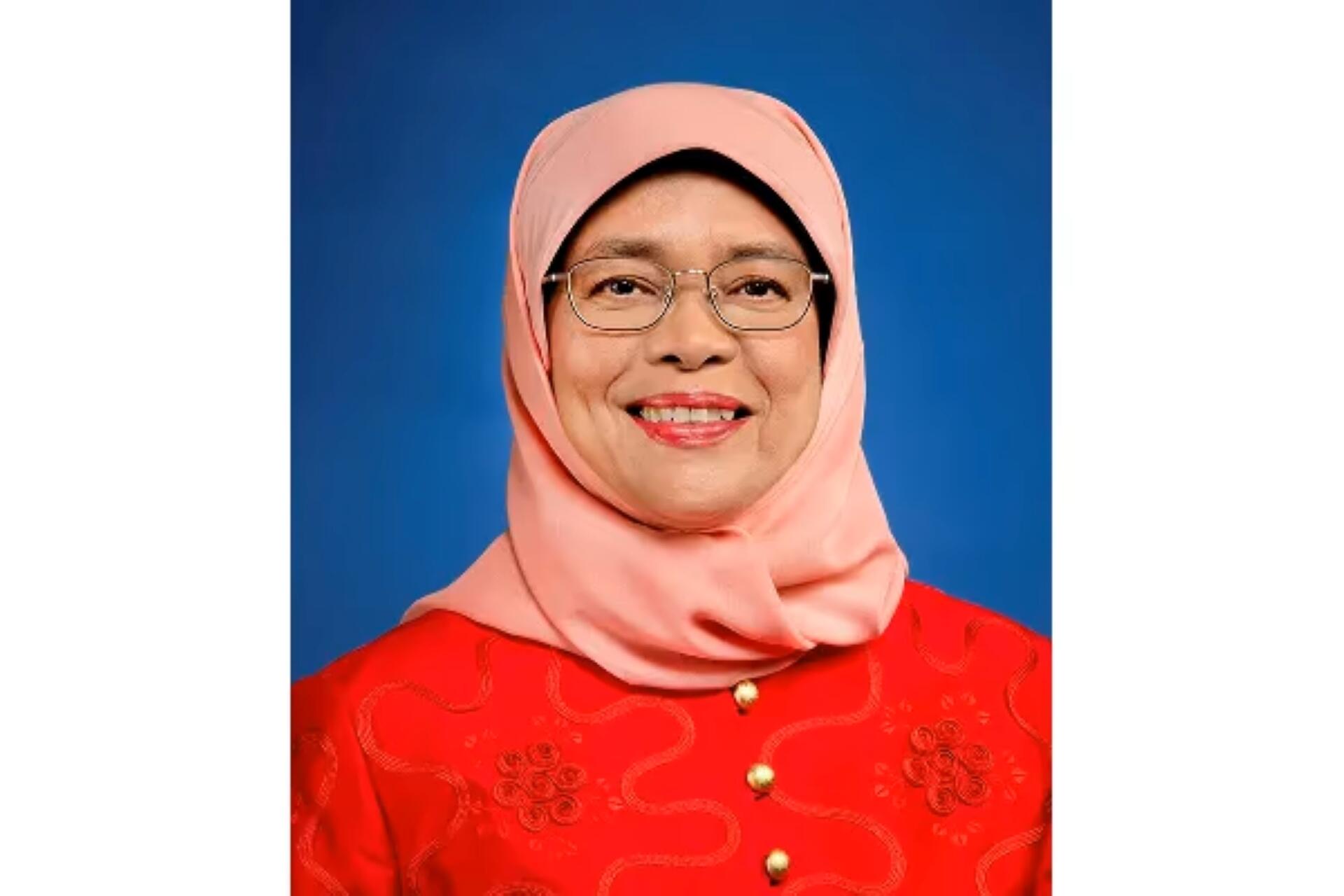
Halimah Yacob was the first female President of Singapore. A former Speaker of Parliament, she became the President in September 2017. She has many "Firsts" to her credit: she was the first Singaporean to be elected to the governing body of the ILO, as well as the country's first female Speaker.
She was a staunch supporter of marginalised people and did a lot for the upliftment of women and workers.
If there is one individual who holds a special place in her heart for workers, it is undoubtedly Madam President Halimah Yacob. During her time at NTUC Singapore, Madam President displayed remarkable compassion for all workers, particularly those who were vulnerable.
NTUC Secretary-General, Ng Chee Meng
Tharman Shanmugaratnam
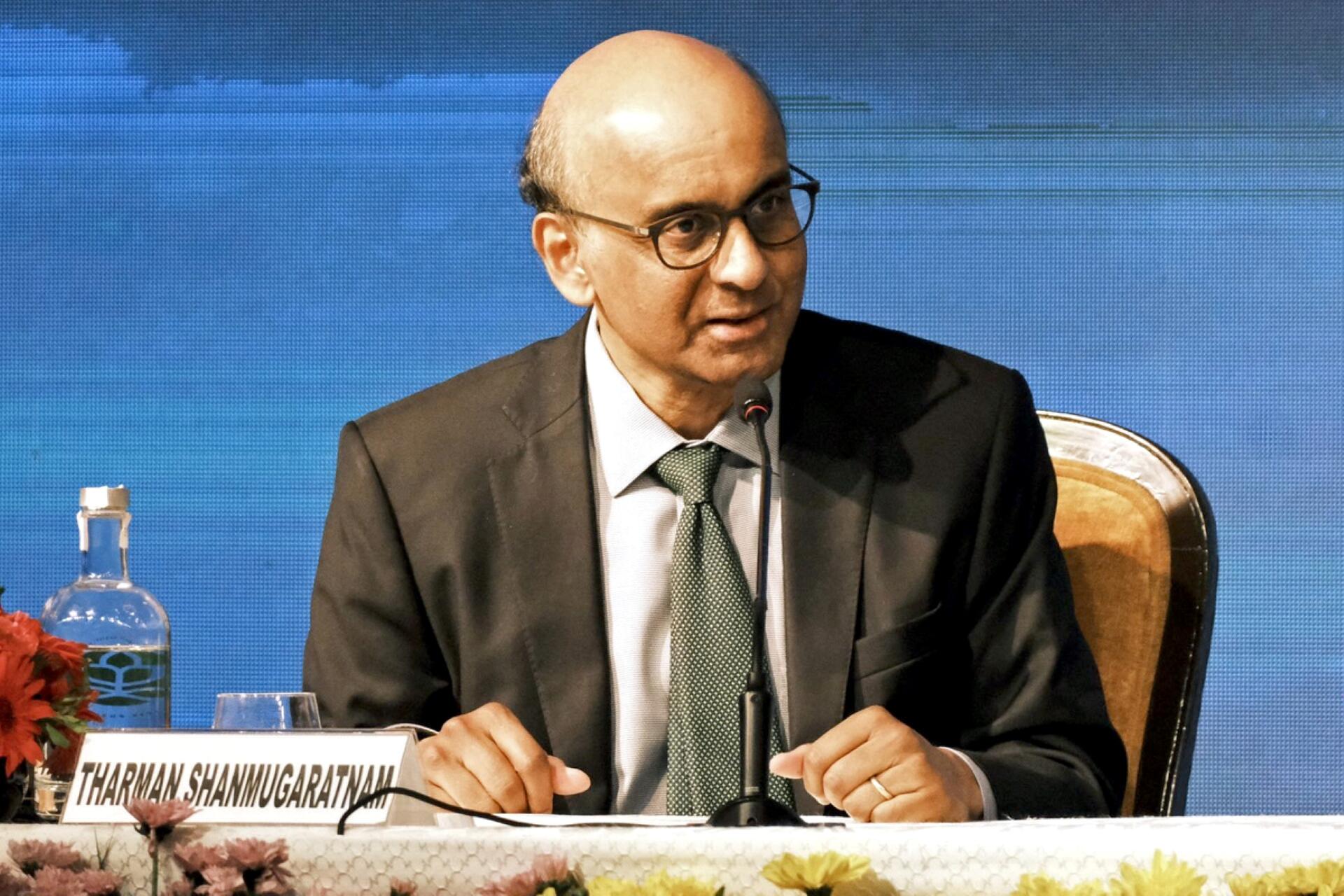
Tharman Shanmugaratnam is the current President of Singapore. He was sworn in as the 9th President of Singapore on 14 September 2023, following a decisive victory, scoring 70.41% of the vote.
He succeeded former president Halimah Yacob.
Before becoming the President, he served for 22 years in politics. He held several important positions, such as Deputy Prime Minister, Finance Minister, and Education Minister, earlier. He also served as Chairman of the Monetary Authority of Singapore (MAS), Singapore’s central bank.
Roles and Responsibilities of the President
Although largely a ceremonial role, the President of Singapore performs several important functions, such as:
Custodial Powers
The Constitution grants the President certain custodial powers. These custodial powers allow the President to withhold approval of specific proposed measures even when such actions go against the advice provided by the Cabinet.1 The Cabinet comprises members of the ruling party.
1️⃣Safeguarding Reserves
One of the important custodial functions of the President concerns safeguarding Singapore’s past reserves (reserves which were not accumulated during the present term of the Government). The President can veto measures taken by Parliament or the Government if he believes they draw on past reserves.
The authority of the President also extends to key statutory boards—like the MAS, CPF Board, JTC, and HDB—as well as Government-linked companies like Temasek and GIC. The President can disapprove of the financial transactions of these entities if he considers that they would draw on past reserves.
2️⃣Public Service
The President can veto appointments to key public offices, including:
- Chief Justice and the Judges of the Supreme Court
- The Commissioner of Police
- The Director of the Corrupt Practices Investigation Bureau
- The Chief of Defence Force and the Service Chiefs of the Singapore Armed Forces
- The Attorney-General
- The Chairman and members of the Public, Judicial and Legal Service Commissions
3️⃣Protective Function
🔴The President may authorise an investigation by the Director of the Corrupt Practices Investigation Bureau even if the Prime Minister does not allow it.
🔴For cases involving detention under the Internal Security Act, the President’s approval is required if the advisory board advises against it.
🔴The President can also cancel or vary a restraining order made under the Maintenance of Religious Harmony Act if the Cabinet’s advice goes against the recommendation of the Presidential Council for Religious Harmony.
The Elected Presidency System
Eligibility Criteria
To be eligible as the president of Singapore, they must meet the following criteria:
✅are a citizen of Singapore
✅are at least 45 years old
✅meet the qualifications set out in Article 44(2)(c) and (d)
✅are not disqualified under Article 45
✅satisfy the Presidential Elections Committee that they possess integrity, good character, and a good reputation
✅are not a member of any political party at the time of nomination
✅have held office for a minimum period of 3 years
Because of the high eligibility standards, many times elections have been won uncontested by a single candidate. For example, S.R. Nathan won uncontested on two separate occasions.
Election Process
Here is an overview of the election process, which bears similarities to the election of parties.
Beginning of the Election Process
The election process begins within 6 months after the office of the President becomes vacant, before the expiration of the term of office of the incumbent.
Writ of Election Issued
The Prime Minister issues the Writ of Election to the Returning Officer, which officially starts the election process.
Notice of Election
The Returning Officer issues a notice specifying the date, time, and place for the nomination of candidates.
Individuals intending to contest the Presidential elections are required to submit their applications to both the PEC and the Community Committee.
Nomination Day
Candidates have to submit their nomination papers in person between 11:00 a.m. and 12:00 noon.
Notice of Contested Election
The Returning Officer issues the notice of contested elections, mentioning the poll date, candidates' names, and names and locations of all polling stations.
Campaigning
Candidates can begin campaigning once the notice of contested election is issued and may continue until the start of Cooling-off Day(which falls on the day before Polling Day).
Cooling-off Day
Cooling-off Day is the eve of Polling Day--a day when election campaigning is prohibited.
Polling Day
Electors visit their allotted polling stations and cast their votes at any time between 8 am and 8 pm.
Counting of Votes
Votes are counted immediately after polls close.
Declaration of Results
The candidate with the majority wins.
Swearing In
The elected President is sworn in at the Istana, and they begin their 6-year term.
Recent Developments in the Presidency
Reserved Elections
In February 2016, the then Prime Minister Lee Hsien Loong convened a Constitutional Commission led by Chief Justice Sundaresh Menon to review certain aspects of the Elected Presidency.
The commission had three tasks to consider.
👉 Review the eligibility criteria for presidential candidates
👉Recommend changes to safeguard minority representation in the Presidency
👉 Review the framework governing the exercise of the President’s custodial powers, especially the role of the Council of Presidential Advisers
In its report released on 7 September 2016, the Constitutional Commission recommended a model of reserved elections for the presidency to safeguard minority rights. This means that if there has not been a President from a racial group for 5 terms, then the 6th term will be reserved for candidates from that particular group.
As recommended, the government introduced a bill, which Parliament passed on 9 November 2016.
This reserved election is also known as a hiatus-triggered election.
According to this, if no person belonging to a specified ethnic community has held the presidency during the last 5 terms, the next elections would be reserved for candidates from that particular community.
Supporting this view, the Singapore government said that the Republic loses an “important element of multi-racialism if particular racial minorities are never represented in the office of the President”.
Current President: Tharman Shanmugaratnam (2023-Present)
Key Initiatives
During his opening speech to the 15th Parliament, President Tharman spoke of building a “we-first” Singapore:
We will nurture a “We First” society at every level, starting in the community. We will work with community leaders to grow networks of care, such as by bringing neighbours together to support one another. We will also create more space for citizens to take the initiative and lead ground-up programmes to take on the causes that matter. Everyone will have a say in building our shared future. By creating a more open and engaged society, we will strengthen Singapore, and deepen the solidarity that defines us.
He also highlighted Singapore’s rollout of new initiatives, including the Jobseeker Support Scheme for those who have lost employment and the SkillsFuture Level-Up Programme to support mid-career workers in upgrading their skills.
He also talked of how Forward Singapore strengthens support at every stage of life, allowing all Singaporeans to live with dignity and purpose in life.
The role of the President of Singapore is much more than attending the National Day Parade and waving to the crowds. Over the years, the Presidential role has evolved from primarily a ceremonial one to a position with important custodial powers.
Through the decades, each president has contributed to safeguarding Singapore’s reserves, upholding integrity in public service and maintaining the dignity of the position. In the president vs prime minister Singapore debate, the actual powers lie with the government, but the president acts as a custodian protecting the country’s interests.
In this manner, the Singapore president’s powers act as a crucial check-and-balance system within Singapore’s political system and help maintain long-term national interests.
References
- Kevin YL Tan, Goh Chok Tong, Wee Chong Jin, & Attorney General. (1995). Working out the presidency. Singapore Journal of Legal Studies, 509–557. https://law.nus.edu.sg/sjls/wp-content/uploads/sites/14/2024/07/1543-1995-sjls-dec-509.pdf
- Unknown. (1991). THE ELECTED PRESIDENCY IN SINGAPORE: CONSTITUTION OF THE REPUBLIC OF SINGAPORE (AMENDMENT) ACT 1991. Singapore Journal of Legal Studies, 179–194. https://www.academia.sg/wp-content/uploads/2023/07/1991SingJLegalStud179.pdf
Summarise with AI:
Did you like this article? Leave a rating!

 Loading...