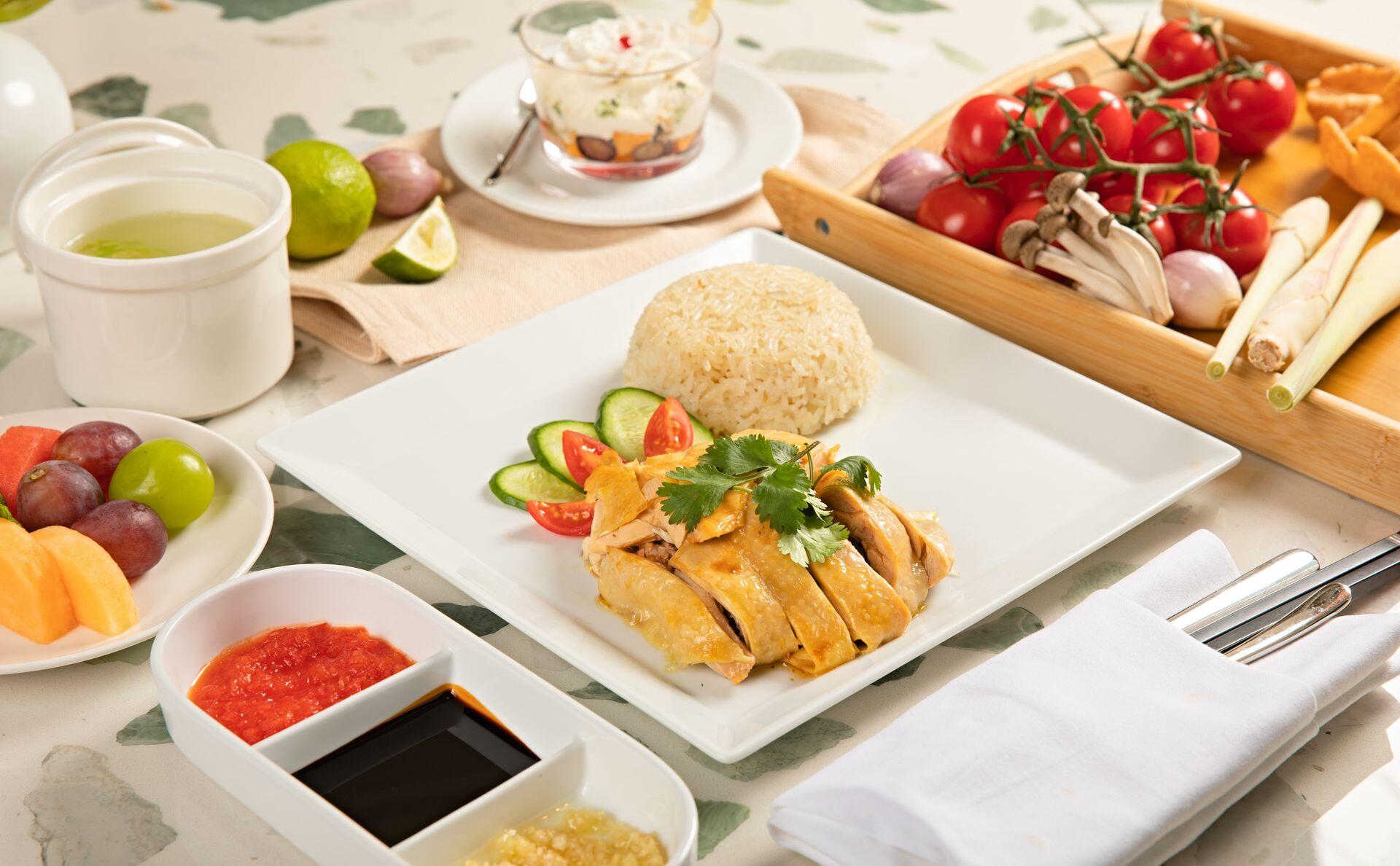

Chicken rice Singapore is one of the most recognisable everyday dishes, loved for its tender chicken, fragrant rice, and punchy sauces. It is widely considered a Singapore National dish, but finding the “best” chicken rice in Singapore depends on what you like.
Some people want silky poached Hainanese chicken, crisp roast chicken, aromatic rice cooked with chicken fat, a sharp chilli sauce, a short queue, or the comfort of an air-conditioned restaurant.
This guide covers famous chicken rice stalls and restaurants across Singapore while helping you compare prices, locations, and styles before deciding where to eat.
| Question | Quick Answer |
|---|---|
| Where can I find the best chicken rice in Singapore? | This guide covers 21 chicken rice stalls and restaurants, including famous names such as Tian Tian Hainanese Chicken Rice, Ah Tai Hainanese Chicken Rice, Loy Kee Best Chicken Rice and Tiong Bahru Hainanese Boneless Chicken Rice, alongside neighbourhood, halal and vegetarian options. |
| What types of chicken rice can I try in Singapore? | Common versions include poached, roast and soy-sauce chicken rice, with differences in the chicken, fragrant rice, sauces and accompaniments. |
| How much does chicken rice cost in Singapore? | Prices vary between hawker stalls and restaurants, with hawker plates generally costing less than restaurant meals. Check the comparison table for the typical price at each place. |
| Why is chicken rice associated with Singapore? | Hainanese migrants brought chicken rice traditions to Southeast Asia, while Singaporean cooks adapted the dish through Cantonese techniques, local ingredients and hawker culture. |
| Is chicken rice the national dish of Singapore? | Chicken rice is widely regarded as a Singapore national dish and one of the country's best-known culinary icons, although Singapore does not have one officially designated national dish. |
| What makes good Hainanese chicken rice? | A memorable plate balances tender chicken, fragrant rice, chilli sauce and soup. Good versions should have juicy chicken, aromatic rice and sauces that complement rather than overpower the dish. |
| How do you eat Hainanese chicken rice like a local? | Try the chicken and rice together first, then add chilli sauce, ginger or dark soy sauce to taste. At hawker centres, remember to chope your seat before joining the food queue. |
| What should I order if it is my first time? | Start with poached Hainanese chicken rice with fragrant rice, chilli and soup. If you prefer firmer meat and crispier skin, try roast chicken instead. |




🐔Best Chicken Rice in Singapore: 21 Best Spots to Try
If you are short on time, this chicken rice Singapore comparison table helps you quickly narrow down your options. Prices and availability can vary between outlets, so use the details as a guide and check the latest information before visiting.
| Stall / Restaurant | Area / Nearest MRT | Style | Typical Price Range |
|---|---|---|---|
| Tian Tian Hainanese Chicken Rice | Maxwell / Maxwell | Poached | ~S$5–10 |
| Ah Tai Hainanese Chicken Rice | Maxwell / Maxwell | Poached | ~S$5–10 |
| Tiong Bahru Hainanese Boneless Chicken Rice | Tiong Bahru / Tiong Bahru | Poached & roast | ~S$5–10 |
| Margaret Drive Sin Kee Chicken Rice | Queenstown / Queenstown | Poached | ~S$5–10 |
| Ji De Lai Hainanese Chicken Rice | Yishun / Yishun | Poached & roast | ~S$5–10 |
| People's Park Hainanese Chicken Rice | Chinatown / Chinatown | Poached | ~S$4–8 |
| Boon Tong Kee | Balestier / Novena | Poached | ~S$7–12 |
| Zi Jing Cheng Hainanese Boneless Chicken Rice | Bukit Merah / Redhill | Steamed | ~S$3.50–8 |
| Loy Kee Best Chicken Rice | Balestier / Novena | Poached & roast | ~S$6–12 |
| Chicken House | Upper Thomson / Marymount | Kampung-style (Poached) | ~S$6.80 |
| Hup Hong Chicken Rice | Jurong East / Jurong East | Poached & roast | ~S$5–10 |
| Eng Kee Hainanese Chicken Rice | Eunos / Eunos | Poached & roast | ~S$3.80–8 |
| Mat Noh & Rose Authentic Ginger Fried Chicken Rice | Whampoa / Novena | Ginger Fried chicken / halal | ~S$4–8 |
| Evertop Chicken Rice | Geylang Serai / Paya Lebar | Poached & roast / halal | ~S$5–10 |
| MacKenzie Rex Restaurant | Prinsep Street / Rochor | Poached & roast / halal | ~S$6–12 |
| Little Nonya's Cookies & Cuisine | Fortune Centre, level 4 / Bencoolen | Vegetarian | ~S$5.40–7 |
| Gokul–Raas Vegetarian Restaurant | Little India / Little India MRT | Vegetarian | ~S$10–20 |
| Chin Chin Eating House | Purvis Street / City Hall | Poached | ~S$6–15 |
| Swee Kee Chicken Rice | Seah Street / City Hall | Poached | ~S$6–15 |
| Shi Mei Hainanese Chicken Rice | Bukit Batok / Bukit Batok MRT | Poached & roasted chicken covered with sesame seeds & lemon chicken | ~S$5–10 |
| My Nasi Ayam | Bedok Food Centre / Bedok MRT | Poached & roast | ~S$5–10 |
The table deliberately includes a mix of famous hawker stalls, Michelin-recognised and Bib Gourmand options, established restaurants and neighbourhood choices, giving you a taste of Singapore hawker food without treating one style as the clear winner.
We’ve also included a few halal and vegetarian options, so there are choices even if you don’t eat meat. If you’re looking for a vegetarian alternative to chicken rice in Singapore, you won’t be completely out of luck.
If you have dietary restrictions, always check with the stall or restaurant before ordering, as ingredients and preparation methods can vary.
Note: The prices mentioned above may vary when you visit the stall, so treat them as general guides. The chicken style listed is also for guidance, as some stalls may offer other chicken styles or variations.
🥰Why is Chicken Rice so Loved in Singapore?
Ask many Singaporeans about their favourite food, and chicken rice is likely to come up among other dishes. It is affordable, widely available and familiar, making it an easy choice for a quick lunch, family meal or even a simple dinner.
Its popularity reflects Singapore's wider appreciation for simple, comforting foods that have become part of everyday life, from chicken rice to Singaporean kaya toast.
But familiarity is only part of the appeal. A memorable plate brings together several carefully balanced elements, from tender chicken and fragrant rice to punchy sauces and a comforting bowl of soup.
What makes great Hainanese chicken rice?
🐔The Chicken
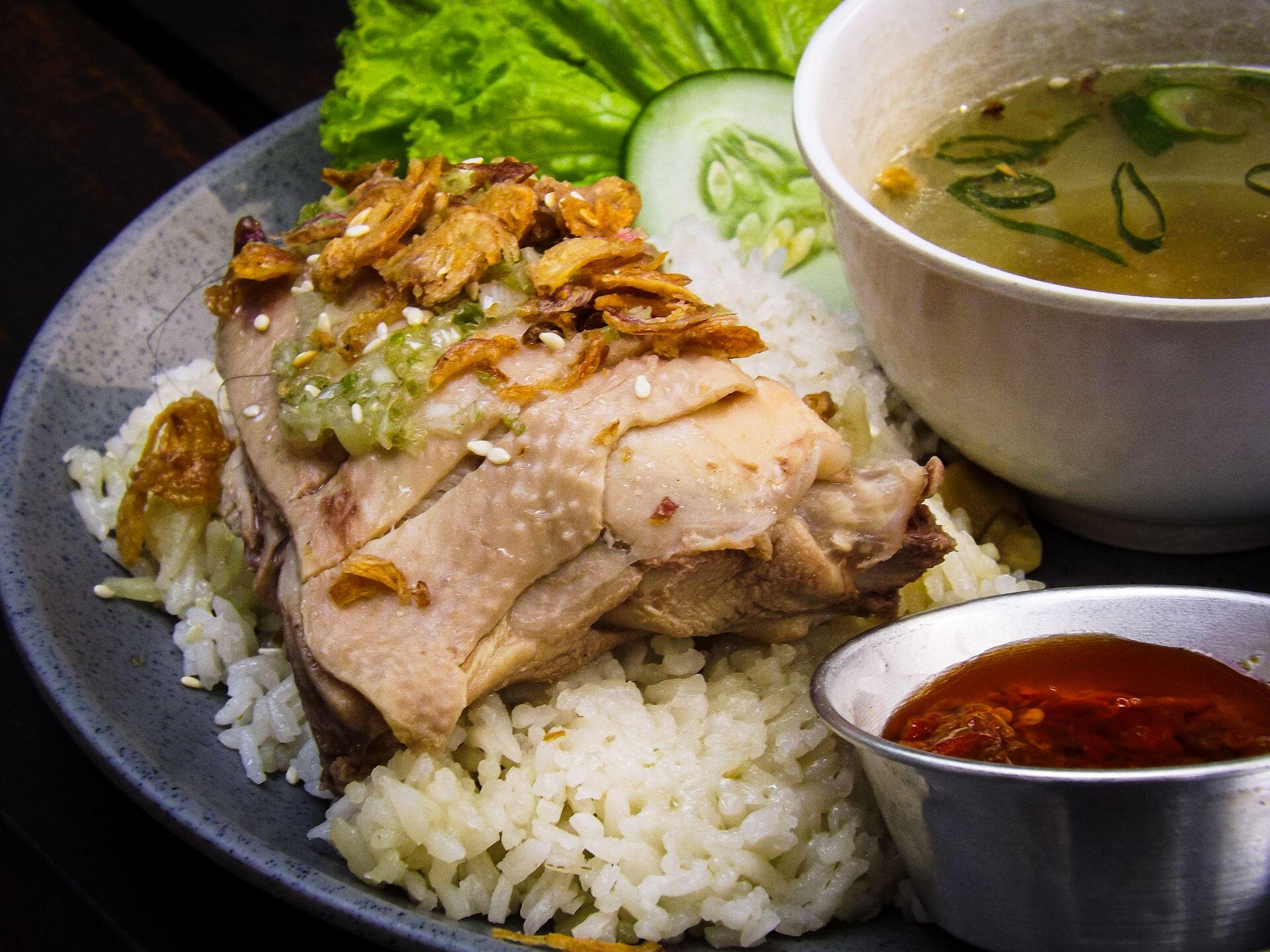
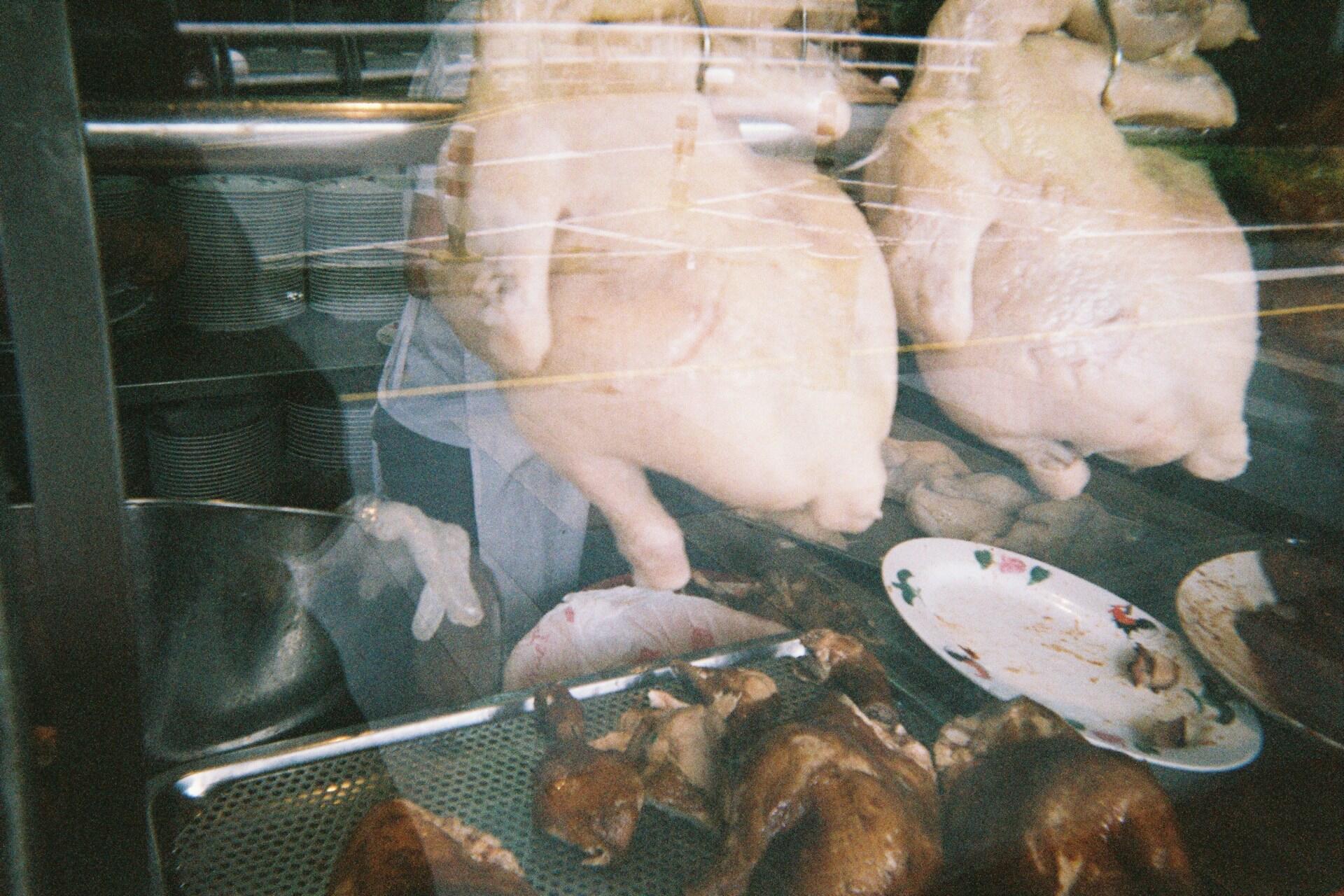
Poached chicken should be juicy and tender, with silky skin and a light savoury flavour. Some people also enjoy the slightly gelatinous texture beneath the skin, which comes from properly chilling the cooked chicken in an ice bath.
Roasted chicken offers a different experience, with firmer meat and browned skin. That said, neither style is automatically better; it comes down to personal preference.
🍚The Rice
In chicken rice, the rice is just as important as the chicken. It is typically cooked with chicken broth or stock and infused with aromatics such as ginger, garlic, and pandan leaves, while chicken fat adds extra flavour and richness.
Good rice should be aromatic and savoury, with separate grains and enough richness to complement the chicken without becoming greasy or mushy.
🌶️The Sauces
The sauces are where many stalls add their own touch to the dish. The chilli sauce commonly combines red chilli with ginger, garlic, and lime or vinegar, giving it a mix of heat and acidity.
Dark soy sauce adds sweetness and savoury depth, while ginger sauce offers another layer of freshness and spice.
These small differences can make two plates of chicken rice taste surprisingly different, even when they use the same basic ingredients.
🍲The Soup and Accompaniments
A simple bowl of clear chicken broth or soup usually accompanies the meal, along with cucumber slices. Some shops provide achar (pickled cucumber, carrots, and cabbage mixed with crushed peanuts and sesame seeds) instead of cucumber, while others offer additional side dishes.
The soup may be made from the same poaching liquid used to cook the chicken, making it a simple but important part of the meal.
The sweet dark soy sauce and spicy chilli sauce commonly served with Hainanese chicken rice in Singapore and Malaysia are part of the dish's Southeast Asian evolution rather than the simpler Wenchang chicken tradition from Hainan. The chilli sauce found in both countries is particularly distinctive for its combination of heat and acidity, with local versions developing their own balance of chilli, garlic, ginger and lime or vinegar.
📜Chicken Rice History: From Hainanese Roots to a Singapore National Dish
The chicken rice history of Singapore reflects migration, adaptation and the growth of hawker culture. While the dish is closely associated with Hainanese communities, the version we know today is a distinctly Southeast Asian adaptation.
Hainanese Chicken Rice Origin
Hainanese chicken rice traces its roots to Hainan, an island province in southern China. It is closely related to Wenchang chicken, a traditional Hainanese dish. Early immigrants brought Hainanese food traditions to Southeast Asia, where they were adapted to local tastes and ingredients1.
However, the Singaporean version is not exactly the same as the original dish. It combines Hainanese traditions with Cantonese cooking techniques and local Southeast Asian influences.
The chicken is typically poached using techniques associated with Cantonese cooking. The rice is also cooked with aromatics such as pandan and sometimes lemongrass, while a spicy chilli and garlic sauce adds heat and acidity.
The cooked chicken may also be dipped in cold water after poaching, helping give the skin its smooth and gelatinous texture. It is usually served with chilli sauce, ginger and dark soy sauce, which are now familiar parts of Singapore-style chicken rice.
In contrast, Wenchang chicken in Hainan is traditionally served with a simpler rice preparation, rather than the fragrant, seasoned chicken rice that became popular in Singapore and Malaysia.
The chicken is usually firmer in texture, and it may be served with simple dipping sauces made with ginger, garlic and coriander.
Today, Hainanese-style chicken rice in different variations is found across Southeast Asia, including Malaysia, Thailand and Vietnam, as well as other parts of Asia, much like other Singaporean favourites such as Singapore satay that reflect the region's diverse culinary influences.
⏳Key Moments in Singapore Chicken Rice History
The evolution of chicken rice in Singapore reflects migration, local adaptation and the growth of hawker culture, turning a dish brought by Hainanese migrants into one of the country's best-known culinary icons2.
1930s–1940s
Early Chicken Rice Businesses
♦ Established businesses: Some of Singapore's earliest Hainanese chicken rice businesses, including Yet Con Hainanese Chicken Rice, Chin Chin Eating House and Swee Kee Chicken Rice, were established during this period. ♦ Growing local presence: Chicken rice became increasingly available through eateries and coffeeshops, helping it become a popular everyday meal.
1950s–1960s
Development of Local Styles
♦ Different versions: Both Hainanese and Cantonese versions became established in Singapore, including poached, roasted and soy sauce chicken rice. ♦ Local character: The familiar combination of fragrant rice, chilli sauce, soy sauce, cucumber and soup became associated with Singapore-style chicken rice.
1970s–1980s
Growth of Hawker Culture
♦ Hawker centres: As Singapore's hawker-centre system developed, it became a common dish at hawker centres across the island. ♦ Family traditions: Hawkers continued refining their recipes and passing their techniques to family members and apprentices.
1990s –Present
International Recognition
♦ Restaurant and chain growth: Chicken rice expanded beyond hawker stalls, with established restaurants and Singaporean chicken rice chains opening outlets overseas. ♦ Michelin recognition: In 2016, Liao Fan Hong Kong Soya Sauce Chicken Rice and Noodle received a Michelin star, bringing more international attention to Singapore's hawker food. ♦ Global reach: Chicken rice is now served in countries around the world and has even appeared on selected Singapore Airlines flights as a taste of Singapore.
Chicken rice is often called Singapore's national dish, but Singapore's food identity is much broader and has been shaped by many communities. It is now served at some hotels and is recognised by the Singapore Tourism Board as a local dish that tourists should try. It is so closely linked to Singapore that it is sometimes called “Singapore chicken rice” in Western countries.
🍽️How to Eat Hainanese Chicken Rice Like a Local
There is no strict rule for how to eat Hainanese chicken rice, but trying the different components together lets you appreciate the balance of the dish.
This is one of the practical things to know when exploring cheap food in Singapore, where hawker centres remain popular for affordable everyday meals.
Before you join a queue at a hawker centre, there is one Singapore dining custom worth knowing. Look for an empty table and “chope” a seat by leaving a small item, such as a packet of tissues, a lanyard or an umbrella, on the table.
You can then join the queue to order your food. This practice is common at hawker centres and food courts. At restaurants, you will usually be seated and served at your table.
Now, let’s look at some of the ways to enjoy a plate of chicken rice:
Try a bite of chicken with the fragrant rice first. Then add a little chilli and dark soy sauce to see how the flavours change. You can adjust the amount of sauce to your liking.
“Banjir” means “flooded” in Malay and refers to covering the rice with sauce. Drizzle some dark soy sauce over the rice, then add a small dollop of chilli sauce to the chicken before placing it on top of the rice. Mix the flavours together or enjoy each bite separately.
Have the chicken soup between bites to balance the seasoned rice and sauces. The cucumber slices add a fresh, crunchy contrast and can help cool down the heat from the chilli sauce.
What to Order?
If it is your first time trying Hainanese chicken rice, start with a plate of poached chicken, rice, chilli sauce and soup.
If you prefer firmer meat and crispier skin, try roast chicken if the stall offers it. When eating with a group, ordering half or a whole chicken with extra rice and side dishes can be more practical than ordering individual plates.
Useful ordering terms include:
- “White chicken” for poached chicken
- “Roast chicken” for the roasted version
- “More rice” for an extra serving
- “Extra chilli” if you like more heat
- “Chicken breast” or “chicken thigh” when the stall offers a choice
There is no single right way to enjoy chicken rice. Add more chilli, ginger or dark soy sauce to suit your taste, or keep it simple with just the chicken and rice. You can adjust the condiments to your taste and enjoy the combination that works for you.
🇸🇬 Chicken Rice's Lasting Legacy
Chicken rice has grown from Hainanese immigrant traditions into a distinctly Singaporean dish shaped by Cantonese techniques, local ingredients and hawker culture. Its affordability, familiarity and ability to evolve have helped make it one of the dishes most strongly associated with Singapore.
Alongside other iconic dishes such as Singapore laksa, it remains an important part of the country's diverse food culture.
When I first came to Australia, one thing that struck me was how everything closed early. Singapore is very much a 24/7 place. You can get good food any time of the day – in the middle of the night, even
Ronny Chieng, Malaysian comedian, and correspondent on The Daily Show.
References
- Vasu, S. (2016). Hainanese chicken rice. National Library Board Singapore. https://www.nlb.gov.sg/main/article-detail?cmsuuid=ceddd346-4072-4981-b20d-f771bea7dd81
- Chicken Rice. (n.d.). Singapore National Heritage Board. https://www.roots.gov.sg/ich-landing/ich/chicken-rice
Summarise with AI:
Did you like this article? Leave a rating!

 Loading...