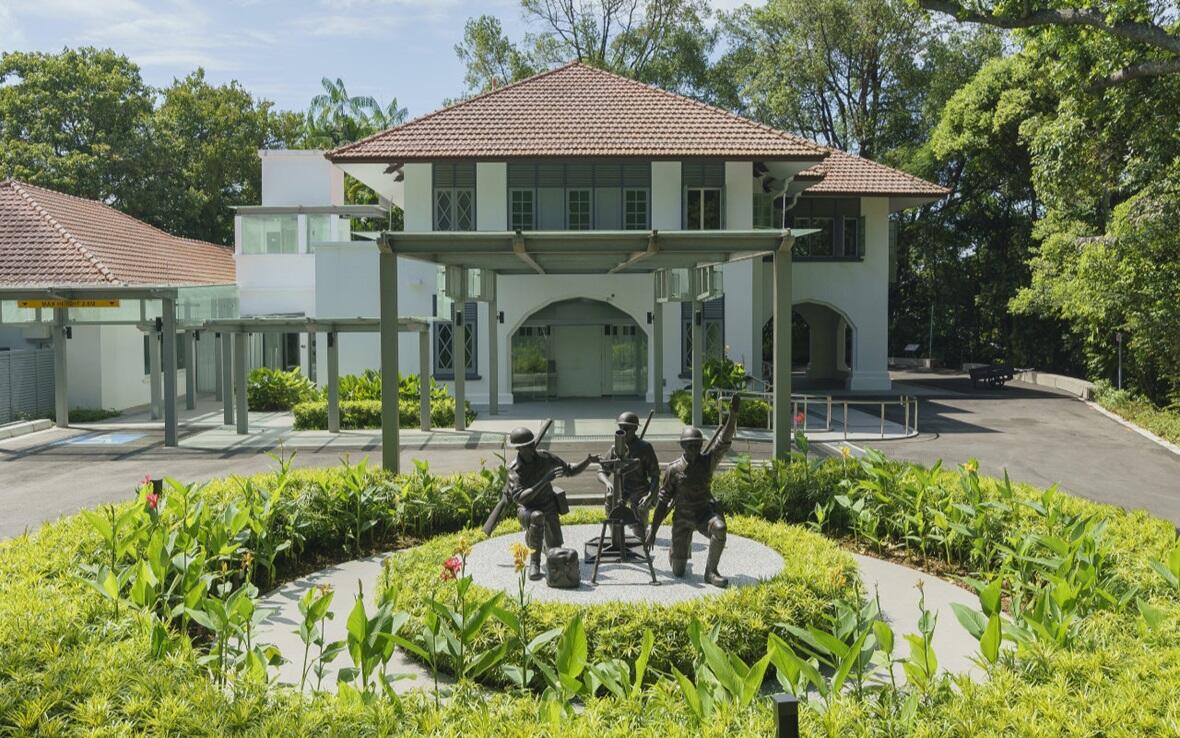

Where can you find historical war sites in Singapore, and what can they tell you about the country’s past?
Its wartime history is not only preserved in museums. Forts, underground command centres, former factories, cemeteries and public memorials still reveal different parts of the island’s past.
Many are linked to the defence of Singapore, the Fall of Singapore in February 1942, the Japanese Occupation from 1942 to 1945, and the lives lost during the Second World War.
Visiting these landmarks gives travellers a better understanding of the events that shaped the country and a different way to experience Singapore beyond its modern attractions. This guide focuses mainly on war and military sites that travellers can learn about today.
| Historical war site | Location | Historical significance |
|---|---|---|
| Fort Siloso | Sentosa | British coastal defence and wartime military infrastructure |
| Battlebox | Fort Canning | British command, strategy and the final days before the surrender |
| Former Ford Factory | Bukit Timah | The 1942 surrender and experiences during the Japanese Occupation |
| Kranji War Memorial | Northern Singapore | Commonwealth servicemen and women who died during World War II |
| Civilian War Memorial | City centre | Civilians who died during the Japanese Occupation |


🏛️Singapore’s Most Important World War II Sites to Visit
Singapore’s WW II sites tell different parts of the story, from the Fall of Singapore and the harsh realities of the Japanese Occupation to the resilience of those who fought or suffered during the war.
Whether you’re a tourist or a local, these locations offer insight into Singapore’s past, alongside other aspects of its heritage, including its religious landmarks.
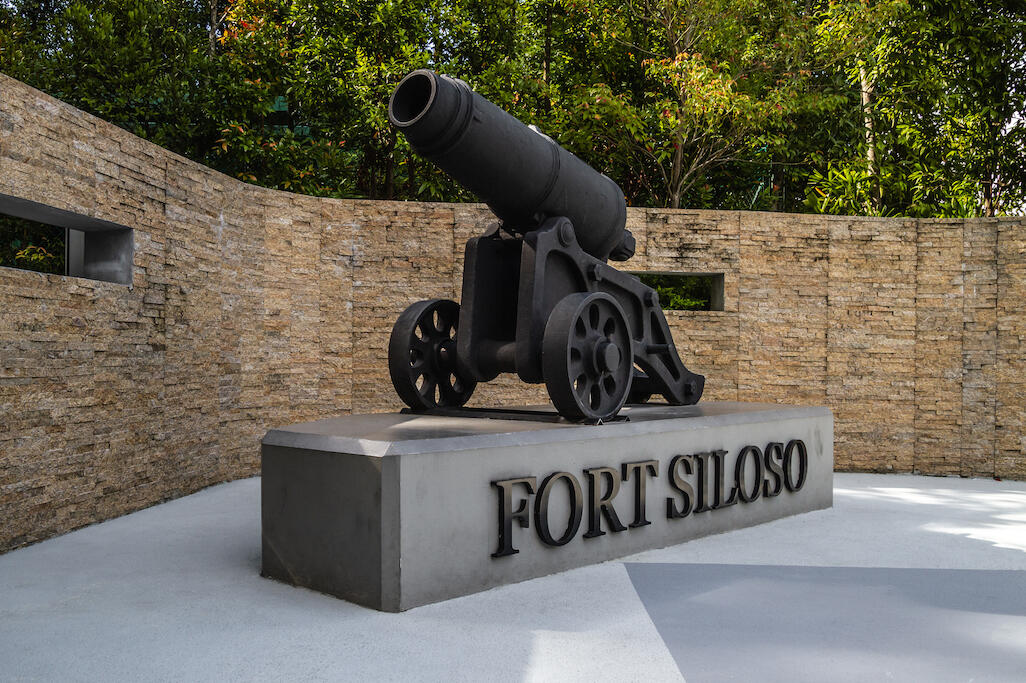
Fort Siloso: Singapore’s Best-Preserved Coastal Fort
Located at the northwestern tip of Sentosa Island (Pulau Blakang Mati), Fort Siloso was built in the 1880s on Mount Siloso to help protect the port. It was part of Singapore’s coastal defence along with Fort Serapong and Fort Connaught on Pulau Blakang Mati1.
During WW II, its guns were used as Japanese troops advanced into Singapore. The fort later played a role in the island's defence during the Battle of Singapore.
You may have heard the common claim that Fort Siloso’s guns were “facing the wrong way” when the Japanese invaded. However, the situation was more complicated than that.
The coastal guns were designed mainly to attack enemy ships approaching from the sea, but some could be turned towards land when the invasion came from the north. Fort Siloso's guns could be turned towards land and were used against Japanese positions during the invasion.
The fall of Singapore was not simply a result of the direction the guns faced. Other factors included ammunition supplies, air power, ground forces and the British military's expectations about how the attack would happen.
Today, Fort Siloso is Singapore’s only preserved coastal fort and an important historical site for travellers. You can see surviving military structures, tunnels and gun emplacements, while displays explain the fort’s role in Singapore’s coastal defences and the Second WW. The Fort Siloso Skywalk provides an elevated route into the site, where you can continue along the Heritage Trail or Gun Trail.
Allow around 1.5 to 2.5 hours if you want to go through the trails and exhibits without rushing. Wear comfortable footwear, as parts of the visit involve outdoor walking and stairs. Its combination of open-air trails and preserved military remains also makes it a good starting point for first-time visitors, families and anyone interested in Singapore's WW II history.
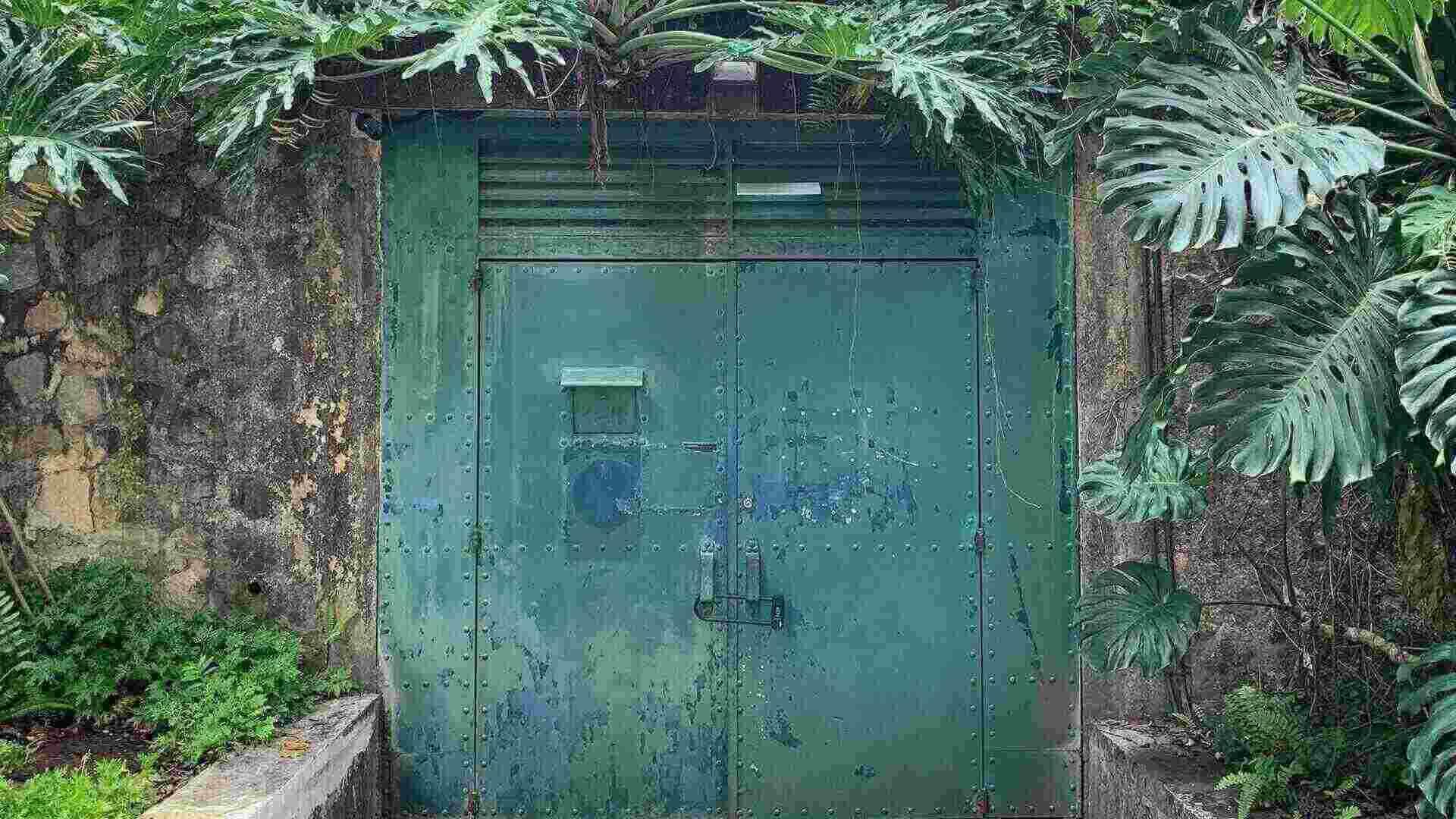
⚔️Battlebox Singapore: The Underground Command Centre at Fort Canning
Hidden beneath Fort Canning Hill, Battlebox Singapore was an underground command centre that formed part of the headquarters of Malaya Command2. Malaya Command was responsible for British military operations in Malaya and Singapore during the Second WW.
Built in 1936 and completed in 1939, the bunker was designed for military operations underground. It served as the command centre for Lieutenant-General Arthur Percival during the final days of the Battle of Singapore.
Before the war, Malaya Command’s headquarters had been moved to Sime Road, where a unified command headquarters was established with the Royal Air Force. On 11 February 1942, as Japanese forces advanced and heavy machine-gun fire approached Sime Road Camp, Percival moved his command centre back to Fort Canning.
On 15 February 1942, Percival and 11 other commanders met in the Battlebox to assess the worsening situation. With supplies running low and the water supply under threat, they decided that Singapore should surrender to the Japanese forces.
Later, Percival and his delegation left for the Ford Motor Factory in Bukit Timah to meet Japanese Lieutenant-General Tomoyuki Yamashita and discuss the surrender terms. The formal surrender took place at the factory, not in the Battlebox.
Battlebox helps travellers understand how military leaders made decisions under pressure. Its rooms and exhibits illustrate the challenges they faced, from managing communications and troop movements to dealing with dwindling supplies and uncertainty about Japanese forces.
This makes it quite different from Fort Siloso: Fort Siloso showcases the physical infrastructure built to defend the island, while Battlebox focuses on military command, strategy and decision-making.
Today, the bunker is a heritage attraction with recreated rooms and exhibits that help people understand the events leading up to the fall of Singapore. The displays draw on historical records to show how the underground command centre may have looked during those final days.
If you are exploring wartime attractions for the first time, a guided experience or audio tour can help explain the significance of the rooms and the decisions made there.
Check the latest tour slots and access arrangements before going, as guided experiences and opening arrangements can change. The official website recommends allowing approximately two hours for a visit.
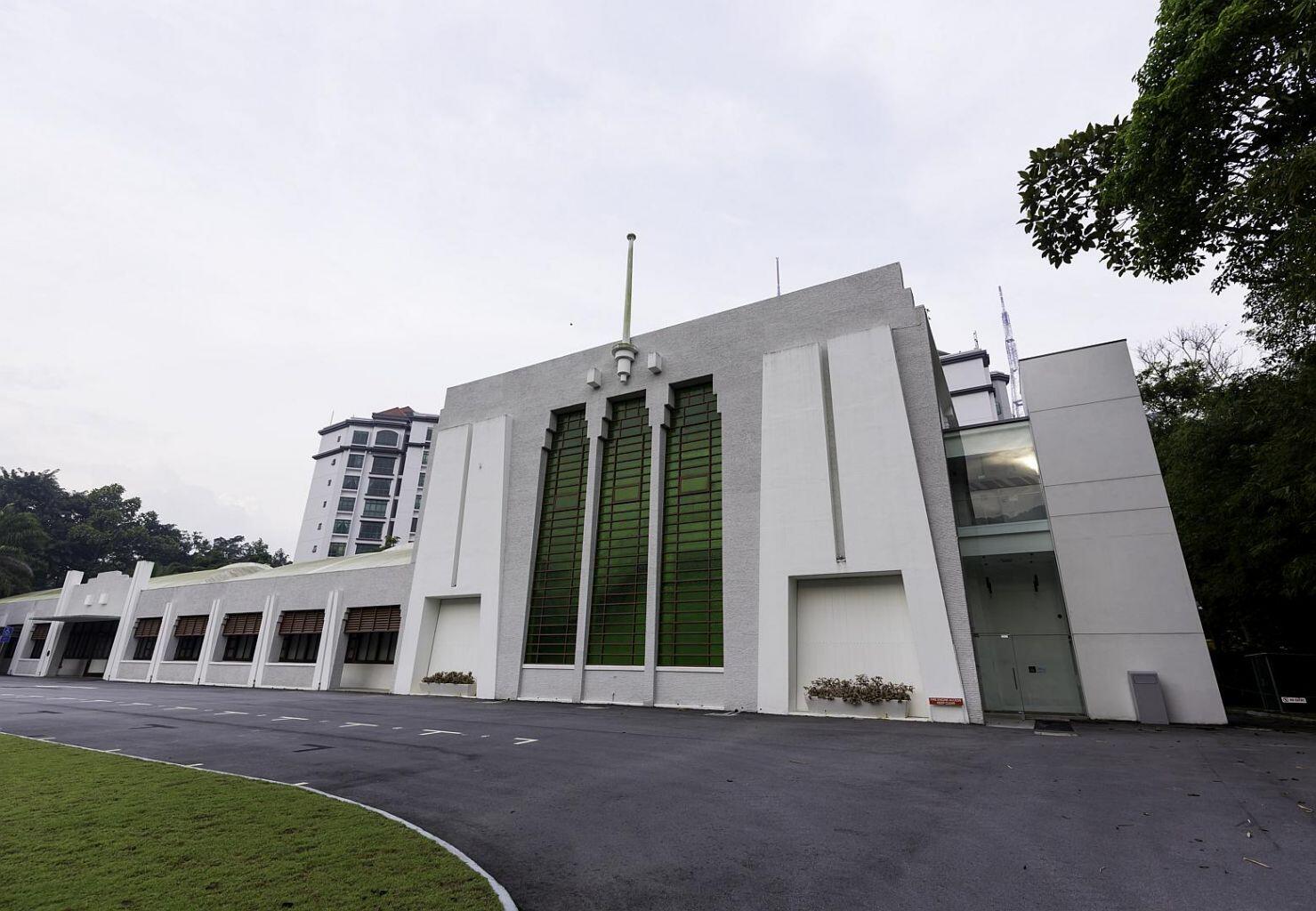
🏭Former Ford Factory: Where the British Surrendered Singapore
Located along Upper Bukit Timah Road, the Former Ford Factory is one of the most important Singapore WW 2 sites because it was where the British surrendered Singapore to the Japanese on 15 February 19423.
The Art Deco factory was taken over by Japanese forces and became the headquarters of Lieutenant-General Tomoyuki Yamashita, commander of the Japanese 25th Army.
On the afternoon of 15 February 1942, Lieutenant-General Arthur Percival and his delegation travelled to the factory to meet Yamashita. The formal surrender took place in the boardroom that evening, marking the beginning of the Japanese Occupation, which lasted until 1945.
The restored Surrender Room remains one of the most significant parts of the experience, connecting the physical building to the moment that changed Singapore's past.
The site also offers a broader account of the war’s impact on society. Its permanent exhibition examines the Fall of Singapore and the Japanese Occupation through British, Japanese and civilian perspectives, using archival records, oral histories and personal objects.
Travellers can learn about propaganda, food shortages, fear, resistance, Sook Ching and the different ways ordinary people experienced the occupation.
This makes the Former Ford Factory particularly worthwhile for anyone looking beyond military strategy4. Among the main Singapore war museums and wartime heritage sites, it offers a clear link between the events of 1942 and the experiences of people who lived through the occupation.
Allow enough time to check out the exhibition rather than treating it as a quick stop. Walk-in tours led by volunteer guides are also available for an additional charge, and the National Archives of Singapore advises those planning a trip to check the latest tour schedule before going.
The table used by the British and Japanese delegations during the surrender at the Former Ford Factory is now at the Australian War Memorial in Canberra, Australia. Ford Motor Company donated the table to the Australian War Memorial in 1964.
🪖War Memorials in Singapore: Remembering Soldiers and Civilian Victims
Not all historical war sites are museums or former military installations. Some are grounds of burial and remembrance, offering a quieter way to understand the human cost of these events. Two of the most significant are Kranji War and the Civilian War Memorials.
🪦Kranji War Memorial Singapore: Remembering the War Dead
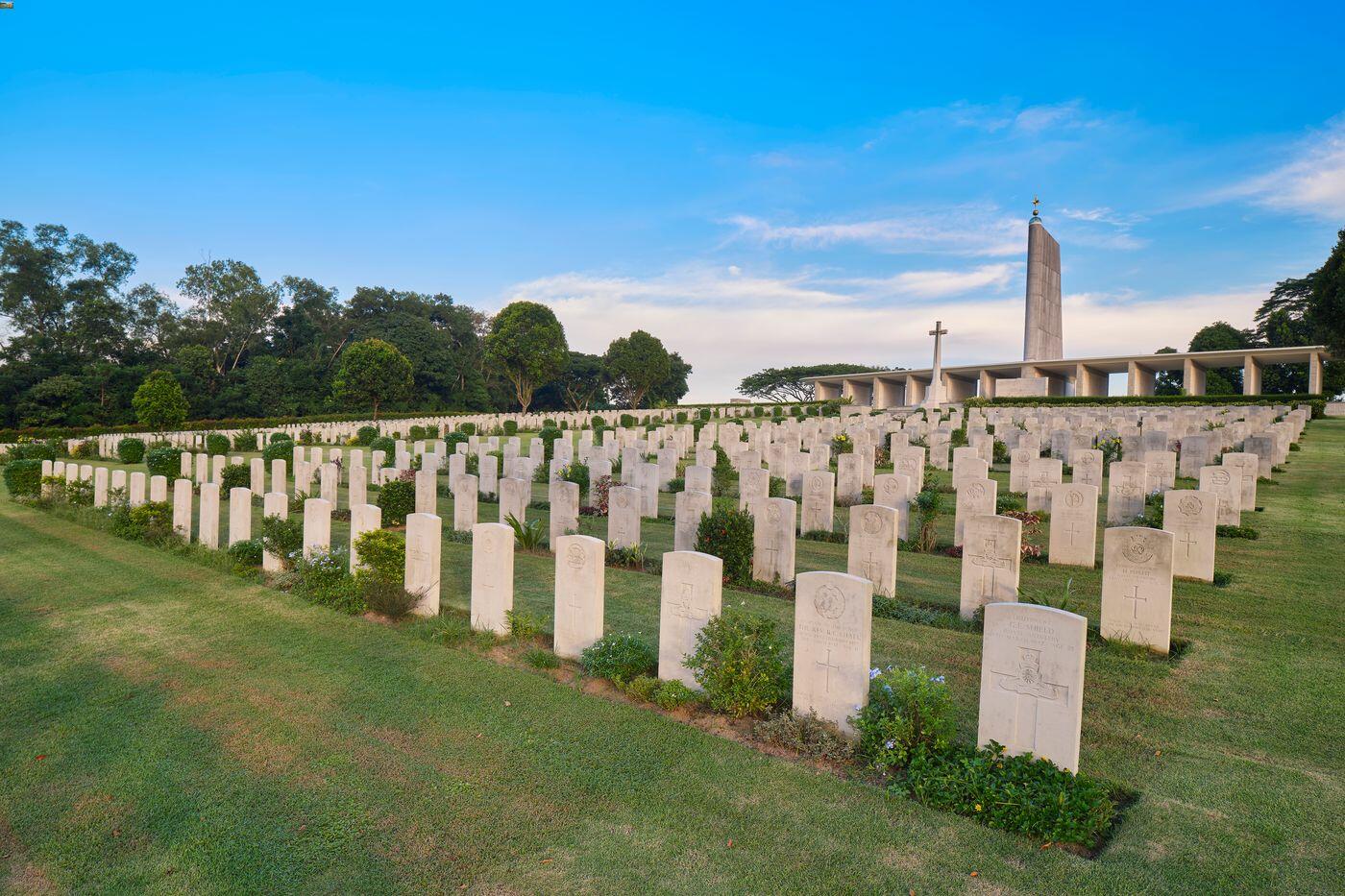
Located at 9 Woodlands Road, the Kranji War Memorial commemorates the brave men and women from Allied and Commonwealth nations who died during the Second World War5, in an area connected to Singapore’s historic bridges.
The site includes a cemetery with rows of white limestone headstones and Memorial Walls engraved with the names of more than 24,000 missing servicemen whose bodies were never found.
Before WW II, Kranji was an ammunition dumping ground for the British military.
Unlike a conventional museum, Kranji should be approached as a cemetery and memorial landscape. The setting encourages quiet reflection rather than sightseeing, with its open lawn and grave structures creating a sombre atmosphere.
Remembrance services and commemorative events are held here, including ANZAC Day observances, although visitors should check official notices for current arrangements.
Allow extra travel time if coming from central areas. Wear appropriate clothing, keep voices low and be particularly mindful if a service or ceremony is taking place.
🪦Civilian War Memorial Singapore: Remembering Civilian Victims
The Civilian War Memorial, located in War Memorial Park near the Civic District, commemorates civilians who died during the Japanese Occupation from 1942 to 1945. Its four tapering columns are approximately 68m high. It is affectionately called the “chopsticks” memorial because it resembles a pair of chopsticks.
The four columns represent Singapore’s four major ethnic groups: Chinese, Malays, Indians and Eurasians, who suffered losses during the Japanese Occupation.
In 1962, construction and development work led to the accidental discovery of several WW II mass graves containing the remains of civilians found in multiple locations. Many remains were found in Siglap’s “Valley of Death”.
This is a public memorial rather than a ticketed museum, making it an accessible stop for people with limited time. A brief experience can be combined with a walk through the Civic District and its other historic landmarks.
Respectful trip checklist:
- Keep voices low and maintain a respectful atmosphere.
- Do not climb on the memorial structures.
- Follow any posted rules or instructions.
- Be mindful of services and commemorative ceremonies taking place.
🎖️How These Historical War Sites Tell Singapore’s Wider Military Story
Beyond the Fall of Singapore
The Second WW is an important part of Singapore’s historical memory, but it is only one part of the country’s wider military story. Singapore developed from a British colonial port into an important naval and military base, before becoming an independent nation with its own defence institutions.
The historical war sites around the island show different parts of this longer story. Fort Siloso reflects Singapore’s role in British coastal defence, while Battlebox Singapore shows the command and decisions made during the final days of the Fall of Singapore.
The Former Ford Factory connects the surrender in 1942 with the Japanese Occupation and the experiences of civilians. Meanwhile, Kranji War and the Civilian War Memorials focus on the people who died and how they are remembered.
Looking at these landmarks together gives a fuller picture of Singapore’s wartime history rather than treating the Fall of Singapore as an isolated event.
How to Visit War Sites with Care
Military history can be complicated, and the Fall of Singapore cannot be explained by one simple reason. Strategy, supplies, air power, intelligence, leadership and conditions on the ground all played a part in what happened in 1942. The experiences of civilians are also an important part of this past.
When visiting these sites, take time to read the information provided and consider the different perspectives presented. Guided tours, museum exhibitions and reliable historical sources can also give you more context about what happened.
The experiences of civilians are also an important part of this history, as are the lasting effects of British rule, reflected in Singapore’s colonial buildings.
Remember: A site can be both a tourist destination and a place of mourning. Interpretation and visitor conduct matter.
A Brief Timeline of Singapore’s Military History
19th century
Singapore develops as a strategic British trading port, and Britain begins expanding its military defences.
Late 19th to early 20th century
Britain expands Singapore’s military defences, including coastal forts and other facilities.
8 February 1942
Japanese forces land on Singapore’s north-western coast, beginning the Battle of Singapore.
15 February 1942
Allied forces in Singapore surrender to the Japanese at the Ford Motor Factory.
1942–1945
Singapore remains under Japanese Occupation.
Post-war to the present
Memorials and heritage sites commemorate the war and remember the people affected by it.
📅Planning a Historical War Sites Trail in Singapore
You do not have to visit every site in one day. Choose locations based on how much time you have, where you are going, and which part of history you want to learn about.
Choose a Trail Based on Your Available Time
| Time available | Suggested sites | Best for |
|---|---|---|
| 2–3 hours | Battlebox + Civilian War Memorial | Visitors based in the city centre |
| Half day | Former Ford Factory + Battlebox | Understanding the surrender and Japanese Occupation |
| Full day | Fort Siloso + Battlebox or Former Ford Factory | Exploring military infrastructure and the wider wartime story |
| Separate quiet visit | Kranji War Memorial | Reflection and commemoration |
Fort Siloso is on Sentosa, so combining it with Kranji War Memorial or the Former Ford Factory can involve more travelling. If your main interest is military defence, it may be better to give Sentosa its own part of the day.
Practical Visit Advice
Before heading straight to these venues, check official pages for opening hours, admission requirements, guided-tour schedules and temporary closures. Public transport, taxis and ride-hailing services can all be useful.
Kranji and Sentosa require more travel planning than the city area attractions, so allow extra time for the journey.
Bring water and sun protection when visiting outdoor locations. Museums and indoor exhibitions are generally more comfortable during heavy rain, while outdoor forts and memorials can be more pleasant in the cooler morning or late afternoon.
Remember that cemeteries and memorials are dedicated to remembrance, so visitors should keep their voices low, follow posted rules and be respectful during ceremonies.
They died for all free men.
Kranji War Memorial inscription, via NHB
🧳Explore Singapore’s Wartime History Through Different Perspectives
These landmarks are more useful to understand when viewed as connected parts of the story rather than isolated attractions. Whether you are a tourist or local, seeing these landmarks can give you a clearer picture of Singapore before independence, the challenges it faced during the war and how the country developed afterwards.
Start with the site that matches your interest, whether that is military defence, the surrender, civilian experiences or remembrance. From there, go to another location that offers a different perspective on the same period to build a fuller understanding of Singapore’s past during the Japanese Occupation and its wider historical landmarks.
References
- National Library Board Singapore. (n.d.-k). Retrieved October 6, 2026, from https://www.nlb.gov.sg/main/article-detail?cmsuuid=f2d8feab-1269-4caa-b7ab-0dbc3e272773
- National Library Board Singapore. (n.d.-l). Retrieved October 6, 2026, from https://www.nlb.gov.sg/main/article-detail?cmsuuid=39e1487d-5e7a-4ab6-b466-88470867a69e
- National Library Board Singapore. (n.d.-m). Retrieved October 6, 2026, from https://www.nlb.gov.sg/main/article-detail?cmsuuid=b29e03c8-9f7a-4ba7-a807-b570ca4cea16
- National Library Board Singapore. (n.d.-n). Retrieved October 6, 2026, from https://www.nlb.gov.sg/main/article-detail?cmsuuid=885c52a5-4f05-4114-9946-0c357732fa51
- National Library Board Singapore. (n.d.-p). Retrieved October 6, 2026, from https://www.nlb.gov.sg/main/article-detail?cmsuuid=47f41a49-d2d0-4953-a113-698160242cda
Summarise with AI:
Did you like this article? Leave a rating!

 Loading...